A commercial fire can bring operations to a sudden halt, leaving business owners and managers facing uncertainty, safety concerns, and financial pressure. Once the flames are extinguished and emergency responders clear the scene, a new phase begins. This period is often just as critical as the initial response. Decisions made in the hours and days following a fire can influence how quickly a business recovers and how well it preserves its long term viability.
Fire damage rarely exists in isolation. Smoke, soot, water from suppression efforts, and structural instability can create a complex web of challenges. Knowing how to move forward with clarity and care helps business leaders regain control and protect employees, customers, and assets during recovery.
Securing the Property and Ensuring Safety
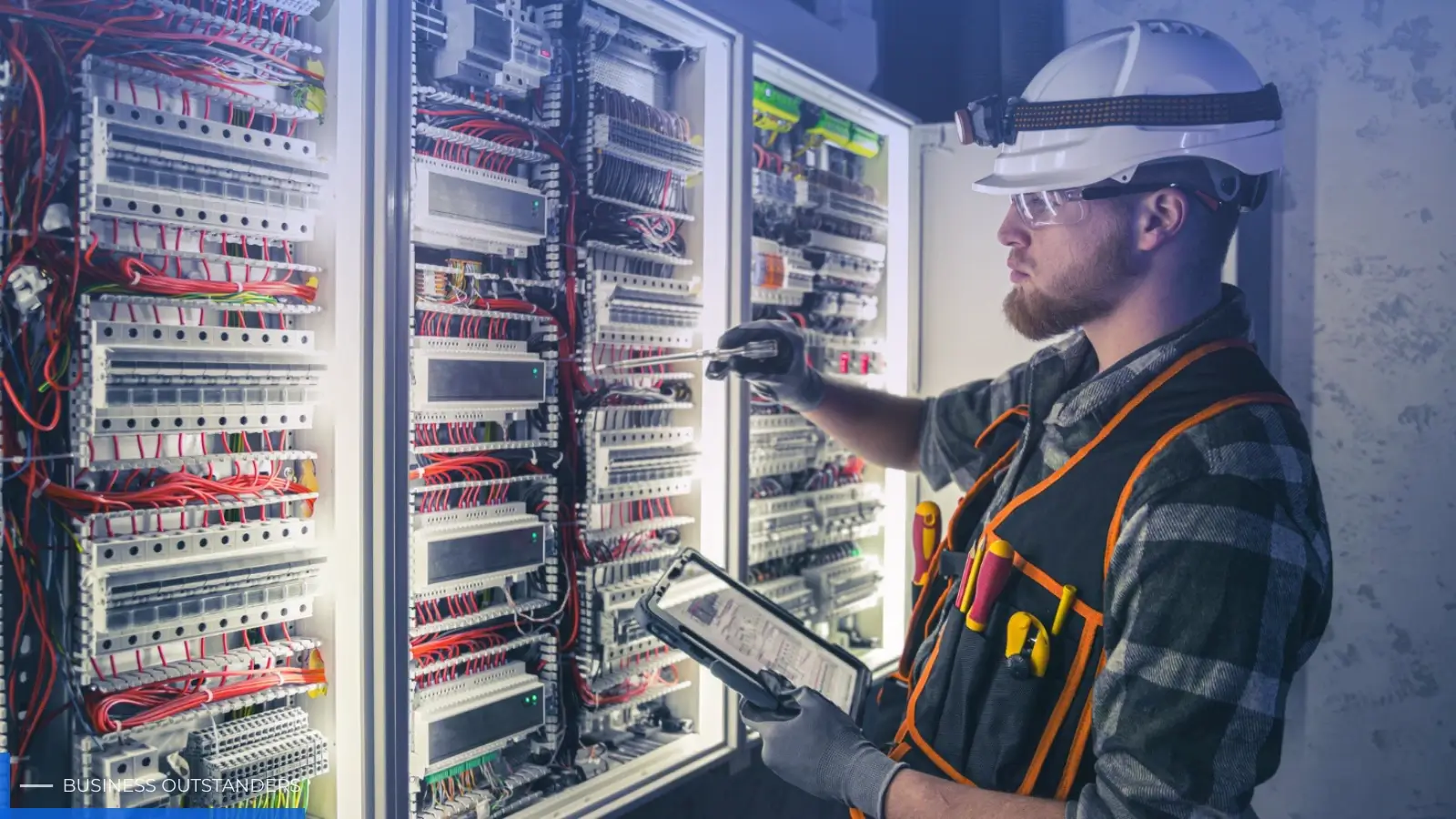
Safety should remain the highest priority after a commercial fire. Even once firefighters depart, hazards may still be present. Structural elements could be weakened, air quality could be compromised, and electrical systems may be unsafe. Before allowing employees or contractors to enter the site, it is important to conduct a thorough safety assessment.
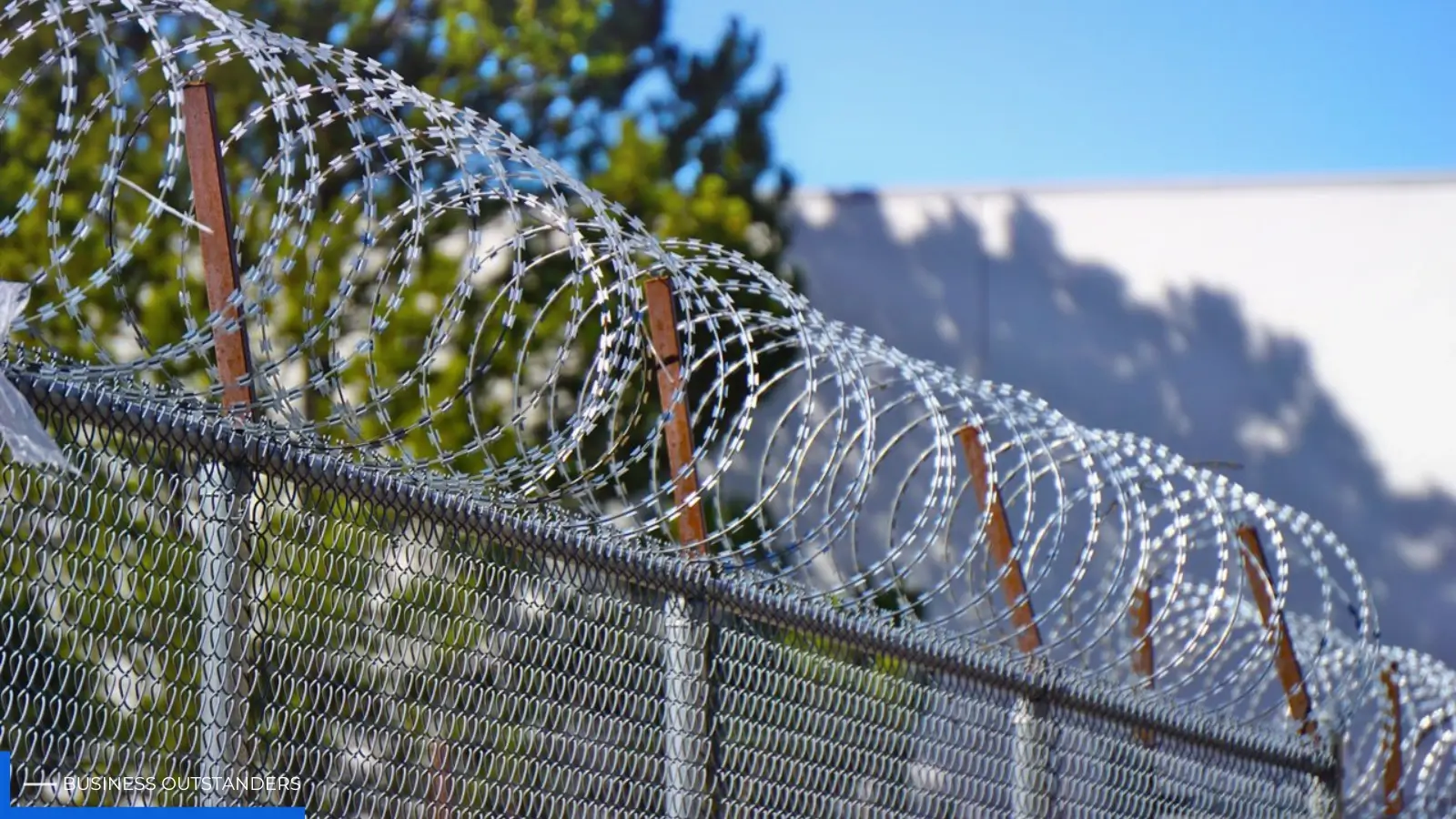
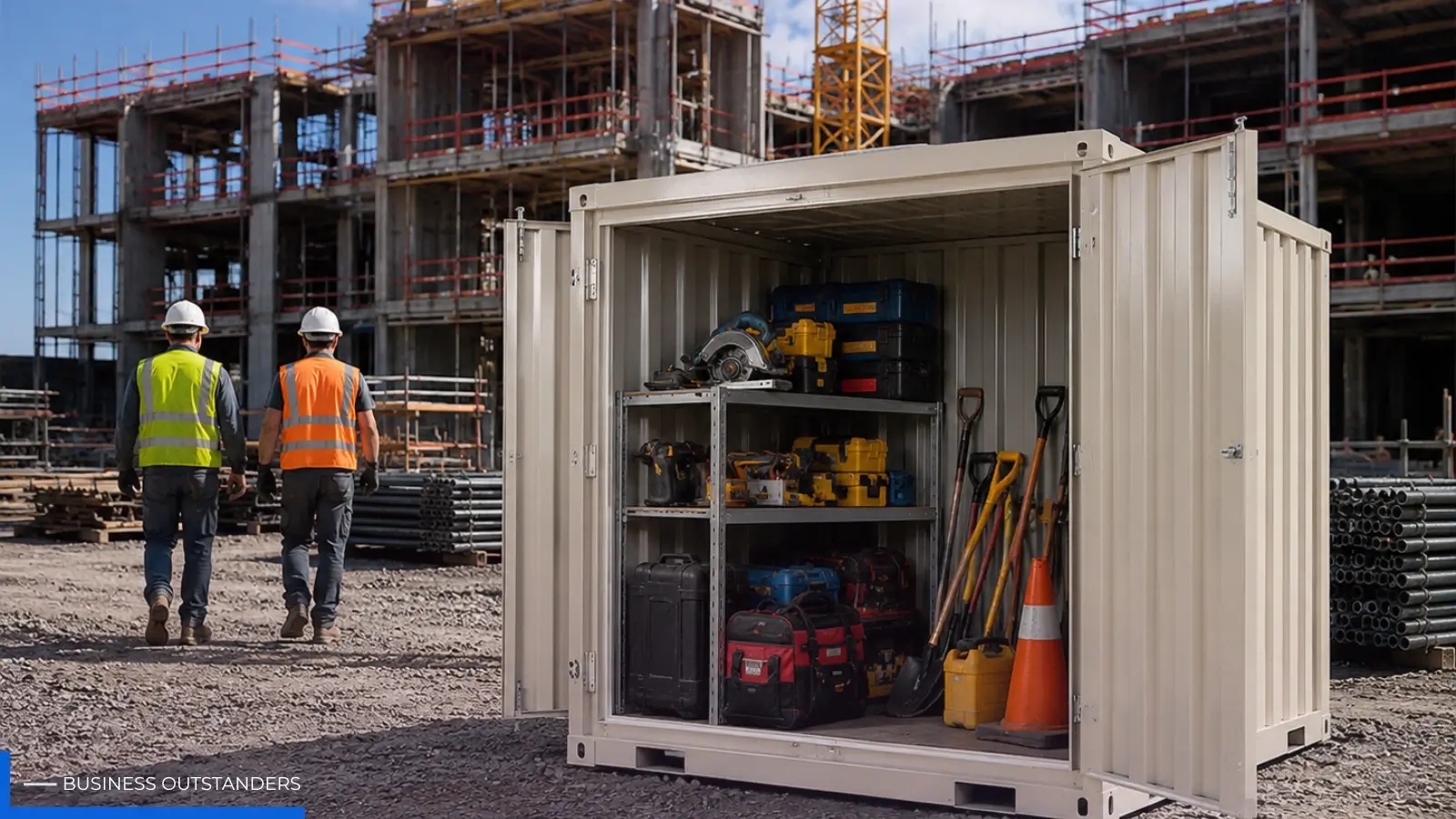
Boarding up damaged openings and securing entry points helps prevent unauthorized access, vandalism, or further weather related damage. Temporary fencing and signage may also be necessary depending on the scale of the incident. These steps are essential for risk management and may be required by insurance providers.
Business owners should coordinate closely with fire officials and local authorities. Clearance from the appropriate agencies ensures that the property is safe enough for limited access and next phase activities.
Documenting Damage and Notifying Stakeholders
Comprehensive documentation plays a vital role in post fire recovery. As soon as it is safe, capturing photos and videos of all affected areas helps preserve an accurate record of damage. This includes structural losses, inventory damage, equipment impact, and secondary issues such as water saturation or smoke staining.
Insurance carriers should be notified promptly to initiate the claims process. Clear and thorough documentation supports faster claim handling and reduces disputes down the line. It is helpful to keep written notes of all conversations, visits, and recommendations from inspectors and adjusters.
Communication with internal and external stakeholders also matters at this stage. Employees need guidance on schedules and expectations, while customers and partners benefit from transparent updates. Clear messaging fosters trust and reduces confusion during an already stressful period.
Understanding the Full Scope of Fire Related Damage
Fire damage extends far beyond visible charring. Smoke residue can penetrate ventilation systems, wall cavities, and electronic equipment. Soot particles may settle on surfaces throughout the building, creating corrosive conditions if not addressed quickly.
Water used to extinguish the fire can cause additional harm. Saturated materials may begin to deteriorate, and lingering moisture increases the risk of mold growth. Understanding these interconnected issues is essential for planning effective recovery steps.
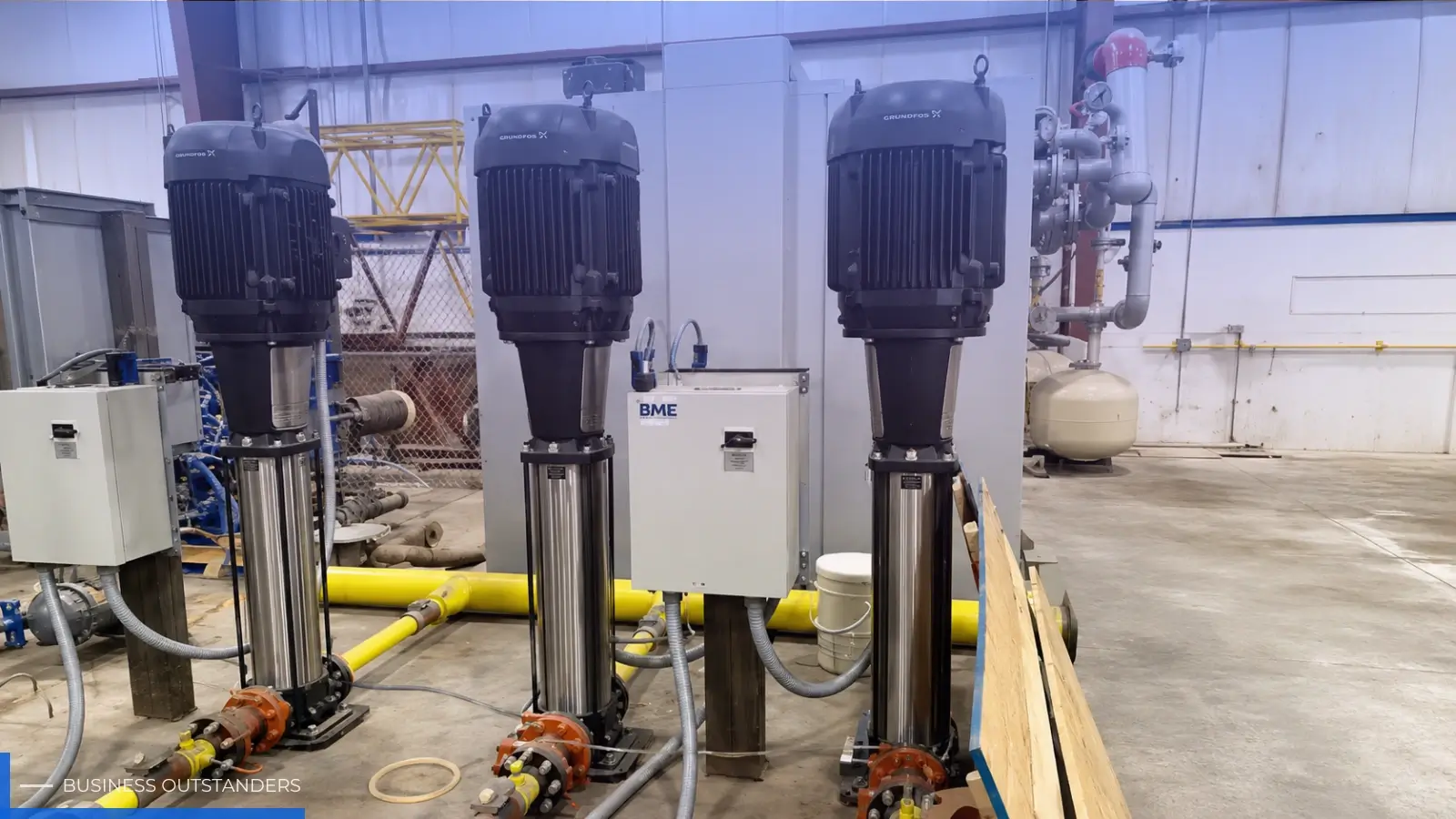
This is where engaging professional commercial restoration services becomes critical. These experts evaluate the entire environment, identify hidden damage, and create a comprehensive strategy that addresses fire, smoke, and water impact together. This approach aligns with modern fire damage restoration practices that focus on complete recovery rather than surface-level repairs.
Planning Business Continuity During Restoration
While repairs are underway, maintaining some level of operational continuity can help protect revenue and customer relationships. Depending on the nature of the business, this may involve relocating staff temporarily, shifting services online, or adjusting hours and offerings.
Advance planning and flexibility make a significant difference. Businesses that already have continuity plans in place can pivot more smoothly after a fire. Those without such plans should develop interim solutions as part of the recovery process.
Regular communication with staff keeps morale steady and reduces misinformation. Letting employees know how recovery is progressing and what to expect helps maintain engagement and loyalty during uncertain times.
Evaluating Long Term Recovery and Prevention Strategies
Once immediate restoration efforts are in motion, it is important to look ahead. A commercial fire provides valuable insight into vulnerabilities within building systems, safety protocols, and emergency response plans.
Business leaders should review how the fire started, how quickly issues were detected, and how effectively the response unfolded. This evaluation may reveal opportunities to upgrade fire detection systems, improve staff training, or modify building materials.
Preventive measures such as routine inspections, clear emergency exits, and updated response procedures reduce the likelihood of future incidents. Investing in prevention protects not just the physical property but also the people who rely on it every day.
Conclusion
The aftermath of a commercial fire demands careful attention, clear priorities, and informed action. By securing the property, documenting damage, understanding the true scope of impact, maintaining business continuity, and planning for the future, organizations can move beyond crisis toward recovery with confidence. A fire may disrupt operations, but with thoughtful response and strategic planning, it does not have to define a company’s future.
Business Outstanders brings you sharp insights on tech, business, entrepreneurship, law, crypto, and more. We uncover what’s next. Stay updated, sign up for our newsletter and be part of the future!