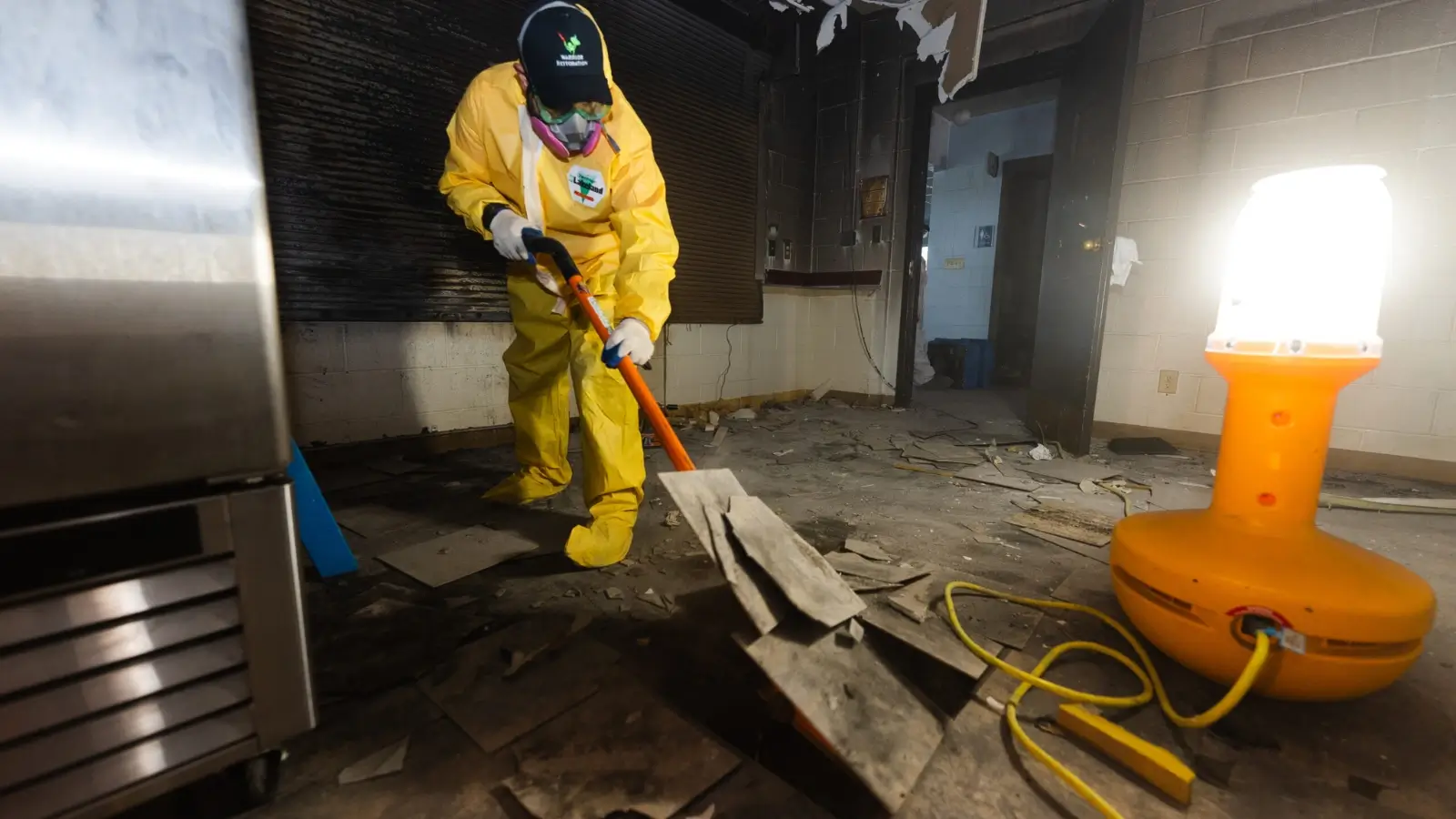
Fire damage can devastate a property within minutes, but the restoration process often takes weeks or months to complete properly. Unlike other types of property damage, fire creates a complex web of destruction that extends far beyond what's immediately visible. Smoke infiltrates every corner, soot embeds itself in porous materials, and water from firefighting efforts adds another layer of complications.
Understanding the intricacies of fire damage restoration helps property owners make informed decisions during one of their most challenging times. Professional restoration companies like Brick City Restoration bring specialized expertise, equipment, and systematic approaches that make the difference between a successful recovery and ongoing problems.
The restoration industry has evolved significantly over the past decade, with new technologies and methodologies transforming how professionals approach fire-damaged properties. This evolution means faster recovery times, better results, and more comprehensive solutions for property owners facing the aftermath of fire incidents.
The Hidden Complexity of Fire Damage
Fire damage extends far beyond charred walls and melted fixtures. The combustion process releases hundreds of chemical compounds that create different types of residues, each requiring specific treatment approaches. Protein residues from kitchen fires behave differently from synthetic residues from furniture fires, and natural residues from wood fires present their own unique challenges.
Smoke travel patterns follow air currents throughout a structure, often reaching areas that seem completely unaffected by flames. Restoration professionals must understand how smoke moves through HVAC systems, stairwells, and even electrical conduits to ensure comprehensive treatment. Areas that appear undamaged may harbor smoke odors and residues that will cause long-term problems if not properly addressed.
Temperature variations during a fire create different zones of damage intensity. Areas closer to the fire source experience extreme heat that can warp structural materials, while peripheral areas may only show slight discoloration. Professional restoration teams assess these variations to develop targeted treatment strategies for each affected zone.
Modern Fire Damage Restoration Technologies
Today's fire damage restoration relies heavily on advanced detection and treatment technologies. Thermal imaging cameras allow restoration professionals to identify hidden damage behind walls and under flooring without unnecessary demolition. These tools reveal moisture patterns from firefighting water and heat damage that isn't visible to the naked eye.
Hydroxyl generators represent a significant advancement in odor elimination technology. Unlike traditional ozone machines that require building evacuation, hydroxyl generators can operate safely in occupied spaces while breaking down odor-causing molecules at the molecular level. This technology allows for continuous treatment throughout the restoration process.
Advanced cleaning solutions target specific types of fire residues more effectively than ever before. Enzymatic cleaners break down protein-based residues, while specialized surfactants remove synthetic residues without damaging underlying materials. These targeted approaches reduce the need for replacement of salvageable items.
Air scrubbing systems now incorporate HEPA filtration with activated carbon to remove both particulates and gaseous contaminants simultaneously. These systems create negative-pressure environments that prevent cross-contamination while actively cleaning the air throughout the restoration process.
The Brick City Restoration Approach
Brick City Restoration has developed a systematic approach to fire damage restoration that addresses both immediate concerns and long-term stability. Their process begins with a comprehensive damage assessment using state-of-the-art detection equipment to create detailed restoration plans tailored to each property's specific needs.
Emergency response capabilities mean Brick City Restoration teams can begin stabilization efforts within hours of fire incidents. Quick response prevents secondary damage from weather exposure, theft, and continued smoke migration. Board-up services, temporary roofing, and security measures protect properties while detailed restoration plans are developed.
The company's restoration methodology emphasizes salvage over replacement whenever possible. Advanced cleaning techniques often restore items that other companies might consider total losses. This approach reduces both restoration costs and the emotional impact of losing irreplaceable personal belongings.
Quality control measures ensure consistent results across all restoration projects. Regular testing confirms that smoke odors have been eliminated and that air quality meets acceptable standards before restoration projects are considered complete. This attention to detail prevents callbacks and ensures customer satisfaction.
Insurance Coordination and Documentation
Professional fire damage restoration companies understand the critical importance of proper insurance documentation. Detailed photographic records, moisture readings, and scope documentation help ensure fair insurance settlements while protecting property owners from potential coverage disputes.
Modern restoration companies use specialized software to create comprehensive project documentation that integrates seamlessly with insurance claim processes. This technology reduces delays and helps expedite claim approvals by providing adjusters with the detailed information they need to make informed decisions.
Communication protocols keep all stakeholders informed throughout the restoration process. Regular updates to property owners, insurance representatives, and other involved parties ensure transparency and prevent misunderstandings that could delay project completion.
Prevention and Preparedness Strategies
While professional restoration services can effectively address fire damage, prevention remains the most cost-effective approach to property protection. Modern fire suppression systems, smoke detection networks, and emergency response planning significantly reduce the severity of fire incidents when they occur.
Property owners can take several steps to minimize fire damage restoration complexity. Regular HVAC maintenance reduces the spread of smoke through ventilation systems. Strategic placement of fire extinguishers and smoke detectors provides early intervention opportunities. Emergency contact lists ensure quick response times when professional help is needed.
Understanding the basics of fire damage restoration helps property owners make better decisions during emergencies. Knowing what to expect from professional restoration services, understanding the importance of quick response, and recognizing the complexity of proper restoration work enable better outcomes for everyone involved.
Making the Right Choice for Your Property
Fire damage restoration services help homeowners reclaim safety, comfort, and peace of mind after a devastating event. With specialized expertise, professional-grade equipment, and proven restoration methods, experts ensure your property is fully restored and protected from lingering smoke, odor, and structural damage—delivering results that DIY repairs simply can’t match.
Choosing the right restoration company involves evaluating experience, certifications, equipment capabilities, and response times. Companies like Brick City Restoration combine all these elements with proven track records of successful fire damage restoration projects across various property types and damage severities.
The investment in professional fire damage restoration pays dividends through proper restoration, reduced long-term problems, and better insurance outcomes. When fire strikes, having access to qualified restoration professionals can make the difference between devastating loss and successful recovery.
Professional fire damage restoration represents far more than cleaning and repairs. It requires understanding complex damage patterns, utilizing advanced technologies, coordinating with multiple stakeholders, and executing systematic restoration processes that address both immediate and long-term concerns. Property owners facing fire damage need partners who can navigate these complexities while delivering results that restore both properties and peace of mind.
Business Outstanders brings you sharp insights on tech, business, entrepreneurship, law, crypto, and more. We uncover what’s next. Stay updated, sign up for our newsletter and be part of the future!