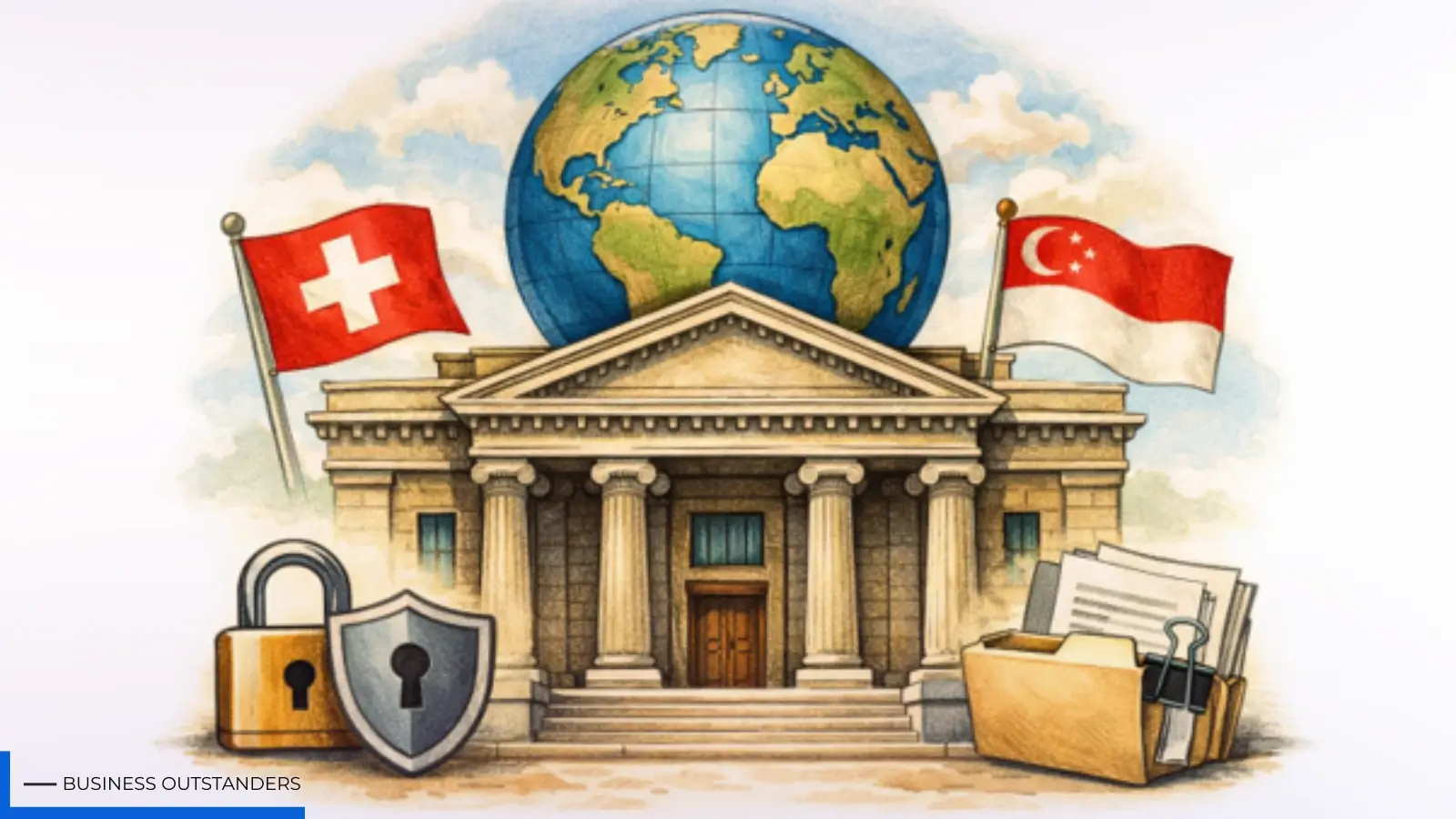
As the global economy becomes increasingly interconnected, both individuals and businesses are exploring offshore banking to diversify assets, manage risk, and streamline international transactions. The path to successfully opening an offshore bank account in 2026 is more streamlined than ever, with digital tools enabling remote applications, but it still requires careful navigation of regulatory and compliance complexities. For those interested in finding the best offshore business bank account, understanding the process and requirements is essential to unlocking greater financial flexibility and privacy.
Offshore accounts offer practical advantages, including currency diversification, asset protection, and broader investment opportunities. However, it's crucial to realize that opening and maintaining these accounts involves adherence to the legal frameworks of both the chosen jurisdiction and the account holder’s country of residence. Navigating this landscape demands attention to changing regulations as well as an understanding of each bank's unique requirements and service offerings.
Understanding Offshore Banking
Offshore banking is defined as holding a bank account in a country outside of an individual’s legal residence. This practice is fully legal in most scenarios and brings benefits such as enhanced privacy, access to international markets, and often more favorable interest rates or tax conditions. Countries like Switzerland and Singapore have drawn clients worldwide because of their strong financial systems and reputation for confidentiality.
Yet the appeal of offshore banking comes with responsibilities. Compliance with domestic and international regulations is mandatory, and governments are increasingly vigilant toward money laundering and tax evasion. This means that robust documentation and transparent reporting are of paramount importance.
Choosing the Right Jurisdiction
One of the first decisions in opening an offshore account is selecting the most suitable jurisdiction. Key factors include the political and economic stability of the country, its banking regulations, and its approach to client privacy. For example, Switzerland is historically recognized for its discretion and security, while Singapore is applauded for its modern financial infrastructure and political stability. According to Reuters, Swiss banks managed assets totaling CHF 9.28 trillion in 2024, reinforcing their worldwide significance.
The reputation of a jurisdiction can also affect your access to global financial services. Banks in respected jurisdictions are commonly recognized by major companies, suppliers, and global marketplaces, improving transaction efficiency and reliability.
Remote Account Opening Possibilities
The development of sophisticated digital banking platforms now enables the remote opening of offshore accounts in many countries. Banks increasingly offer online application processes, document uploads, and even video calls for identity verification. Despite improvements, eligibility and requirements still vary widely. For instance, Belizean banks have made remote onboarding accessible with minimal deposits, appealing to small business owners and entrepreneurs.
Some jurisdictions still require a physical presence for the initial setup, particularly for higher-risk profiles or more sensitive account services. Thorough research and direct communication with the bank are important to clarify their policies before proceeding.
Compliance and Documentation Requirements
Regulatory compliance is at the core of offshore banking. Applicants are generally required to present a complete set of documents, which may include:
- Government-issued identification such as a passport or national ID card
- Recent proof of address, often in the form of utility bills or rental agreements
- Clear documentation of the source of funds
- Tax identification numbers as required by your country of residence
U.S. citizens, for example, must file a Foreign Bank Account Report (FBAR) annually if their offshore balances exceed a given threshold, with non-compliance carrying significant penalties. For more details on international reporting obligations, you can refer to the IRS guidelines on offshore account reporting.
Evaluating Banking Services and Fees
Offshore banks differ widely in the services they offer and their fee structures. While some provide robust digital platforms, multi-currency accounts, and integrated investment options, others may focus solely on simple transactional banking. It is important to match your needs to the services offered and review associated costs, which can include monthly maintenance, minimum balance fees, wire transfer charges, and more. Cumulative fees can erode potential benefits if not understood upfront.
Engaging Professional Assistance
Given the intricate regulatory and tax frameworks involved, many individuals and businesses enlist professional advisors for offshore banking. Specialists in international finance can guide you through jurisdiction selection, document preparation, and ongoing compliance. This guidance reduces the risk of errors and ensures that your financial objectives are met efficiently, providing additional peace of mind.
Staying Informed About Regulatory Changes
Financial regulations are dynamic and can shift rapidly, especially in the context of international banking and cross-border taxation. Staying educated about changes in relevant laws, new tax treaties, and compliance obligations is crucial to avoid legal issues and potential loss of account privileges. Subscribing to reputable financial news outlets or working regularly with an international tax advisor can assist in keeping your account fully compliant and up to date.
Conclusion
Opening an offshore bank account remotely in 2026 presents tremendous opportunities for asset protection, tax planning, and global commerce, but only for those who proceed with careful research and rigorous compliance. Understanding the full scope of regulations, choosing a reputable jurisdiction, meeting all documentation requirements, and seeking experienced guidance will help ensure a successful and secure offshore banking experience. By staying proactive and informed, both individuals and organizations can reap the benefits that offshore accounts have to offer.
Business Outstanders brings you sharp insights on tech, business, entrepreneurship, law, crypto, and more. We uncover what’s next. Stay updated, sign up for our newsletter and be part of the future!