In competitive gaming, the difference between victory and defeat often comes down to milliseconds and millimeters. Your peripherals aren't just accessories—they're extensions of your skill, and the mouse you wield can directly impact your reaction time, accuracy, and overall performance. This is precisely why the carbon fiber gaming mouse has emerged as a revolutionary tool for professional gamers and serious enthusiasts alike. Built from the same advanced material used in Formula 1 cars and aerospace engineering, these mice deliver an unmatched combination of featherlight weight and exceptional structural integrity. However, navigating the market can feel overwhelming when faced with countless models, conflicting specifications, and marketing jargon. This guide cuts through the noise to help you make a confident, informed decision. By focusing on what truly matters—performance-driven sensors, lightweight construction, and lasting durability—you'll discover how to select a carbon fiber gaming mouse that elevates your agility, reduces fatigue during marathon sessions, and gives you a genuine competitive edge.
What is a Carbon Fiber Gaming Mouse and Why It Matters
A carbon fiber gaming mouse incorporates woven carbon fiber sheets or carbon fiber-reinforced polymer into its shell construction, replacing traditional ABS plastic with a material that fundamentally changes how the device performs in your hand. Carbon fiber consists of thin, incredibly strong filaments bound together in a resin matrix, creating a composite that offers an extraordinary strength-to-weight ratio. The resulting mouse shell can be up to 40% lighter than conventional plastic while maintaining superior rigidity—meaning the structure won't flex or creak under intense grip pressure during heated gameplay moments. Beyond performance, carbon fiber carries a distinctive woven aesthetic that signals premium craftsmanship, appealing to gamers who value both form and function. For professional gamers seeking high-performance gaming equipment, this material represents more than a luxury upgrade. It addresses a fundamental challenge in competitive esports: the need to move a pointing device thousands of times per match with absolute precision while minimizing physical strain. The evolution of lightweight gaming equipment has accelerated dramatically in recent years, with carbon fiber sitting at the pinnacle of this progression—transforming what was once aerospace-exclusive technology into a tangible competitive advantage on the virtual battlefield.
Benefits of Carbon Fiber in Gaming Mice
Carbon fiber delivers three critical advantages that directly serve competitive gamers. First, the dramatic weight reduction enables faster flick shots and smoother tracking because less mass means less inertia to overcome during rapid directional changes. Second, the material's inherent durability ensures your mouse withstands thousands of hours of aggressive use without developing structural weak points, shell cracks, or surface degradation—essential for professionals who depend on consistent equipment performance. Third, carbon fiber naturally dissipates heat more effectively than standard plastics, keeping your palm cooler and your grip more secure during extended tournament sessions or marathon practice blocks where sweaty hands can compromise control.
Key Features to Evaluate in a High-Performance Gaming Mouse
Selecting the right carbon fiber gaming mouse requires looking beyond the shell material itself and examining the complete performance package underneath. A stunning carbon fiber exterior means little if the internals can't keep pace with your reflexes. The most critical evaluation criteria fall into three interconnected categories: sensor capability, overall weight and balance, and long-term build quality. Each of these elements contributes to how the mouse translates your physical input into on-screen action, and weaknesses in any single area can bottleneck your entire setup. When evaluating high-performance gaming equipment, think of these features as a triangle—sensor precision determines your accuracy ceiling, lightweight design dictates your speed and endurance, and durability ensures consistent performance over months and years of competitive play. Professional gamers often prioritize sensor quality first, then weight, then construction robustness, but your personal hierarchy may shift depending on whether you compete in twitchy FPS titles requiring lightning reflexes or strategic games demanding sustained comfort over longer sessions. The key is understanding how these specifications interact rather than chasing individual numbers in isolation. A mouse with the highest DPI sensor but poor weight distribution will underperform a well-balanced alternative with slightly lower specs on paper. Context matters enormously, and the following breakdown will help you assess each feature with clarity and purpose.
High-Speed Sensors for Precision Gaming
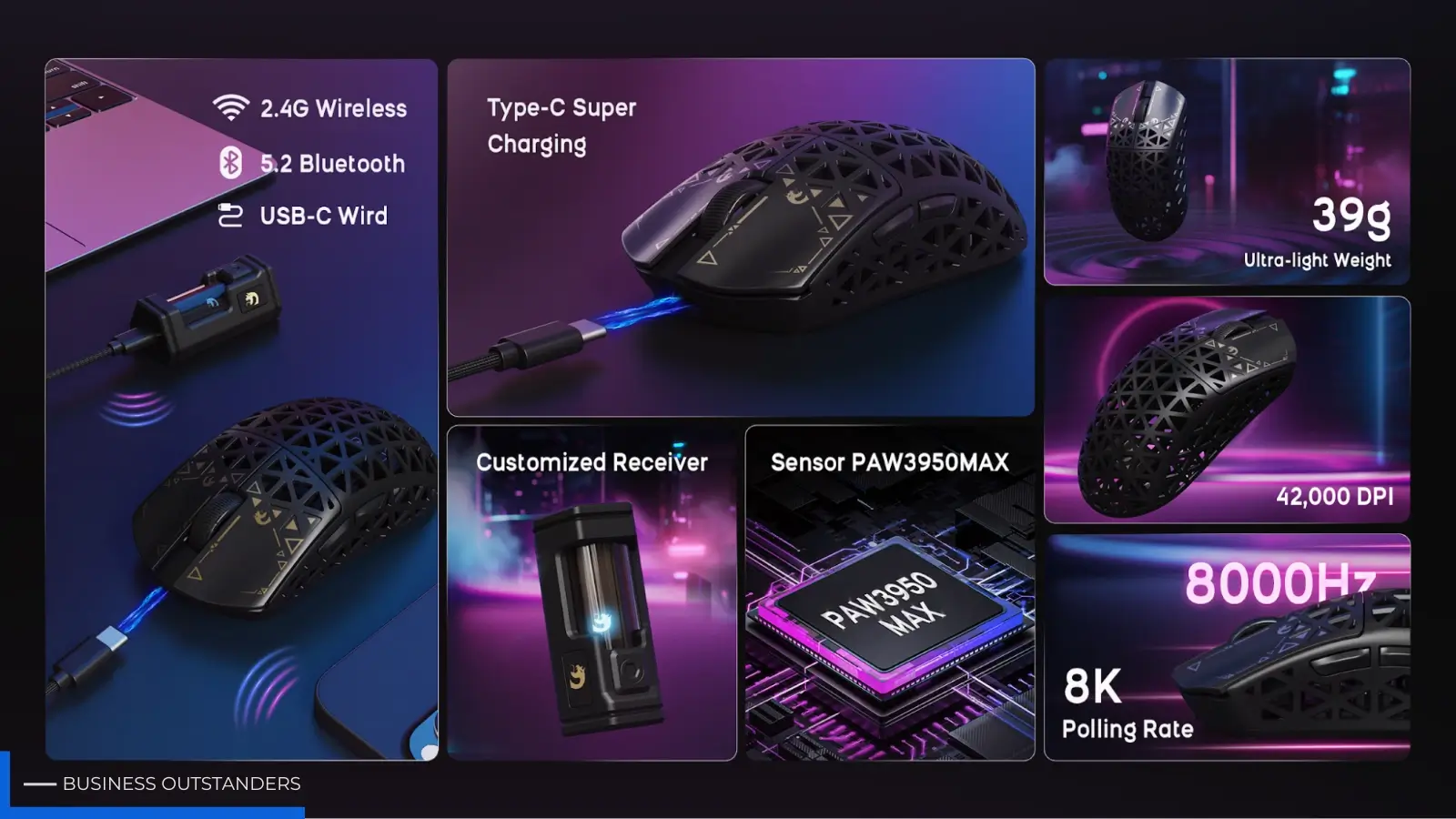
Modern gaming mice primarily use optical sensors that track surface movement through infrared LED illumination and image processing. The two specifications that matter most are DPI (dots per inch), which determines cursor sensitivity, and polling rate, which dictates how frequently the mouse reports its position to your computer. High-speed sensors with polling rates of 1000Hz or higher deliver near-instantaneous responsiveness, eliminating perceptible lag between hand movement and cursor reaction. For competitive gaming, look for sensors offering flawless tracking without acceleration or angle snapping—features that artificially alter your input and undermine muscle memory development.
Lightweight Design for Enhanced Agility
Weight in gaming mice generally ranges from ultra-light models under 60 grams to heavier options exceeding 90 grams. Carbon fiber construction naturally pushes mice toward the lighter end of this spectrum, but raw weight alone doesn't tell the full story. Balance distribution—where that weight sits relative to your grip point—affects how natural the mouse feels during sweeping movements versus precise micro-adjustments. Ergonomic shaping that complements your specific grip style (palm, claw, or fingertip) ensures the lightweight design translates into reduced fatigue rather than diminished control during extended sessions.
Durability and Build Quality
Beyond the carbon fiber shell, examine the components that endure the most stress. Mechanical switches rated for tens of millions of clicks resist the double-clicking issues that plague cheaper alternatives. Scroll wheel encoders should feel crisp and defined without developing looseness over time. For wired models, flexible paracord-style cables prevent drag that counteracts your lightweight mouse's agility, while wireless variants need robust internal construction to protect battery cells and wireless modules from impact damage during transport. Feet material—typically virgin PTFE—also determines glide consistency across thousands of hours of use.
Step-by-Step Guide to Selecting Your Carbon Fiber Gaming Mouse
Knowing what features matter is only half the battle—translating that knowledge into a confident purchase requires a structured approach. Too many gamers fall into the trap of impulse-buying based on brand loyalty or flashy marketing, only to discover weeks later that their new mouse doesn't complement their playstyle. The following step-by-step process transforms an overwhelming decision into a manageable series of focused evaluations, ensuring you invest in a carbon fiber gaming mouse that genuinely serves your competitive needs rather than collecting dust beside a mousepad. Start by looking inward at your own habits before looking outward at available products.
Assessing Your Gaming Style and Needs
Before browsing any product page, spend a week consciously observing how you use your current mouse. Note your grip style by checking where your fingers naturally rest—palm grip users need longer, fuller shells, while fingertip grip players benefit from compact, ultra-light designs. Consider your primary game genres: FPS players typically prefer lower DPI settings with large sweeping motions, demanding lighter mice with excellent glide, whereas MOBA players may prioritize additional buttons and comfort over raw weight savings. Ask yourself how many hours you play daily, whether you attend LAN events requiring transport durability, and whether wrist pain currently limits your sessions. These answers create a personal requirements profile that filters out unsuitable options immediately, narrowing your search to mice that address your specific performance bottlenecks.
Comparing Top Models and Brands
With your requirements profile established, build a comparison framework rather than relying on subjective "best of" lists. Create a simple spreadsheet with columns for sensor model, total weight, shell material composition, connectivity type, and switch brand. Populate it with five to seven candidates that match your grip style and weight preferences. Brands like MAMBASNAKE and other manufacturers specializing in lightweight gaming peripherals often offer carbon fiber options worth evaluating alongside more mainstream competitors. Pay attention to whether a mouse uses genuine carbon fiber in structural components or merely applies a carbon fiber aesthetic finish—the performance difference is substantial. Examine whether wireless gaming mice options in your shortlist use modern low-latency protocols that match or exceed wired performance, as this technology has matured significantly. Cross-reference community forums and professional player setups within your game genre to identify which models have proven themselves under competitive pressure. Look for patterns: if multiple professional players in your preferred title gravitate toward a specific sensor or weight class, that consensus carries more weight than any single review.
Testing and Final Decision-Making
Whenever possible, get your hands on your top candidates before committing. Visit gaming cafes, peripheral stores, or esports events where demo units are available. During testing, perform your typical in-game movements—not just casual desktop browsing—to evaluate how each mouse handles rapid flicks, slow tracking, and sustained use over at least thirty minutes. If hands-on testing isn't feasible, leverage retailer return policies to order two or three finalists and conduct your own comparison at home on your actual gaming surface. Read long-term reviews from users who have logged several months with the mouse, as initial impressions often miss issues like coating wear, switch degradation, or battery life decline that only surface over time. Factor in warranty length and manufacturer reputation for honoring claims, since high-performance gaming equipment represents a meaningful investment. Ultimately, trust the mouse that disappears in your hand—the one you stop thinking about because it simply responds exactly as your brain expects, every single time.
The Role of Wireless Gaming Mice in Modern Gaming
The wireless gaming mouse has undergone a remarkable transformation from a compromise-laden alternative into a legitimate competitive tool that rivals—and sometimes surpasses—its wired counterparts. Early wireless mice suffered from noticeable input lag, inconsistent connectivity, and battery weights that negated any ergonomic benefits. Today's leading wireless protocols deliver report rates matching wired connections at 1000Hz or higher, with some manufacturers pushing into 4000Hz territory where latency becomes physically imperceptible to even the most sensitive professional players. For carbon fiber gaming mouse enthusiasts, wireless options present an especially compelling proposition: combining an already ultralight shell with cable-free movement eliminates the last source of resistance between your hand and the screen. The absence of cable drag means your lightweight gaming equipment performs exactly as intended—no snagging on mousepad edges, no tension pulling against micro-adjustments, and no bungee accessories cluttering your desk. Battery technology has also matured considerably, with modern wireless gaming mice offering 70 to 100 hours of continuous gameplay on a single charge, effectively removing battery anxiety from the equation. However, wireless models do introduce considerations around charging discipline, slightly higher weight from internal batteries, and long-term battery cell degradation that wired alternatives simply avoid. The choice between wired and wireless increasingly comes down to personal workflow preferences rather than performance limitations.
Advantages and Considerations of Wireless Options
Wireless carbon fiber gaming mice excel in scenarios demanding unrestricted movement—particularly for low-sensitivity FPS players who sweep across large mousepads. The clutter-free setup also benefits tournament players who frequently reconfigure stations at LAN events. However, consider that wireless adds internal components contributing a few grams to overall weight, and you'll need charging habits that prevent mid-session power loss. Choose wireless when freedom of movement and clean desk aesthetics rank high on your priorities, but opt for wired if absolute minimum weight matters more than convenience and you prefer zero-maintenance reliability during critical competitive moments.
Elevate Your Competitive Edge with the Right Carbon Fiber Mouse
Choosing the right carbon fiber gaming mouse isn't about chasing the most expensive option or following trends—it's about finding the tool that seamlessly bridges your intentions and on-screen results. Throughout this guide, we've established that carbon fiber's exceptional strength-to-weight ratio delivers the durability and lightweight construction that competitive gamers demand, eliminating the compromise between a robust shell and featherlight agility. The key features worth your attention—high-speed sensors with flawless tracking, balanced weight distribution tailored to your grip style, and build quality that endures thousands of hours of intense play—form the foundation of any worthwhile purchase. By following the step-by-step selection process of assessing your personal gaming habits, systematically comparing candidates against your requirements, and testing finalists under realistic conditions, you transform an overwhelming market into a manageable decision. Whether you choose wired for absolute minimal weight or wireless for unrestricted freedom, the principles remain the same: prioritize performance that matches your playstyle, invest in construction that lasts, and select equipment that disappears from your awareness so you can focus entirely on winning. Take these insights, apply them deliberately, and equip yourself with a carbon fiber gaming mouse that genuinely elevates your competitive potential. `
Also Read: The Pursuit of Performance: Building Custom Gaming PCs
Business Outstanders brings you sharp insights on tech, business, entrepreneurship, law, crypto, and more. We uncover what’s next. Stay updated, sign up for our newsletter and be part of the future!