Playrings, a subsidiary of Wemade Play, intends to actively enter overseas markets in 2026, simultaneously developing two channels. The first is related to B2B, where the company expects to earn revenue by supplying content to third-party platforms. The second pertains to B2C, where the focus is on releasing new games and expanding the product line.
On February 6, Playrings announced that it plans to begin international expansion at full scale this year. The announcement became the first new initiative presented by the team of co-CEOs Oh Sunho and Ahn Byunghwan, who took office last year, and set a more accelerated pace of international growth.
Entering B2B through iGaming and Exporting Slot Content
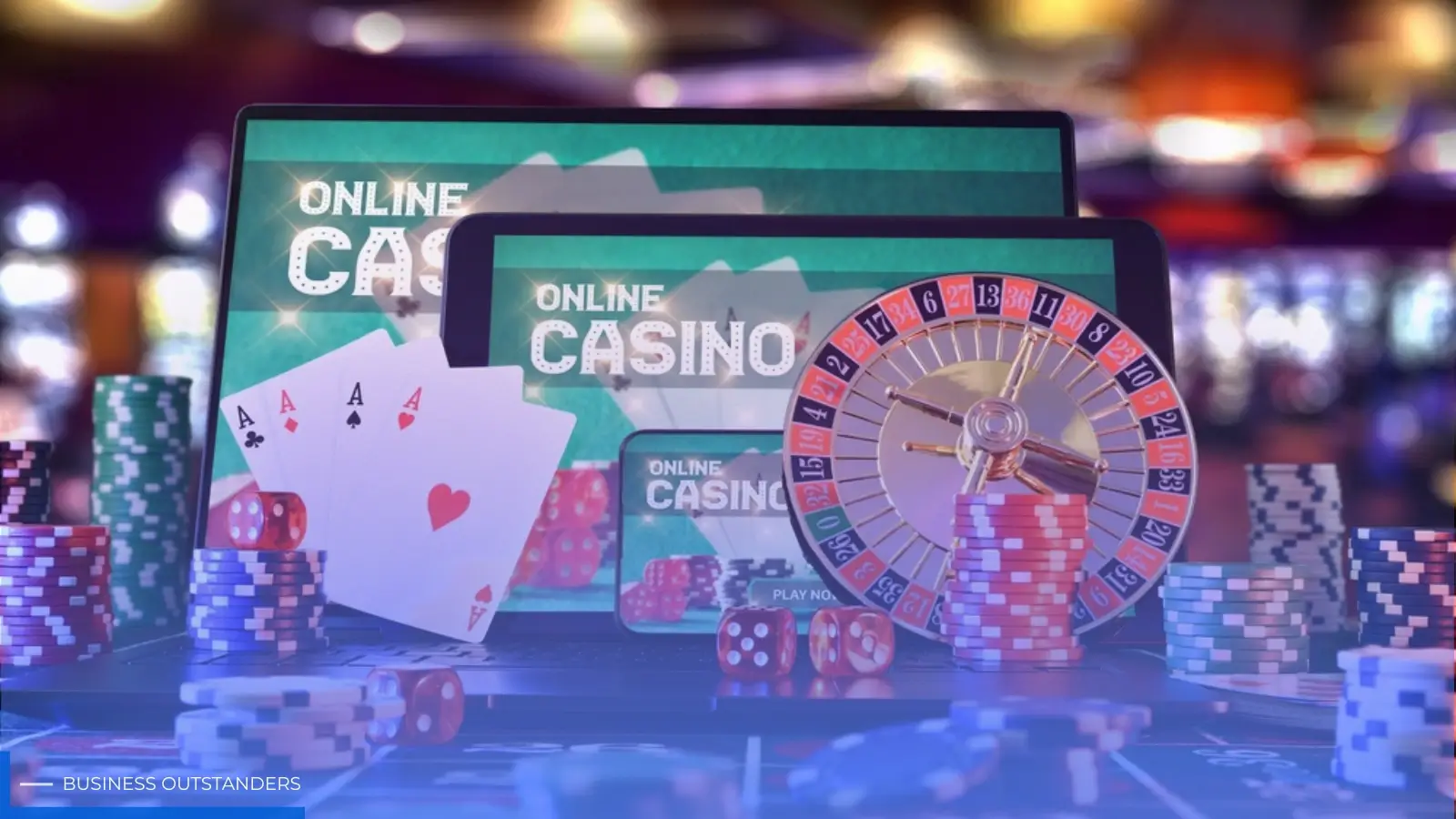
The key element of the B2B strategy boils down to supplying slot content for iGaming platforms. iGaming usually refers to the segment of regulated online entertainment with monetary monetization in licensed markets, where partner distribution networks and compliance requirements play a special role.
Playrings relies on its existing expertise and the content library accumulated in the social casino genre. The company develops and manages five games of this profile and has a catalog of more than 500 slot titles, which allows it to offer a scalable proposal for partners rather than just a single-product experiment.
The market assessment and geography in the statement are presented in broad strokes. The size of the iGaming market in Europe and North America was estimated at about $100 billion last year. This is approximately 140 trillion won. As a practical implementation mechanism, Playrings names cooperation with certified distribution partners who help supply slots, pass necessary checks, and build sales in local markets.
At the same time, there are aspects in this scheme that have not been fully detailed. The public statement does not specify particular partners, the list of jurisdictions, or which types of licenses and technical requirements will be prioritized, and in iGaming, these details often determine the speed of launch and project economics.
Slotopolis as a Bet on B2C and Brand Recognition
The global release of Slotopolis is scheduled for the third quarter. The game is announced as a new Playrings release in the social casino genre, meaning a format where gaming experience and progress are usually more important than direct cash prizes, although the mechanics may resemble classic slots.
Visually, Slotopolis is designed with a casual approach aimed at a broad audience and an intuitive user experience. The emphasis is on simple control through spinning the wheel, as well as a hybrid structure that combines slot gameplay and collectible content tied to a character in the form of a spinning top. This mechanic appears to be an attempt to add an additional layer of engagement to the familiar cycle of bets and rewards, similar to collecting in mobile games.
For the B2C direction, it is also important that new titles can serve as a showcase for the brand in the global market. In a highly competitive environment among mobile entertainment, recognition is often shaped not by strategic announcements, but by the regular release of products that get into app store recommendations and retain the audience.
After Slotopolis, the Company Promises Genre Expansion
Playrings separately emphasizes the scale of its operational experience. The company refers to its track record of managing services used by more than 1 million people daily, and this argument is usually seen as a marker of process maturity, including analytics, support, content updates, and work on player retention.
Further development of the B2C portfolio is described as going beyond social casino and betting on other genres. There are plans to launch card and puzzle games with competitive elements on the global market, where competition is built around rankings, matches, and events. In practice, this may mean several parallel product hypotheses.
-
card games as a field for duels and tournament modes
-
puzzle games as a more mass-market genre with a low barrier to entry
-
competitive mechanics as a way to retain users through leagues and seasons
At the same time, questions remain that usually arise during diversification. It is not specified whether the genre expansion will rely on in-house development or partnerships, nor how the company plans to allocate marketing budgets between the new social casino release and experiments in other categories.
Another question is the assortment of card games—whether it will be classic or will include new titles that have sparked a surge of interest among players. One such novelty is Andar Bahar. Players are increasingly interested in authentic entertainment, so the high level of interest in the traditional Indian game is understandable.
This is supported by the fact that developers offer not only a traditional browser version but also a mobile app. Representatives of the site reviewing the best casinos apps with Andar Bahar, available if you click on this page, provided us with information about the software’s demand. According to their data, more than half of players choose the Andar Bahar mobile app.
However, the game remains popular in both formats. Therefore, it may attract the developer’s attention, although there is no exact information about this yet.
Revenue Expectations and Factors of Uncertainty
Playrings expects that slot supplies for iGaming within the B2B segment and the expansion of the lineup of releases in B2C will begin to deliver noticeable results as early as this year and will be reflected in the financial indicators. Playrings director Jeong Wonsok stated that the company expects to establish new growth drivers in the market, including B2B, which will supply slots for iGaming, and B2C, which will expand the game lineup, and that their impact should become visible in revenue.
The realism of these expectations will depend on several variables, which the company refers to only indirectly. In the B2B segment, the pace of contract signing and the terms of revenue sharing with operators and aggregators are important, as well as the regulatory frameworks in specific markets. In the B2C segment, the result is often determined by user acquisition cost and retention quality, and even strong game mechanics may require significant investments in marketing and content updates.
Business Outstanders brings you sharp insights on tech, business, entrepreneurship, law, crypto, and more. We uncover what’s next. Stay updated, sign up for our newsletter and be part of the future!