On February 6, Playrings, a subsidiary of Wemade Play, announced plans to expand more aggressively into overseas markets as early as 2026. The company describes the strategy as a two-pronged approach: corporate content sales to partners and the release of new games for end users.
The initiative became the first publicly articulated business plan under co-CEOs Oh Seongho and Ahn Byeonghwan, who took up their posts last year. Within Playrings’ portfolio, this means not only an increase in the number of releases, but also an attempt to shift in scale—from player-facing products to industry-facing products.
iGaming as a channel for exporting content
On the corporate track, the company is betting on iGaming, i.e., the legal real-money online gambling market, which operates under licenses and is strictly regulated. For the studio, this is not an app-store storefront, but a supply chain in which content is integrated into operators’ platforms through distributors and aggregators.
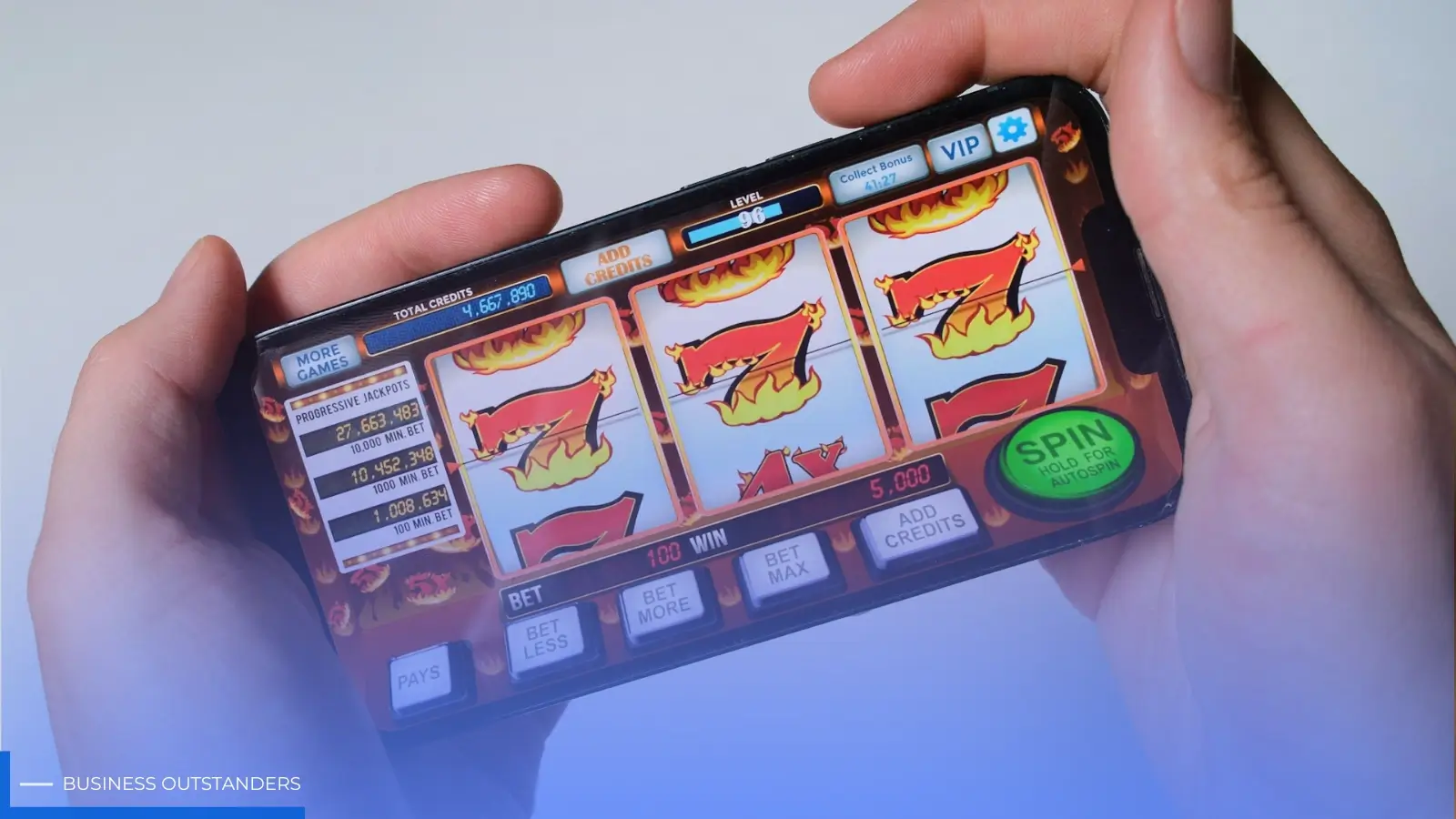
Playrings emphasizes that it is ready to leverage its existing base. The company cites five live social casino games and a library of more than 500 slot titles. Social casino in this case means games with slot-style mechanics, but without real-money withdrawals; this model is often used as a proving ground for retention and monetization without requiring gambling licenses.
To enter Europe and North America, the company plans to work with certified distribution partners. The release also provides an estimate of the iGaming market size in these regions at about $100 billion, which corresponds to around KRW 140 trillion, and this explains the interest in a B2B model, where even niche content can generate steady royalties with broad operator reach.
What exactly is sold in the B2B model
In industry terms, exporting slots means not simply translating/localizing a game into another language, but supplying individual game units that must meet platform and regulatory requirements. In practice, this is more like supplying modules than a one-off release.
The weak point of such a strategy is that success depends on factors the studio only partially controls. For iGaming, RNG (random number generator) certification, the legal compliance of the content, compatibility with technical standards, and commercial terms dictated by major operators all matter. Against this backdrop, relying on partners looks logical, but it leaves open the question of margin share and how quickly it will be possible to secure a place in catalogs.
Among the stated core building blocks of Playrings, several blocks can be highlighted:
-
content scale—more than 500 slot titles as a base for bundled deliveries
-
experience operating social casino projects and working with retention metrics
-
reliance on certified distribution channels in regulated jurisdictions
Slotopolis as the flagship of the consumer-facing segment
In parallel, the company is developing its B2C direction, where the product is no longer content for operators, but games for a broad audience. The central release is named Slotopolis, whose global launch is scheduled for the third quarter.
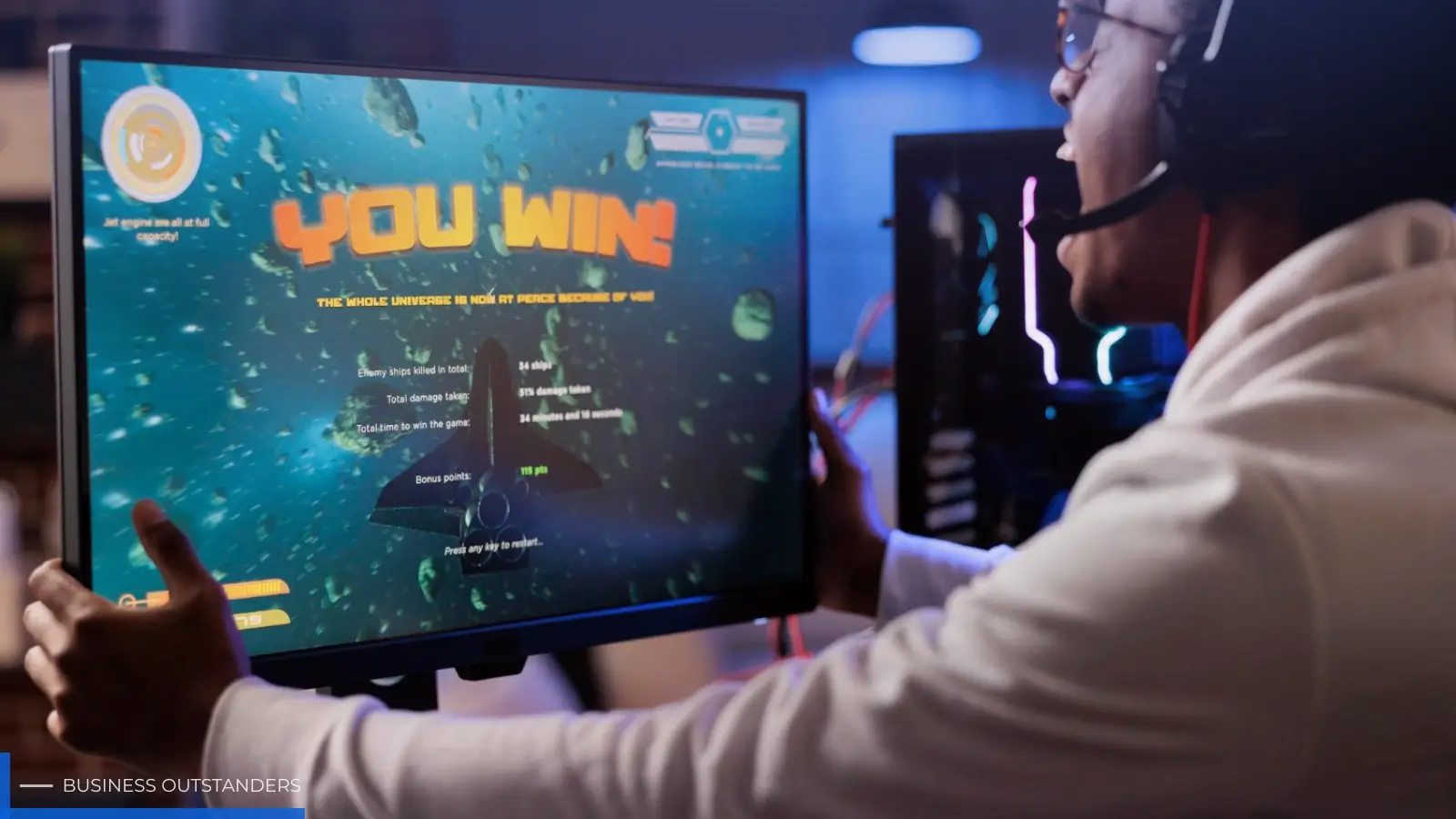
Slotopolis is described as a social casino game with a casual visual style and an intuitive user experience. The company emphasizes a combination of slot mechanics and collectible content, as well as a central character shaped like a spinning top. Controls are built around a simple spin of the wheel, which fits the current trend toward short play sessions and a low barrier to entry.
However, the social casino genre remains competitive, especially in Western markets, where major publishers with heavy user acquisition spending dominate. In such an environment, not only visuals and mechanics matter, but also the game economy, event frequency, the quality of live ops, and the ability to retain users without intrusive monetization.
The main competitor to this genre is considered to be crash games, with their 10-second rounds and ultra-simple gameplay. This is especially evident in the case of flagship games like Aviator or Jet-X, which became a hit. Especially in the mobile segment. The fact that promo codes on the bestaviatorapp.com are available in a wide variety points to a broader trend. It is that a large number of gambling operators use incentives to draw players’ attention to apps featuring next-generation games. So far, there is no basis to say that they are displacing established genres, but it is also hard to dispute their popularity.
Diversification of genres and a bet on a daily audience
Playrings separately notes that more than 1 million people use its services daily. In the gaming business, this figure is usually interpreted as evidence of a viable operating model, from analytics and content planning to support and marketing.
On this basis, the company intends to expand its portfolio beyond slots, bringing card and puzzle games with competitive mechanics to the global market. Competitiveness in mobile products most often means leaderboards, tournaments, duels, and clans—elements that increase engagement and boost return visits to the app.
Management expectations and unanswered questions
Playrings Director Jeon Wonseok said that the company is counting on establishing new growth drivers as early as this year, both in the corporate segment through the supply of slots for iGaming and in the consumer segment through expanding the game lineup. He added that the impact of these initiatives should become visible in revenue.
At the same time, there are still gaps in the publicly available details that are important for assessing prospects. Specific markets and licensed partners have not been named, the monetization model for B2B deliveries has not been disclosed, and targets for the revenue share between the directions have not been clarified. In an environment where iGaming regulation varies by country and player acquisition costs in the mobile segment continue to rise, these are precisely the parameters that usually become key to understanding the strategy’s true sustainability.
Business Outstanders brings you sharp insights on tech, business, entrepreneurship, law, crypto, and more. We uncover what’s next. Stay updated, sign up for our newsletter and be part of the future!