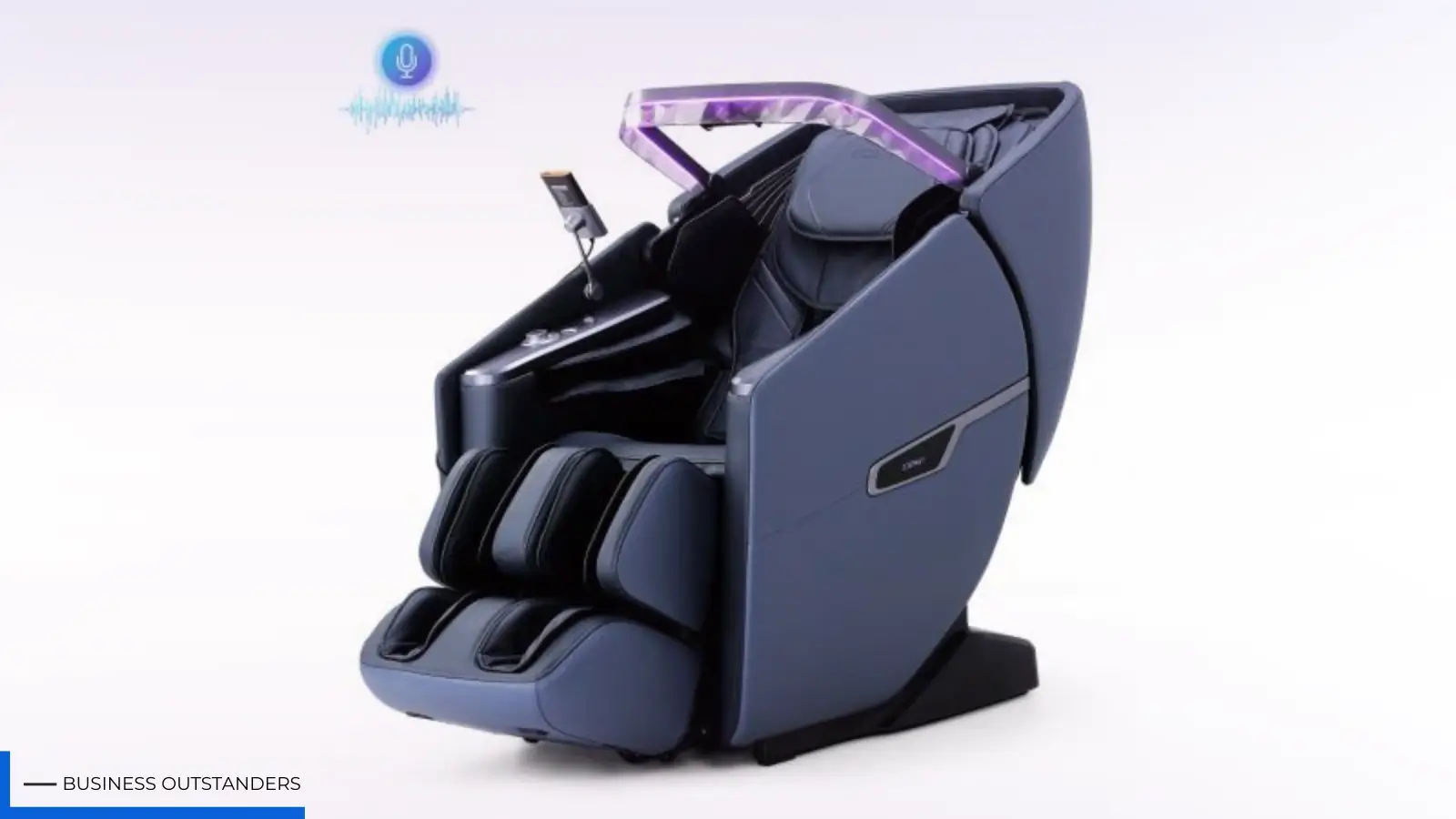
After a long day of work, few things feel as essential as relief from the tension knotted in your shoulders and the ache settling into your lower back. Stress and physical discomfort are universal experiences, and the search for effective recovery solutions has led millions of people to bring the spa experience home. Massage chairs have evolved from simple vibrating recliners into sophisticated therapeutic devices capable of delivering targeted relief. But with options ranging from a few hundred dollars to several thousand, a critical question emerges: do high-end massage chairs deliver meaningfully superior health benefits compared to budget-friendly electric massage chairs? For health-conscious individuals weighing this investment, the answer isn't always straightforward. The technology gap between price tiers has narrowed in some areas while widening in others. Understanding exactly where your money goes—and which features translate into real therapeutic outcomes—can mean the difference between a purchase that gathers dust and one that becomes central to your daily wellness routine.
Essential Features of Massage Chairs: What Drives the Health Benefits?
The therapeutic value of any massage chair ultimately comes down to its mechanical components and how intelligently they work together. A chair's ability to relieve pain, reduce stress, or improve flexibility isn't determined by its brand name or aesthetic design—it's driven by the quality and sophistication of its core systems. Three primary elements define a massage chair's therapeutic potential: the roller mechanism that mimics human hands, the airbag system that delivers compression therapy, and the programmed sequences that coordinate these components into cohesive treatment sessions. Heating elements add another therapeutic dimension, penetrating muscles to enhance relaxation and blood flow. Understanding how these features function individually and in combination provides the foundation for evaluating whether a premium price tag translates into premium health outcomes. The sections that follow break down each component so you can assess which capabilities matter most for your specific wellness goals and which tier of chair delivers them effectively.
Core Massage Mechanisms: Rollers, Airbags, and Range of Motion
Rollers are the heart of every massage chair, and their classification—2D, 3D, or 4D—describes how they move and how deeply they can work into tissue. A 2D roller travels up and down along the spine and side to side, providing surface-level kneading suitable for general relaxation. Stepping up to 3D adds a third dimension: the rollers can protrude outward from the track, pressing deeper into muscle tissue to reach knots and trigger points that 2D systems simply glide over. The 4D designation introduces variable speed control within a single stroke, allowing the roller to accelerate into a tight spot and slow through sensitive areas, closely replicating the intuitive pressure changes of a skilled massage therapist's hands.
Airbags complement the rollers by delivering compression therapy to areas rollers cannot easily reach—calves, arms, hips, and shoulders. Budget models typically include 15 to 30 airbags concentrated around the legs and arms, while high-end chairs may feature 50 or more strategically placed throughout the entire body. More airbags mean more precise compression sequences and better stretching capabilities. The track design determines how much of your spine receives roller attention. An S-track follows the natural curvature of your upper and mid-back, while an L-track extends that coverage down through the lumbar region and under the glutes, addressing the full posterior chain where most chronic tension accumulates.
Targeted Programs and Customization for Specific Health Needs
Pre-set programs represent the collective expertise that manufacturers build into their chairs, offering structured sessions designed for specific outcomes. Common programs include deep tissue recovery for post-workout soreness, gentle stretching routines that decompress the spine, shiatsu sequences targeting pressure points along energy meridians, and relaxation modes that prioritize slow rhythmic movements to activate the parasympathetic nervous system. Some chairs include morning energizer programs with brisk percussion and evening wind-down sessions with gentle rocking motions.
Where chairs truly differentiate themselves is in manual customization. Basic models allow you to select intensity levels and choose between a handful of massage styles. More advanced chairs let you pinpoint exact areas of focus, adjust roller width to match your frame, set independent intensity for upper and lower body, and save personalized profiles. This granularity matters because therapeutic needs are deeply individual—someone managing sciatica requires entirely different pressure patterns and focus zones than someone seeking relief from tension headaches. The ability to fine-tune speed, depth, area, and technique means the chair adapts to your body rather than forcing your body to accept a generic routine. Over time, this personalization compounds into more consistent therapeutic results because each session addresses your specific patterns of tension and discomfort rather than delivering a one-size-fits-all experience.
A Deep Dive into the Health Benefits of Massage Chairs
Knowing what's inside a massage chair is only half the equation—what matters most is how those mechanical components translate into measurable improvements in your physical and mental well-being. Whether you're managing chronic pain, combating the cumulative effects of workplace stress, or trying to maintain mobility as you age, massage chairs deliver distinct categories of health benefits. The following breakdown examines three critical outcome areas where regular massage chair use makes a tangible difference, helping you identify which benefits align with your priorities.
Pain Relief and Muscle Recovery
Chronic back pain affects an estimated 80% of adults at some point in their lives, and massage chairs address this through a combination of deep-tissue roller work and localized heat therapy. When 3D or 4D rollers press into paraspinal muscles—the bands running alongside your spine—they break up adhesions and increase localized blood flow, delivering oxygen and nutrients that accelerate tissue repair. Heat elements, typically positioned in the lumbar region, penetrate two to three centimeters into muscle tissue, reducing stiffness and making tight fibers more pliable before the rollers work through them. This combination mimics the warm-up and manipulation sequence a physical therapist might use.
For leg recovery, particularly after exercise or long periods of standing, air compression plays the dominant role. Sequential inflation patterns in calf and foot airbags create a milking action that pushes metabolic waste products like lactic acid back toward the core for processing. This is especially valuable for athletes or anyone whose daily routine involves repetitive lower-body strain. The difference between a chair that merely vibrates and one that delivers true compression therapy shows up clearly in recovery time—users of compression-equipped chairs frequently report reduced next-day soreness and faster return to baseline comfort.
Stress Reduction and Improved Circulation
The physiological stress response involves elevated cortisol, increased heart rate, and muscle guarding—all of which a well-designed massage therapy session can reverse. Full-body massage activates the parasympathetic nervous system, triggering what researchers call the relaxation response. Heart rate slows, blood pressure drops, and cortisol levels decrease measurably within 15 to 20 minutes of consistent rhythmic manipulation. Chairs that combine slow kneading with gentle rocking motions amplify this effect by engaging the vestibular system, the same mechanism that makes rocking soothing from infancy.
Circulation benefits extend beyond simple relaxation. Compression therapy creates a mechanical pump effect that assists venous return—the movement of deoxygenated blood back to the heart. For individuals who sit for extended periods or those with mild edema in the lower extremities, this pumping action reduces swelling and delivers fresh oxygenated blood to oxygen-starved tissues. Improved lymphatic drainage accompanies better blood flow, helping the body clear inflammatory byproducts more efficiently. Over weeks of consistent use, these circulatory improvements compound, contributing to better sleep quality, reduced inflammation markers, and an overall sense of physical vitality that passive rest alone cannot achieve.
Posture Support and Enhanced Flexibility
Modern sedentary lifestyles create predictable postural distortions: forward head position, rounded shoulders, and compressed lumbar curves. Massage chairs counteract these patterns through stretching programs that gently extend the spine while airbags pin the shoulders or hips in place. Zero-gravity positioning—where the legs elevate above the heart and the torso reclines to approximately 170 degrees—decompresses spinal discs by removing gravitational load. In this position, the space between vertebrae increases slightly, reducing pressure on nerves and allowing nutrient-rich fluid to rehydrate the discs.
Regular stretching sequences that combine hip rotation with spinal elongation gradually restore range of motion that tightness has stolen over months or years of poor positioning. The airbag systems in more capable chairs can grip your thighs and calves while the backrest reclines, creating traction that lengthens the hip flexors—muscles notoriously shortened by prolonged sitting. Flexibility gains from consistent chair use don't replace active stretching or yoga, but they provide a passive supplement that maintains progress between workouts. For office workers who spend eight or more hours seated daily, even 15 minutes of stretch-focused programming in the evening can meaningfully reduce the cumulative postural damage that leads to chronic discomfort and restricted movement over time.
Massage Chair Comparison: High-End vs. Budget Models
Now that you understand both the mechanical components and the health outcomes they produce, the practical question becomes clear: which tier of massage chair delivers the results you need? Rather than framing this as a simple "more expensive equals better" equation, the following comparison breaks down what each category genuinely offers and where the meaningful gaps exist. This head-to-head analysis is structured to help health-conscious buyers identify exactly which investment level matches their therapeutic priorities and lifestyle demands.
The Premium Experience: What You Get with High-End Massage Chairs
High-end massage chairs distinguish themselves through technological sophistication that directly impacts therapeutic precision. The inclusion of 4D roller systems means the chair can vary pressure dynamically within a single stroke, replicating the intuitive adjustments a professional therapist makes when encountering a particularly stubborn knot versus gliding over relaxed tissue. Extended L-track designs ensure continuous roller contact from the neck through the glutes, eliminating dead zones where tension often hides unaddressed.
Advanced body scanning technology represents perhaps the most significant premium differentiator. Using sensors to map your spine's unique curvature, shoulder width, and pressure points, these chairs automatically calibrate every session to your anatomy. Some models incorporate AI that learns your preferences over time, progressively refining intensity and focus areas based on feedback patterns. The program libraries in premium chairs often include condition-specific protocols developed in consultation with physiotherapists—targeting issues like sciatica, cervical tension, or post-surgical recovery with clinical-grade sequencing. Build quality also matters therapeutically: higher-grade motors maintain consistent pressure throughout longer sessions without overheating, and premium upholstery materials facilitate better heat transfer from integrated warming elements.
Choosing a Budget-Friendly Electric Massage Chair
Budget electric massage chairs have improved dramatically, and today's entry-level models deliver genuine therapeutic value rather than mere novelty. Retailers like Costway-AU offer a range of affordable massage chairs that now feature 2D or basic 3D rollers on an S-track, providing effective coverage across the upper and mid-back where the majority of tension-related discomfort concentrates. While they lack the depth variability of 4D systems, consistent 3D roller pressure still breaks up superficial adhesions and stimulates blood flow effectively for general maintenance.
Pre-set programs in budget models typically cover the foundational wellness categories—relaxation, kneading, tapping, and basic stretching—without the granular customization of premium alternatives. For someone whose primary goal is daily stress reduction and moderate muscle relief rather than targeted clinical therapy, these programs deliver meaningful results. The key considerations when evaluating budget options involve build durability and motor quality, since lower-cost components may lose effectiveness or develop noise issues with daily use over several years. The best value in this tier comes from prioritizing chairs that include heat therapy in the lumbar region, at least basic zero-gravity recline positioning, and sufficient airbag coverage in the calves and feet—these three features deliver outsized health returns relative to their cost and address the most common complaints of sedentary adults.
Making Your Choice: A Practical Framework for Comparison
Rather than getting lost in specification sheets, use this structured approach to identify the right chair for your situation. First, define your primary health goal with specificity. There's a meaningful difference between "I want to relax after work" and "I need to manage chronic lower back pain that disrupts my sleep." The former points toward a solid budget chair with good programming; the latter demands the deeper tissue access and lumbar-focused L-track coverage found in higher-tier models.
Second, match the features from the earlier breakdown directly to that goal. If circulation improvement is your priority, airbag count and sequential compression quality matter more than roller dimensionality. If you're addressing specific trigger points or recovering from athletic training, 4D roller technology and body scanning become essential rather than luxury additions. Third, compare your shortlisted models specifically on the criteria that emerged from steps one and two—ignore features that don't serve your identified need, regardless of how impressive they sound in marketing materials. Finally, factor in long-term value by examining warranty coverage, motor ratings for daily use, and whether the chair's customization allows it to adapt as your needs evolve. A chair that serves you well for seven years at a higher initial cost often represents better health-per-dollar value than replacing a budget model every three years.
Aligning Your Health Priorities with the Right Massage Chair Investment
Both high-end and budget massage chairs deliver genuine health benefits—the distinction lies not in whether they work, but in how precisely and comprehensively they address your specific needs. High-end models excel when you require targeted therapeutic intervention: managing chronic pain conditions, recovering from athletic demands, or addressing complex postural issues that need adaptive, deep-tissue precision. Their advanced scanning, 4D roller systems, and condition-specific programming create an experience that approaches professional bodywork. Budget-friendly electric massage chairs, meanwhile, provide a solid foundation for daily stress management, general muscle maintenance, and circulatory support that meaningfully improves quality of life for the majority of users seeking preventive wellness care.
The smartest decision isn't automatically choosing the most expensive or the most affordable option—it's aligning the chair's capabilities with your clearly defined health priorities. A budget chair used daily for stress reduction delivers more cumulative benefit than a premium chair used sporadically. Whatever tier you choose, treat the purchase as a long-term health investment. Evaluate warranty terms, motor durability for daily use, and whether the chair's feature set will remain relevant as your body's needs evolve over the coming years.
Business Outstanders brings you sharp insights on tech, business, entrepreneurship, law, crypto, and more. We uncover what’s next. Stay updated, sign up for our newsletter and be part of the future!