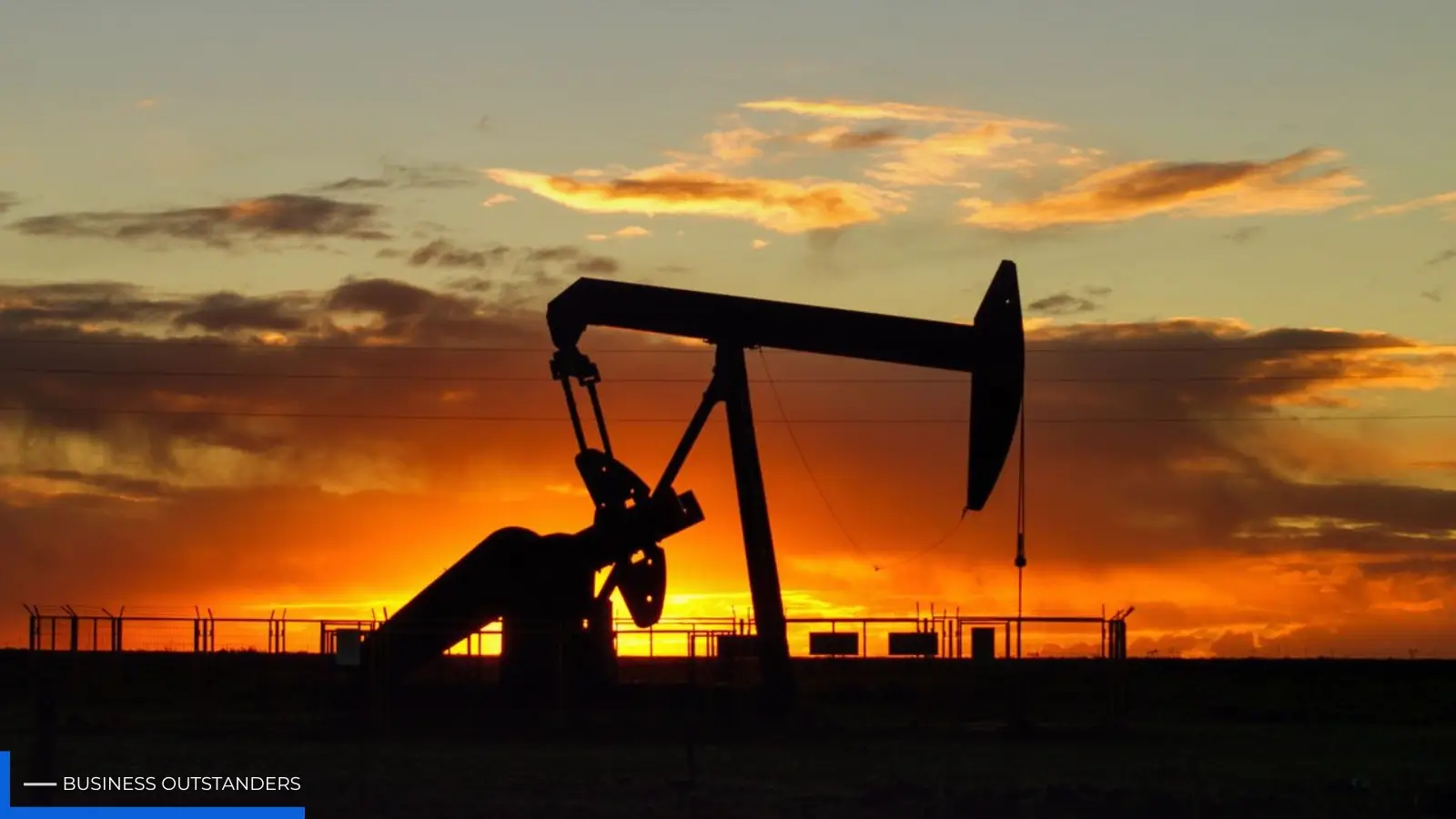
In places like Texas and other oil-rich regions of the United States, owning mineral rights can feel like a steady source of passive income. But the reality is, many owners do not earn what their assets are truly worth. Payments can be missed, lease terms can be weaker than expected, and small errors in reporting can slowly reduce income over time.
Royalty income from oil and gas mineral rights is not just about ownership. It is about how closely those rights are monitored and managed. A few informed decisions can significantly improve what lands in your account each month.
Here are practical ways to make sure your mineral rights are actually performing at their full value.
1. Understand How Your Royalty Payments Are Actually Calculated
Royalty income begins with production, but what you receive is shaped by several layers beneath it. Operators calculate payments based on production volume, market pricing, and the royalty percentage written in your lease. In some cases, post-production costs are also deducted before you see your final payment.
This is why two owners in the same field can receive very different royalty income amounts. Even small changes in price adjustments or deductions can affect the final number.
In practice, many mineral owners never fully verify how these calculations are applied. That gap is often where income loss begins, especially over long production periods.
2. Get Professional Support When Managing Complex Mineral Portfolios
As mineral rights become more complex, especially when inherited or spread across multiple counties and operators, it becomes harder to track performance accurately. Payment statements, lease variations, and production reports can quickly turn into a full-time responsibility.
This is where structured oversight becomes important. For owners dealing with multiple assets or unclear reporting, working with professionals who specialize in mineral management can help clarify royalty records, track lease obligations, and identify potential issues before they go unnoticed. Professional support is not about replacing ownership decisions. In practice, mineral management service providers like Valor help owners bring scattered documentation and statements into a more organized structure, which can make it easier to spot inconsistencies in income over time.
What we’ve seen is that once reporting becomes clearer, many owners discover inconsistencies they were never aware of before. That alone can make a meaningful difference in long-term royalty performance.
3. Stay Actively Involved in Lease Terms and Ongoing Agreements
Lease agreements are often signed early in the process and then left untouched for years, even though they continue to shape how much income is actually earned. These contracts determine royalty percentages, what deductions are allowed, and how long production can continue under specific conditions.
Over time, those small details quietly define the overall earning potential of a mineral asset. The structure of a lease has a direct impact on long-term income, especially when production continues over many years without any review of the original terms.
This is why reviewing lease agreements from time to time still matters. Even after production begins, it helps to confirm that operators are working within the agreed terms and that no outdated clauses are reducing revenue in ways that are easy to miss.
4. Keep Track of Production and Payment Statements Regularly
Monthly or quarterly statements are one of the most important tools mineral owners have, but they are also commonly ignored. These reports show production volumes, pricing details, and any deductions applied before payment is issued.
Mistakes do happen. Volumes can be estimated incorrectly, deductions may not match lease terms, or well data can be misclassified. Even small errors, repeated over time, can quietly reduce overall income.
Consistency is key here. Owners who regularly review their statements are more likely to catch issues early before they become long-term losses.
5. Avoid Passive Ownership Without Oversight
It is common for mineral owners to assume that payments are automatically accurate as long as production continues. But oil and gas accounting systems are complex, and operators handle large volumes of accounts at once.
Without oversight, small issues can go unnoticed for long periods. Industry groups and royalty-owner associations note that underpayment and unclaimed royalties remain a recurring issue for mineral owners, especially in complex or inherited portfolios. That highlights how often revenue is left uncollected simply because no one is actively reviewing it.
Even basic oversight, such as checking statements or confirming production data, can help reduce this risk significantly over time.
Conclusion
Maximizing royalty income from oil and gas mineral rights is not about luck or waiting for production levels to increase. It comes down to understanding how payments are structured, staying engaged with lease agreements, and making sure statements are reviewed consistently.
With the right systems in place, mineral rights can perform much closer to their real value. And when the portfolio becomes too complex to manage alone, structured support can help ensure that income is not quietly slipping away in the background.
Business Outstanders brings you sharp insights on tech, business, entrepreneurship, law, crypto, and more. We uncover what’s next. Stay updated, sign up for our newsletter and be part of the future!