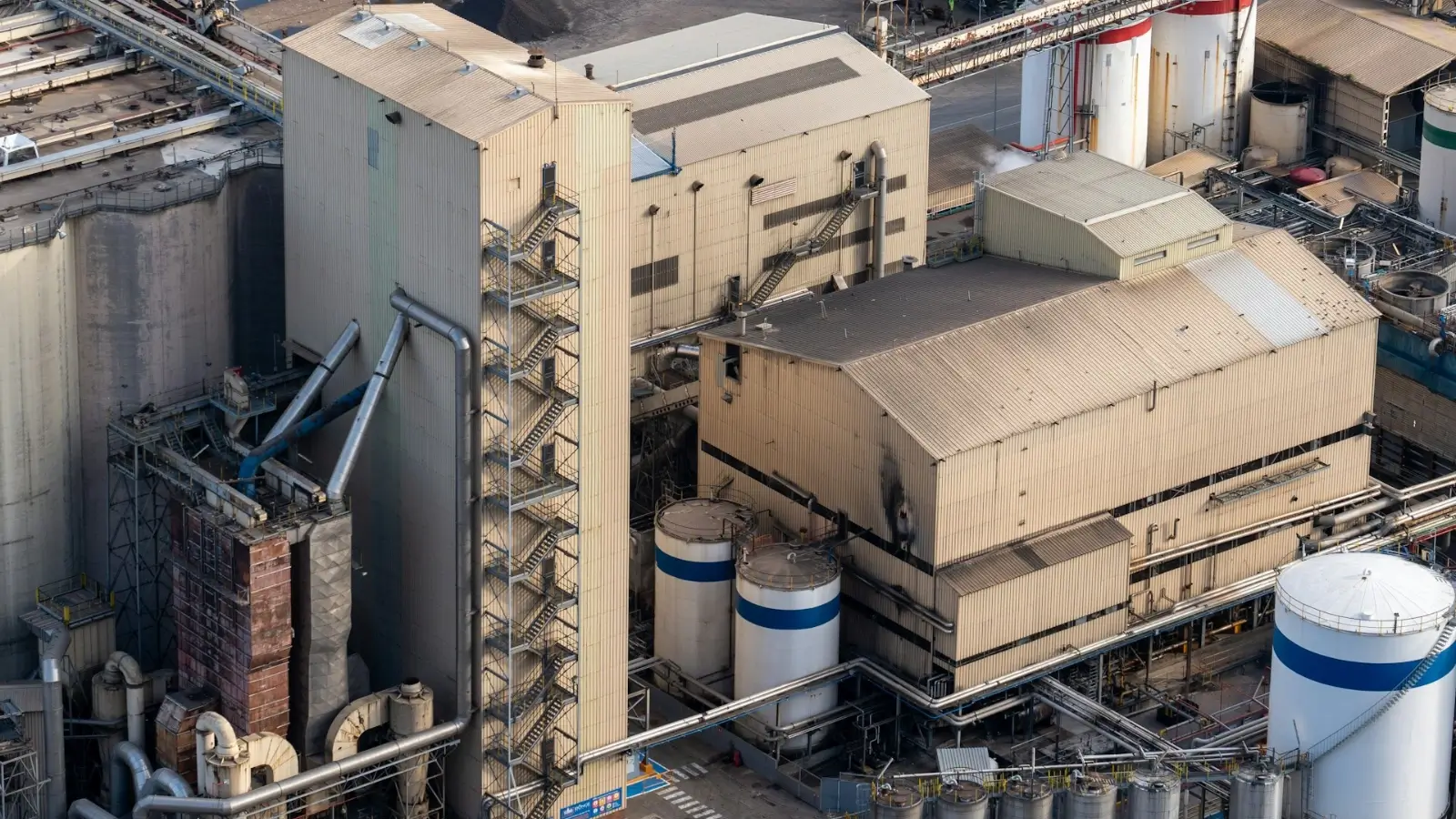
Decommissioning industrial or energy sites is a critical process that ensures the safe closure and dismantling of facilities while protecting the environment, workers, and communities. While decommissioning is necessary to prevent long-term hazards, it is accompanied by complex challenges and risks. Each phase must be carefully planned, executed, and monitored to achieve compliance with regulatory requirements and maintain safety standards. This article explores the key challenges and risks associated with decommissioning industrial and energy sites, highlighting the environmental, safety, and regulatory aspects, with references to decommissioning services and the Promethean brand.
Understanding Decommissioning
Decommissioning refers to the systematic process of safely retiring a facility or infrastructure, such as power plants, chemical plants, or oil and gas installations. The process typically involves site assessment, removal of hazardous materials, dismantling of structures, and site remediation. The goal is to leave the site safe for future use, either for redevelopment or as a restored natural area.
Decommissioning services provide specialized expertise and solutions for planning and executing these complex projects, ensuring that all technical, environmental, and regulatory requirements are met. From risk assessments to waste management, these services are vital for preventing environmental contamination and ensuring the safety of personnel.
Environmental Challenges in Decommissioning
Decommissioning industrial or energy sites can pose significant environmental risks. Addressing these challenges requires careful planning and strict adherence to environmental standards.
1. Contamination of Soil and Groundwater
One of the primary environmental risks is the contamination of soil and groundwater from chemicals, fuels, or other hazardous substances. Leaks or residues from industrial processes can remain in the soil for decades if not properly removed, leading to long-term ecological damage.
Decommissioning services often include detailed environmental assessments to identify contamination levels, followed by appropriate remediation strategies. These may involve soil excavation, chemical neutralization, or bioremediation techniques.
2. Airborne Pollutants and Emissions
During the dismantling and demolition phases, dust, asbestos fibers, and other airborne pollutants can be released. Without proper containment measures, these emissions can affect local communities and ecosystems.
Experts in decommissioning services use air monitoring systems, dust suppression techniques, and protective barriers to minimize airborne pollution. Careful planning ensures that demolition activities comply with local environmental standards.
3. Waste Management and Disposal
Managing waste from decommissioned sites is a significant challenge. Industrial facilities often contain large quantities of hazardous waste, including metals, chemicals, and radioactive materials in some energy sites.
Specialized decommissioning services provide proper segregation, transportation, and disposal of hazardous and non-hazardous waste. They also ensure compliance with environmental laws and reduce the risk of future liabilities.
Safety Challenges in Decommissioning
Worker and public safety is a top priority in decommissioning projects. Industrial and energy sites often contain complex machinery, hazardous substances, and structural risks, all of which demand strict safety protocols.
1. Exposure to Hazardous Substances
Workers may encounter asbestos, chemicals, or radioactive materials during decommissioning. Prolonged exposure to these substances can lead to serious health problems.
Safety measures include personal protective equipment (PPE), controlled access to high-risk areas, and comprehensive training programs, all supported by operational clarity under high-risk conditions. Decommissioning services are equipped with specialized safety teams to monitor and manage these risks.
2. Structural Hazards and Demolition Risks
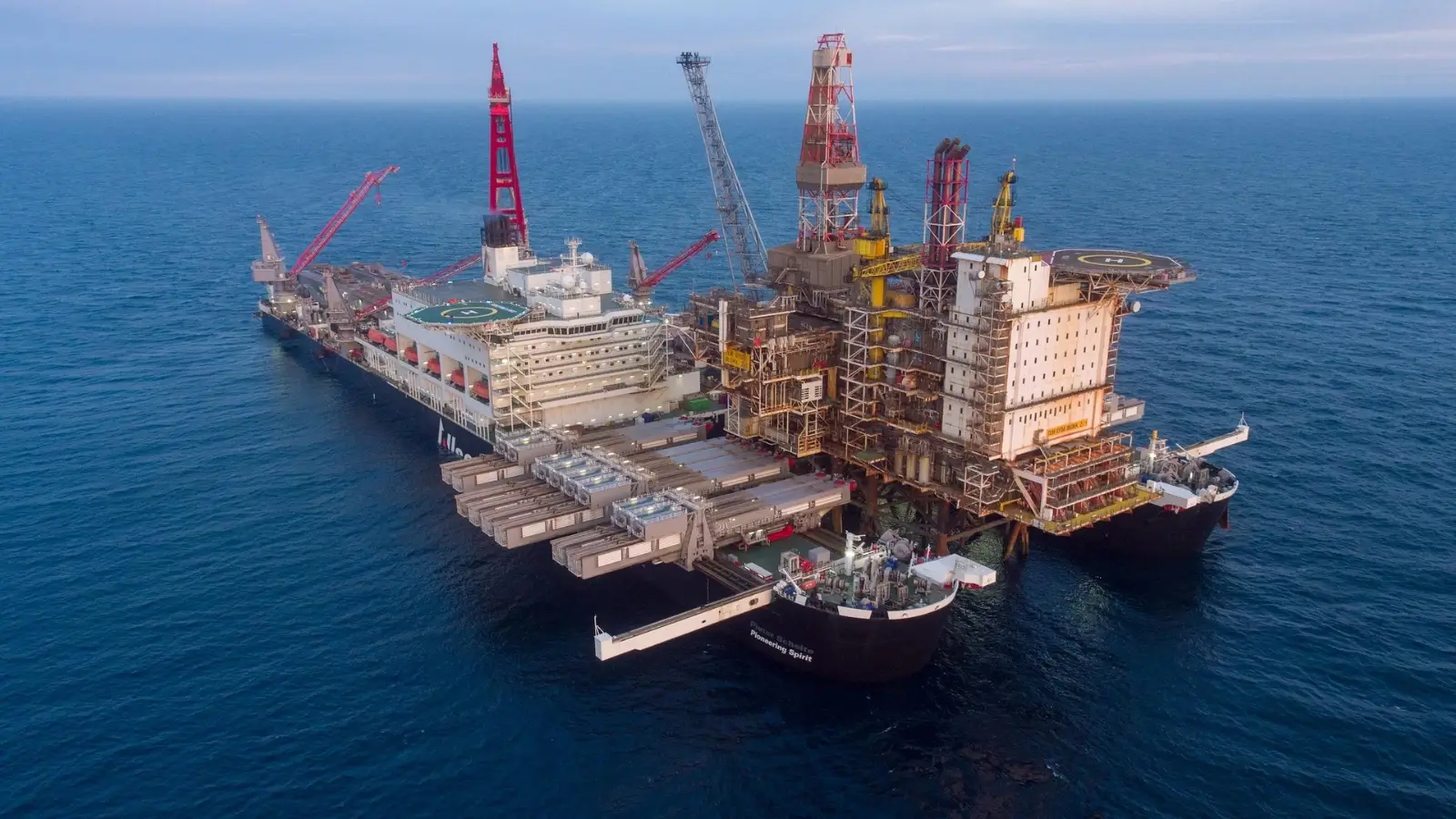
Dismantling large industrial structures, such as oil rigs, chimneys, or chemical storage tanks, carries inherent structural risks. Collapse or accidental release of materials can result in injuries or fatalities.
Promethean has developed advanced methodologies to address structural hazards, including phased dismantling, real-time monitoring, and mechanical assistance tools. These measures ensure the safe execution of demolition tasks.
3. Fire and Explosion Risks
Industrial sites may retain flammable substances even after shutdown. Inadequate handling during decommissioning can lead to fires or explosions, posing serious risks to workers and nearby communities.
Decommissioning services incorporate fire safety assessments, controlled purging of flammable materials, and emergency response planning to mitigate these risks effectively.
Regulatory Challenges in Decommissioning
Compliance with legal and regulatory requirements is a fundamental aspect of decommissioning projects. Regulatory challenges can delay projects or result in fines and legal consequences if not properly addressed.
1. Permitting and Legal Compliance
Securing permits for decommissioning activities can be complex, as multiple regulatory bodies may be involved. Each stage of decommissioning, from hazardous waste removal to site remediation, often requires approvals and reporting.
Decommissioning services are well-versed in navigating regulatory frameworks, ensuring all permits are obtained, and reporting obligations are fulfilled to prevent project delays.
2. Environmental Reporting and Audits
Regulatory agencies require detailed environmental reporting during and after decommissioning. This includes monitoring soil, air, and water quality, as well as documenting waste disposal and site remediation activities.
Promethean’s compliance teams specialize in maintaining accurate records, performing environmental audits, and preparing reports that meet regulatory standards, reducing the risk of non-compliance penalties.
3. Long-Term Liability Management
Even after decommissioning, residual environmental contamination or safety issues may require ongoing monitoring. Regulatory authorities may enforce long-term remediation obligations.
Decommissioning services incorporate long-term risk assessments and management plans to ensure that sites remain safe and compliant, protecting both the company and surrounding communities.
Project Management Challenges
Beyond environmental, safety, and regulatory concerns, decommissioning projects face logistical and management challenges that require careful planning and coordination.
1. Complex Coordination and Scheduling
Decommissioning involves multiple contractors, subcontractors, and regulatory bodies. Coordinating tasks, timelines, and resources is critical to avoid delays and ensure safety.
Promethean employs structured project management frameworks and digital tracking tools to synchronize activities and maintain clear communication across all stakeholders.
2. Cost Management
Decommissioning projects are often costly, particularly when addressing hazardous materials or extensive site remediation. Unexpected issues, such as undiscovered contamination, can inflate budgets.
Decommissioning services offer detailed cost assessments and risk mitigation strategies, helping organizations plan realistic budgets and avoid financial overruns.
3. Technical and Engineering Challenges
Some industrial or energy sites contain complex infrastructure, such as nuclear facilities or petrochemical plants, that require advanced technical expertise for safe dismantling.
Promethean integrates specialized engineering knowledge with innovative technologies, such as robotic assistance and remote monitoring systems, to handle technical challenges safely and efficiently.
Risk Mitigation Strategies
Successfully managing the challenges of decommissioning requires proactive risk mitigation strategies. By combining environmental, safety, and regulatory planning, organizations can achieve secure and compliant project outcomes.
1. Comprehensive Risk Assessments
Before starting decommissioning, detailed risk assessments identify potential hazards across environmental, safety, and regulatory domains. This enables teams to prioritize interventions and allocate resources effectively.
2. Training and Workforce Preparedness
Properly trained personnel are essential for safe decommissioning. Workforce preparedness programs include safety training, emergency response drills, and certification in handling hazardous materials.
3. Advanced Monitoring and Technology
Technological solutions, such as drones, sensors, and remote monitoring systems, enhance risk management by providing real-time data on environmental conditions, structural integrity, and worker safety.
4. Stakeholder Engagement
Engaging with regulatory authorities, local communities, and environmental organizations ensures transparency and supports compliance. Open communication can also facilitate smoother permitting processes and reduce project delays.
Conclusion
Decommissioning industrial and energy sites is a multifaceted process with significant environmental, safety, and regulatory challenges. From managing hazardous substances and structural hazards to navigating complex legal frameworks, successful decommissioning requires meticulous planning, specialized expertise, and proactive risk management. Decommissioning services and brands like Promethean play a crucial role in addressing these challenges, providing the technical knowledge and project management skills necessary for safe and compliant site closure. By understanding and preparing for these risks, sites can be left in a safe, sustainable condition for future use.
Business Outstanders brings you sharp insights on tech, business, entrepreneurship, law, crypto, and more. We uncover what’s next. Stay updated, sign up for our newsletter and be part of the future!