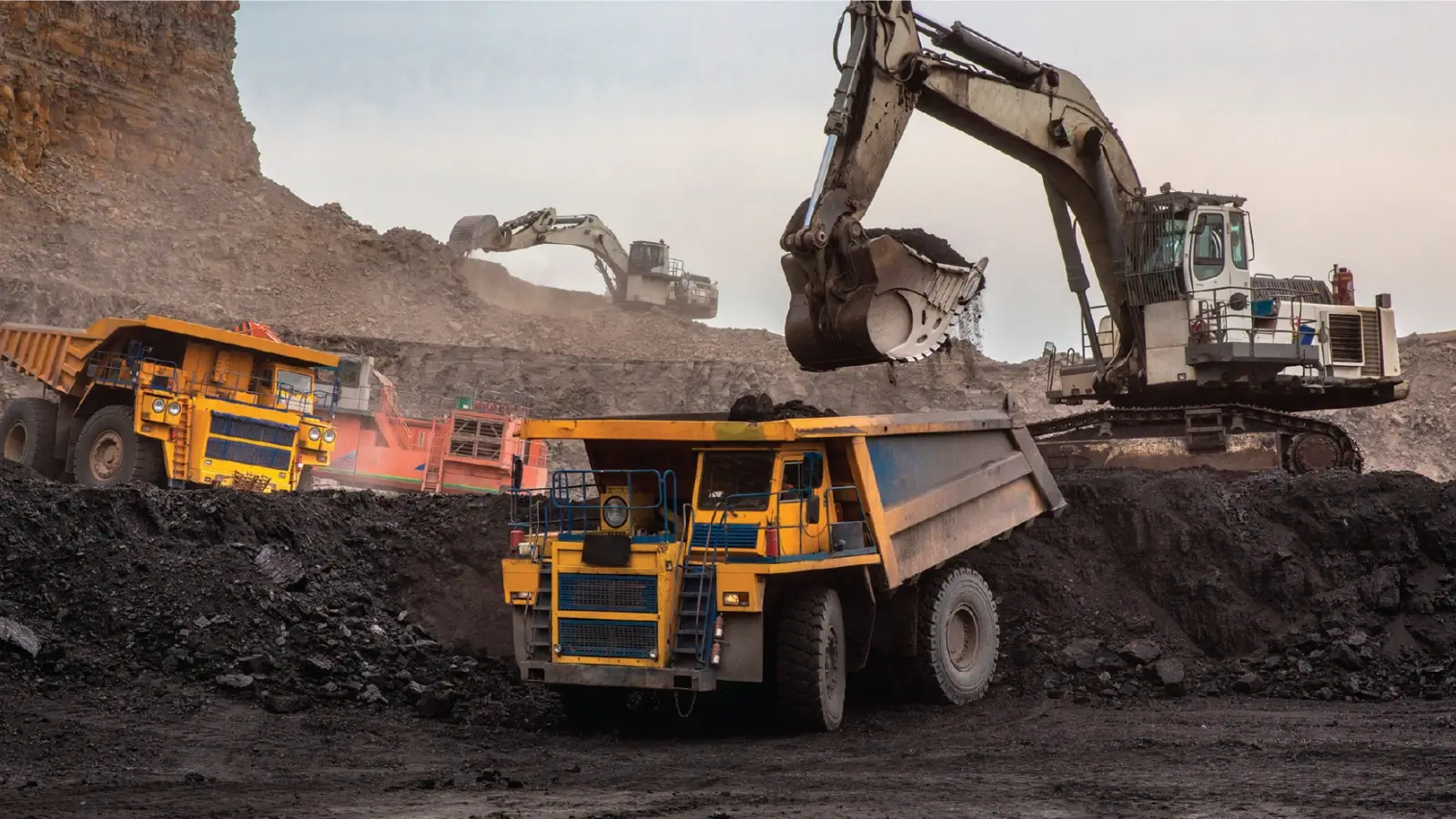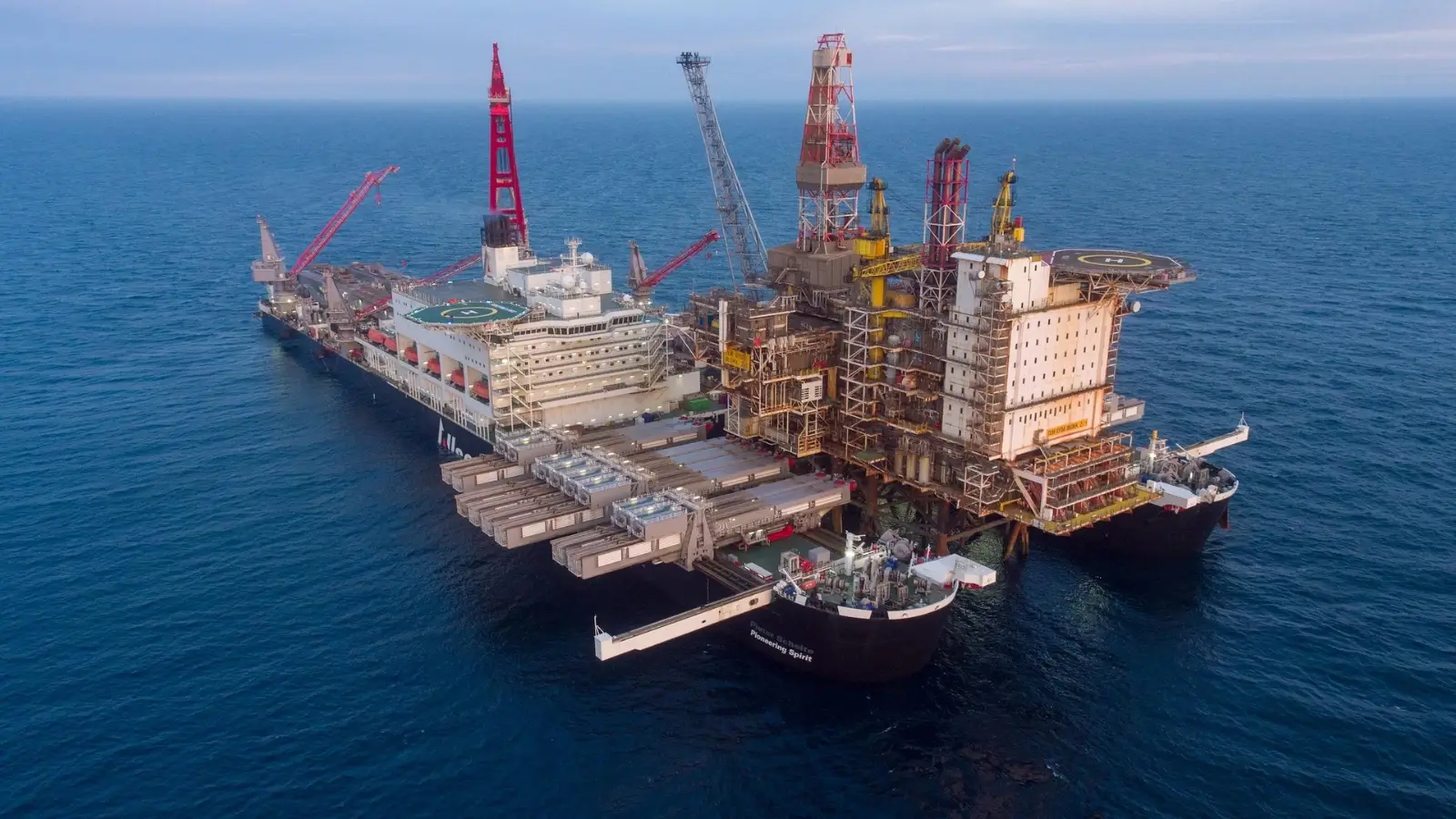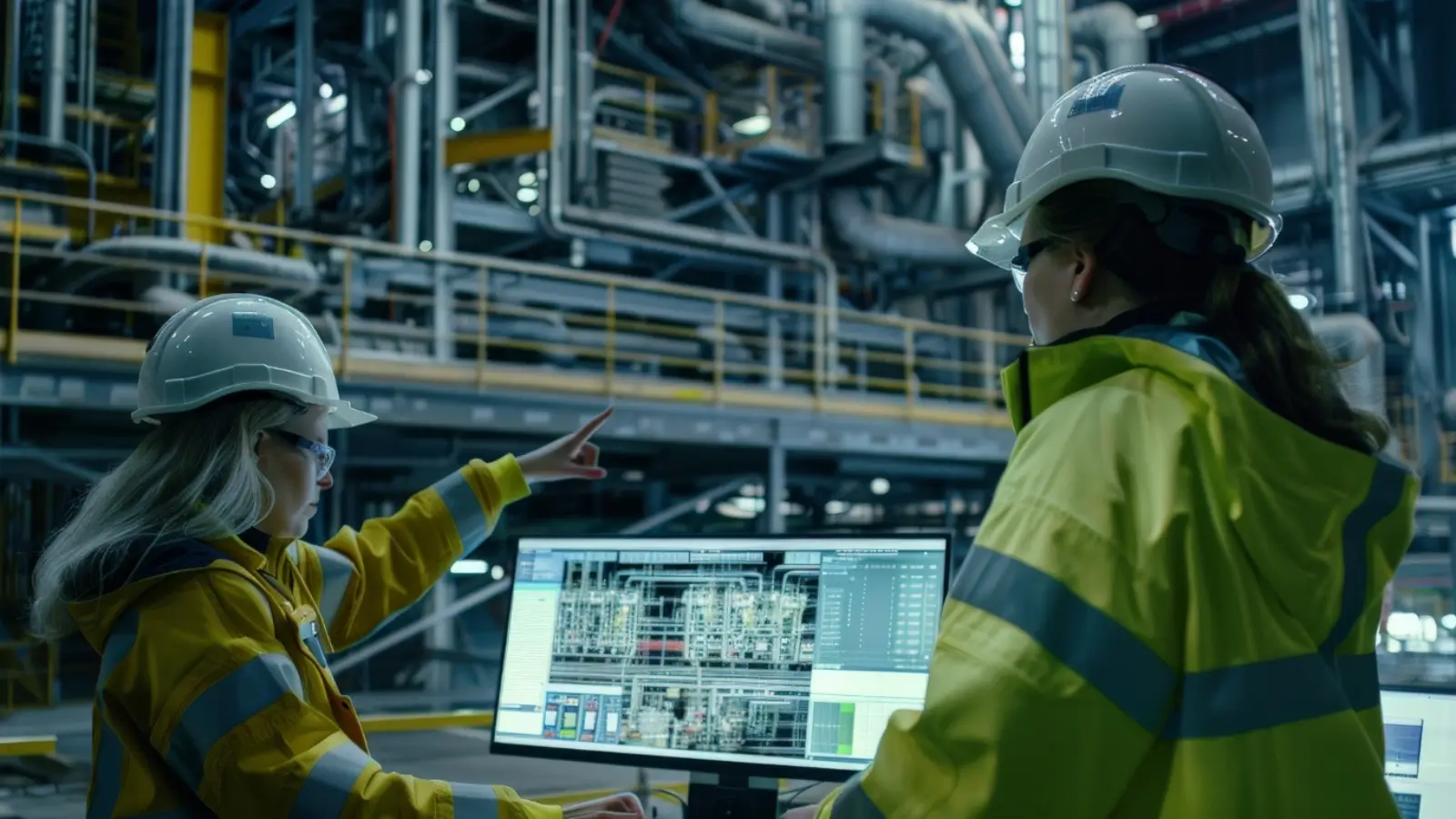
Artificial intelligence is no longer an experimental technology reserved for pilot projects. In the oil and gas sector, AI has become a foundational driver of efficiency, safety, and long-term value creation. With the market projected to grow at an impressive 15.5% scale, AI is reshaping how exploration, production, refining, and distribution operate in an increasingly data-driven world. From predictive insights to automation, the technology is transforming complex operations into intelligent ecosystems that can adapt, learn, and optimize in real time.
This rapid growth is fueled by the convergence of big data, advanced analytics, cloud computing, and operational digitalization. As the sector faces pressure to reduce costs, improve safety, and meet sustainability expectations, AI has emerged as a strategic enabler rather than a supporting tool.
Understanding the 15.5% Growth Trajectory of AI in Oil and Gas
The steady rise of AI adoption in oil and gas is not accidental. It is driven by both operational necessity and technological maturity. As vast amounts of data are generated across upstream, midstream, and downstream activities, traditional analysis methods struggle to deliver timely insights.
At the same time, AI platforms have become more accessible, scalable, and reliable. Machine learning models, computer vision systems, and natural language processing tools can now be deployed across assets and regions with relatively lower integration effort. This alignment between demand and capability explains why analysts project a sustained growth rate of 15.5%.
Key Drivers Behind Market Expansion
Several forces are contributing to this expansion. First, cost optimization remains a central priority. AI enables predictive maintenance, improved reservoir modeling, and automated workflows that directly reduce operational expenditure.
Second, safety and risk management are major catalysts. AI-powered monitoring systems can detect anomalies, identify hazardous conditions, and support faster decision-making, thereby minimizing accidents and downtime.
Finally, digital transformation initiatives are accelerating. As data infrastructures mature, organizations are better positioned to extract value from AI-driven insights. This momentum reinforces the long-term growth outlook for AI across the oil and gas value chain.
Role of AI Across the Oil and Gas Value Chain
AI is not confined to a single stage of operations. Its impact spans the entire lifecycle, enabling smarter decisions from exploration through distribution. Each segment benefits from tailored applications designed to address specific challenges.
In this context, AI acts as a connective layer that integrates data, equipment, and human expertise into a unified operational intelligence framework. This holistic influence is a key reason why the market continues to expand at scale.
1. AI in Upstream Exploration and Production
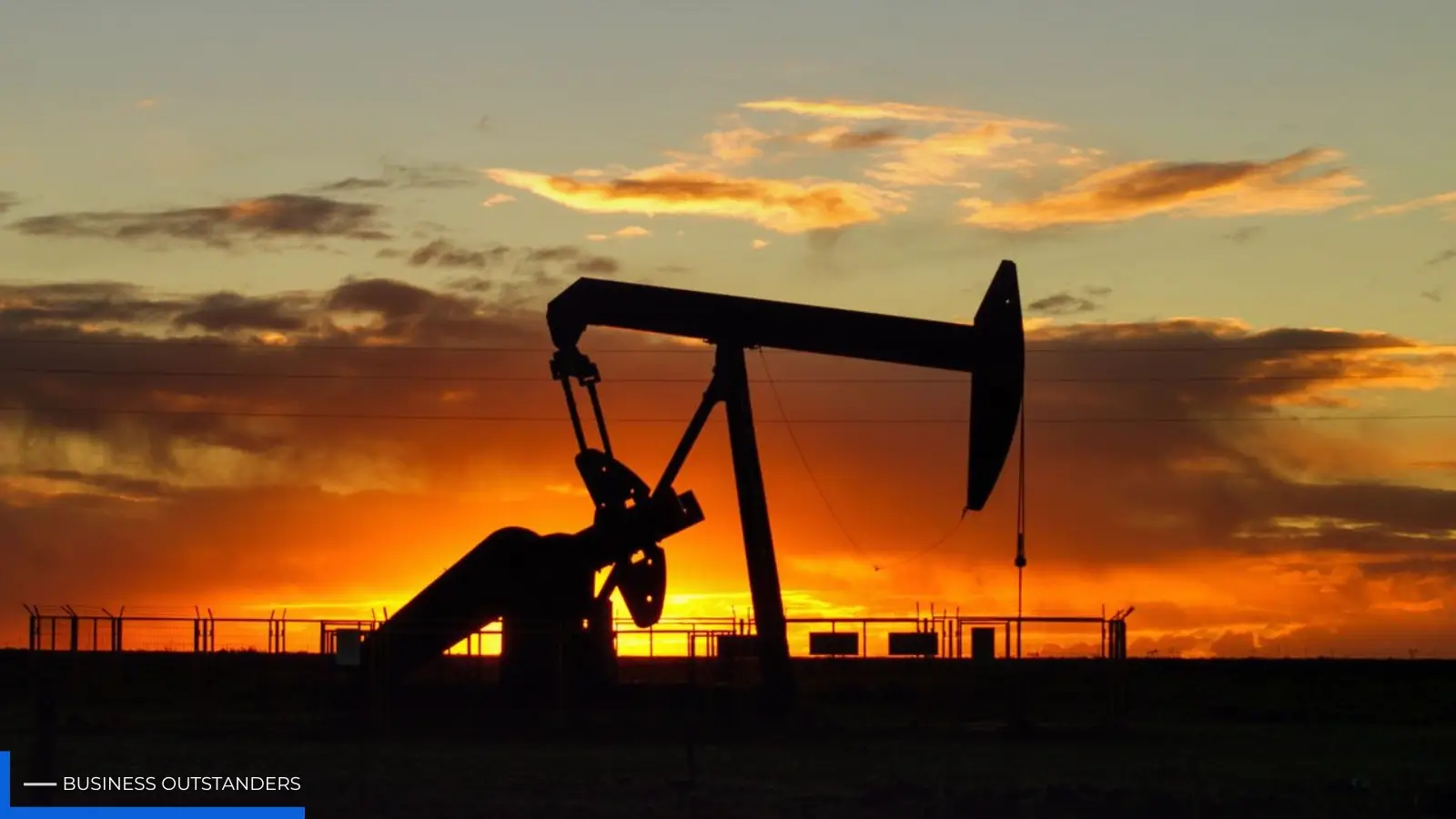
In upstream operations, AI significantly improves exploration accuracy and production efficiency. Advanced algorithms analyze seismic data to identify promising reservoirs with higher precision than traditional approaches.
Machine learning models also optimize drilling parameters by learning from historical and real-time data. This leads to reduced non-productive time, improved well placement, and enhanced recovery rates. As these benefits compound over time, investment in AI technologies continues to grow.
2. Midstream Optimization Through Intelligent Systems
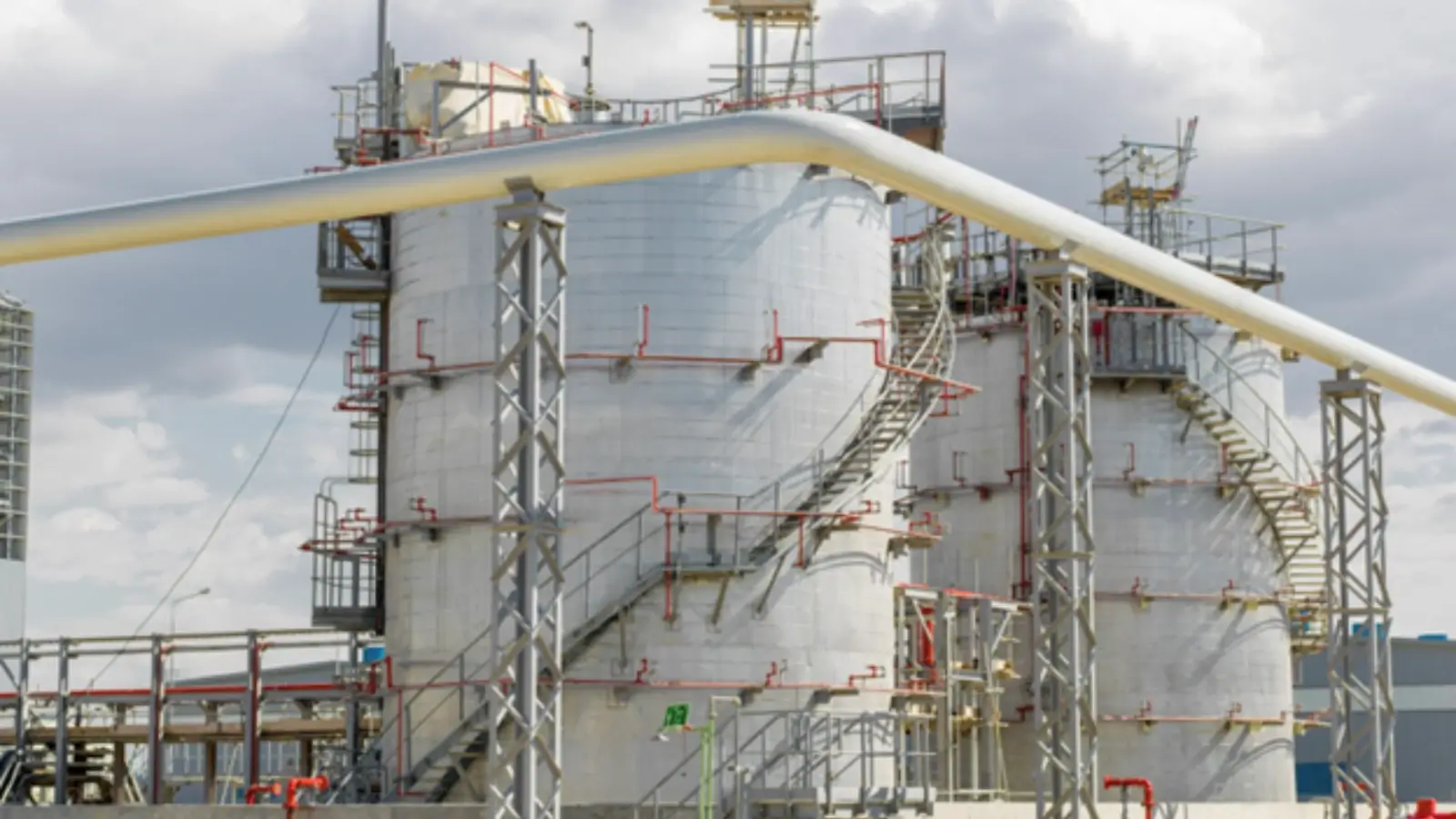
Midstream activities such as transportation and storage rely heavily on continuous monitoring. AI-driven systems use sensor data to forecast equipment failures, optimize pipeline flows, and detect leaks early.
By applying predictive analytics, operators can schedule maintenance proactively rather than reacting to breakdowns. This minimizes disruptions and ensures safer, more efficient movement of resources across vast networks.
3. Downstream Refining and Distribution Enhancement
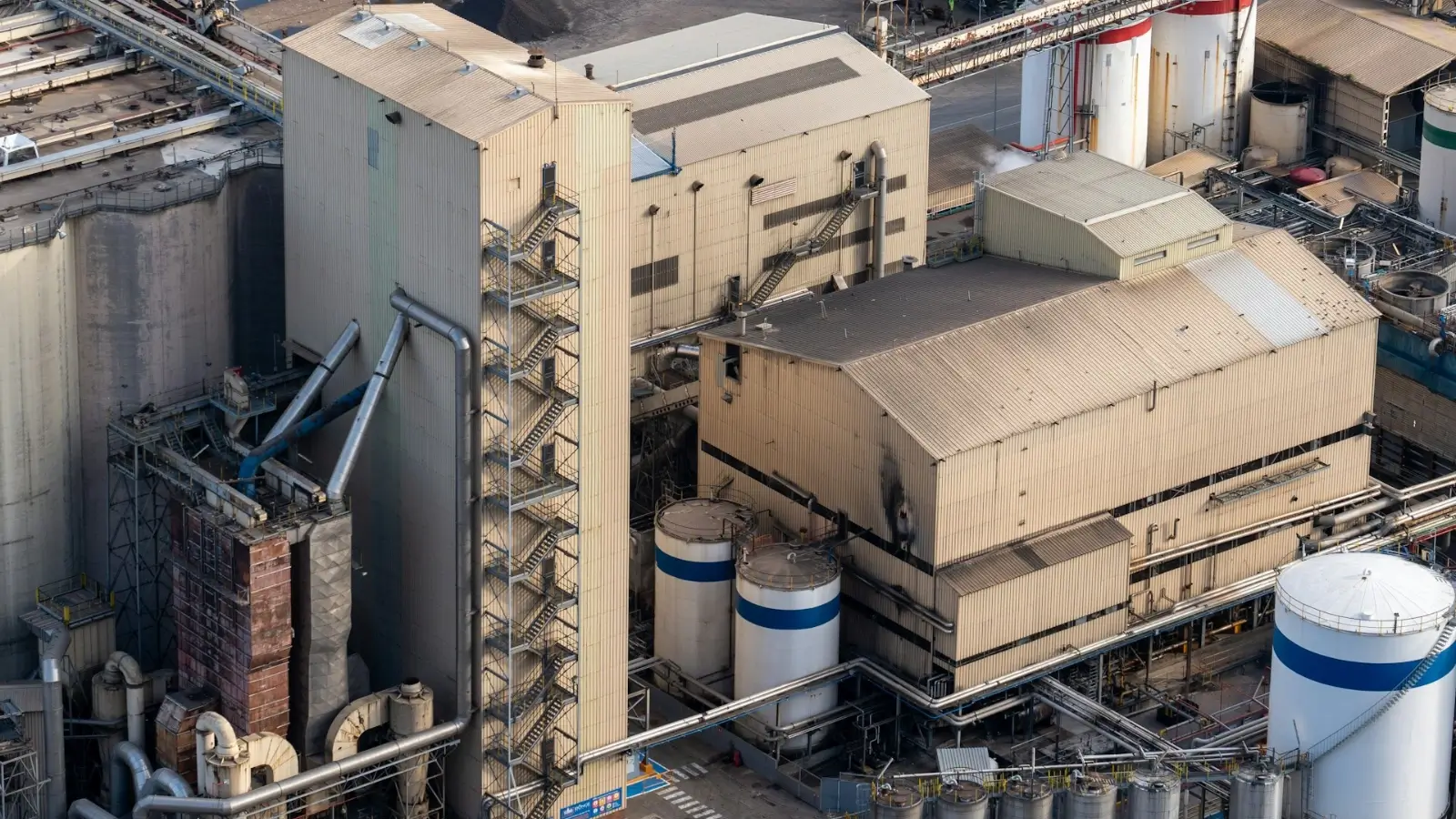
In downstream operations, AI supports process optimization and quality control. Refinery models powered by AI can adjust variables in real time to maximize yield and reduce energy consumption.
In distribution, demand forecasting models help align supply with market needs, reducing inventory inefficiencies. These applications collectively reinforce AI’s role as a growth driver across all operational stages.
Data as the Foundation of AI Success
AI systems depend on high-quality data to deliver meaningful results. The oil and gas sector generates enormous volumes of structured and unstructured data, ranging from sensor readings to maintenance logs.
Effective data management strategies are therefore essential. Clean, integrated, and contextualized data enables AI models to learn accurately and produce reliable insights. As data maturity improves, the value extracted from AI investments increases significantly.
This data-centric approach is also influencing how digital growth strategies are shaped, with specialized service providers helping the sector communicate innovation effectively.
AI and Predictive Maintenance: Reducing Costs at Scale
Predictive maintenance is among the most impactful AI applications in oil and gas. Traditional maintenance strategies often rely on fixed schedules or reactive repairs, both of which are costly and inefficient.
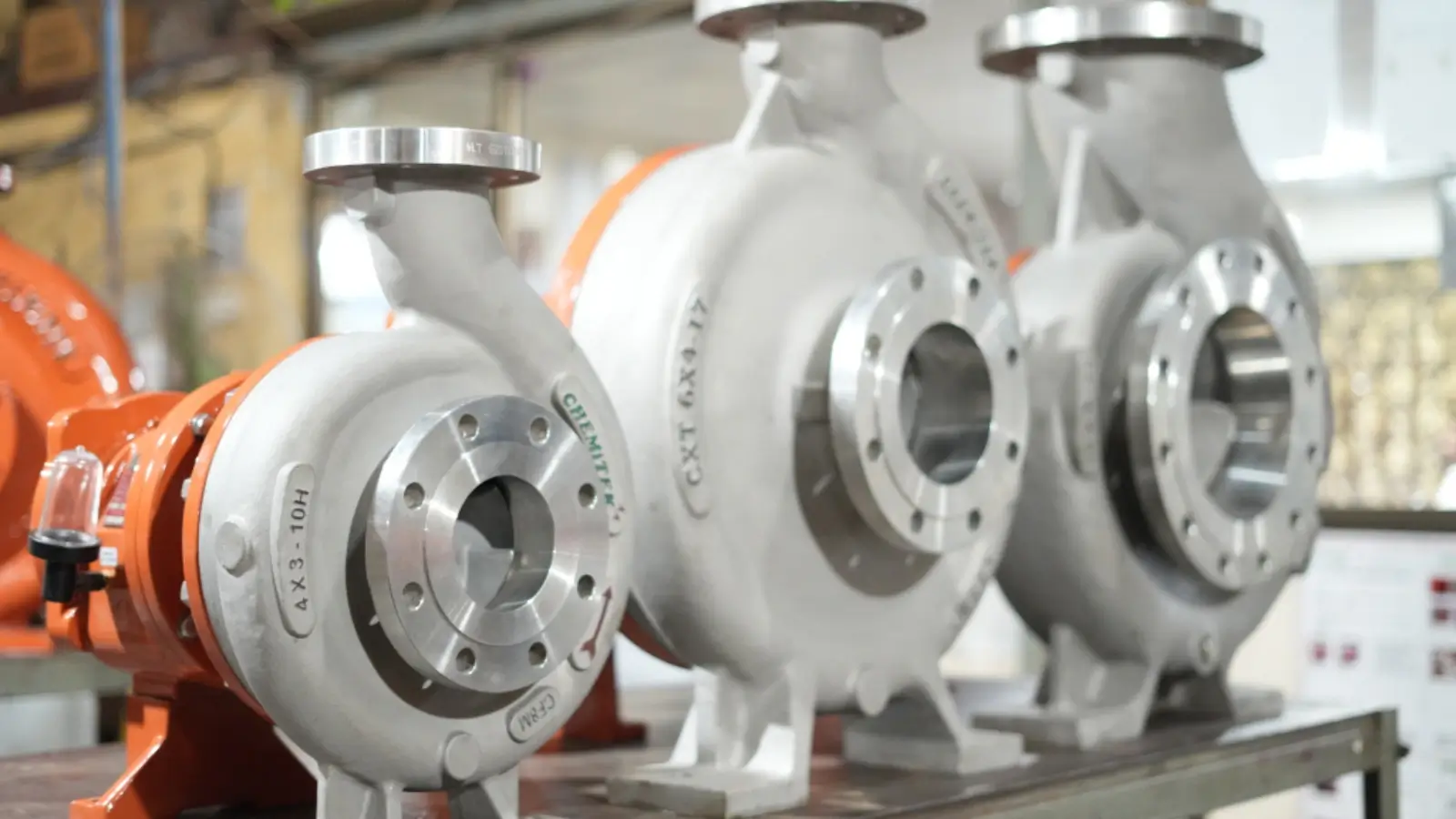
AI models analyze equipment data to predict failures before they occur. This allows maintenance teams to intervene at the optimal time, extending asset lifespan and reducing unplanned downtime. As these systems prove their return on investment, adoption continues to accelerate across assets and regions.
The scalability of predictive maintenance solutions further supports the projected 15.5% growth, as similar models can be adapted across multiple facilities with incremental improvements over time.
Enhancing Safety and Compliance with AI
Safety remains a critical priority in oil and gas operations. AI enhances safety by providing real-time monitoring and risk assessment capabilities that surpass manual methods.
Computer vision systems can detect unsafe behaviors, while anomaly detection algorithms identify abnormal pressure, temperature, or flow conditions. These insights enable faster responses to potential incidents, protecting both personnel and infrastructure.
Regulatory compliance also benefits from AI-driven documentation and reporting tools. Automated analysis ensures adherence to standards while reducing administrative overhead, further strengthening the business case for AI adoption.
Sustainability and Environmental Performance
Environmental performance is increasingly central to operational strategy. AI supports sustainability efforts by improving energy efficiency, reducing emissions, and enhancing waste management.
Advanced analytics models optimize fuel usage, monitor emissions in real time, and identify opportunities for reducing environmental impact. As sustainability metrics become more prominent in decision-making, AI’s role in achieving these goals reinforces its market growth trajectory.
These capabilities demonstrate that AI is not only about cost reduction but also about long-term responsibility and resilience.
Market Influence of Innovation-Led Brand Positioning
As AI adoption grows, how innovation is communicated becomes equally important. Clear positioning around technological leadership builds trust with investors, partners, and stakeholders.
Brands that successfully highlight AI-driven transformation often stand out as industry leaders. This visibility is frequently supported by a digital marketing agency for oil and gas companies that understands how to articulate complex value propositions without diluting technical credibility.
Such strategic storytelling complements operational excellence, ensuring that AI investments translate into measurable market perception benefits
Challenges Slowing AI Adoption
Despite strong growth prospects, challenges remain. Data silos, legacy systems, and skill gaps can hinder successful AI implementation.
Cybersecurity is another concern, as increased connectivity introduces new risks. Addressing these issues requires a balanced approach that combines technology, governance, and workforce development.
However, as best practices mature and solutions become more standardized, these barriers are gradually diminishing, allowing adoption rates to continue rising.
Future Outlook: Why 15.5% Growth Is Sustainable
The projected 15.5% growth rate reflects more than short-term enthusiasm. It signals a structural shift in how oil and gas operations are managed.
AI is evolving from isolated use cases to enterprise-wide intelligence platforms. As integration deepens, the technology delivers compounding benefits, making it increasingly indispensable.
Industry leaders, such as Centric award-winning agency, have demonstrated how advanced digital frameworks can support scalable AI initiatives, aligning technology investments with long-term operational goals. This approach highlights why strong growth is expected to continue in the coming years
Conclusion
Artificial intelligence is redefining the oil and gas landscape with a measurable impact. From upstream exploration to downstream distribution, AI delivers efficiency, safety, and sustainability benefits that directly support a 15.5% growth trajectory. As data ecosystems mature and intelligent systems become embedded in daily operations, AI will continue to shape the future of the sector in profound and lasting ways.
Business Outstanders brings you sharp insights on tech, business, entrepreneurship, law, crypto, and more. We uncover what’s next. Stay updated, sign up for our newsletter and be part of the future!