How Predictive Analytics in Healthcare Is Shaping the Future of Medicine
— Predictive analytics is revolutionizing modern medicine by identifying health risks early, personalizing treatments, and improving patient outcomes.
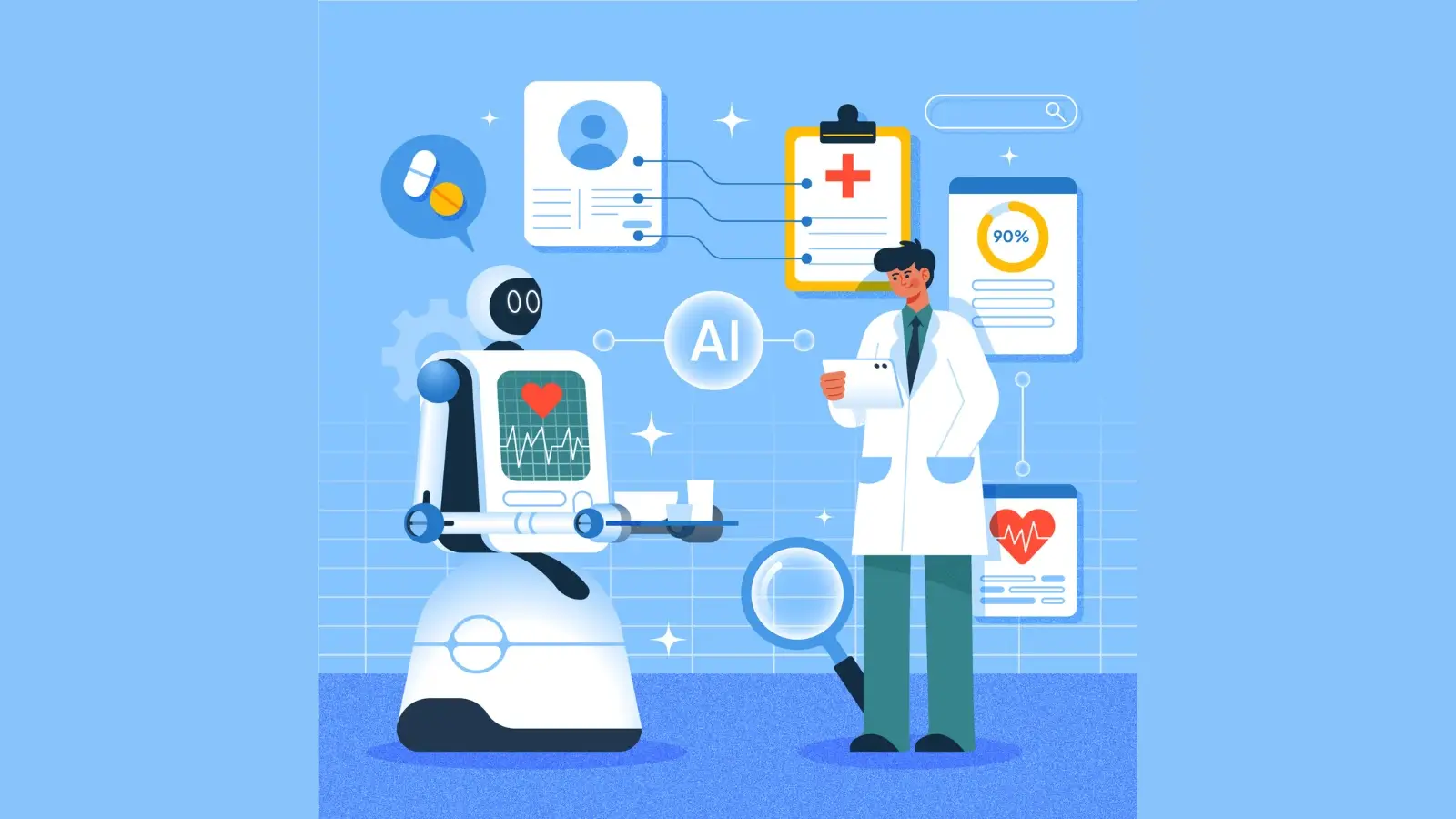
In an era where data reigns supreme, the marriage of healthcare and predictive analytics is not just a trend, it's a revolution. Imagine a world where doctors can anticipate health issues before they arise, tailoring treatments that are as unique as each patient. This isn’t science fiction; it’s the unfolding reality of modern medicine powered by cutting-edge technology.
From predicting disease outbreaks to personalizing treatment plans based on genetic profiles, predictive analytics is reshaping how we approach health and wellness. Join us as we delve into the fascinating ways these advanced analytical techniques are transforming patient care, improving outcomes, and ultimately shaping the future of medicine itself!
What is Predictive Analytics?
Predictive analytics is the use of statistical techniques, machine learning algorithms, and data mining to analyze historical and current data in order to make predictions about future events or behaviors. In healthcare, this can involve analyzing large amounts of patient data, such as medical records, lab results, and genetic information, to identify patterns and make predictions about diseases, treatments, and outcomes.
How is Predictive Analytics Being Used in Healthcare?
1. Early Disease Detection and Prevention
One of the most significant impacts of predictive analytics in healthcare is its ability to identify potential health issues before they become serious. By analyzing a patient’s medical history, lifestyle factors, and genetic data, predictive analytics can help doctors identify patterns and risk factors that may lead to certain diseases, such as cancer, diabetes, or heart disease. This allows for early intervention and targeted prevention strategies, ultimately leading to better health outcomes and reduced healthcare costs.
2. Personalized Treatment Plans
Every patient is unique, and so are their health needs. Predictive analytics can help doctors tailor treatment plans that are specific to each individual, taking into account factors such as genetics, lifestyle, and medical history. This personalized approach to healthcare can improve treatment effectiveness and reduce the risk of adverse reactions or complications.
3. Improving Operational Efficiency
Predictive analytics can also be used to optimize the operations of healthcare facilities, such as hospitals and clinics. By analyzing data on patient flow, resource utilization, and wait times, predictive analytics can identify areas for improvement and help healthcare organizations make more efficient use of their resources. This can lead to cost savings, shorter wait times, and better overall patient experiences.
4. Disease Outbreak Prediction
In the age of global pandemics, the ability to predict and prevent disease outbreaks is crucial. Predictive analytics can analyze data from various sources, such as social media, weather patterns, and travel patterns, to identify potential disease hotspots and forecast the spread of diseases. This can help public health officials take proactive measures to contain outbreaks before they become widespread.
5. Drug Development
Developing new drugs is a costly and time-consuming process. Predictive analytics can help pharmaceutical companies identify potential drug candidates and predict their effectiveness, potentially speeding up the drug development process and reducing costs.
Benefits of Using Predictive Analytics in Healthcare
The use of predictive analytics in healthcare offers numerous benefits for patients, healthcare providers, and the healthcare industry as a whole. Some of these benefits include:
-
Early detection and prevention of diseases, leading to better health outcomes and reduced healthcare costs
-
Personalized treatment plans that are tailored to each patient’s unique needs
-
Improved operational efficiency and resource utilization in healthcare facilities
-
More accurate forecasting of disease outbreaks, allowing for proactive measures to be taken
-
Faster and more cost-effective drug development
The Future of Predictive Analytics in Healthcare
The potential for predictive analytics in healthcare is vast, and its applications are only expected to grow in the future. With the increasing availability of electronic health records, genetic testing, and wearable devices, there is a growing amount of data that can be used for predictive analytics in healthcare.
Additionally, advancements in artificial intelligence and machine learning are expected to further improve the accuracy and effectiveness of predictive analytics models. In the coming years, we can expect to see more widespread adoption of predictive analytics in healthcare, leading to improved patient outcomes, better resource management, and more efficient and cost-effective healthcare delivery.
Conclusion
Predictive analytics is revolutionizing the healthcare industry by leveraging data to improve patient care, operational efficiency, and disease prevention. Its potential to identify health risks, personalize treatment plans, and forecast disease outbreaks make it a valuable tool for healthcare providers and organizations. As technology continues to advance, we can expect predictive analytics to play an even larger role in shaping the future of healthcare.