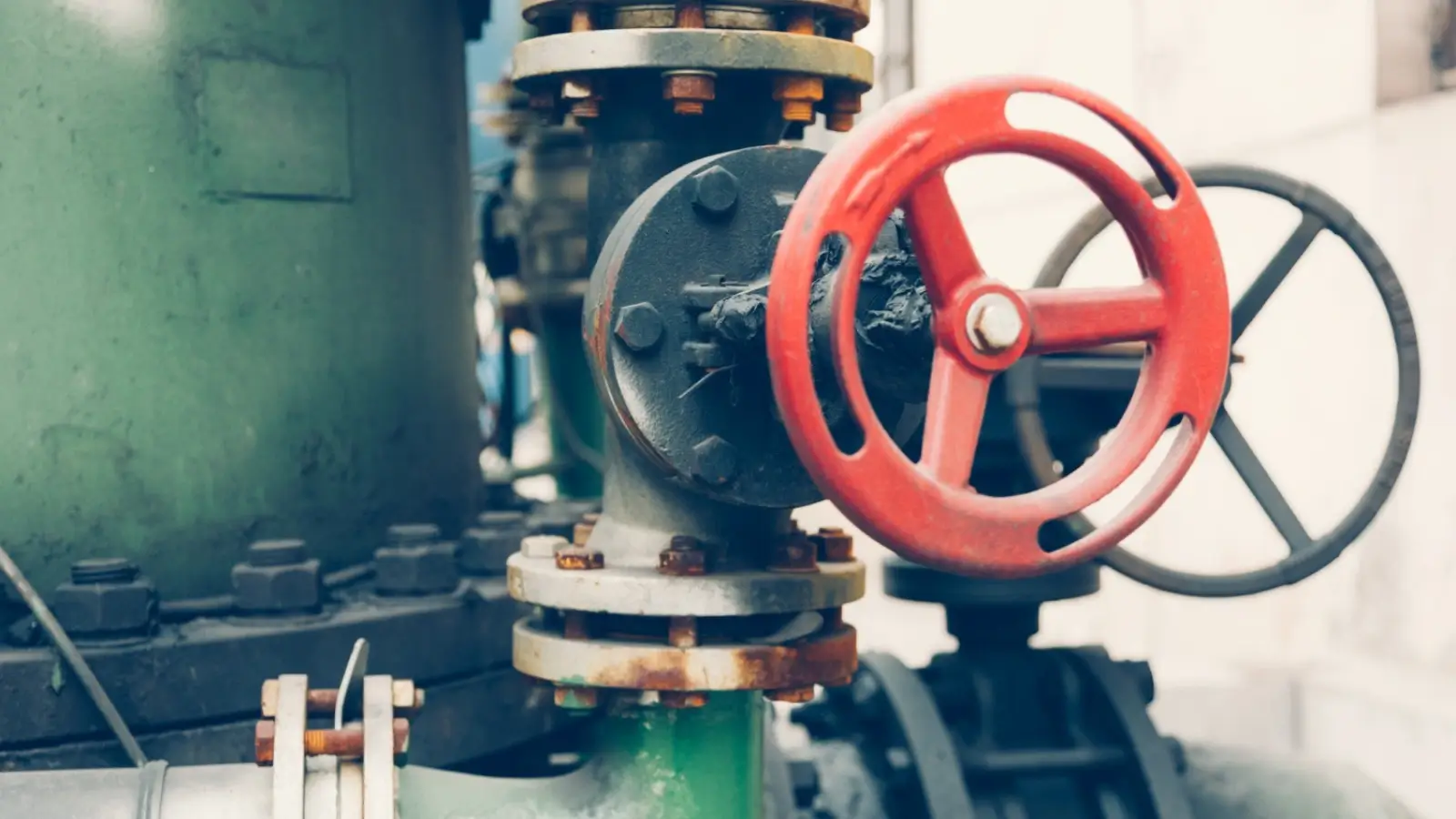
How can a simple mechanical device automatically distinguish between oil and water to prevent a catastrophic spill? It’s a question central to the safety and compliance of any facility managing bulk petroleum products. The stakes are incredibly high; a single failure in containment can lead to costly cleanups, significant regulatory fines, and lasting environmental damage.
For facilities with over 1,320 gallons of aboveground oil storage, the EPA's Spill Prevention, Control, and Countermeasure (SPCC) rule mandates robust spill prevention measures. According to the EPA, these facilities must have a plan and the equipment to prevent discharges. This is where an elegantly simple, science-based solution comes into play: the oil stop valve (OSV). This device works passively and reliably, providing a fail-safe final line of defense, all without electricity or human intervention.
Key Takeaways
For facility managers who need a quick overview, here are the essential points about how oil stop valves provide automatic, reliable spill protection:
-
Reliable Gravity Operation: Oil stop valves function based on the scientific principle of specific gravity. A precisely weighted internal float is designed to sink in less dense liquids like oil but float in denser water.
-
Fail-Safe by Design: This gravity-based mechanism requires no electricity, sensors, or human intervention to activate during a spill, making it a truly automatic and fail-safe system.
-
Low-Maintenance Durability: With only one moving part, OSVs are remarkably simple and durable, requiring minimal maintenance to remain ready for an emergency.
-
Customized for Your Climate: Material choices, such as PVC for warmer climates and stainless steel for colder regions, allow facilities to tailor the valve to specific environmental and safety requirements.
The Simple Genius: How an Oil Stop Valve "Knows the Difference"
To understand the reliability of an oil stop valve, you don't need a degree in engineering—just a grasp of high school physics. The valve’s ability to differentiate between hazardous hydrocarbons and harmless stormwater isn't magic; it’s a direct application of natural physical laws.
The Core Principle: Specific Gravity and Buoyancy
The entire operation hinges on a fundamental concept: specific gravity. In simple terms, specific gravity is the density of a substance compared to the density of water. Because oil has a lower specific gravity (typically less than 0.95), it will always float on top of a layer of water.
An oil stop valve leverages this principle with a precisely engineered float or cylinder. This float is carefully ballasted—weighted just enough—so that it is buoyant in water but not in oil. When surrounded by water, it floats. When surrounded by oil, it sinks. As one leading manufacturer explains:
The AFL OSV works on the principal of specific gravity; any fluid below .95 specific gravity will cause the float to seat, preventing the hydrocarbons from leaving the basin.
This simple yet brilliant design is the secret to how the valve "knows" what kind of liquid is trying to pass through it.
Anatomy of an OSV: A System with One Moving Part
The genius of the oil stop valve lies in its mechanical simplicity. A complex problem is solved with a remarkably uncomplicated device, which is key to its reliability. The valve consists of three primary components:
-
The Valve Body: The outer housing that contains the mechanism and connects to the containment area's drainage pipes.
-
The Outlet Port: The opening at the bottom of the valve through which water is allowed to drain.
-
The Ballasted Float: The single moving part, designed to float in water and sink in oil.
The fact that the entire function relies on one component is its greatest strength. Fewer moving parts mean fewer potential points of failure, which translates to minimal maintenance and maximum reliability.
The OSV has only one mechanical moving part, which requires no human interaction in the event of a hydrocarbon spill to close.
This elegant design ensures that the valve is always ready to act without relying on complex electronics or manual oversight.
Visualizing a Spill: The Valve in Action
To truly understand its function, let's walk through two scenarios: normal operation and a spill event.
Scenario 1: Normal Conditions (Stormwater Runoff) During a rainstorm, water collects in the secondary containment area and flows into the oil stop valve's chamber. Because the float is ballasted to be buoyant in water, it rises. This lifts the float off the outlet port, allowing the collected stormwater to drain safely and freely from the containment basin. The system operates exactly as intended, preventing water buildup while remaining armed for a potential spill.
Scenario 2: A Spill Event. Now, imagine a tank ruptures, and oil begins to fill the containment area. This oil flows into the OSV chamber, displacing the water. As the less-dense oil surrounds the float, the float loses its buoyancy. It immediately sinks, settling firmly over the outlet port and creating a positive mechanical seal. This seal stops all liquid—both oil and any remaining water—from escaping the containment area, effectively preventing a reportable discharge.
This modern solution to a complex problem relies on a simple, reliable mechanism that requires no electricity and has only one moving part. For facilities needing to meet stringent SPCC requirements, having completely automatic fail-safe oil stop valves is the cornerstone of a modern spill prevention strategy. It’s how the valve uses physics to know the difference between oil and water.
Key Features of a Fail-Safe Spill Prevention System
The simple mechanics of an oil stop valve translate directly into tangible benefits that matter most to a facility manager focused on compliance, safety, and operational efficiency. These features make it an indispensable tool for modern secondary containment.
-
Truly Automatic Operation: The valve’s function is entirely passive and gravity-driven. It requires no power source, no computer programming, and no staff intervention during an emergency. It is always on, always ready, and will function during a facility-wide power outage just as effectively as it does any other day.
-
Minimal Maintenance: The "unique fail safe design" with a single moving part means there are very few points of failure. Routine maintenance is typically limited to simple inspections and clearing of debris to ensure the float can move freely. This low-touch requirement saves time, labor, and long-term operational costs.
-
Durability and Longevity: OSVs are built to last in harsh industrial environments. They are typically constructed from highly corrosion-resistant materials like PVC or stainless steel, ensuring a long service life even when exposed to chemicals and extreme weather.
-
Guaranteed SPCC Compliance: An oil stop valve is a primary engineering control for meeting federal secondary containment requirements. By automatically preventing discharges, it helps facilities avoid fines and the environmental liability associated with spills. Preventing spills in inland waters is a top priority for the EPA, making technologies like the OSV critical components of a national environmental protection strategy.
Choosing the Right OSV for Your Facility
While the operating principle is universal, not all oil stop valves are the same. Selecting the right model depends on your facility’s specific climate, operational risks, and budget. The two main considerations are the valve's material and whether you need an accessory to ensure constant readiness.
Material Matters: PVC vs. Stainless Steel
The choice of construction material is primarily driven by your local climate and any site-specific hazards, like fire risk.
-
PVC: Often considered the "economy model," PVC valves are a cost-effective and highly corrosion-resistant option. They are ideal for facilities located in warmer climates where freezing temperatures are not a concern.
-
Stainless Steel: For facilities in colder climates, stainless steel is the recommended material. Its durability prevents the need for supplemental freeze protection packages. Furthermore, stainless steel offers enhanced fire protection, making it a superior choice for high-risk applications.
Ensuring 24/7 Readiness: The Role of a Slave Valve
A key question for any passive system is how it performs during long, dry periods. What happens if evaporation or minor leaks cause the water level in the OSV chamber to drop? In that scenario, the main float could settle onto the outlet and mistakenly close the valve, preventing it from draining during the next rainstorm.
This is where a "Slave Valve" comes in. This companion device is a small, secondary valve that provides a slow, steady supply of water to the main OSV chamber. This constant trickle ensures the main float remains buoyant even during extended dry spells. By preventing false closures, the slave valve guarantees the system is always armed and ready to handle an actual spill, providing true 24/7 protection.
The Smartest Defense is a Simple One
In the complex world of industrial safety and environmental regulation, it’s easy to assume that the most effective solutions must be the most technologically advanced. The oil stop valve proves otherwise. It is a powerful Bulk Spill Prevention Device that operates not on code or electricity, but on the simple, unchanging laws of physics.
For a facility manager, this simplicity provides peace of mind. It means guaranteed compliance, robust protection against costly environmental incidents, and a system that won't fail during a crisis. The most effective safety systems are often the ones that work silently in the background, demanding neither power nor constant attention. In the critical field of spill prevention, reliability is paramount, and simplicity is the ultimate form of reliability.
Business Outstanders brings you sharp insights on tech, business, entrepreneurship, law, crypto, and more. We uncover what’s next. Stay updated, sign up for our newsletter and be part of the future!