As the oil and gas sector enters 2026, companies are investing in digital experiences that raise the bar for professionalism, trust, and performance. A robust online presence is no longer optional. Whether your goal is supporting business development, showcasing sustainability initiatives, or enabling digital transformation, thoughtful planning must guide every step. This article lays out five essential considerations—each designed to inform your approach to website design and development in this complex industry context.
1. Clear Strategic Purpose and Audience Alignment
Strategic clarity is foundational. Before any design elements are chosen or code is written, you must define the website’s purpose and who the site serves. In the oil and gas industry especially, websites often serve multiple audiences—investors, regulators, operators, procurement teams, and local communities.
Define key audience personas
Map out distinct personas – for example, an upstream company executive, a service‑provider procurement manager, or a site‑based field engineer. Determine their goals when arriving on your site and what content will help them decide to engage further. Effective website design & development for oil and gas companies begins with this alignment.
Clarify conversion objectives
“Conversion” doesn’t always mean “buy now” in the oil and gas context. It may mean “download technical specification,” “submit a vendor qualification form,” or “subscribe to operations updates.” Defining these actions up front allows development and design decisions to support them. According to industry studies, websites for oil and gas must be findable, searchable and compatible across devices and use‑cases.
Align with broader marketing strategy
Your digital presence must integrate with broader initiatives like oil and gas marketing services, brand positioning, and offline relationships. The digital site should amplify what your field teams, business development teams, and service teams already understand about your value proposition. This ensures consistency across touchpoints and reinforces trust.
2. UX, Navigation and Content Architecture
In an industry where visitors may be pressed for time, or unfamiliar with specific jargon, usability is key. Good design isn’t just aesthetic—it drives clarity and trust.
Keep navigation intuitive
Industry advice stresses the “three clicks” rule: any key information should be reachable in three clicks or fewer. Use clear labels, logical grouping of services, and predictable site structure.
Organise content for clarity and readability
Because many site visitors will scan rather than read in depth, use headings, bullet points, visuals, and modular content blocks. One resource recommends simplicity, clarity, and usability as core pillars.
Provide relevant sector‑specific content
For example, a contractor may want project case studies and photos of actual rigs, while an investor may look for sustainability statements, production performance or regulatory compliance. Your content must speak to each of the defined personas. One blog on website design for oil and gas companies highlights the importance of video content, high‑quality imagery, and concise, meaningful messaging.
Prioritise mobile and responsive design
Many visitors access websites on tablets or mobile devices, especially when on location or travelling. Ensuring mobile responsiveness and load‑speed is critical.
3. High‑Performance Technical Development and Security
The design is only as good as the underlying architecture, performance, security and future‑readiness. In the oil and gas sector, where operations, compliance and reputation matter, this is non‑negotiable.
Speed, reliability and optimisation
Digital best practice emphasises that sites must load quickly, adapt to screen sizes, use compressed assets and caching. According to resources focused on industrial websites, over‑complex designs degrade performance and user satisfaction.
Robust and secure infrastructure
Websites in the energy sector may handle sensitive data, host investor relation materials, or serve global audiences with varying connectivity. Security, SSL encryption, backups, and monitoring must be built into development. One blog on web design for oil and gas emphasises security as a key element.
SEO and accessibility baked into development
It’s not enough to look good: your site must be findable. Incorporate semantic HTML, alt tags, structured data, fast mobile performance, and clear internal linking. According to industry commentary, many oil and gas websites fail to leverage SEO properly.
Scalability and future‑proofing
Consider integrations with CRM, investor portals, multilingual localisation, remote connectivity, and data visualisations for operations. Picking a development platform that allows future enhancements without full rebuilds is wise.
4. Brand Storytelling, Sustainability & Trust‑Building
The oil and gas industry is built on trust, long‑term relationships and reputation. Your website must reflect that history while also showing where you are going.
Tell your story clearly
Highlight your heritage, your safety record, your field operations, and your project successes. Sections like “About Us”, “Our Projects”, and “Sustainability” become critical. One source emphasises how design and branding affect credibility in this sector.
Visuals and assets that reflect operations
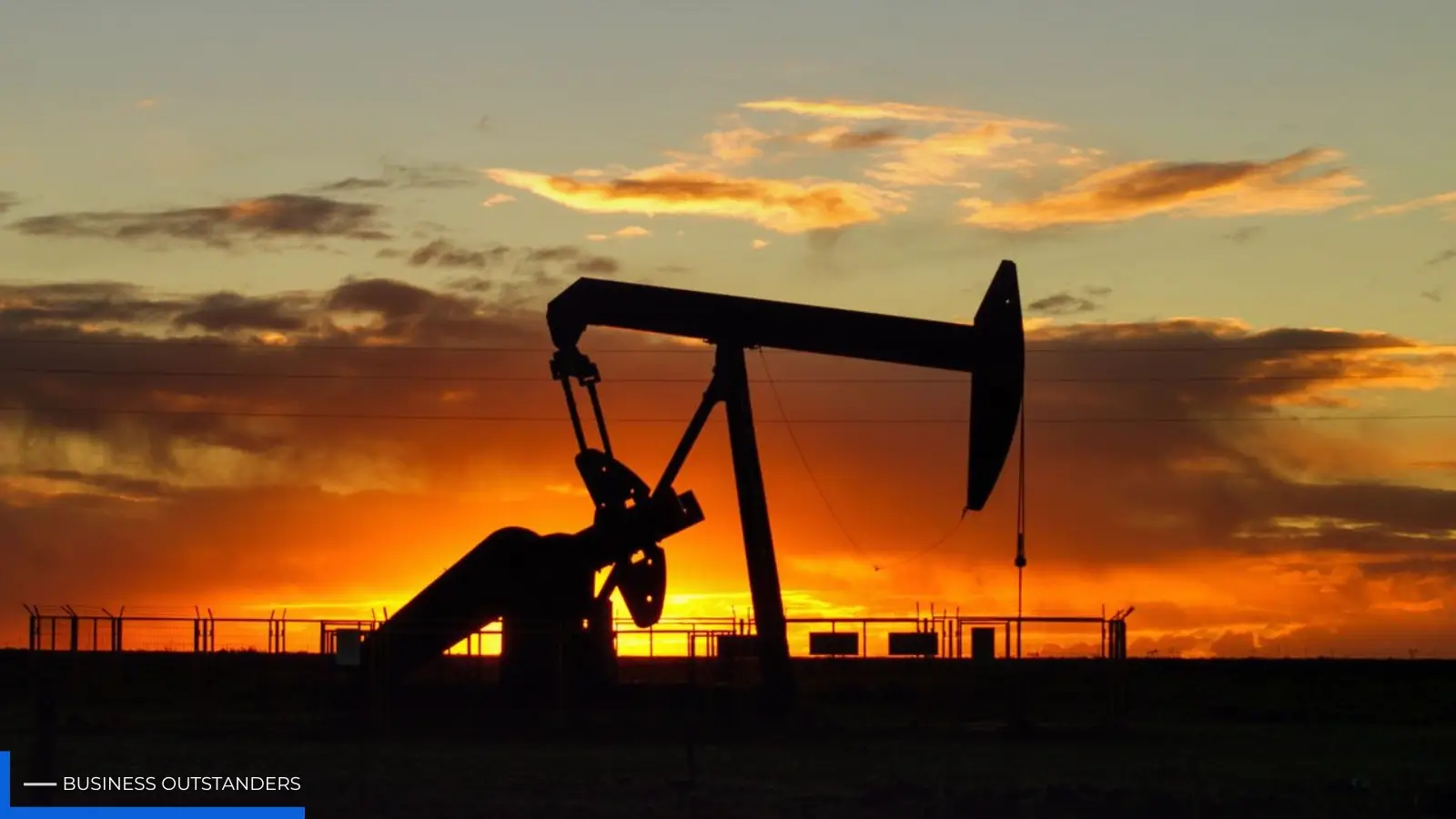
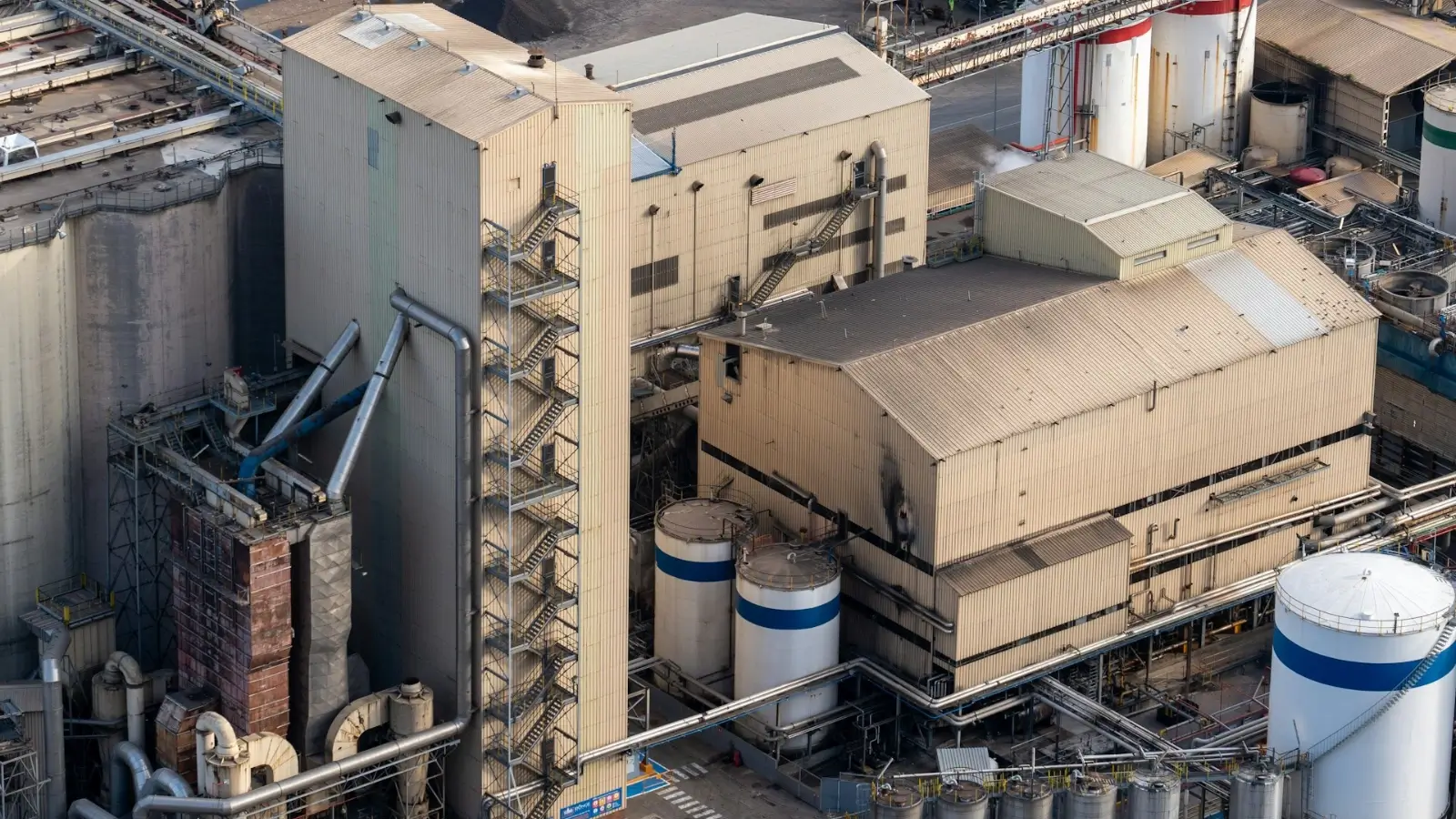
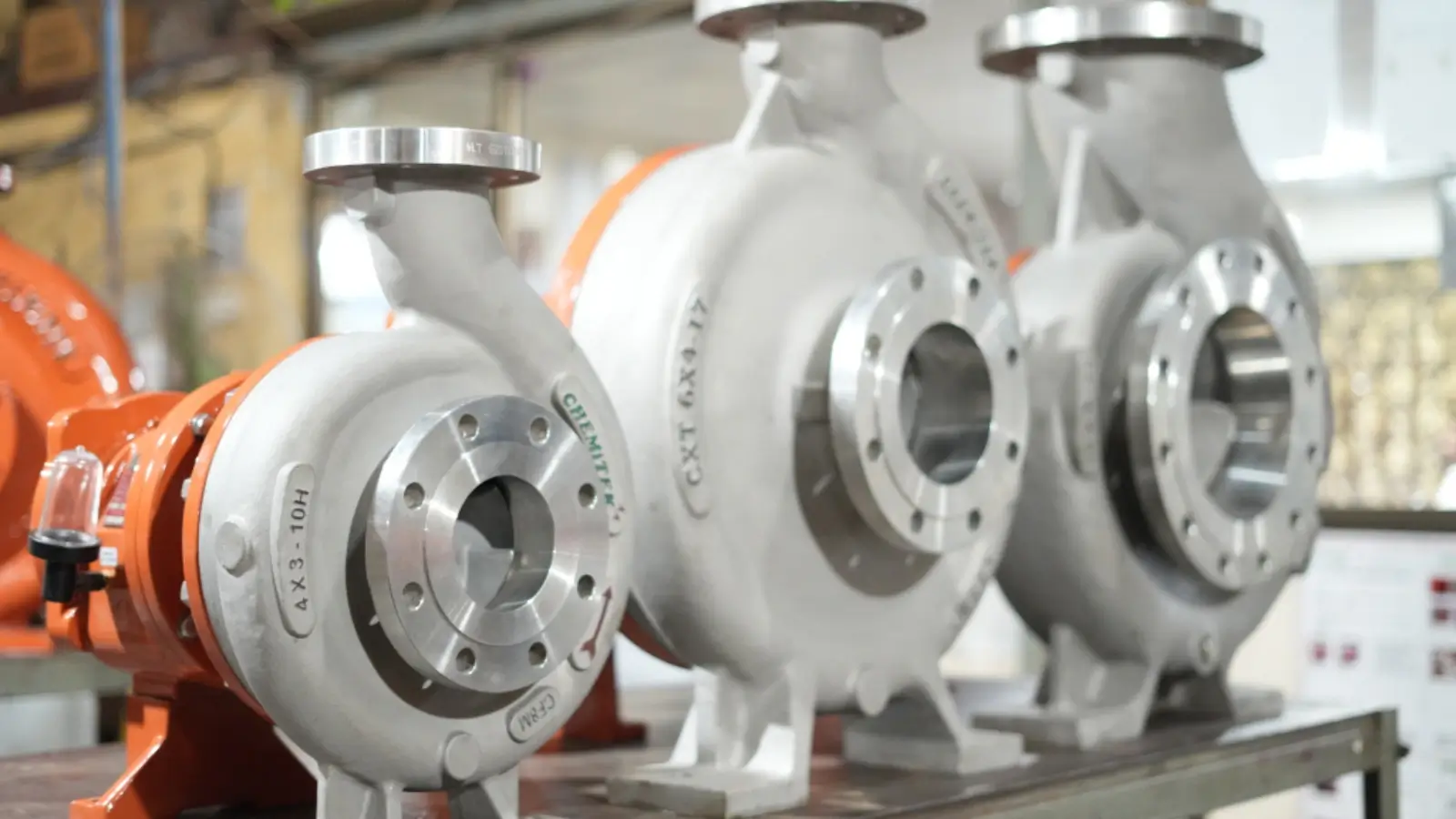
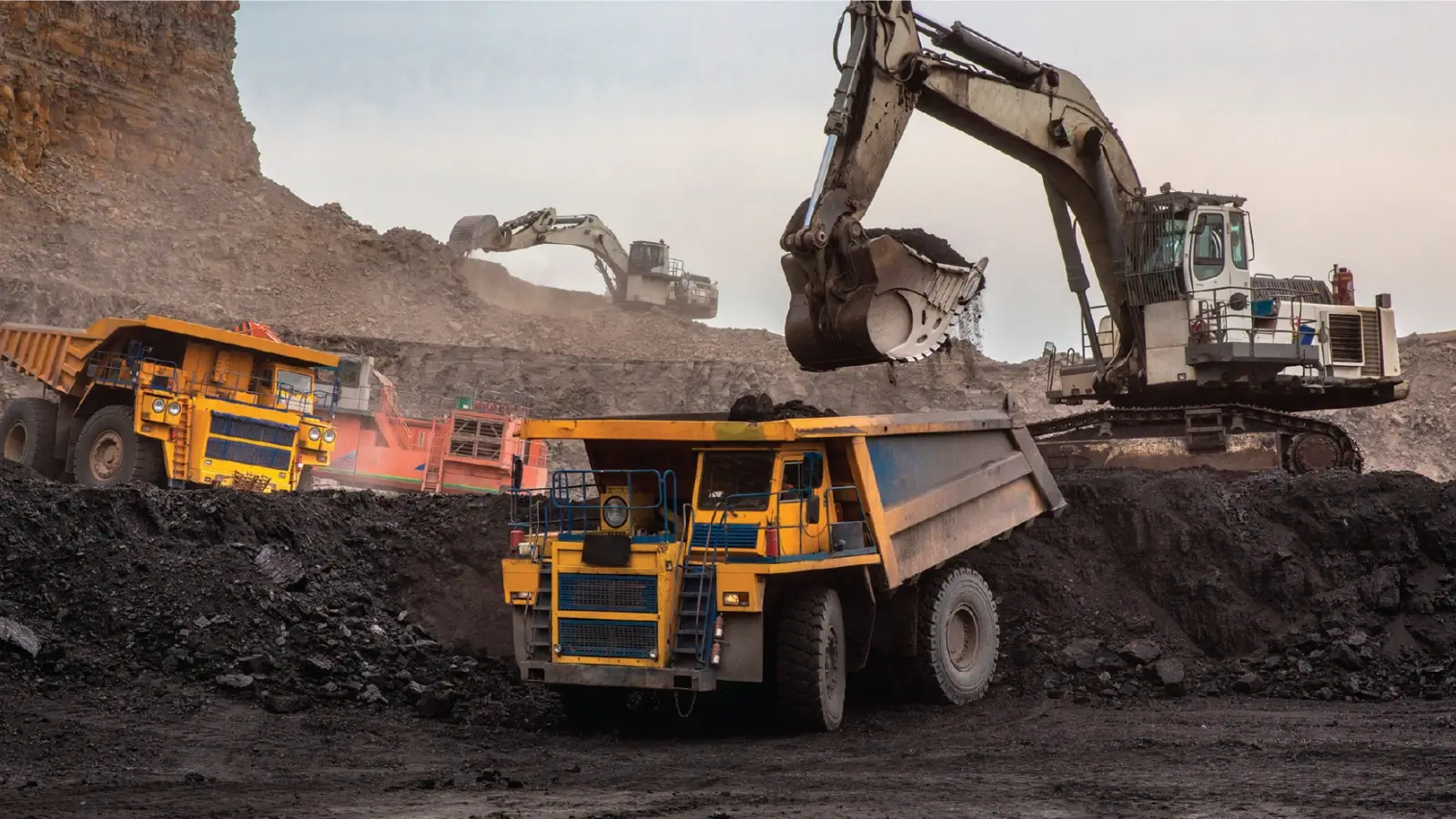
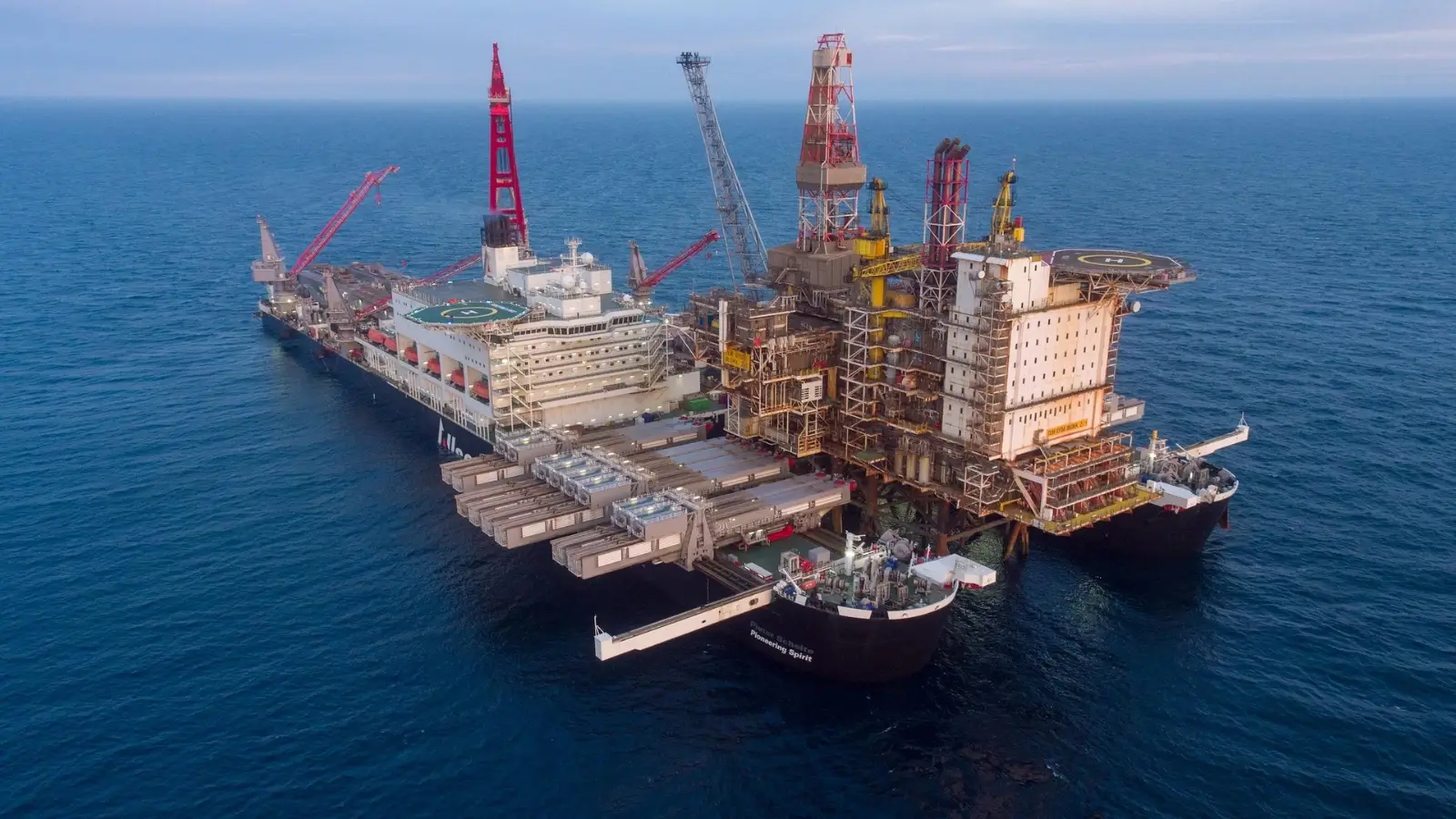
High‑quality images and video showcasing rigs, sites, production activities, and personnel create authenticity. Blurry stock photos won’t cut it. The article on key elements for the design of oil and gas companies calls out this exact issue.
Highlight sustainability and community impact
As ESG (Environmental, Social, Governance) becomes more important, your site should surface sustainability performance, community partnerships, and safety credentials. A tailored focus on these builds trust with investors, regulators, and the public. One recent blog emphasised this for oil and gas websites.
Facilitate investor relations and stakeholder transparency
For companies that serve multiple stakeholders, clear sections for investor relations, downloadable reports, regulatory disclosures, and press updates enhance transparency. These elements must be easy to find and structured logically.
5. Integration with Marketing, Analytics and Ongoing Optimisation
A website should not be static. In the oil and gas industry where markets shift and digital consumption grows, your site must integrate with broader systems and be optimized continuously.
Connect to oil and gas marketing services
Your website needs to work seamlessly with your marketing efforts—lead generation pipelines, email communications, social media strategy, content marketing, event follow‑up. According to research, digital marketing in oil and gas is increasingly important: SEO, podcasting, social media, targeted advertising all play a role. Ensuring your site supports these efforts through clean tracking, tag management, and lead capture forms is key.
Implement analytics, conversion tracking, and feedback loops
Define key performance indicators (KPIs) such as bounce rate, time on page, conversion rate for downloads or quote requests. Ensure analytics platforms are configured and reviewed regularly. Insights from analytics should feed back into content, UX, and design adjustments.
Periodic review and refresh
Design trends, device usage, and industry expectations evolve. Allocate budget for periodic audits of site performance, visuals, content relevance, and user behaviour. One article emphasises the need for fresh content, video and interactive elements for oil and gas websites.
Leverage specialised partner expertise
When you engage professionals for your website, look for firms that understand the unique demands of the sector. Building a site for the oil and gas industry is different to a generic retail site. Having a partner versed in this context—whether for content, visuals or technical integration—is a major advantage. This is particularly important when considering website design & development for oil and gas contexts, just as Centric has done for clients in this sector.
Conclusion
In 2026, companies operating in the oil and gas sector cannot afford to treat their websites as an afterthought. With the right strategic clarity, user‑centric design, technical rigour, brand storytelling, and marketing integration, your website becomes a powerful asset rather than a liability. By paying attention to these five core considerations, your digital presence will support business growth, stakeholder trust, and future readiness in an evolving energy landscape.
Business Outstanders brings you sharp insights on tech, business, entrepreneurship, law, crypto, and more. We uncover what’s next. Stay updated, sign up for our newsletter and be part of the future!