Construction projects move quickly and fire safety can slip into the background until something goes wrong. You see the impact when a single incident halts progress, damages materials, or puts lives at risk. Fires on construction sites and in completed buildings don’t just cause physical damage, they disrupt timelines, strain budgets, and create long-term liability, making regular fire risk assessments essential.
Evolving fire safety regulations and compliance
Fire safety regulations across the US continue to tighten as authorities respond to real incidents and emerging risks. You now face stricter enforcement of standards such as those set by the National Fire Protection Association (NFPA) and the International Building Code (IBC). Inspectors expect clear documentation, compliant designs, and evidence that you’ve applied fire safety measures consistently throughout the building.
You benefit from staying aligned with these standards because it reduces the risk of failed inspections and costly rework. For example, if you specify compliant fire-rated assemblies from the outset, you avoid last-minute redesigns that delay occupancy approvals. Keeping up with code updates also helps you anticipate changes rather than react under pressure.
Material selection and passive fire protection
The materials you choose directly influence how a building responds to a fire. Fire-resistant components can slow the spread of flames, maintain structural stability, and give occupants more time to exit safely. You make these outcomes possible by selecting fire-rated walls, floors, and ceilings that meet tested performance standards.
Products like fire-rated insulation and properly specified drywall board contribute to passive fire protection by containing fire within compartments. When you combine these materials with well-designed assemblies, you create barriers that limit damage rather than allowing it to spread unchecked. This approach also supports compliance, as many codes require specific fire-resistance ratings for different building elements.
Risk management on active construction sites
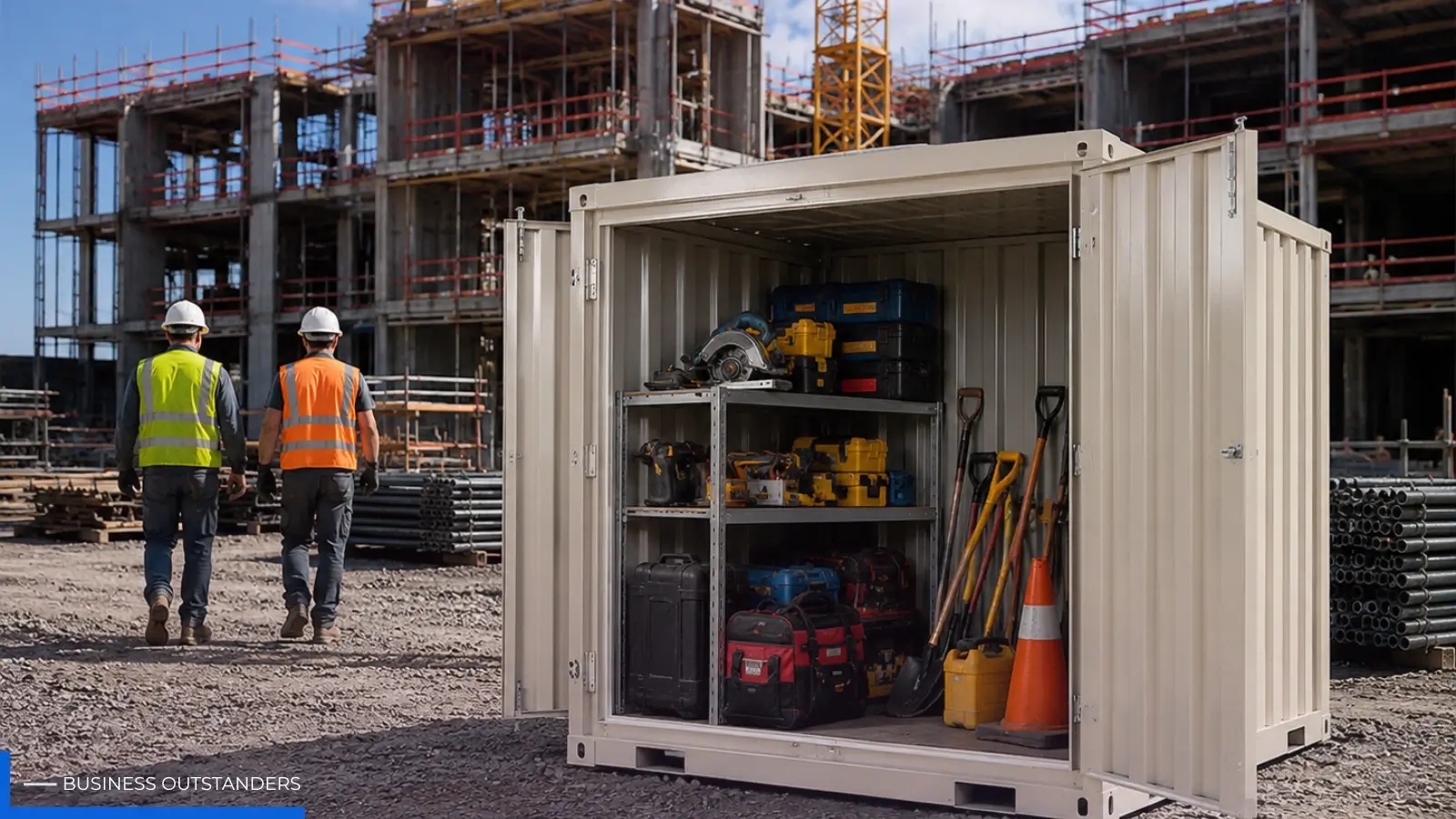
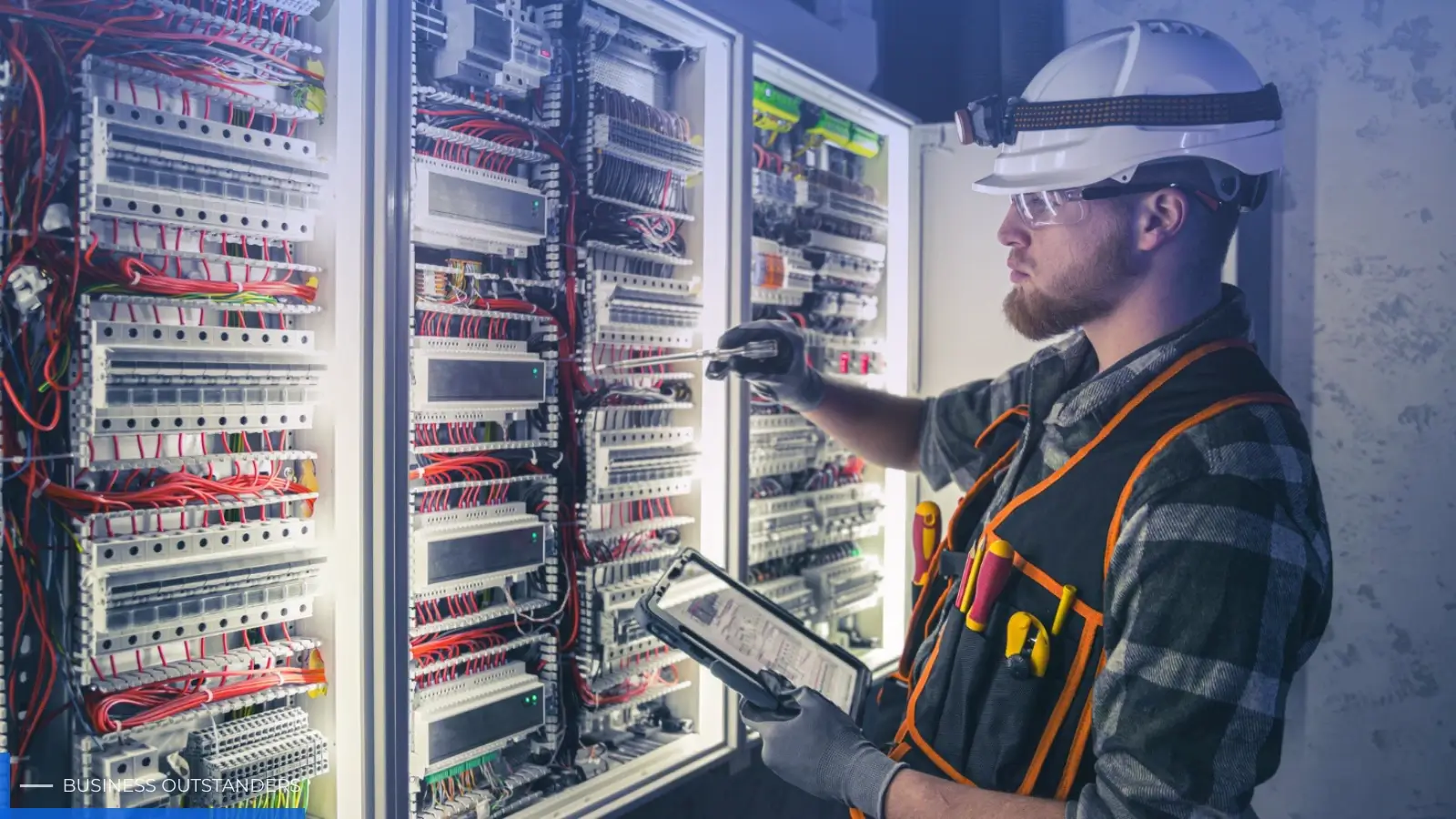
Construction sites introduce unique fire risks that don’t exist once a building is complete. Activities like welding, temporary electrical setups, and the use of portable heaters increase the likelihood of ignition. You also deal with exposed materials and incomplete systems, which can allow fire to spread more quickly.
You reduce these risks by putting clear site protocols in place and ensuring your team understands them. For instance, hot work permits, designated smoking areas, and routine inspections of temporary wiring can prevent small issues from escalating. Train your team to recognize hazards and respond quickly so you can keep the site under control.
Accountability, insurance, and project liability
Fire safety doesn’t just protect the build, it protects your business. When you overlook proper planning, you expose yourself to delays, legal claims, and higher insurance costs. Insurers increasingly assess fire risk when they determine coverage terms, which means your approach to safety directly affects your premiums and policy conditions.
You see the financial impact when a fire leads to project shutdowns or contract disputes. Clients expect you to manage risk effectively, and failing to do so can damage your reputation as well as your bottom line.
Business Outstanders brings you sharp insights on tech, business, entrepreneurship, law, crypto, and more. We uncover what’s next. Stay updated, sign up for our newsletter and be part of the future!