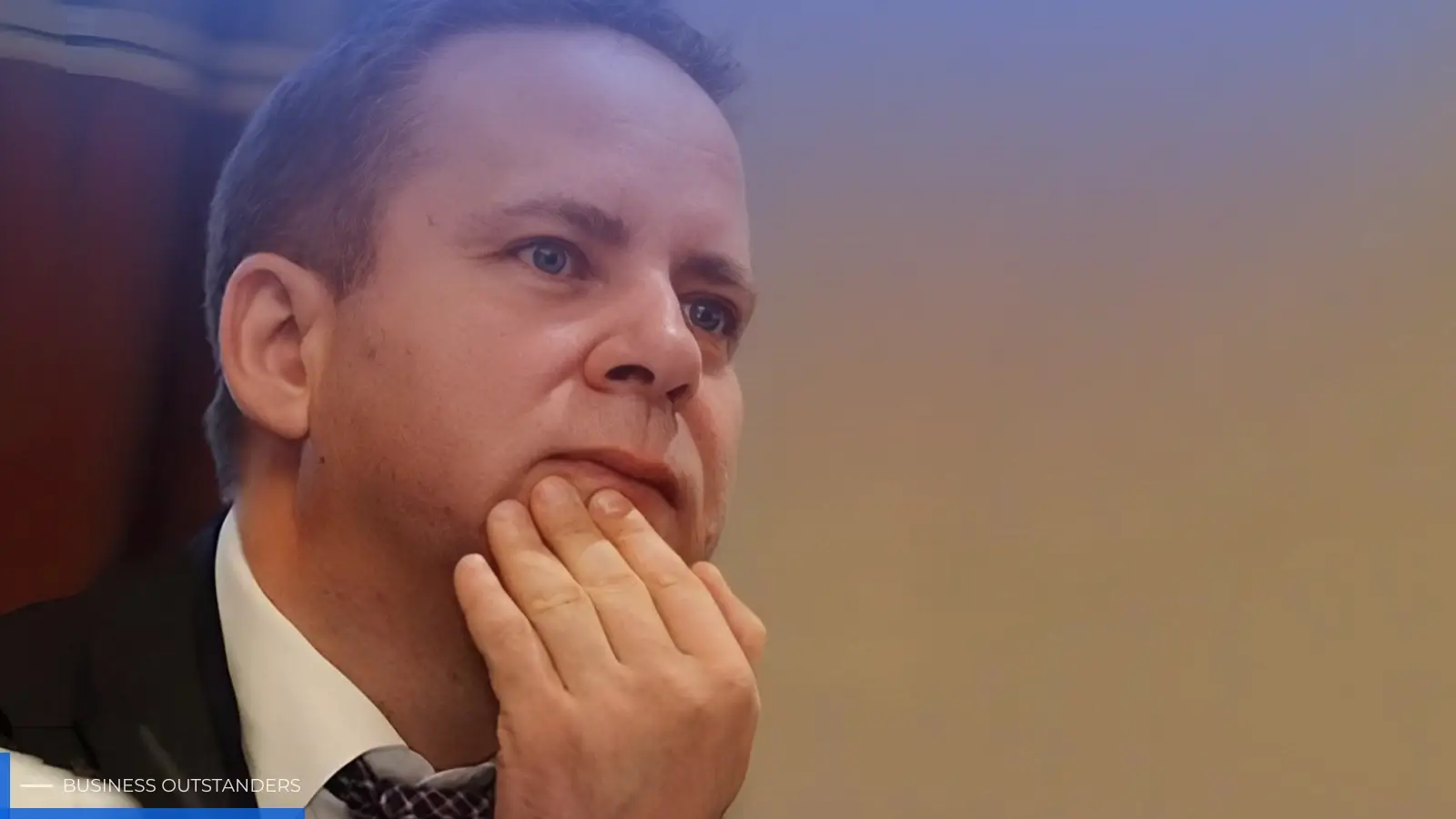
What happens to your wealth when years of gains are tested by a few months of market turbulence?
44% of wealthy Americans identified stock market volatility as one of their biggest financial stressors. Despite significant assets and diversified portfolios, many investors remain concerned about how sudden market swings can affect long-term financial security and retirement planning.
The stakes are even higher for entrepreneurs. Markets will always move in unpredictable cycles. Many entrepreneurs check deferred fixed annuity rates when seeking options that ensure stability amid uncertainty as part of a broader wealth preservation strategy.
The question is whether volatility will arrive or your financial strategy can absorb it. It is particularly when market volatility threatens both business income and investment portfolios.
Why Entrepreneurs Face This Unique Risk
Most entrepreneurs carry a double exposure. Their income depends on business performance, and their retirement savings ride on market performance. When both take a hit simultaneously, the damage can be severe and lasting.
Research on affluent investors found that increased stock market volatility and geopolitical uncertainty contributed to a 35-percentage-point year-over-year rise in the share of respondents worried about their financial future.
The findings highlight a reality many entrepreneurs already understand. Preserving wealth requires balancing growth opportunities with strategies designed to reduce exposure to unpredictable market swings.
Anchor a Portion of Wealth to Guaranteed Returns
One of the most effective tools for protecting wealth against volatility is allocating a defined portion of your portfolio to fixed, guaranteed financial instruments. Products with locked interest rates and no direct market exposure remove the unpredictability that erodes long-term wealth accumulation.
Let’s suppose you lock in annuity rates for a set period, typically two to ten years. Entrepreneurs can create a protected layer of capital that grows regardless of what the stock market does. The interest compounds without the risk of a single bad quarter wiping out months of gains.
AnnuityAdvantage notes that these instruments behave similarly to certificates of deposit but often carry more favorable rates over longer guarantee periods. This approach is not about abandoning growth. It is about building a financial floor.
Once a guaranteed base exists, the riskier parts of a portfolio, like equities or private investments, can chase higher returns without threatening long-term financial security.
Diversify Across Asset Classes, Not Just Sectors
Sector diversification alone is not enough. Entrepreneurs who spread investments across technology, real estate, and manufacturing still carry correlated risk when a broad market event strikes. It is because most asset classes decline together during sharp downturns.
Research published by the Financial Planning Association found that affluent investors reported significantly higher levels of concern about their financial future amid rising market volatility and economic uncertainty.
The findings reinforce a growing shift toward diversification strategies that balance long-term growth opportunities with assets designed to provide greater stability during unpredictable market cycles.
For entrepreneurs specifically, a practical allocation might include growth-oriented equities. Some exposure to real assets like real estate, and a core of fixed-rate instruments that deliver guaranteed returns. The fixed layer absorbs the impact when the growth layer stumbles.
Plan for Sequence Risk Before It Arrives
Sequence of returns risk is one of the least discussed but most damaging threats to entrepreneurial wealth. It refers to the timing of market losses relative to withdrawals. A sharp market decline in the early years of retirement can permanently reduce how long a portfolio lasts, because the shares sold at depressed prices to fund living expenses can never recover their value.
“The extra shares sold to meet a spending goal when markets are down are no longer available to experience the growth of any subsequent market recovery.”— Wade D. Pfau, PhD, retirement income expert and Professor of Practice at The American College of Financial Services.
Financial advisors consistently recommend addressing this risk 3 to 5 years before transitioning out of active business income. Building a reliable income stream that does not depend on market performance gives entrepreneurs the flexibility to leave growth assets untouched during downturns and let them recover naturally.
Build Discipline Into the Strategy
Research consistently shows that investor behavior can significantly reduce long-term returns. Morningstar's annual Mind the Gap study found that the average investor tends to earn less than the funds they invest in.
It is because they sell in fear during downturns and buy back in too late. Entrepreneurs, under pressure to perform across multiple fronts, are especially vulnerable to this behavioral trap.
FAQs
How can entrepreneurs protect their wealth during market volatility?
Entrepreneurs can protect wealth by diversifying across asset classes, maintaining adequate cash reserves, incorporating guaranteed-income strategies, and reducing dependence on market-driven assets. A balanced approach helps preserve capital during downturns while allowing long-term investments to continue growing when markets recover.
What is the sequence of returns risk, and why does it matter?
Sequence of returns risk occurs when significant market losses happen shortly before or during retirement withdrawals. Early losses can permanently reduce portfolio longevity because assets are sold at lower values. Establishing reliable income sources before retirement can help minimize this risk.
Are fixed-rate financial products useful during market downturns?
Fixed-rate financial products can provide stability when markets become volatile because they are not directly tied to stock market performance. They may help create a predictable foundation within a broader portfolio, allowing growth-oriented investments more time to recover from temporary market declines.
Essential Risk Management Insights for Entrepreneurs
|
Topic |
Key Data Point |
Takeaway |
|
Market Volatility |
44% of wealthy Americans cite market volatility as a major financial stressor. |
Wealth preservation remains a top concern. |
|
Entrepreneurial Exposure |
Business income and investment assets often face risk simultaneously. |
Entrepreneurs carry concentrated financial risk. |
|
Investor Sentiment |
Concerns about financial security rose by 35 percentage points year over year. |
Demand for stability-focused strategies is growing. |
|
Guaranteed Growth |
Fixed annuities commonly offer 2–10 year guarantee periods. |
Creates a market-independent growth layer. |
|
Diversification |
Asset-class diversification can reduce correlated risk. |
Protection extends beyond sector diversification. |
|
Sequence Risk |
Early retirement losses can shorten portfolio longevity. |
Timing matters as much as returns. |
|
Retirement Preparation |
Advisors often recommend planning 3–5 years before retirement. |
Early preparation improves flexibility. |
|
Investor Behavior |
Many investors underperform due to emotional decisions. |
Discipline can improve long-term outcomes. |
|
Financial Floor |
Stable assets can complement growth investments. |
Balances protection and opportunity. |
|
Core Lesson |
Market volatility is unavoidable. |
Preparation determines the impact. |
Always separate emotion from the equation if you want your wealth management strategy to stay at bay. Automatic contributions, locked-in instruments, and clear asset allocation rules create a system that works even when markets create panic. Volatility will return. The goal is to make sure your wealth does not have to absorb its full impact.
Diversifying across asset classes, establishing reliable income sources, and addressing sequence risk before retirement can help create a stronger financial foundation.
Market downturns are inevitable, but reacting to them does not have to be. The most resilient entrepreneurs are not those who predict every market movement correctly. Over time, that discipline can make the difference between preserving wealth and watching years of progress erode during periods of turbulence.
Business Outstanders brings you sharp insights on tech, business, entrepreneurship, law, crypto, and more. We uncover what’s next. Stay updated, sign up for our newsletter and be part of the future!