All around the globe, industrial supply chains are at a turning point. They are diversifying as they seek ways to reduce their reliance on current sources of supply. Increasing costs in logistics and other areas, uncertainties in geopolitical and economic environments, manufacturing disruptions, and changes in global trade are prompting companies to seek alternative sources of procurement to ensure reliable supplies for the foreseeable future.
In this light, foreign companies are increasingly looking at potential suppliers in other industrialising countries like those in Latin America. In particular, companies could consider specialized Latin American industrial suppliers, such as ZINSA, a Peruvian company focused on zinc-based products and non-ferrous metals for industrial applications.
Why is Supplier Diversification Becoming Popular?
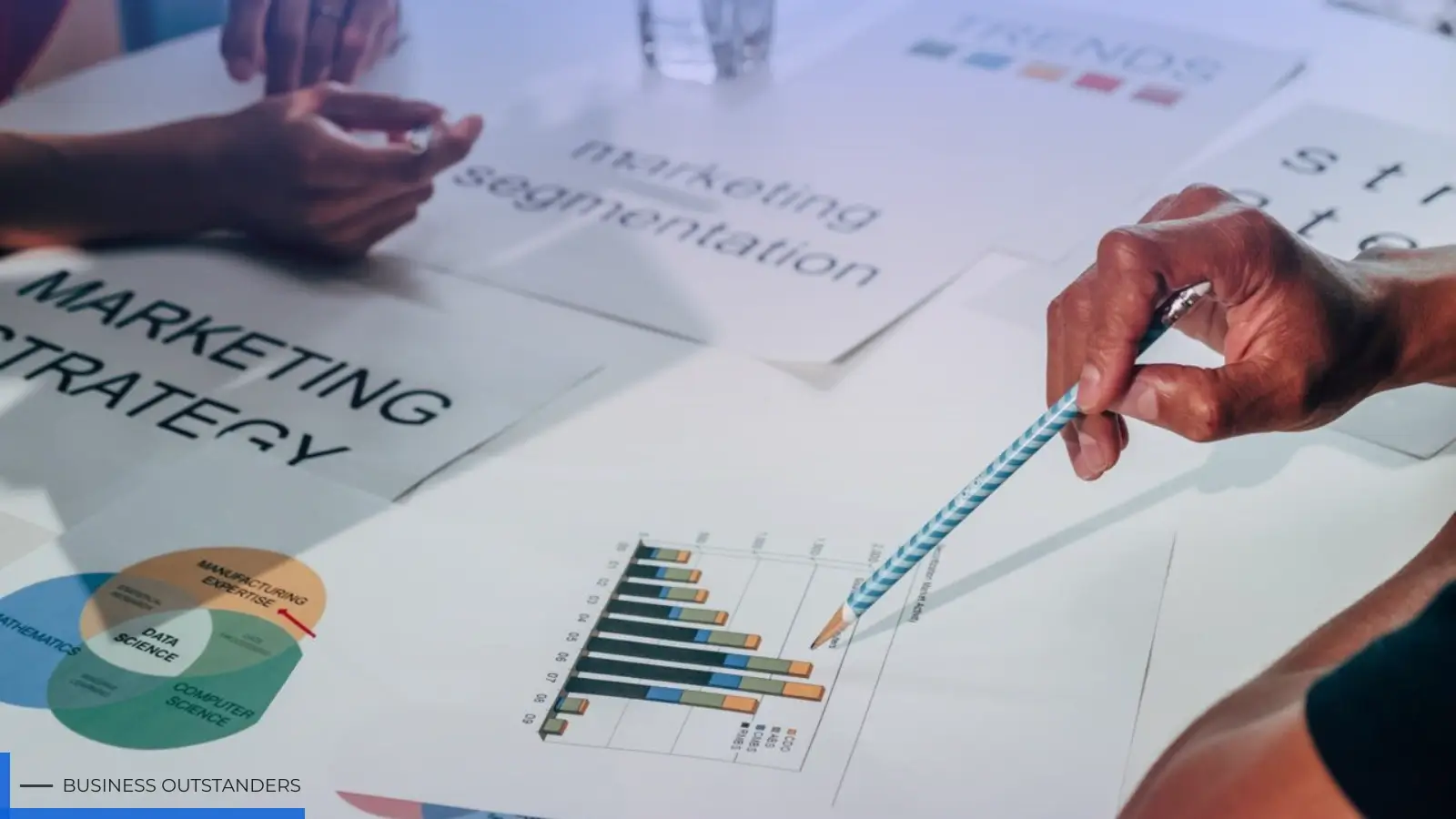
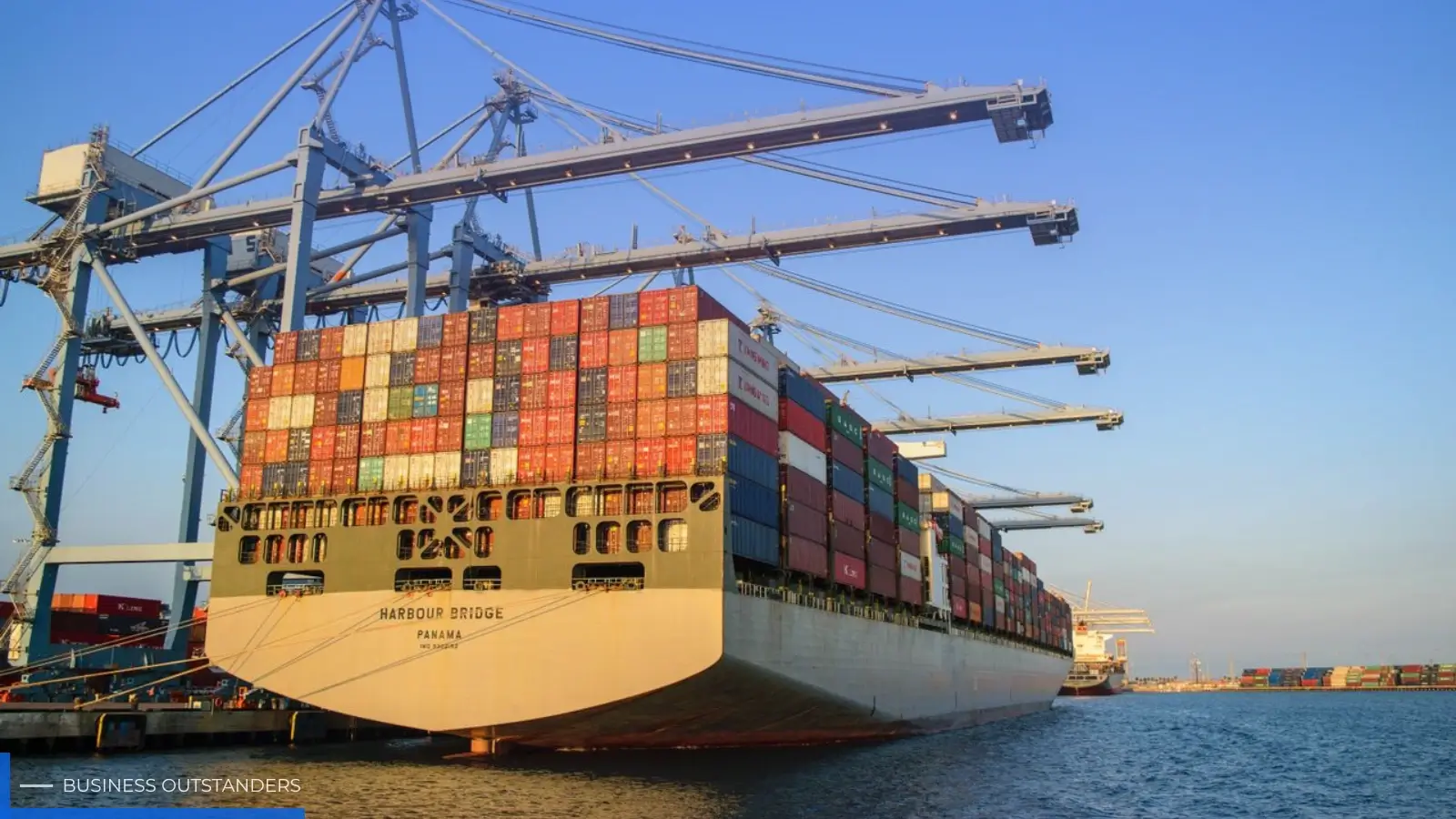
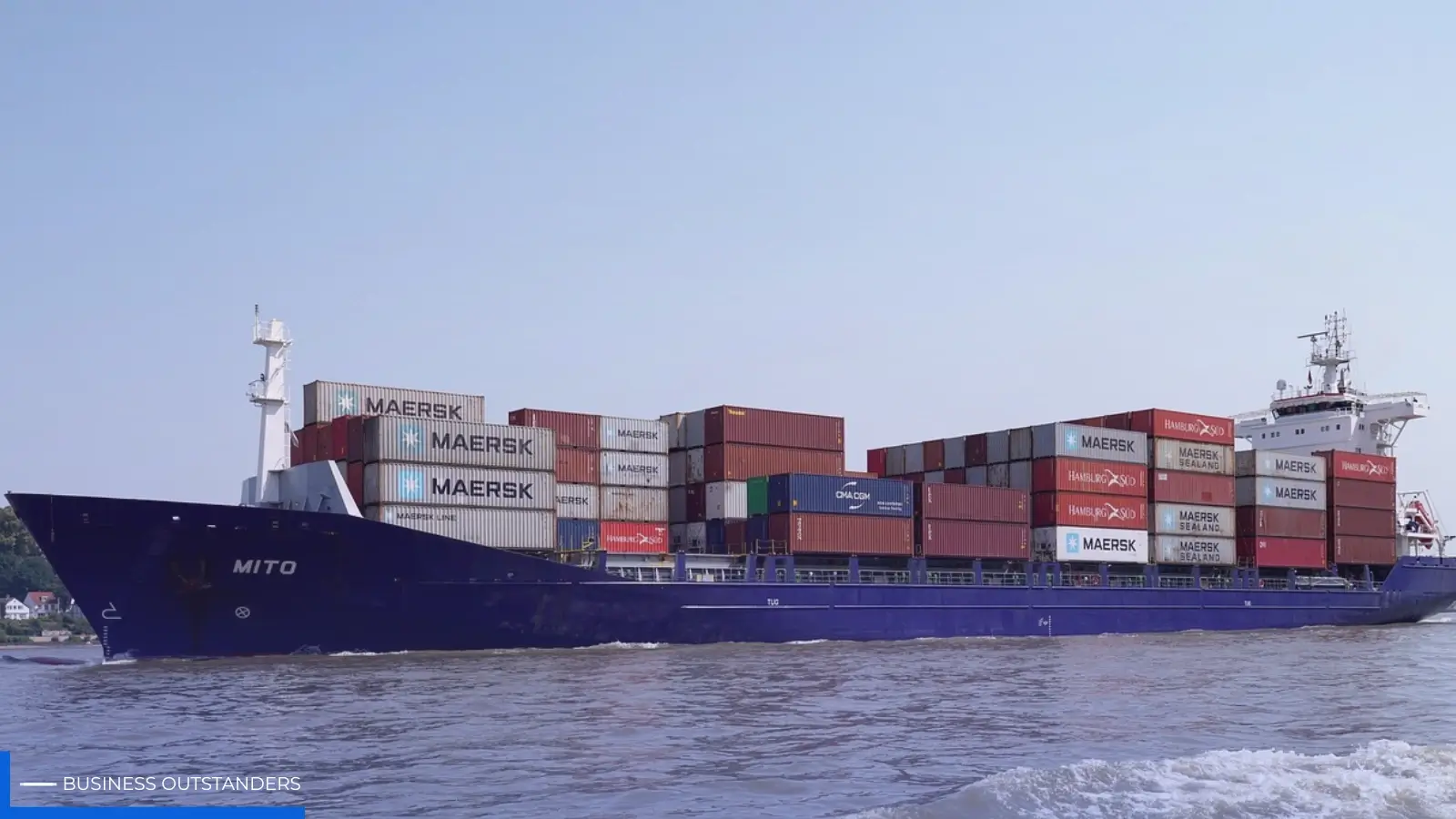
Traditionally, sourcing strategies were mainly oriented toward cost-effectiveness and mass production capacity. Despite the benefits gained from such a strategy, recent disruptions have shown how vulnerable supply chains may be to any kind of instability. Industrial companies were affected by delayed delivery times, scarcity of suppliers, increased freight rates, and operational challenges due to disruptions in sourcing markets.
Therefore, more procurement departments are trying to lessen their dependence on single sourcing countries and work with suppliers in different regions. Some of the key drivers behind diversification are:
- Disruptions in the supply chain and shipping delays
- Higher operational costs
- Geopolitical instability
- Flexibility in sourcing
- Long-term continuity concerns
The Importance of Latin America in Industrial Sourcing
Latin America has been gaining increasing significance as part of an overall approach towards global industrial sourcing. Such countries like Peru, Mexico, Brazil, and Colombia are developing their industrial capacity along with increased engagement in the international B2B logistics chain.
On the one hand, Latin America allows for regional diversification for those companies that procure products from overseas markets. On the other hand, there is a special industrial specialisation of this region.
In particular, metal processing industries have been gaining popularity lately. It is worth mentioning that there is an emerging trend in global industrial sourcing. Today companies care not only about price and productivity factors but also about reliability and stability. Within this evolving environment, specialized Peruvian industrial companies such as ZINSA are increasingly becoming part of wider international sourcing conversations related to industrial continuity and diversified procurement strategies.
The Role of Specialised Industrial Suppliers
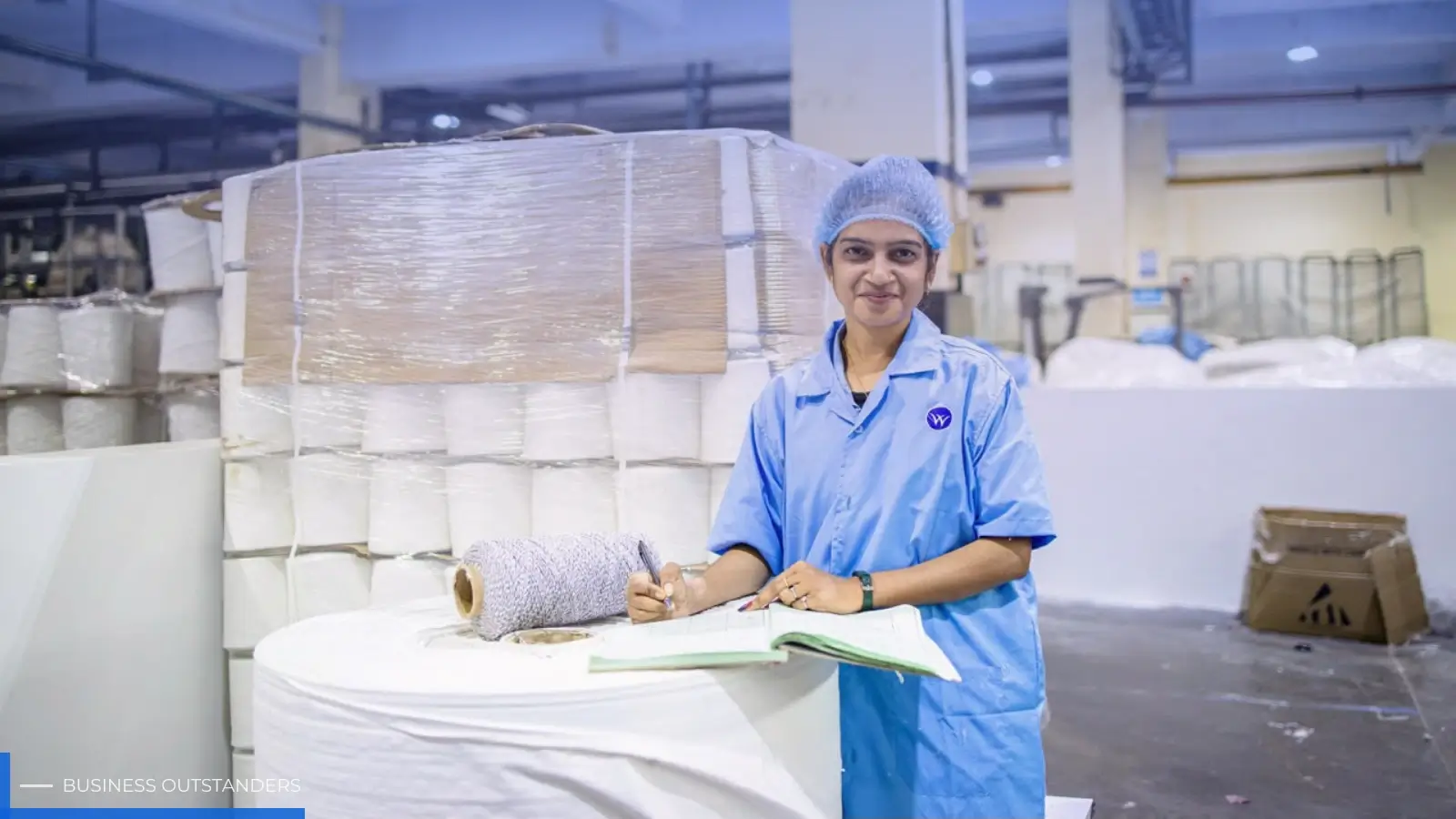
The industrial procurement process in today's world requires technologically specialised suppliers who will be able to satisfy the needs of specific industrial applications. For many industries, availability and consistency of their products have become as important a consideration as price factors.
It is possible for specialised suppliers to assist international clients through application-oriented materials, technological know-how, and flexible sourcing. Such qualities are essential for companies that work in industries where stability of industrial supplies is necessary for their planning. Benefits of specialised industrial suppliers:
- Technological specialization for industrial use
- Flexible sourcing possibilities
- No dependency on one particular supplier market
- Planning for supply continuity
Increased Involvement of Peru in B2B Supply Chains
Peru has developed industrial capabilities connected to zinc-based products, non-ferrous metals, industrial processing, and manufacturing applications. This means that some companies in Peru have found their way into discussions related to industrial sourcing diversification and international sourcing.
The matter of supply chain diversification is centred on companies dealing in products related to corrosion protection, galvanising, and industrial raw materials, among other products, that may be utilised by companies for business-to-business purposes. Buyers internationally are actively taking notice of suppliers who can both specialise technically and leverage geographical diversification.
Moreover, supplier diversification does not simply mean shifting sourcing from one geographical area to another. It involves building more balanced and resilient procurement networks capable of adapting to changing global conditions. In this context, ZINSA reflects how specialized Peruvian companies focused on zinc-based products and non-ferrous industrial applications can contribute to broader supply diversification efforts for international buyers.
Procurement Approaches Have Become More Elastic
Multinational corporations have begun adopting a procurement strategy where conventional sources are mixed with different alternatives in various regions. This is important for minimising business risk and ensuring more flexible sourcing processes.
The current issues being deliberated by procurement departments include:
- How centralised are existing sourcing networks?
- In what other regions can we achieve more flexible sourcing options?
- How can supply continuity be ensured?
- How much can specialised industrial suppliers contribute to the process?
These are some of the factors determining current multinational industrial sourcing approaches.
How Regional Sourcing Promotes Operational Stability Over Time
Several manufacturers are coming to realise that diversifying their regional sourcing strategy can benefit their long-term operational stability. Too much reliance on one particular region can pose problems in the event of any disruptions related to transportation, production, or trade.
Diversifying supplier locations to include a number of different regions can help a business become more flexible during procurement without putting its industrial operations at risk of disruption. It will also help the company better adapt to market dynamics without having to compromise manufacturing and procurement processes.
As far as international purchasers go, engaging suppliers from new emerging industrial regions, like Latin America, has become a component of their strategy for becoming more resilient.
Conclusion
The quest to ensure diversified supply chain is altering how industrial businesses approach their procurement and international sourcing efforts. In addition to focusing on price and manufacturing capability, firms are now taking into consideration resilience and adaptability when sourcing.
With time, the role that specialists from Latin America will play in this regard is set to be even more pronounced. For international buyers, developing a network of suppliers in different continents could soon emerge as a necessity rather than an option.
Business Outstanders brings you sharp insights on tech, business, entrepreneurship, law, crypto, and more. We uncover what’s next. Stay updated, sign up for our newsletter and be part of the future!