Key Takeaways
- Technological integration, including AI, IoT, and robotics, is revolutionizing warehousing in 2026.
- Automation and data analytics not only reduce operational costs but also provide enhanced control and visibility.
- Sustainable practices are being prioritized to align with regulatory and consumer expectations.
- Warehousing workforce roles are shifting, underscoring the importance of training and collaboration between humans and machines.
In 2026, the warehousing industry is rapidly transforming due to technological progress and shifting consumer expectations. Warehouse Phoenix AZ, is embracing automation, artificial intelligence, and eco-friendly initiatives to streamline operations and boost efficiency. Businesses seeking competitive advantages in logistics are increasingly exploring innovative solutions like Freeport Logistics, which offers comprehensive warehousing services to adapt to these evolving needs. The drive toward more efficient supply chains is also encouraging companies to rethink traditional logistics models and seek flexible, sustainable alternatives.
Today's warehouses are not just storage spaces. They are high-tech hubs that utilize the latest advancements to ensure quick, precise, and sustainable delivery of goods. Technological integration, from IoT sensors to AI-powered analytics, is now seen as a vital component for maintaining a resilient supply chain. As digital transformation takes center stage, the demand for advanced warehousing solutions in major logistics hubs has never been higher.
In parallel, many businesses are partnering with third party warehousing companies to access new technologies, share costs, and improve scalability. The flexibility of third-party partners allows organizations to respond efficiently to fluctuations in demand, regulatory changes, and rising sustainability standards, helping them remain agile in today’s competitive landscape.
Automation and Robotics
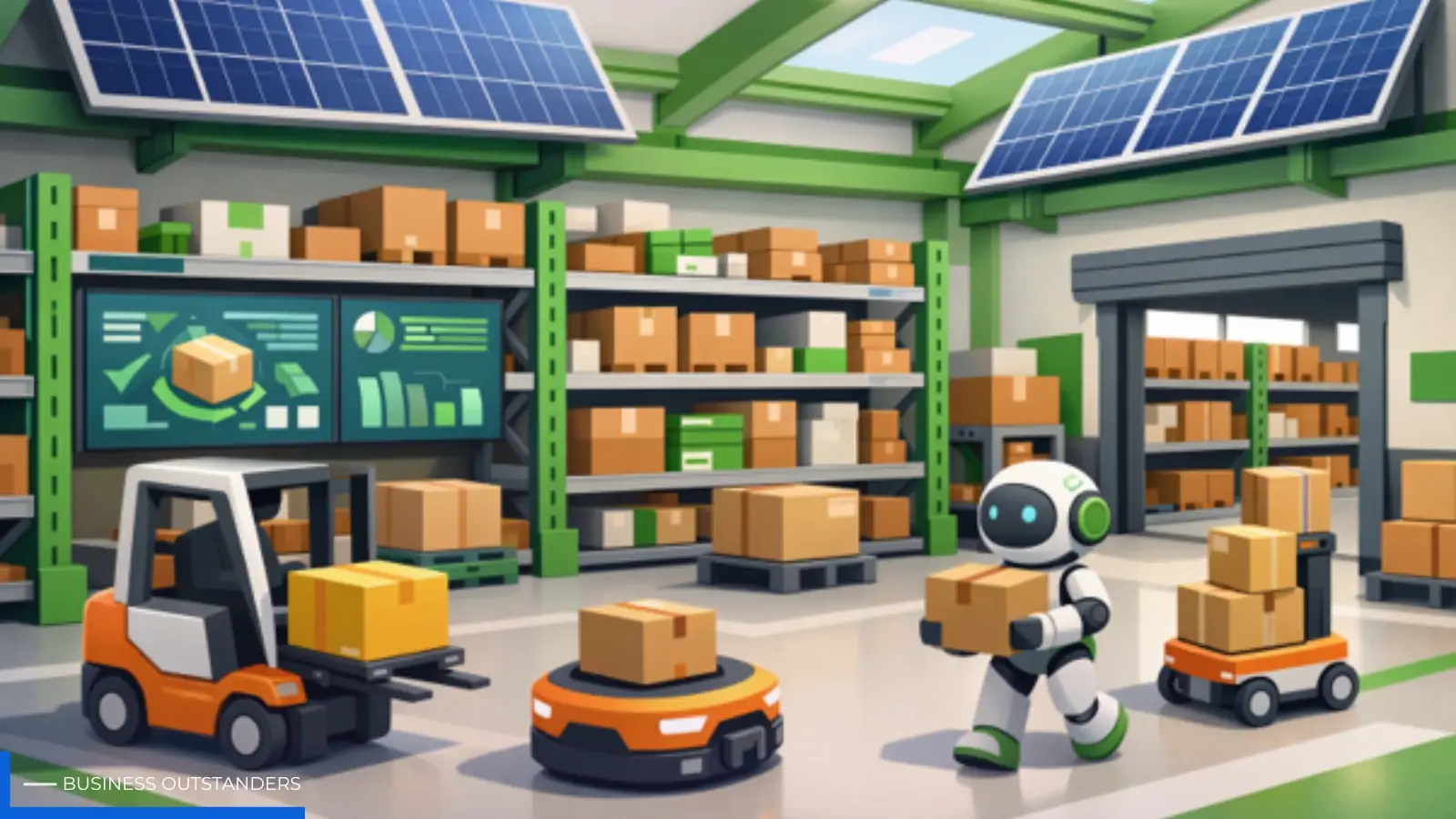
Warehouse automation continues to gain momentum in 2026, as companies seek to manage labor shortages, reduce expenses, and increase productivity. Robotic arms and autonomous mobile robots (AMRs) are key tools for picking, sorting, and transporting goods. Thanks to automated systems like these, order fulfillment has become faster and more reliable, with fewer errors or workplace injuries. According to recent coverage in The Wall Street Journal, robotics adoption is now a mainstream strategy for improving throughput and minimizing physical strain on human workers.
AI and Machine Learning
Artificial intelligence and machine learning are at the heart of next-generation warehousing. By harnessing predictive analytics and demand forecasting, warehouses can intelligently plan inventory, reduce stockouts, and optimize supply chain flows. “Composite AI” – the application of multiple AI methods for more comprehensive insights is on the rise, helping companies automate both daily and strategic decisions. The integration of AI into supply chain operations is helping organizations respond in real time to supply and demand shifts.
Internet of Things (IoT)
IoT technology is giving warehouses unprecedented access to real-time information on inventory, equipment, and environmental factors like temperature and humidity. Sensors and networked devices provide continuous updates, facilitate predictive maintenance, and greatly enhance inventory accuracy. Warehouses now routinely leverage IoT to ensure perishable goods are safely stored and to track shipments at every point in the process, dramatically increasing the transparency and accountability of modern logistics networks.
Sustainability Initiatives
The push for sustainability is reshaping warehouse design and operations in ways that reflect both environmental stewardship and business efficiency. Facilities are adopting solar panels, LED lighting, water-saving technologies, and recyclable packaging materials to reduce their carbon footprint. Regulatory bodies and consumers alike are demanding greener supply chains, making sustainability a competitive imperative rather than just a compliance concern. Modern warehouses are pursuing certifications and taking active steps to minimize waste and emissions, as examined by Reuters Sustainability Reports.
Data Analytics and Real-Time Tracking
Contemporary warehouses deploy advanced analytics platforms to monitor every aspect of operations, from workforce performance to delivery timelines. Real-time tracking of shipments and assets not only improves customer service but also empowers managers to quickly identify bottlenecks or errors and address them proactively. The rise of cloud-based management systems enables immediate access to performance metrics, facilitating faster response times and continuous improvement. These tools are now essential for cost control and strategic planning in a rapidly changing logistics environment.
Workforce Augmentation
Despite the increasing role of machines, human workers remain integral, especially for decision-making and complex problem-solving. Workforce augmentation centers on using technology to empower employees rather than replace them. Training programs in 2026 focus on teaching staff to operate, maintain, and interpret data from automated systems. The synergy between skilled workers and advanced automation is raising productivity and job satisfaction. The result is a new industry standard where humans and machines work side by side for greater efficiency and output.
Challenges and Considerations
While new technologies bring substantial advantages, they also present challenges. The initial investment in automation, AI, and IoT can be high, creating barriers for smaller operations. Training employees to operate advanced technology requires time and commitment, and there are also significant cybersecurity risks to manage. Successful implementation often hinges on careful change management and ongoing support, ensuring employees are engaged, and systems perform optimally. Furthermore, regulatory compliance and privacy concerns add layers of responsibility for warehouse managers navigating these changes.
Conclusion
The warehousing landscape in 2026 is defined by adaptation and innovation. Technology is playing a critical role in transforming warehouses into strategic, data-driven assets, while sustainability drives new standards for efficiency and accountability. Companies that invest in automation, AI, IoT, and eco-friendly practices will be best positioned to meet the evolving demands of modern supply chains and customer expectations. Staying abreast of industry trends and leveraging innovative solutions will be crucial for ongoing success in the fast-moving world of logistics.
Business Outstanders brings you sharp insights on tech, business, entrepreneurship, law, crypto, and more. We uncover what’s next. Stay updated, sign up for our newsletter and be part of the future!