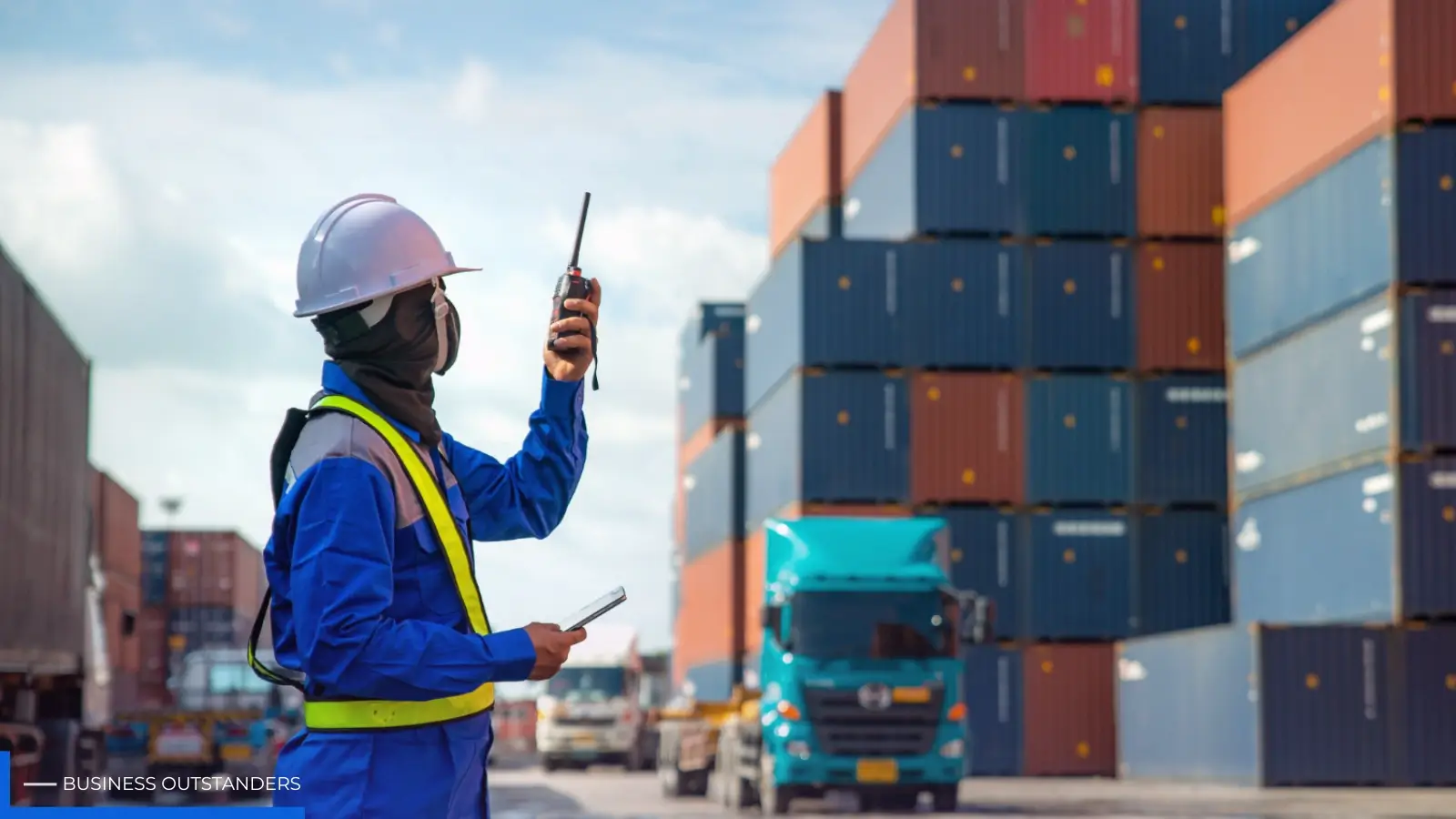
If you manage logistics for a growing brand, you know the daily frustration of watching a product sit idle on a loading dock. Delayed shipments, misaligned schedules, and disconnected vendors turn a simple distribution plan into a logistical nightmare. Every hour your product spends in transit between a warehouse and a separate co-packing facility is an hour it isn't generating revenue on a retail shelf.
The industry is quickly realizing that separated logistics processes are no longer sustainable. Brands are shifting their strategies, and reliance on outsourced fulfillment is growing rapidly. In fact, the global contract packaging and fulfillment market is projected to reach $198.77 billion by 2031 as companies scramble for greater operational efficiency.
Traditional supply chains create inherent bottlenecks by separating warehousing, co-packing, and transportation. Consolidating these critical functions under one roof is the most effective way to eliminate delays, protect your profit margins, and accelerate your overall speed-to-market.
Key Takeaways
- Fragmented supply chains create costly bottlenecks: Moving products between separate vendors increases transit time and delays shelf-readiness.
- Integrated, asset-based 3PLs are the solution: Housing co-packing, warehousing, and transportation together eliminates unnecessary freight costs and speeds up distribution.
- Brampton provides a strategic geographic advantage: Locating your logistics operations in Brampton’s massive infrastructure network gives North American distributors a distinct competitive edge.
The Root Cause of Co-Packing Bottlenecks
Moving products between isolated facilities is the primary culprit behind modern supply chain delays. Picture a standard workflow: bulk goods arrive at your primary warehouse, but they need custom kitting before they can hit retail shelves. You load those pallets onto a truck, ship them across town to a third-party co-packer, wait in their production queue, and then load them back onto another truck to return to a distributor.
Each of these steps introduces hidden costs, transit delays, and a higher risk of product damage. You are paying for freight twice, simply to get your own product ready for sale. The financial risk of this disjointed approach is staggering.
Poor data quality and fragmented supply chain strategies cost organizations an average of $12.9 million annually.
This fragmentation creates a massive blind spot for operations managers. When multiple vendors use different inventory management systems, tracking a specific SKU becomes nearly impossible. You lose visibility, and when a delay happens, vendors often point fingers at one another rather than solving the problem.
When businesses in the Greater Toronto Area struggle with these fragmented supply chains, partnering with top-tier logistics companies in Brampton becomes the most effective strategy to bypass bottlenecks and get products retail-ready faster. Consolidating your operations locally stops the endless cycle of loading and unloading goods just to complete basic assembly.
The Integrated 3PL Ecosystem: Housing Everything Under One Roof
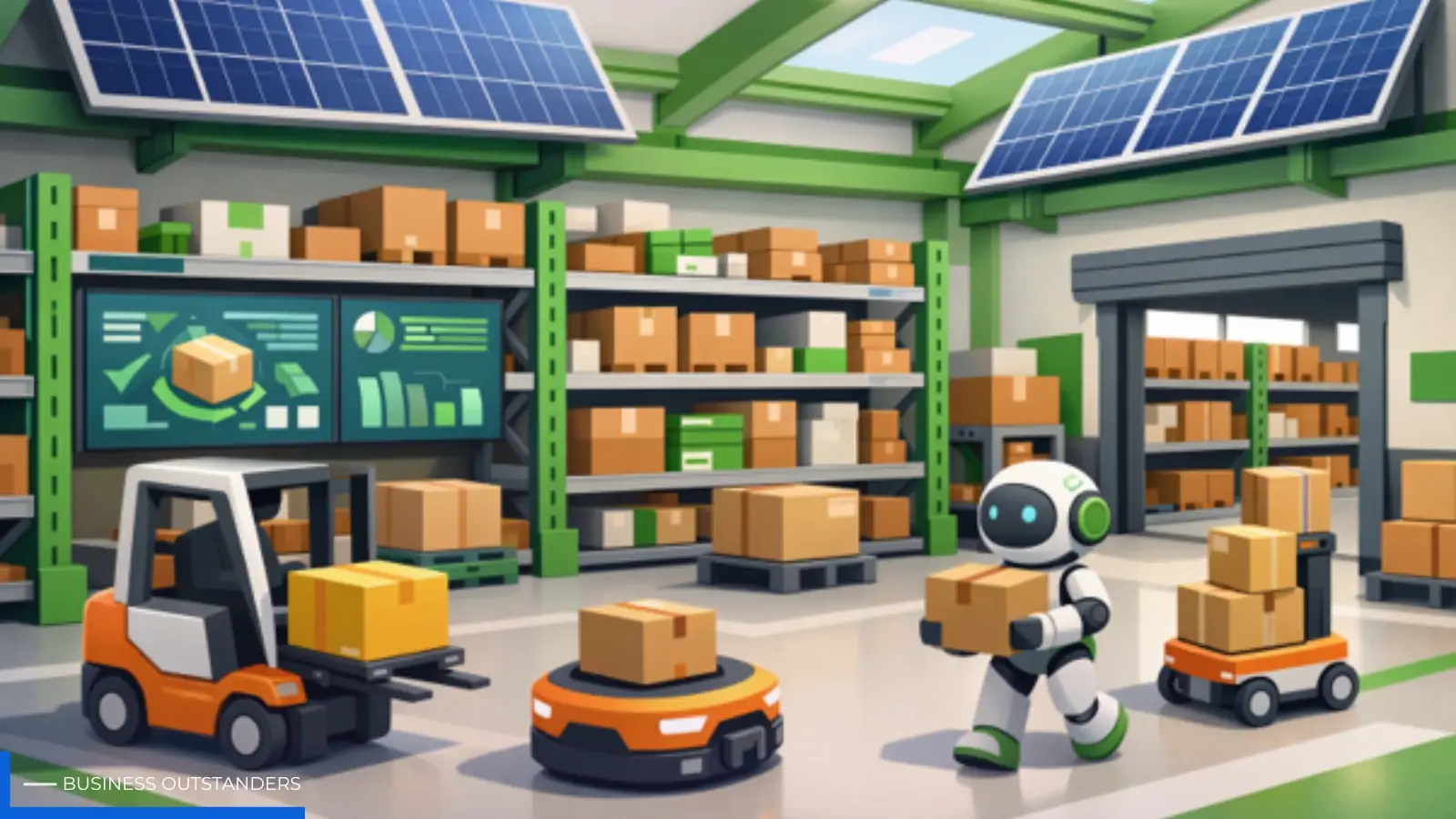
The most immediate way to fix a fragmented supply chain is to stop moving your products around unnecessarily. An integrated third-party logistics (3PL) ecosystem houses your warehousing, custom assembly, and kitting in the exact same facility.
By keeping everything under one roof, you eliminate the transit steps. Bulk goods arrive at the warehouse dock, move straight to an adjacent co-packing line for kitting or labeling, and are immediately prepped for final outbound distribution. This creates a seamless, closed-loop system where your inventory never leaves the building until it is actively on its way to the retailer.
This consolidation helps brands remain incredibly agile. When peak eCommerce seasons hit, or a retailer demands an unexpected custom display build, an integrated 3PL can scale up production instantly without waiting for a third-party freight company to move the raw materials. Vendor consolidation is rapidly becoming the industry standard. Today, 25% more shippers are outsourcing to 3PLs to achieve greater business value, deep technology integration, and end-to-end visibility.
The Asset-Based Advantage Over Freight Brokering
Not all 3PL partnerships are created equal. When selecting a logistics provider, understanding the difference between an asset-based provider and a freight broker dictates the level of control you will have over your supply chain.
An "asset-based" logistics provider owns their equipment. They own the trucks, they employ the drivers, they maintain the dedicated fleets, and they operate the physical warehouse facilities. They have direct control over the assets moving your product.
Conversely, non-asset-based brokers act as middlemen. They don't own trucks; they broker your freight out to a network of independent carriers. This adds a layer of unpredictability because the broker lacks direct, physical control over the freight once it leaves the dock.
Owning dedicated fleets guarantees higher reliability, better communication, and timely deliveries. When a single partner owns the trucks and the warehouse, schedule alignments happen internally, completely bypassing the chaotic spot-market bidding that delays freight brokers.
|
Feature |
Asset-Based 3PL |
Non-Asset Freight Broker |
|---|---|---|
|
Equipment Ownership |
Owns trucks, trailers, and facilities. |
Does not own physical logistics equipment. |
|
Reliability & Control |
High. Direct control over routing and schedules. |
Variable. Relies on third-party carrier availability. |
|
Accountability |
Single point of contact for warehousing and transit. |
Can lead to finger-pointing between broker and carrier. |
|
Agility |
Can instantly reroute internal fleets for urgent needs. |
Must negotiate with external networks to find capacity. |
Maintaining Strict Compliance Without Slowing Down
For operations managers in the food, beverage, and health and beauty sectors, speed-to-market can never come at the expense of safety. Heavily regulated industries require rigid quality control, and every time a product changes hands between different vendors, the risk of contamination or compliance failure increases.
A fully integrated 3PL process makes it much easier to maintain strict regulatory compliance. When your warehousing and co-packing happen in the same controlled environment, it is simpler to enforce Global Food Safety Initiative (GFSI), Safe Quality Food (SQF), and Hazard Analysis Critical Control Point (HACCP) standards. The product remains in a temperature-controlled, closely monitored setting throughout its entire assembly phase.
A single-source partner removes the risk of temperature excursions or physical damage that frequently occur during multi-vendor handoffs. You get the benefit of accelerated kitting and packaging, backed by the peace of mind that a single, accountable partner is managing your quality control protocols from inbound receipt to outbound delivery.
Why Brampton is a Strategic Logistics Hub
Fixing your supply chain strategy requires the right operational model, but it also requires the right geographic location. For North American distribution, locating your logistics operations in Brampton offers a distinct and powerful competitive advantage.
Brampton provides unparalleled access to major transportation networks. It sits at the center of Canada's innovation corridor, surrounded by 400-series highways that allow rapid transit across the Greater Toronto Area and straight down into the United States via border crossings. Furthermore, its proximity to Toronto Pearson International Airport makes air cargo routing highly efficient.
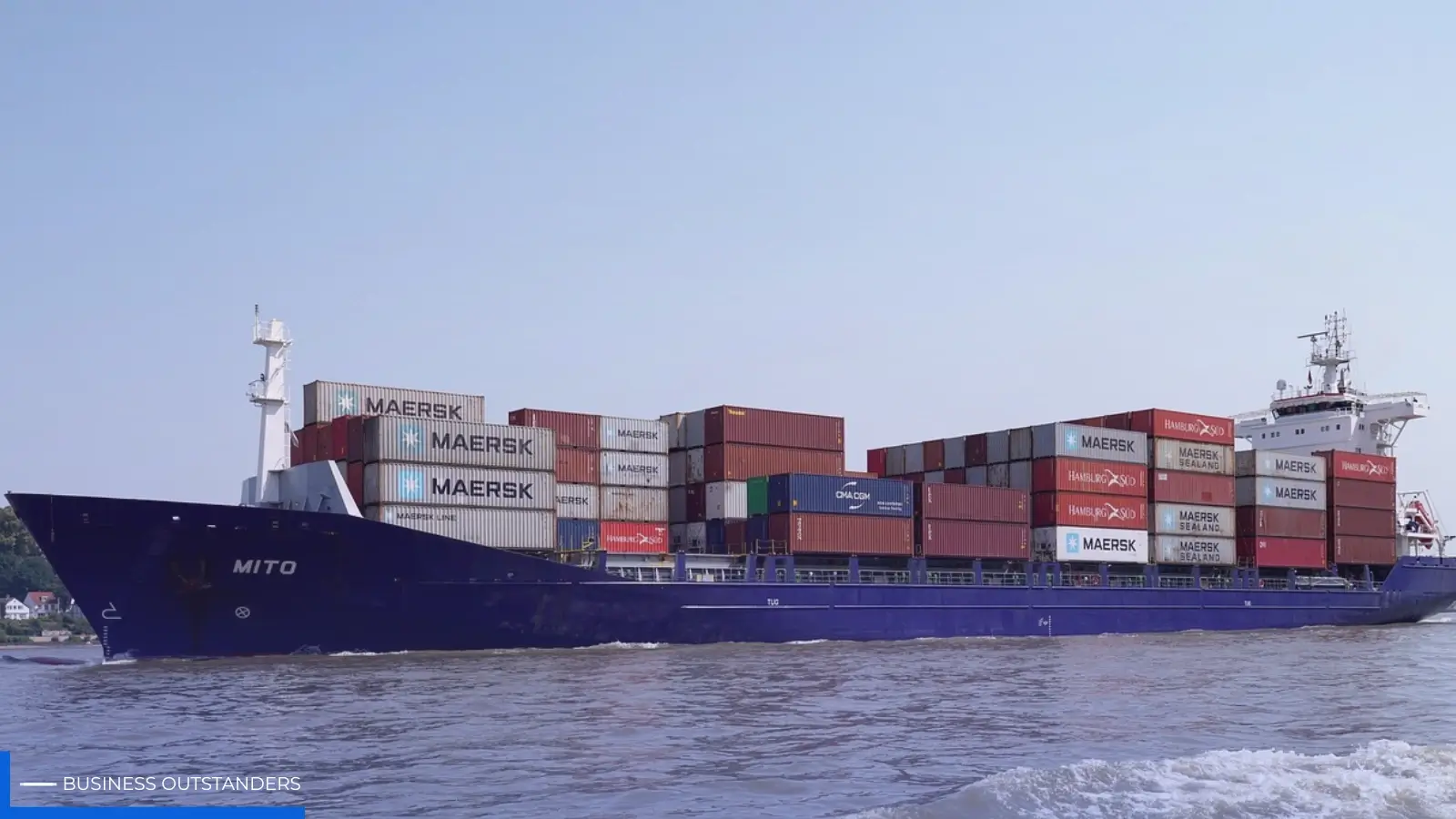
The city's massive infrastructure is built specifically to support high-volume supply chains. Brampton is home to Canada's largest CN Intermodal Terminal, servicing over 2,000 trucks daily. This 195-acre multimodal facility connects rail and road, allowing businesses to bring in international freight seamlessly.
Connecting your operations to this local multimodal infrastructure directly reduces overhead costs. You spend less time navigating gridlock and less money on fuel surcharges. Faster, more reliable transit times mean your GTA-based operations can promise tighter delivery windows to retailers and consumers alike.
Conclusion
Clinging to a fragmented, multi-vendor supply chain puts your business at a severe competitive and financial disadvantage. Moving products back and forth across town just to get them kitted and labeled drains your budget and delays your revenue.
Integrating your warehousing, co-packing, and transportation under one roof entirely eliminates these costly transit bottlenecks. By utilizing an asset-based 3PL, you regain total control over your inventory, ensure strict regulatory compliance, and leverage the strategic geographic power of the Brampton logistics hub.
It is time to audit your current logistics vendors. Take a hard look at the hidden transit costs eating into your margins, and consider an asset-based consolidation strategy to streamline your operations and drive long-term business growth.
Business Outstanders brings you sharp insights on tech, business, entrepreneurship, law, crypto, and more. We uncover what’s next. Stay updated, sign up for our newsletter and be part of the future!