Global value chains have moved beyond a cycle of temporary disruptions and entered an era of ongoing structural volatility. To protect margins and sustain long-term growth, business leaders must move beyond static operating models. They must adopt flexible, technology-enabled strategies that absorb geopolitical, economic, and regulatory shocks.
Organizations are increasingly leveraging flexible third-party logistics models, including white-label fulfillment networks, to decentralize regional operations, diversify distribution capabilities, and reduce fixed infrastructure exposure. These approaches allow companies to respond more quickly to changing market conditions while preserving capital and maintaining customer service levels.
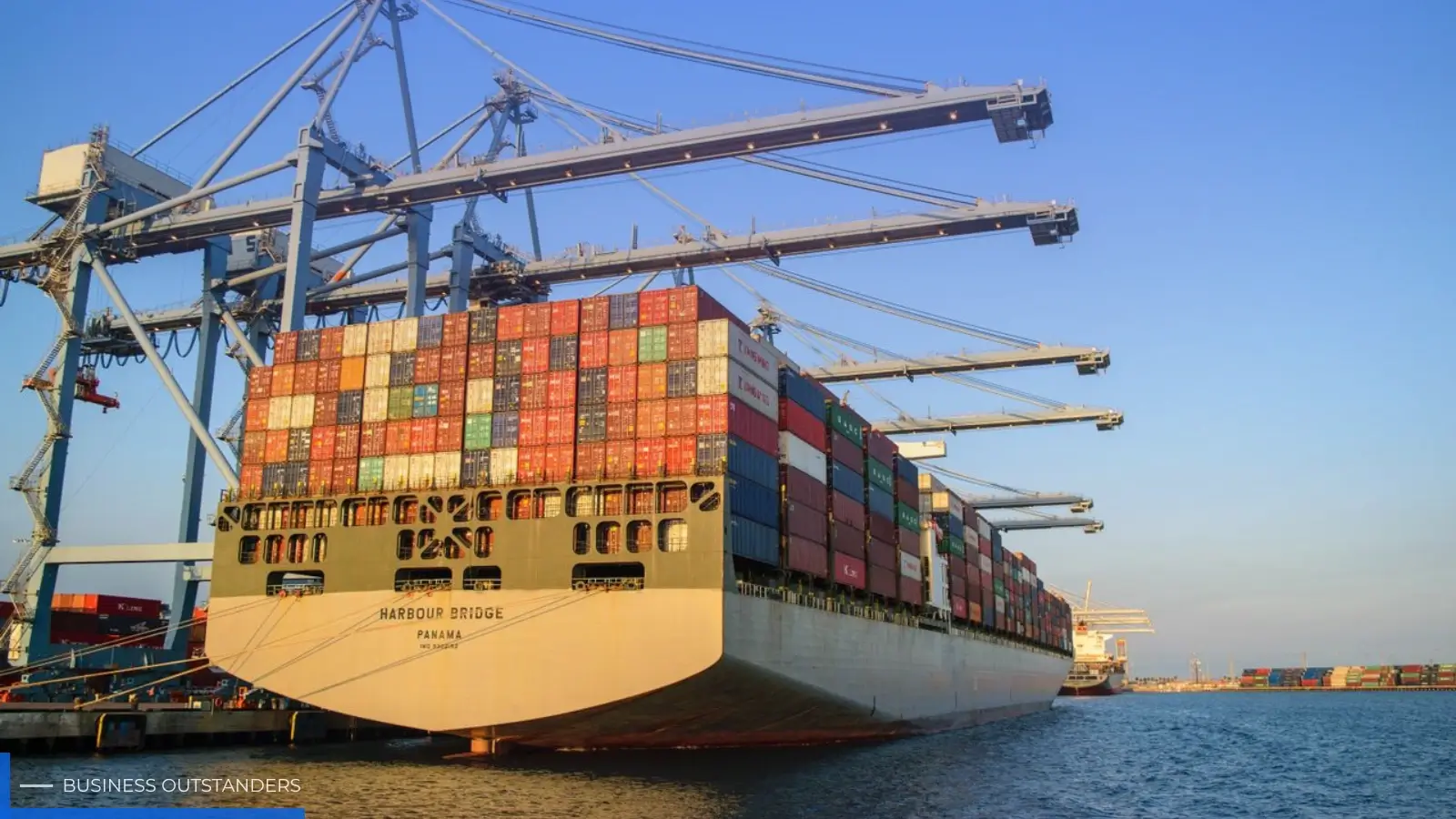
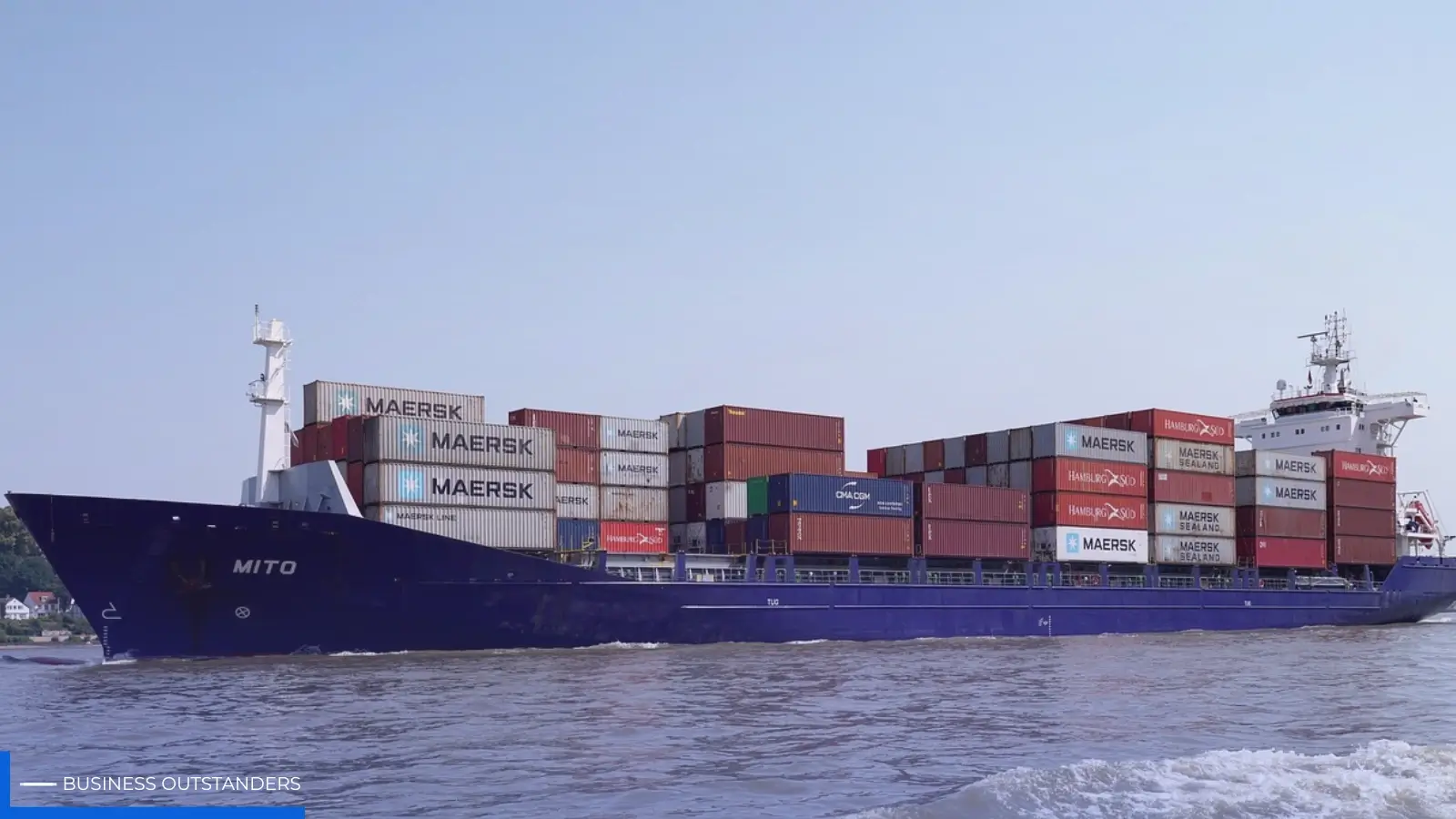
Recent industrial policy measures reached historic highs. More than 3,000 new global trade restrictions were enacted over the past year alone. This represents a threefold increase compared to levels seen a decade ago. Massive tariff escalations between major economies in 2025 have reshaped more than $400 billion in global trade flows. Localized bottlenecks and maritime security concerns also pushed global container shipping costs up by 40% year over year.
Executive decision-making must move beyond binary debates such as reshoring versus offshoring. Competitive advantage increasingly depends on building adaptive networks that can perform under persistent uncertainty. For many organizations, volatility is no longer an occasional disruption but a permanent feature of the business environment. These conditions also closely reflect the broader challenges of trade wars, as businesses are increasingly forced to adapt to sustained geopolitical and economic friction rather than temporary disruptions.
The Forces Reshaping Global Supply Chains
Geopolitical fragmentation, escalating trade barriers, and aggressive industrial policies are actively dismantling traditional footprints. Highly centralized manufacturing models face growing challenges in an increasingly fragmented global trade environment. Recent data indicates that 74% of senior business executives now categorize resilience investments as direct growth drivers. They are no longer viewed merely as corporate cost centers.
According to research cited by MIT Sloan Management Review, the challenge is particularly significant for large multinational organizations. The authors examined 13 multinational companies with annual revenues ranging from $10 billion to $150 billion while developing their framework for managing geopolitical supply chain risk.
This structural shift stems from weakened multilateralism. Modern trade corridors operate on highly transactional and opaque bilateral agreements. They no longer rely on trusted international rules.
This fragmentation drives severe input shortages and sharp raw material price swings. Sudden domestic manufacturing subsidy acts also force companies to recalibrate global manufacturing investments. This helps them remain eligible for critical regional market access.
Prolonged policy uncertainty often pushes organizations into a wait-and-see approach, delaying important investments and long-term strategic initiatives. Yet indecision can create risks of its own.
Traditional risk-management frameworks often fall short when responding to sanctions and trade restrictions. They also struggle with other politically driven events. Increasingly, the goal is not to predict every disruption. Instead, organizations must build systems that adapt quickly when disruptions occur.
Five Supply Chain Risks Leaders Can No Longer Ignore
Stressed international networks introduce hidden operational and legal vulnerabilities across the entire value chain. Managing these exposures requires enterprise risk managers to audit their networks. They must look past primary partners down to lower-tier suppliers.
Strategic Exposure
Abruptly losing vital market access due to retaliatory trade blocks can instantly turn a highly profitable product line into a financial loss leader. Tariffs, sanctions, and import restrictions can rapidly alter the economics of international trade. Organizations that depend heavily on a small number of markets face heightened vulnerability when geopolitical relationships deteriorate.
Chairman and CEO J. Patrick Gallagher told Reuters that 90% of U.S. business owners are concerned about the impact of tariffs on their operations. This highlights the growing financial and strategic uncertainty businesses face as trade policies continue to evolve.
Operational Disruptions
Severe downstream logistical gridlocks can emerge when companies replace established routes with unproven regional alternatives. These disruptions often result in extended transit lead times. Delayed shipments can create inventory shortages, missed customer commitments, and increased transportation costs throughout the supply chain.
Research shows that 50% of businesses are actively broadening their supplier base to reduce dependency on individual sources and improve resilience against future disruptions.
Financial Pressures
Margin erosion driven by unexpected currency fluctuations, supplier diversification costs, and rising inventory holding requirements can strain corporate liquidity. Even well-capitalized organizations can face budgeting challenges when trade policies shift unexpectedly. Over time, these financial pressures can reduce investment capacity and weaken competitive positioning.
Compliance Volatility
Ongoing legal exposure stems from rapidly changing tariff schedules, complex country-of-origin rules, and hyper-local environmental, social, and governance reporting requirements. Regulatory obligations often vary significantly across markets and can change with little notice. Failure to adapt quickly may result in penalties, shipment delays, or restricted market access.
Reputational Vulnerability
Public backlash or heavy compliance penalties can occur when a third-tier or fourth-tier supplier operates with documented labor violations. Modern supply chains are increasingly scrutinized by consumers, investors, and regulators. Limited visibility into lower-tier suppliers can expose organizations to significant reputational and legal risks.
Operational Strategies for a More Resilient Supply Chain
Building an adaptive network requires combining real-time geopolitical monitoring with flexible process controls. Static demand forecasting models must be replaced with predictive intelligence. This allows teams to calculate the exact financial impact of impending trade actions.
Advanced network modeling provides an essential defense mechanism. Leaders use digital twins to run virtual "what-if" simulations. These virtual models quantify how tariff changes affect revenue and cost metrics before policies take effect.
Additionally, end-to-end visibility systems combine shipment telemetry with geopolitical intelligence feeds, regulatory monitoring, and trade policy alerts. This helps organizations identify emerging risks well before they create physical supply chain disruptions.
Strategic inventory management helps hedge against unexpected trade bans. Companies achieve this through localized product-mix flexibility and multi-location inventory segmentation. Finally, upstream sourcing controls protect raw material access. Directed-buy agreements and customer-managed inventory mechanisms give enterprises greater control over component choices.
Strengthening Financial and Logistics Flexibility
Enterprises must deploy disciplined financial instruments and decentralized distribution frameworks. This insulates corporate cash flows from international market volatility. Separating market expansion from major infrastructure investments is essential for preserving liquidity and maintaining operational flexibility.
Managing Currency Risk
Partnering with international financial groups allows companies to execute forward contracts. These contracts lock in predictable unit pricing amid exchange rate swings. By reducing exposure to currency volatility, organizations can forecast costs more accurately and protect profit margins during periods of economic uncertainty.
Maintaining Access to Working Capital
Leveraging specialized revolving credit facilities, export credit insurance, and invoice discounting absorbs sudden tariff spikes without slowing down active production lines. Access to flexible financing also helps businesses maintain inventory levels and support ongoing operations when unexpected trade disruptions increase short-term costs.
Asset-Light Regional Footprints
Organizations can use decentralized distribution networks and white-label fulfillment providers. This enables rapid regional expansion without long-term infrastructure commitments or real estate leases.
According to ShipOffers, flexible fulfillment models can strengthen supply chain resilience by giving businesses access to distributed logistics networks without requiring significant infrastructure investments. White-label fulfillment providers also offer scalability and geographic reach that can help organizations adapt more quickly to shifting market and trade conditions.
Automating Reverse Logistics
Integrating automated inspection, refurbishment, and localized restocking workflows neutralizes the steep financial margins of international product returns. Efficient reverse logistics processes also help recover inventory value more quickly while reducing transportation costs associated with cross-border returns.
Frequently Asked Questions
How can companies adapt supply chains to geopolitical changes?
Companies can adapt by shifting from single-source efficiency models to highly diversified regional networks. They should use predictive digital twins to run geopolitical scenario simulations. They should also diversify suppliers across strategically aligned trading partners. Asset-light distribution footprints allow brands to pivot operations away from sudden conflict zones.
What types of geopolitical volatility affect supply chains?
Supply chains are heavily impacted by aggressive state industrial policies, retaliatory tariff escalations, and sudden trade embargoes. Opaque bilateral agreements and rising resource nationalism also cause severe raw material shortages and sudden price spikes. Physical trade corridor disruptions and maritime security conflicts also create delays and increase shipping costs.
What are the differences between supply chain risk and resilience?
Supply chain risk refers to operational, financial, or political vulnerabilities that threaten normal business workflows. In contrast, supply chain resilience is an organization's ability to absorb, adapt to, and recover from disruptions. Risk focuses on identifying external threats. Resilience reflects the flexibility needed to withstand them.
What role does technology play in future-proofing supply chains?
Technology provides real-time visibility and automated decision-making across fragmented international distribution networks. Artificial intelligence and tracking telemetry help managers monitor regulatory shifts and detect shipping anomalies early. Cloud-based platform integrations also connect digital storefronts with automated regional fulfillment networks. This maximizes operational agility.
Core Metrics and Strategic Actions
|
New Global Trade Restrictions |
More than 3,000 restrictions were enacted over the past year, representing a threefold increase compared to levels seen a decade ago. |
|
Reshaped Global Trade Flows |
Massive tariff escalations between major economies in 2025 reshaped more than $400 billion in global trade flows. |
|
Global Container Shipping Costs |
Localized bottlenecks and maritime security concerns pushed costs up by 40% year over year. |
|
Executive Perception of Resilience |
Recent data indicates that 74% of senior business executives now categorize resilience investments as direct growth drivers rather than cost centers. |
|
Multinational Research Framework |
Risk management insights were developed by examining 13 multinational companies with annual revenues ranging from $10 billion to $150 billion. |
|
Tariff Concerns Among Business Owners |
Chairman and CEO J. Patrick Gallagher stated that 90% of U.S. business owners are concerned about the impact of tariffs on their operations. |
|
Supplier Base Diversification |
Research shows that 50% of businesses are actively broadening their supplier base to reduce single-source dependencies. |
|
Operational Strategies |
Leaders deploy digital twins for virtual simulations, use telemetry for early risk detection, and utilize directed-buy agreements to control raw material choices. |
|
Financial and Logistics Agility |
Organizations leverage forward contracts to mitigate currency risk, utilize specialized revolving credit facilities for liquidity, and integrate automated reverse logistics. |
|
Asset-Light Regional Footprints |
Businesses use decentralized distribution networks and white-label fulfillment providers to achieve regional expansion without long-term commercial real estate leases. |
The Path Forward for Supply Chain Leaders
Supply chain configuration is no longer a back-office operations challenge. It is a primary determinant of corporate valuation and national competitiveness. The organizations that thrive will successfully decouple scale from asset concentration.
C-suite leaders must update internal risk tolerance scores quarterly to align with evolving international trade agreements. They must establish direct reporting lines from regional logistics managers to the executive board. This guarantees fast data escalation when disruptions occur. Finally, investing in specialized operational training ensures team members can seamlessly manage automated, next-generation logistics systems.
Business Outstanders brings you sharp insights on tech, business, entrepreneurship, law, crypto, and more. We uncover what’s next. Stay updated, sign up for our newsletter and be part of the future!