Whether you are a business owner importing goods from overseas, an e-commerce seller shipping products to international customers, or simply someone receiving a parcel from abroad, understanding the customs clearance process in the UK is absolutely essential. Since the United Kingdom's departure from the European Union, customs procedures have undergone significant changes, affecting millions of businesses and individuals alike. Getting to grips with how customs clearance works can save you time, money, and a great deal of frustration.
In this comprehensive guide, we will walk you through everything you need to know about the customs clearance process in the UK — from the fundamental principles to the practical steps involved, the documents required, the costs you can expect, and the common pitfalls to avoid.
What Is Customs Clearance?
Customs clearance is the official process by which goods entering or leaving a country are inspected, assessed, and approved by the relevant government authority — in the UK's case, His Majesty's Revenue and Customs (HMRC). The process ensures that all imported and exported goods comply with national laws and regulations, that the correct duties and taxes are paid, and that prohibited or restricted items are identified and dealt with appropriately.
In simple terms, customs clearance is the gateway through which all international goods must pass before they can be released into the domestic market or dispatched to a foreign destination. Without proper clearance, goods can be held at the border indefinitely, resulting in costly delays, fines, and potential confiscation.
Why Customs Clearance Matters More Than Ever Post-Brexit
Before Brexit, goods moving between the UK and EU member states benefited from free movement within the single market, meaning there were virtually no customs formalities required. Since January 1, 2021, however, the UK has been a fully independent customs territory, and all trade between Great Britain and the European Union is now subject to customs controls.
This fundamental shift means that UK businesses importing from or exporting to EU countries must now complete customs declarations, pay applicable duties, and comply with rules of origin requirements — tasks that were previously unnecessary. For many smaller businesses in particular, navigating these new requirements has presented a steep learning curve.
Additionally, Northern Ireland operates under a different arrangement due to the Windsor Framework, which means goods moving between Great Britain and Northern Ireland may also be subject to specific customs checks and requirements.
Key Bodies Involved in UK Customs Clearance
Understanding who is responsible for what can help you navigate the process more efficiently:
- HMRC (His Majesty's Revenue and Customs): The primary authority responsible for collecting customs duties, VAT, and excise duties on imported goods. HMRC also oversees the Customs Declaration Service (CDS), which replaced the previous CHIEF system.
- Border Force: An agency responsible for the physical inspection of goods and passengers at the UK border. Border Force officers work at ports, airports, and international rail terminals to enforce customs and immigration laws.
- DEFRA (Department for Environment, Food & Rural Affairs): Involved in the inspection and regulation of animal products, plants, and food items entering the UK.
- Customs Agents and Freight Forwarders: While not government bodies, these third-party professionals play a crucial role in helping businesses and individuals complete customs declarations and navigate the clearance process on their behalf.
Step-by-Step: How the Customs Clearance Process Works in the UK
Step 1: Determine the Nature of Your Goods
Before anything else, you need to clearly identify what goods you are importing or exporting. This involves:
- Classifying your goods using the correct commodity code from the UK Trade Tariff. Every product has a unique code that determines the applicable duty rate and any licensing or certification requirements.
- Determining the value of the goods, which forms the basis for calculating customs duties and import VAT.
- Establishing the country of origin, as this can affect duty rates under trade agreements the UK has negotiated with other countries.
Step 2: Register with HMRC
If you are a business that intends to import or export goods regularly, you will need to register with HMRC and obtain an EORI number (Economic Operators Registration and Identification). This unique identifier is required for all customs declarations in the UK and must be included on all relevant documentation.
Individuals or one-off importers may not always need an EORI number, particularly if they are using a courier or customs agent who can handle the process on their behalf.
Step 3: Prepare the Necessary Documentation
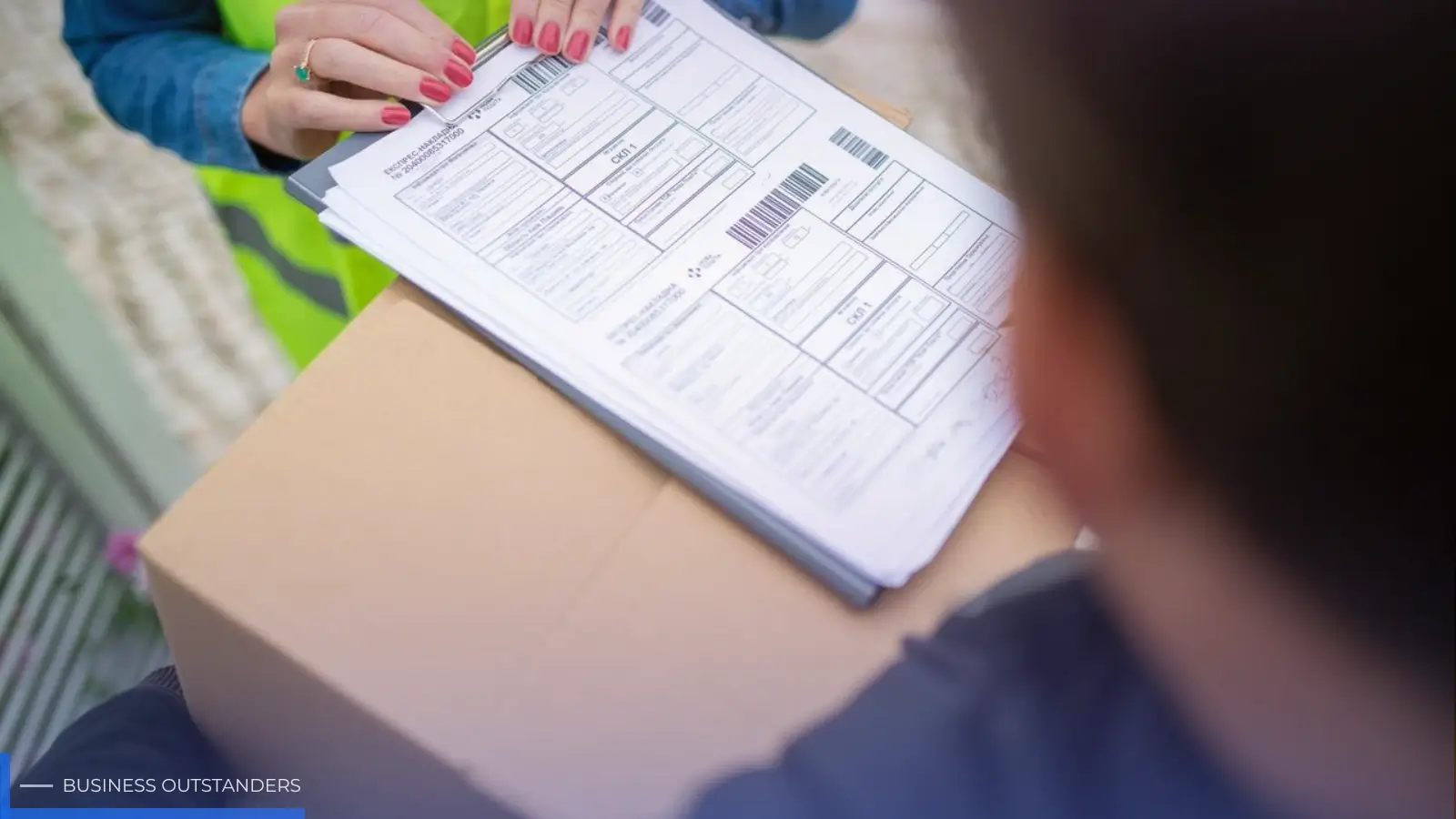
Accurate and complete documentation is the backbone of smooth customs clearance. Missing or incorrect paperwork is one of the leading causes of delays at the border. The key documents typically required include:
- Commercial Invoice: This document must clearly state the seller and buyer details, a full description of the goods, the quantity, the value, and the currency of the transaction.
- Packing List: A detailed breakdown of the contents of each package, including weights and dimensions.
- Bill of Lading or Airway Bill: The transport document issued by the carrier, which acts as a contract of carriage and a receipt for the goods.
- Import/Export Declaration: A formal declaration submitted to HMRC through the Customs Declaration Service, outlining the nature, origin, and value of the goods.
- Certificates of Origin: Required to prove where goods were manufactured, which is essential for claiming preferential duty rates under trade agreements.
- Licences and Permits: Certain goods — such as firearms, chemicals, food products, plants, and animals — require specific licences or health certificates before they can be imported or exported.
- Customs Procedure Code (CPC): This code tells HMRC why goods are being imported or exported and determines how they will be treated from a duty perspective.
Step 4: Submit the Customs Declaration
All customs declarations in the UK must now be submitted electronically through HMRC's Customs Declaration Service (CDS). This replaced the old CHIEF system in 2023 and is the central platform for processing all import and export declarations.
You can submit a declaration yourself if you have the knowledge and access to the system, or you can appoint a customs agent or freight forwarder to do it on your behalf. Many businesses — especially smaller ones — find it far more practical and cost-effective to use a professional, given the complexity involved.
There are different types of declarations depending on your circumstances:
- Full Frontier Declaration: A complete declaration made at the time of import.
- Simplified Declaration: Allows goods to be released with minimal information upfront, with a supplementary declaration submitted later.
- Entry in Declarant's Records (EIDR): For authorised traders who can record imports in their own records without submitting a declaration at the border.
Step 5: Pay Customs Duties and Taxes
Once your declaration has been submitted and assessed, HMRC will calculate the amount of customs duty and import VAT owed. The duty rate is determined by:
- The commodity code of the goods
- The customs value (cost of goods + insurance + freight)
- The country of origin (to determine whether any preferential rates apply under trade agreements)
Import VAT is currently charged at the standard UK VAT rate of 20% for most goods, although reduced rates apply to certain categories. VAT-registered businesses can typically reclaim import VAT through their VAT return, making it a cash flow consideration rather than a net cost.
Payment can be made immediately or, if you have a duty deferment account, on a monthly basis — a useful arrangement for businesses that import regularly.
Step 6: Goods Are Inspected and Released
Following submission of the declaration and payment of duties, Border Force may choose to physically inspect the goods. This can happen at random or when there are specific concerns about the accuracy of the declaration. If everything is in order, the goods will be granted customs clearance and released for delivery.
In some cases, particularly for regulated goods such as food products, plants, or animal products, additional checks may be carried out by specialist inspectors from DEFRA or the Animal and Plant Health Agency (APHA) at designated Border Control Posts (BCPs).
Common Reasons for Customs Delays
Even with the best preparation, delays can and do happen. The most common reasons include:
- Incorrect or incomplete documentation
- Incorrect commodity codes
- Undervalued goods or misrepresentation of value
- Missing licences or certificates for regulated goods
- Failure to pay duties promptly
- Random or targeted inspection by Border Force
Being proactive, thorough, and accurate in your preparation is the single most effective way to minimise the risk of delays.
The Role of Customs Agents and Freight Forwarders
For many businesses, partnering with an experienced customs agent or freight forwarder is the most sensible approach to managing customs clearance. These professionals are trained and licenced to handle declarations on your behalf, ensure compliance with all regulations, and act as a liaison between you, HMRC, and the carriers.
When choosing a customs agent, look for:
- HMRC authorisation and relevant professional accreditations
- Experience with your specific type of goods and trade routes
- Transparent fee structures
- Positive client testimonials and track record
- Access to modern, integrated technology platforms
Customs Reliefs and Special Procedures
It is worth knowing that the UK customs system includes a number of reliefs and special procedures that can help businesses manage their duty liability:
- Inward Processing Relief (IPR): Allows goods to be imported duty-free for processing, manufacturing, or repair, provided they are subsequently re-exported.
- Customs Warehousing: Goods can be stored in a customs warehouse without paying duties until they are released for free circulation in the UK.
- Temporary Admission: Goods imported temporarily for exhibitions, testing, or other purposes may qualify for full or partial duty relief.
- Returned Goods Relief: Goods previously exported from the UK can be re-imported duty-free under certain conditions.
Taking advantage of these procedures where applicable can generate significant cost savings, particularly for larger or more complex operations.
Costs Associated with Customs Clearance
The total cost of customs clearance in the UK can vary considerably depending on the nature and value of the goods, the trade route, and the level of professional support required. Key costs typically include:
- Customs duties: Variable, based on commodity code and country of origin
- Import VAT: 20% of the customs value for most goods (reclaimable for VAT-registered businesses)
- Customs agent fees: Typically £30–£100+ per declaration, depending on complexity
- Port handling and inspection fees: Variable
- Storage costs: If goods are held pending clearance
Tips for a Smooth Customs Clearance Experience
- Start early. Do not leave customs preparation to the last minute. Research requirements well in advance of your shipment.
- Get your commodity codes right. Using the wrong code can lead to overpaying or underpaying duties, both of which cause problems.
- Work with experienced partners. A reliable customs agent or freight forwarder is an investment worth making.
- Stay updated on regulations. UK customs rules continue to evolve, particularly regarding imports from the EU and Northern Ireland. Subscribe to HMRC updates and industry publications.
- Consider duty deferment. If you import regularly, a duty deferment account can significantly improve your cash flow.
- Keep accurate records. HMRC requires businesses to retain customs records for a minimum of four years.
Final Thoughts
The customs clearance process in the UK may seem complex at first glance, but with the right knowledge, preparation, and professional support, it becomes a manageable and routine part of international trade. Whether you are a seasoned importer or just beginning to explore international markets, understanding the fundamentals of UK customs clearance will put you in a far stronger position to trade confidently and compliantly.
As global trade continues to evolve and UK trade relationships develop further, staying informed and adaptable will remain key. If in doubt, seek professional advice — the cost of getting customs clearance right is almost always far less than the cost of getting it wrong.
Disclaimer: This article is intended for informational purposes and reflects general customs procedures as of the time of writing. Specific regulations and timelines may change. Always consult a qualified customs broker or legal professional for advice tailored to your particular circumstances.
Business Outstanders brings you sharp insights on tech, business, entrepreneurship, law, crypto, and more. We uncover what’s next. Stay updated, sign up for our newsletter and be part of the future!