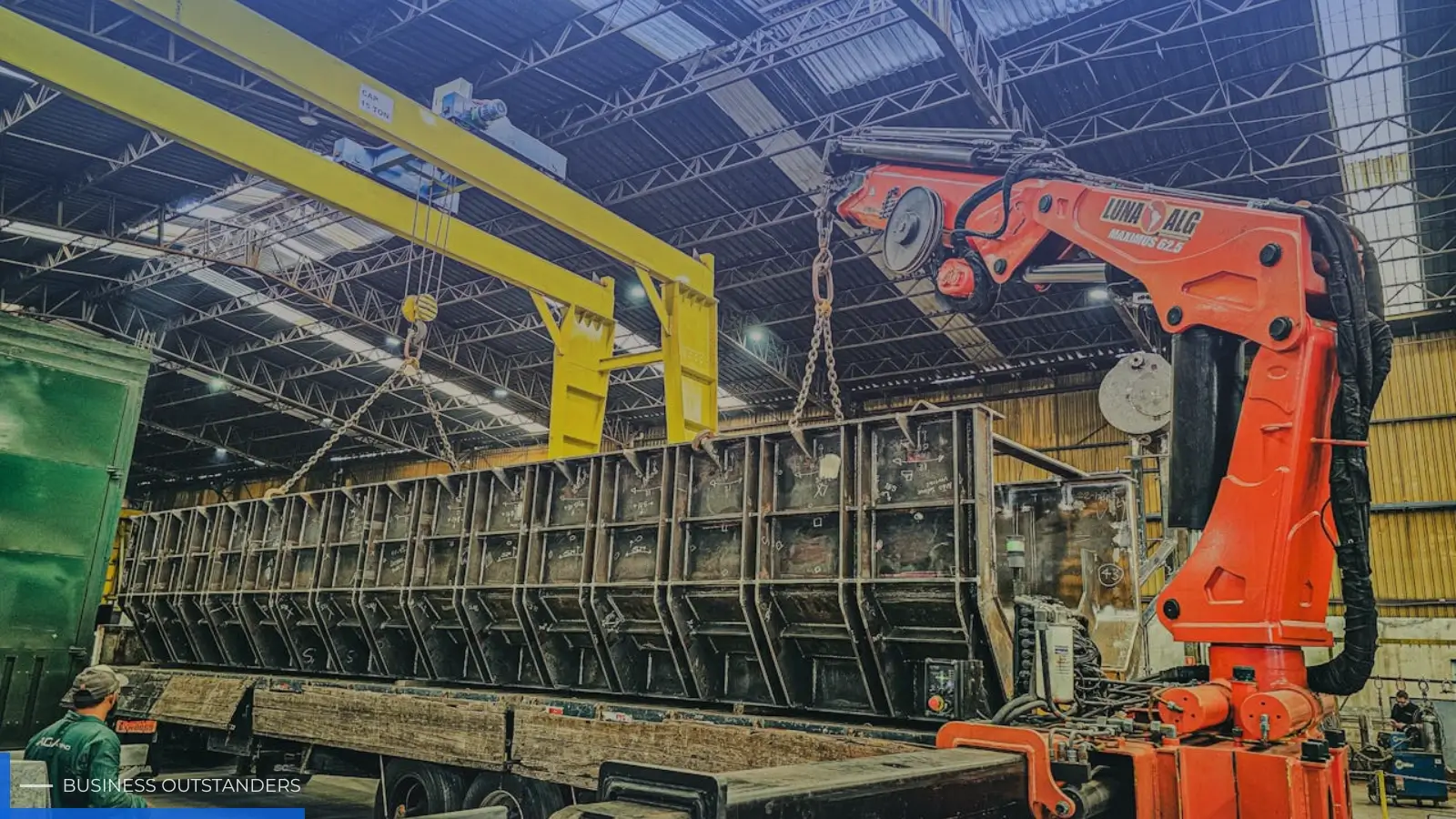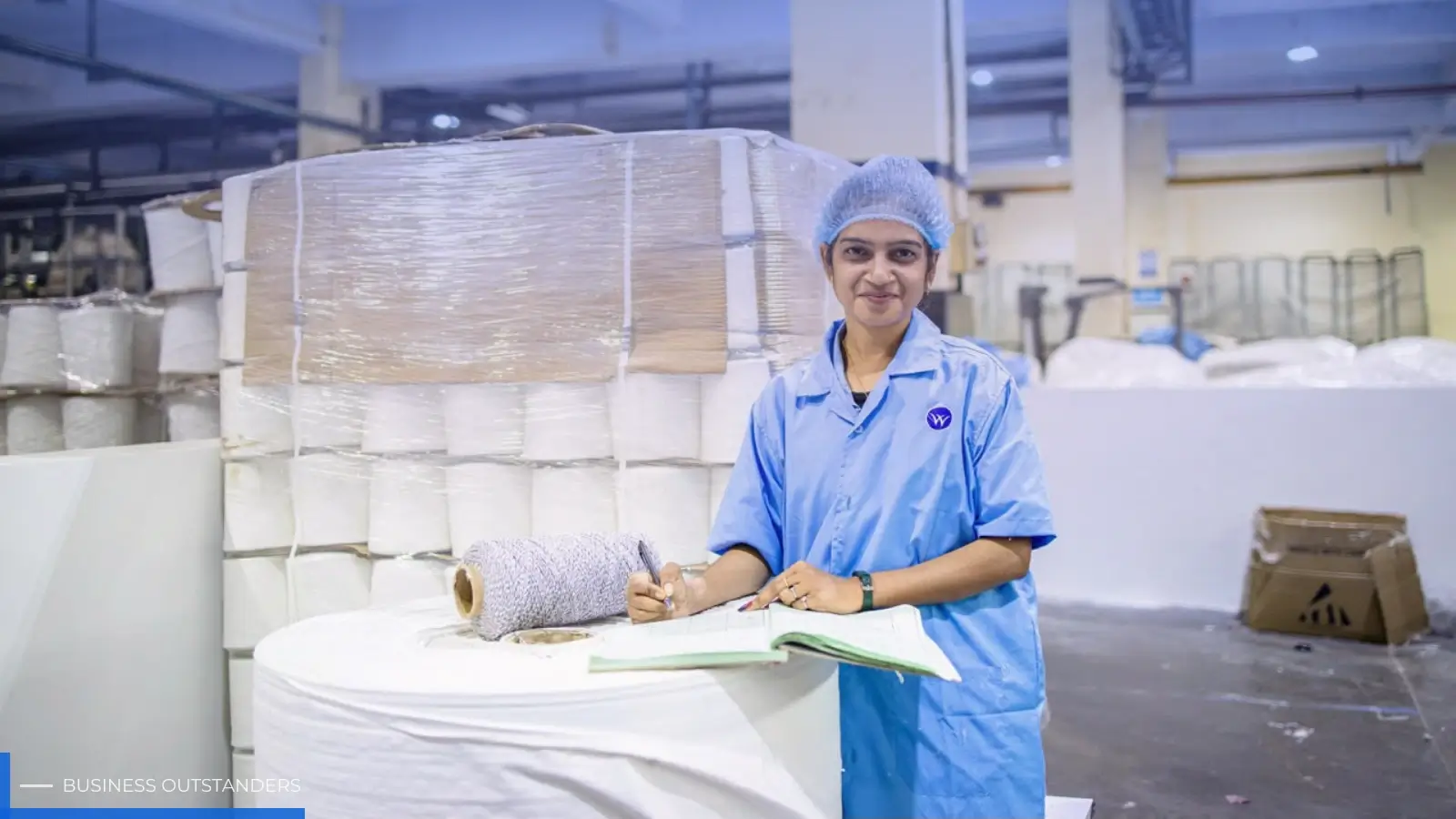
Efficient material management is a cornerstone of modern business operations, particularly in industries that rely on manufacturing, production, or large scale distribution. The ability to control material flow, reduce waste, and ensure consistent quality can significantly impact both productivity and profitability. As supply chains become more complex and customer expectations continue to rise, businesses must adopt more advanced strategies to remain competitive.
By focusing on smarter material handling, better inventory practices, and improved use of technology, companies can streamline operations and create a more efficient production environment. These improvements support not only day to day performance but also long term growth and adaptability.
Strengthen Inventory Control Systems
A strong inventory control system is essential for efficient material management. Without accurate oversight, businesses risk encountering shortages that halt production or excess inventory that ties up valuable resources. Implementing a reliable system helps maintain the right balance between supply and demand.
Digital inventory management tools offer real time tracking and data analysis, allowing businesses to monitor stock levels and anticipate future needs. This level of visibility helps reduce errors, improves order accuracy, and minimizes the risk of overstocking or understocking. In addition, automated alerts for low inventory levels ensure timely replenishment and prevent unexpected disruptions.
Establishing clear inventory procedures also contributes to efficiency. Standardized processes for receiving, storing, and distributing materials create consistency across operations. When every team member follows the same guidelines, businesses can reduce confusion and maintain smoother workflows.
Optimize Material Flow Across Operations
Efficient material flow plays a critical role in maximizing productivity. When materials move seamlessly through each stage of production, operations become faster and more reliable. Poorly organized workflows, on the other hand, can lead to delays, bottlenecks, and unnecessary handling.
Layout planning is an important step in improving material flow. Arranging workstations and storage areas strategically can minimize travel time and reduce the effort required to transport materials. This allows employees to focus more on productive tasks rather than spending time moving items from one location to another.
Incorporating lean principles can further enhance material flow. Techniques such as just in time delivery help ensure that materials arrive exactly when they are needed, reducing storage requirements and minimizing waste. These approaches create a more streamlined process that supports consistent production output.
Maintain Equipment for Material Consistency
Equipment maintenance is closely tied to material management, especially in environments where materials are processed or transformed. When machinery is not properly maintained, it can compromise material quality and lead to defects, rework, or scrap.
Routine maintenance ensures that equipment operates efficiently and handles materials correctly. In processes involving extrusion, maintaining clean and properly functioning machinery is essential for producing consistent results. Using tools such as a purging compound for extruders can help remove residual material from equipment, reducing contamination and supporting smooth transitions between production runs.
Consistent maintenance practices also improve equipment reliability, which directly impacts material efficiency. Investing in precision tools and well-maintained machinery helps businesses reduce waste, improve product quality, and maintain steady production schedules. When machines perform as expected, businesses can reduce waste, improve product quality, and maintain steady production schedules.
Leverage Data for Smarter Material Planning
Data driven decision making has become a powerful tool for improving material management. By analyzing usage patterns, production trends, and supply chain performance, businesses can make more informed choices about how materials are sourced and utilized.
Advanced analytics systems allow companies to forecast demand with greater accuracy. This helps ensure that materials are available when needed without overcommitting resources. Accurate forecasts also support better scheduling, allowing production teams to plan more effectively and avoid unnecessary delays.
Integrating data systems across departments further enhances efficiency. When purchasing, production, and inventory teams share real time information, coordination improves and decision making becomes more aligned. This level of integration reduces the risk of miscommunication and supports a more cohesive workflow.
Build Strong Supplier Relationships
Effective material management extends beyond internal operations. Suppliers play a crucial role in ensuring that materials are delivered on time and meet quality standards. Building strong relationships with reliable suppliers can greatly improve overall efficiency.
Communication is key when working with suppliers. Clear expectations regarding delivery schedules, material specifications, and quality requirements help prevent misunderstandings and delays. Regular performance evaluations also ensure that suppliers continue to meet business needs.
Diversifying your supplier base can provide additional stability. Relying on multiple sources reduces the risk of disruptions caused by unforeseen circumstances. This flexibility allows businesses to adapt quickly and maintain steady material flow even when challenges arise.
Collaborative partnerships with suppliers can also lead to innovation. By working together to identify improvements in materials or delivery processes, businesses can enhance efficiency and gain a competitive advantage in their industry.
Conclusion
Maximizing business efficiency through advanced material management requires a comprehensive and strategic approach. By strengthening inventory control, optimizing material flow, maintaining equipment, leveraging data, and building strong supplier relationships, businesses can create a more streamlined and effective operation. These practices not only reduce waste and improve productivity but also support consistent quality and long term success. As industries continue to evolve, companies that prioritize advanced material management will be better positioned to adapt, grow, and remain competitive.
Business Outstanders brings you sharp insights on tech, business, entrepreneurship, law, crypto, and more. We uncover what’s next. Stay updated, sign up for our newsletter and be part of the future!