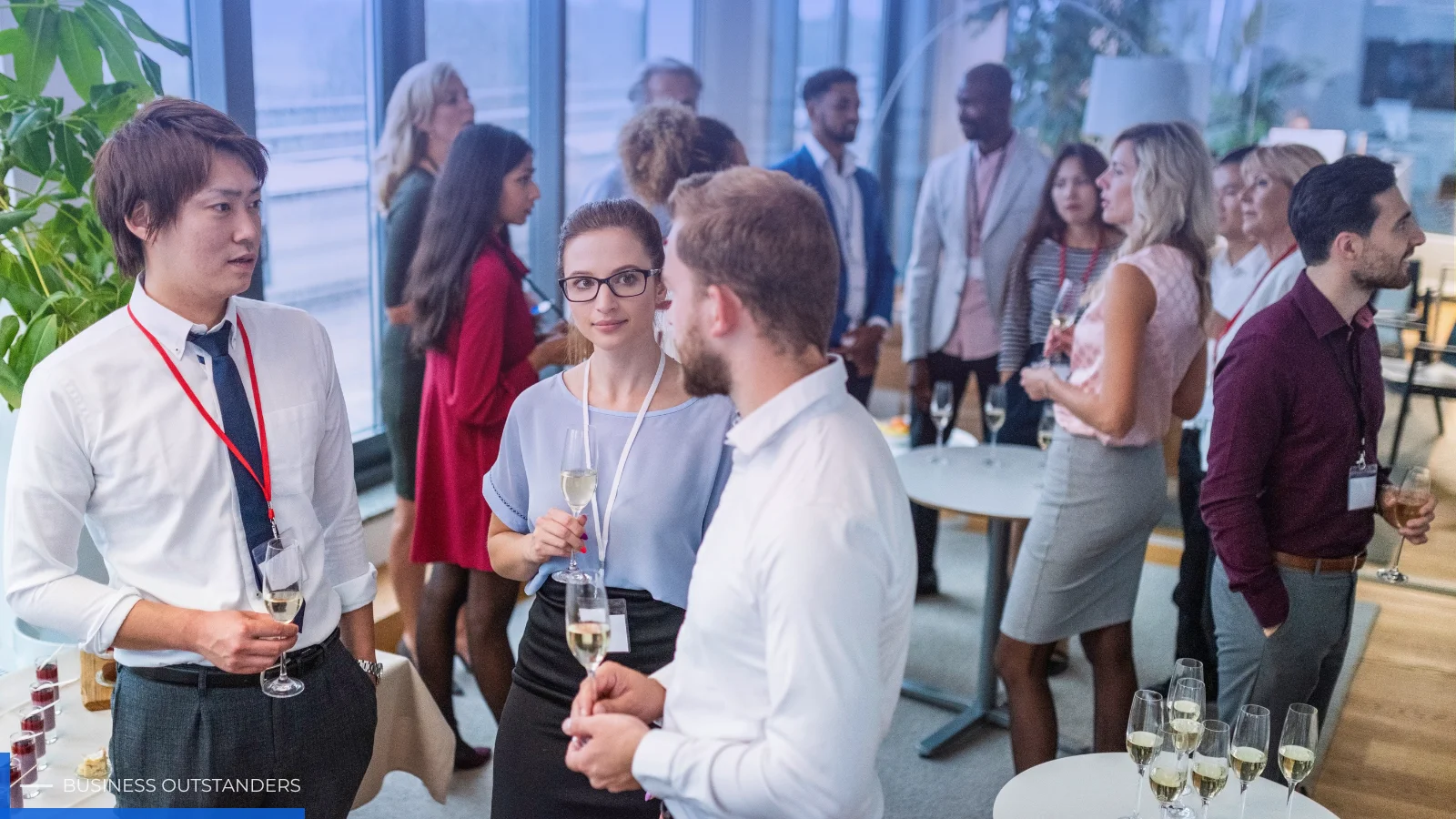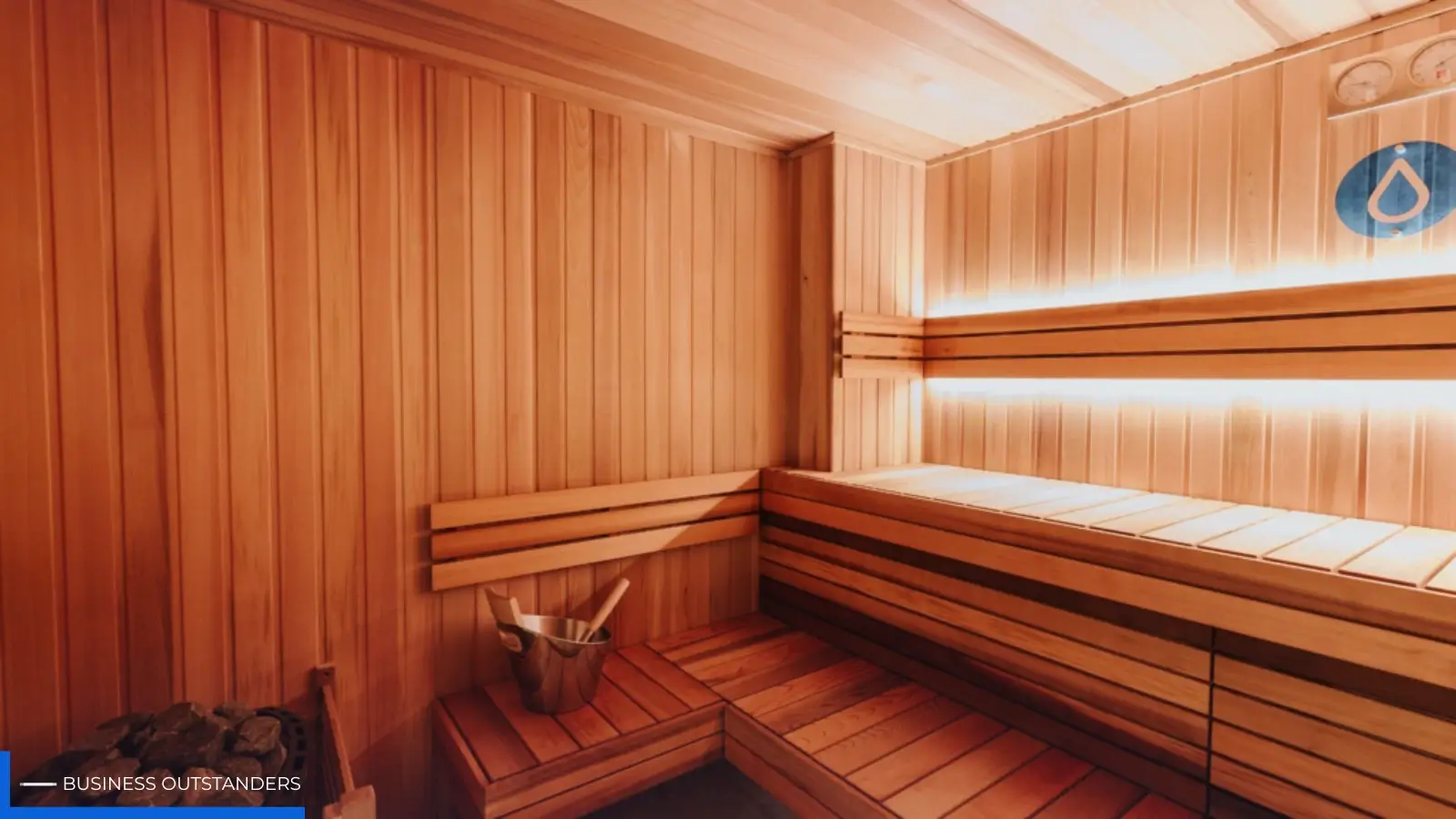
Modern lifestyles often involve balancing work commitments, exercise, family responsibilities, and social obligations. While many people prioritise staying active and productive, recovery is sometimes overlooked despite its importance to overall wellbeing. Creating time for relaxation can help support a healthier balance between activity and rest. Individuals interested in traditional sauna in Manly at RCVRI are often looking for recovery experiences that encourage relaxation while providing an opportunity to step away from the demands of everyday life.
Traditional saunas have been used for generations as part of wellness and recovery routines. Their enduring popularity reflects the growing recognition that rest and recovery play an important role in supporting both physical and mental wellbeing. Today, many people incorporate sauna sessions into their regular routines as a way to unwind, recharge, and focus on personal wellbeing.
Recovery Is an Important Part of a Healthy Lifestyle
Many people associate recovery with athletes or intensive fitness programs, but recovery is valuable for everyone. Daily life places physical and mental demands on the body, whether through work, exercise, travel, or everyday responsibilities. Without adequate recovery, it can become more difficult to maintain energy levels and overall wellbeing. Creating opportunities for rest helps support balance and allows individuals to better manage the ongoing demands of modern life.
Recovery practices may include:
- Quality sleep
- Gentle movement
- Stretching exercises
- Massage and bodywork
- Sauna sessions
Combining different recovery strategies can help create a more sustainable approach to health and wellness.
Heat Encourages Physical Relaxation
One of the key reasons traditional saunas remain popular is the relaxing environment they provide. The warmth of a sauna creates a comfortable setting where individuals can take time away from daily distractions and focus on rest. Many people find that spending time in a warm environment encourages a sense of physical relaxation. After long periods of sitting, physical activity, or demanding workdays, dedicated relaxation time can help support overall comfort and wellbeing.
The experience of slowing down and spending uninterrupted time focusing on recovery can be just as valuable as the physical environment itself. This opportunity to disconnect often becomes an important part of a person's wellness routine. Creating moments of relaxation can contribute to a greater sense of balance throughout the week.
Sauna Sessions Provide Time Away From Daily Distractions
Modern technology and constant connectivity can make it difficult to fully switch off. Many people spend much of their day responding to emails, messages, notifications, and ongoing responsibilities. A sauna session creates an opportunity to step away from these distractions and focus solely on personal wellbeing. This dedicated time can help individuals slow down and become more present in the moment.
Many people appreciate sauna sessions because they offer:
- Time away from screens
- Opportunities for mindfulness
- Reduced daily distractions
- Dedicated relaxation periods
- Improved focus on self-care
Creating space for quiet reflection can be a valuable part of maintaining mental wellbeing.
Recovery Supports Active Lifestyles
People who participate in regular exercise often understand the importance of balancing activity with recovery. While training and movement are essential for physical fitness, recovery helps support long-term participation and consistency. Traditional sauna sessions are commonly incorporated into broader recovery routines because they provide a passive form of recovery that does not require additional physical effort. This makes them appealing to individuals with active lifestyles who are looking for ways to support their overall wellbeing.
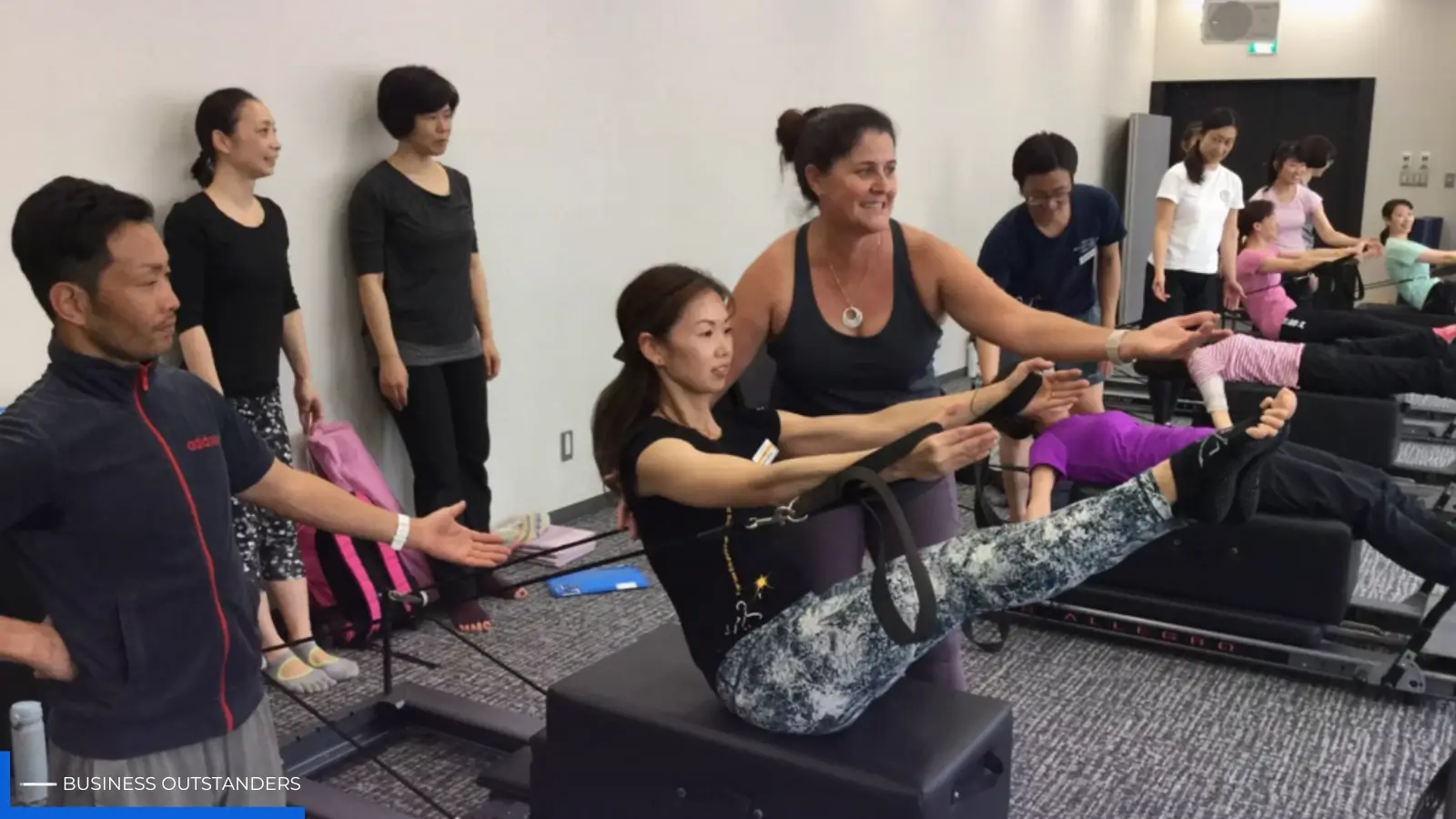
Whether someone enjoys running, gym training, Pilates, swimming, cycling, or recreational sports, recovery remains an important part of maintaining an active lifestyle. Creating time for both movement and recovery supports a more balanced approach to fitness. A focus on recovery often helps people sustain healthy habits over the long term.
Wellness Is About More Than Physical Health
Wellness is often viewed through the lens of exercise and nutrition, but true wellbeing extends beyond physical health alone. Mental and emotional wellbeing also play an important role in overall quality of life. Recovery practices such as sauna sessions can encourage individuals to prioritise self-care and create space within busy schedules. Taking time to relax and recharge can support a more balanced approach to everyday living.
People often seek wellness activities that help them:
- Slow down and unwind
- Improve work-life balance
- Create healthy routines
- Prioritise personal wellbeing
- Support relaxation habits
These benefits contribute to a broader understanding of wellness that includes both physical and mental recovery.
Consistency Often Delivers the Greatest Benefits
Like many wellness practices, the value of recovery often comes from consistency rather than occasional use. Building regular recovery habits helps reinforce the importance of balancing activity with rest. Individuals who consistently prioritise recovery are often better able to maintain sustainable health and wellness routines. Rather than waiting until they feel exhausted or overwhelmed, they proactively create opportunities for relaxation and restoration.
Regular recovery sessions can also encourage greater awareness of personal wellbeing needs. This awareness may help individuals make healthier choices regarding exercise, work habits, and overall lifestyle balance. A consistent approach to recovery supports long-term wellbeing and helps create healthier routines over time.
Traditional Saunas Remain Popular for Good Reason
Despite the growth of modern wellness technologies and recovery tools, traditional saunas continue to maintain their popularity. Their simplicity, accessibility, and focus on relaxation have helped them remain a valued part of wellness routines across generations. Many people appreciate the opportunity to step into a warm, calming environment where they can focus entirely on recovery and relaxation. The experience provides a break from the pace of everyday life while supporting broader wellbeing goals.
As more people recognise the importance of recovery, traditional sauna sessions continue to serve as a practical and enjoyable way to create balance within modern lifestyles. Their ongoing popularity reflects the growing appreciation for rest, relaxation, and self-care. Recovery remains an essential component of overall wellbeing, and traditional saunas continue to offer a simple way to support that goal.
Conclusion
Traditional sauna sessions provide an opportunity to slow down, relax, and support recovery in today's fast-paced world. By creating dedicated time for rest and relaxation, individuals can help balance the physical and mental demands of everyday life.
Whether incorporated into an active lifestyle or used as part of a broader wellness routine, sauna sessions encourage people to prioritise recovery and self-care. Their focus on relaxation, consistency, and wellbeing makes them a valuable addition to many modern wellness practices. As awareness of the importance of recovery continues to grow, traditional saunas remain a popular choice for those seeking greater balance, relaxation, and long-term wellbeing.
Business Outstanders brings you sharp insights on tech, business, entrepreneurship, law, crypto, and more. We uncover what’s next. Stay updated, sign up for our newsletter and be part of the future!