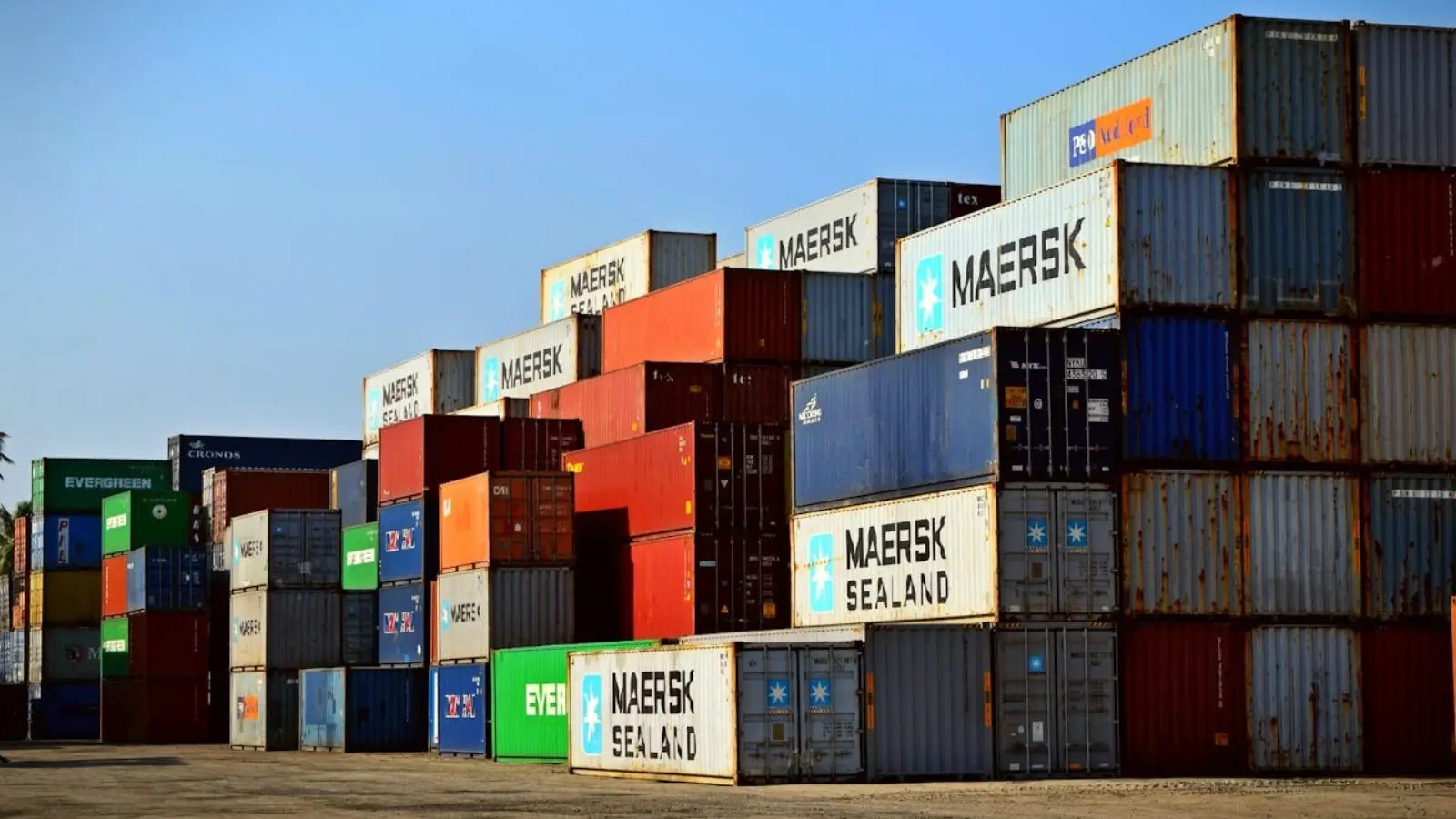
Why Oman Is Emerging as the Next Global Logistics Hub
— Oman is becoming a popular global hub for logistics because of its location and state-of-the-art infrastructure at its seaports and airports.
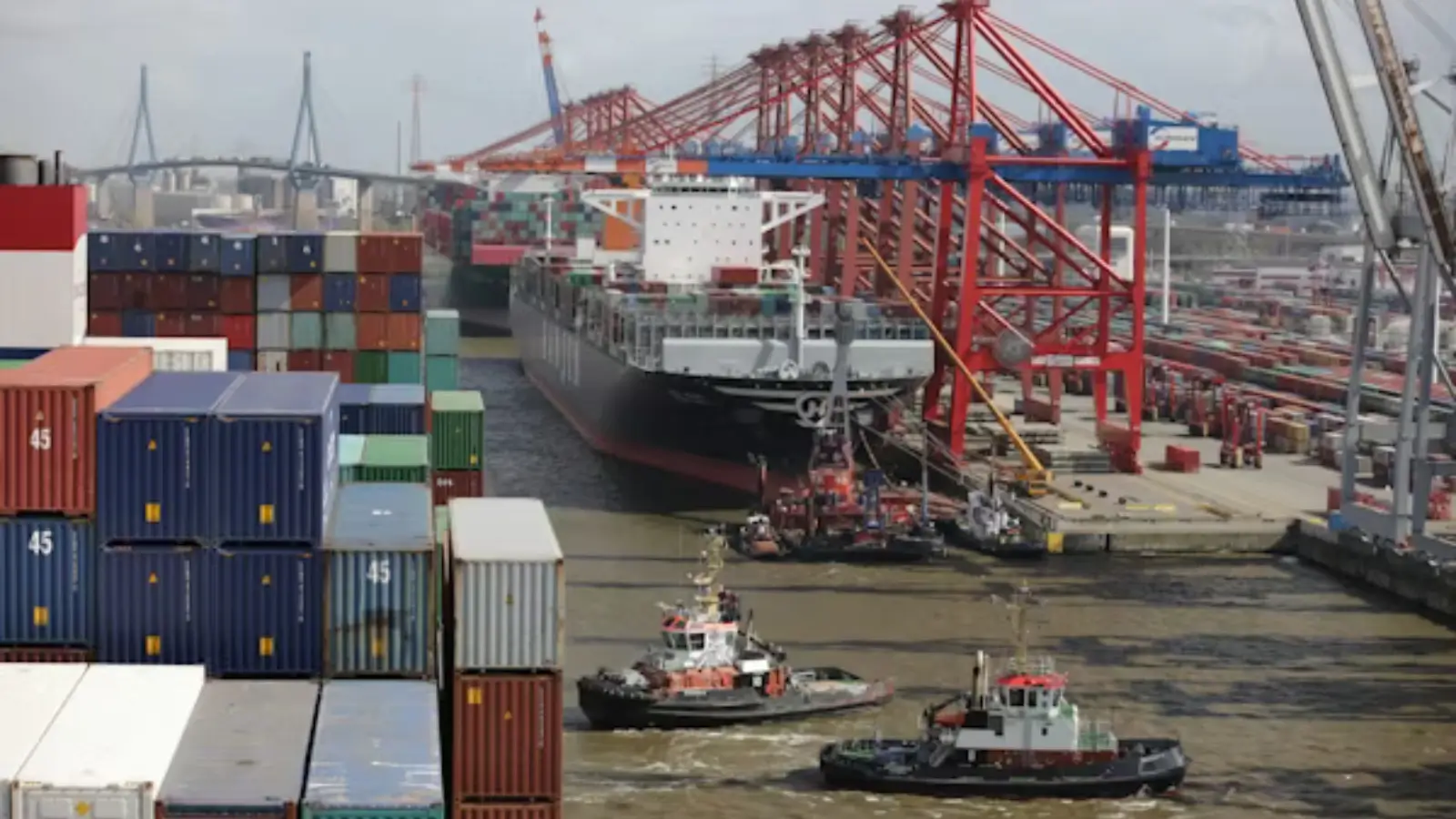
The transport of goods involves different modes. It is made possible through several parties in the supply chain. Logistics play a very important role in the efficient and effective transportation of goods across borders. Within the supply chain, hubs play a key role in receiving, sorting, storing, and redistributing goods.
These hubs, known as logistics hubs, are places that have infrastructure capabilities to integrate the different modes of transport and build and maintain connections between the various parties involved in the supply chain. Logistics hubs can be of different types, depending on their level of operation and purpose.
Global logistics hubs are the ones that manage supply chain operations at a global level. These hubs are usually located near seaports and airports, making them central to handling the global freight.
Features of Global Logistics Hubs
Global logistics hubs handle various operations of the transport of goods across borders in an efficient manner because of their strategic and infrastructural benefits. Here are a few important features of these hubs:
-
These are usually situated near airports, seaports, or highways, and because of this strategic location, they can handle the distribution and storage of goods.
-
Global hubs have an intermodal capability where they can manage and entertain different modes of transport, facilitating international transit.
-
Global hubs have huge and expansive warehouses where goods can be easily stored, sorted, and distributed.
-
These hubs make use of technological systems to handle the logistics process, and therefore, make the whole procedure efficient and effective.
-
Global hubs are flexible in their operations and can handle various types of goods.
-
Most global hubs offer value-added services like labelling, kitting, and brand management.
Reasons Why Oman is Emerging as a Global Logistics Hub
Oman is emerging as one of the best global logistics hubs because of these reasons:
1. Strategic Location
Oman is located at the crossroads of Asia, Africa, and Europe, so it serves as a center for international trade. The port city also has free access to open waters. Because of this, shipping companies can leverage the advantage of the port city to ship goods faster and efficiently.
2. World-Class Ports
Many ports in Oman have world-class facilities and infrastructure. These ports can handle international transport of goods efficiently. Additionally, the government is investing in the expansion and modernization of these ports. This will help to increase the trade volumes at these ports.
3. Free Trade Zones
In Oman, free trade zones offer many incentives, such as tax exemption and no customs duties, which make it cost-effective for many companies to handle their freight.
4. World-Class Air Freight Sector
Oman also boasts a world-class air freight sector, with Muscat International Airport at the core of the sector. The airport is globally connected, has modernized and technologically advanced cargo terminals, and express cargo facilities.
Moreover, the air cargo facilities are temperature-controlled, which makes the operations of this global hub flexible. The government has made it very easy to clear customs, and so, there are no delays in shipping products.
To Sum It Up
Logistics hubs serve as centers of supply chain management. They allow efficient and quick handling of various types of goods through different modes of transport. Oman is becoming a popular global hub for logistics because of its location and state-of-the-art infrastructure at its seaports and airports.