Introduction
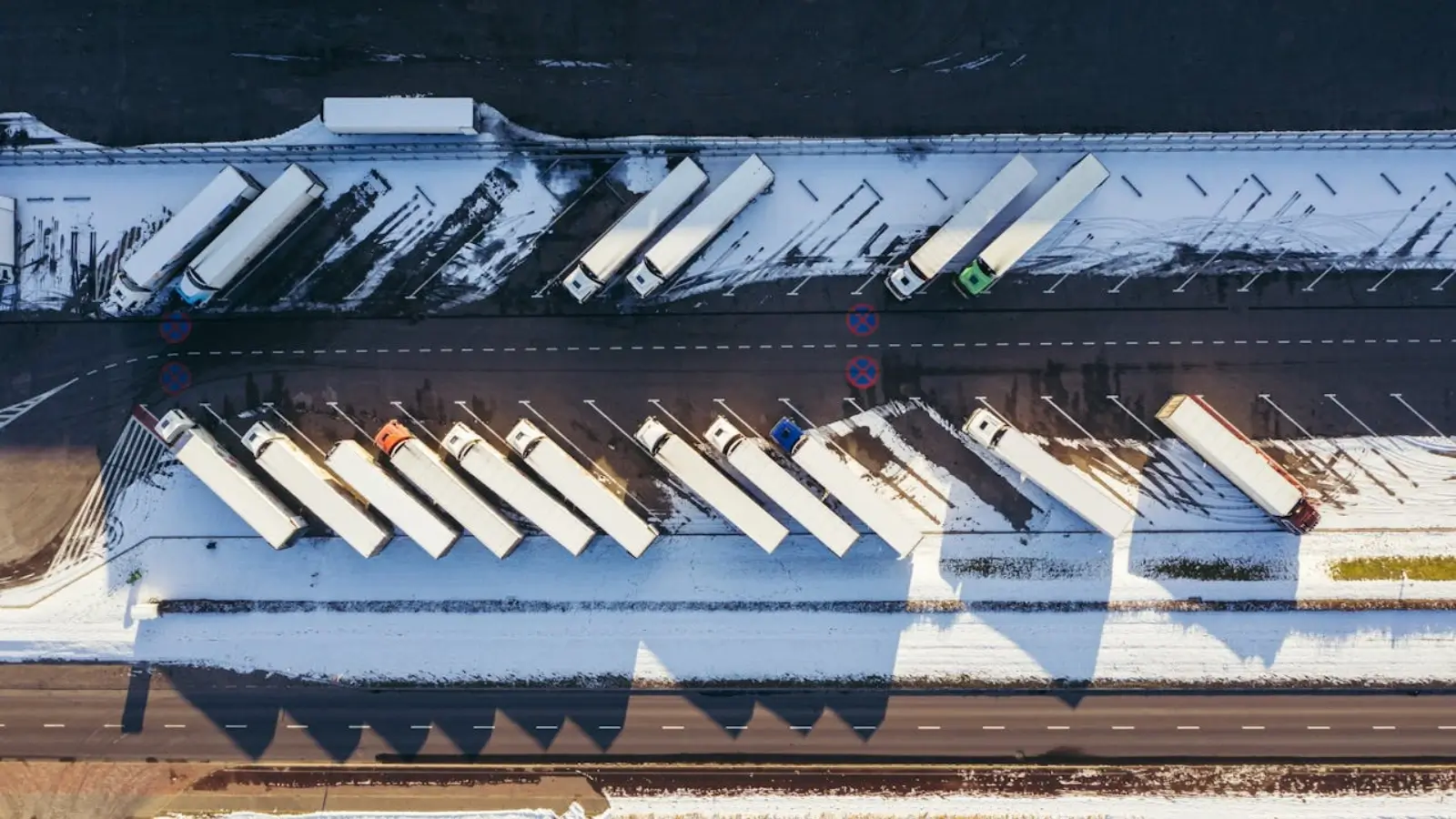
Truck drivers face many challenges on the road, and one of the most pressing issues is finding reliable and safe truck parking. With strict driving regulations and mandatory rest periods, securing a proper parking spot is essential not only for legal compliance but also for driver safety and cargo protection. Without adequate parking, drivers may be forced to stop in unsafe or unauthorized areas, risking accidents, fines, or theft. Moreover, the stress of finding parking can disrupt delivery schedules, affect efficiency, and reduce overall productivity.
The importance of truck parking extends beyond individual drivers. Proper parking facilities contribute to overall road safety, reduce congestion caused by trucks searching for spots, and enable fleet operators to better manage schedules. Inadequate parking options can create systemic challenges, highlighting the need for improved infrastructure, technological solutions, and strategic planning.
The Importance of Truck Parking
Safe and accessible truck parking is vital for both drivers and the logistics industry. Regulations such as Hours of Service require drivers to take rest breaks to avoid fatigue, which is a leading cause of accidents involving large vehicles. Without suitable parking, drivers may resort to stopping along highway shoulders or in locations not designed for trucks, creating safety hazards.
Additionally, reliable parking enables drivers to manage their routes more effectively. Knowing where to park allows for better planning of delivery schedules, fuel stops, and meal breaks. For fleet operators, parking availability is critical for route planning and ensuring compliance with federal and state regulations. Efficient parking practices can reduce downtime, improve operational efficiency, and enhance driver satisfaction.
Challenges in Finding Truck Parking
Despite its importance, truck parking is often difficult to secure. Several challenges contribute to this problem. First, existing truck stops and rest areas may have limited spaces that fill quickly, particularly during peak travel times. Urban development and increased freight traffic have reduced available parking in many areas, making it harder for drivers to find convenient stops.
Local regulations sometimes restrict parking in specific zones, further limiting options. Safety concerns, such as poorly lit lots, lack of surveillance, and inadequate maintenance, discourage drivers from using certain areas. Economic constraints can also be a barrier; not all drivers or small fleet operators can afford paid parking, which may force them to choose less secure alternatives. These challenges collectively contribute to the widespread shortage of quality truck parking across many regions.
Strategies for Securing Truck Parking
To address these challenges, drivers and fleet managers use several strategies. Technology is a key factor in modern parking solutions. Mobile apps and GPS systems provide real-time data on parking availability, occupancy, and amenities, allowing drivers to plan stops with confidence. Some facilities now offer advanced reservation options, enabling drivers to secure a spot in advance and reduce stress during long trips.
Flexible scheduling is another effective approach. Drivers can time their stops during off-peak hours to access parking more easily. Networking with fellow drivers or participating in online forums can reveal lesser-known parking options that are safe and accessible. Fleet managers also play a role in coordinating routes and rest periods to ensure drivers comply with regulations while minimizing time spent searching for parking.
Types of Truck Parking
Understanding the types of truck parking available helps drivers plan more effectively. Truck stops are the most common option, offering parking along with fuel, food, and maintenance services. These facilities are ideal for long-haul drivers but can become crowded during peak periods.
Rest areas are usually free or low-cost and provide basic amenities but may lack security or comfort. Private lots, such as industrial or commercial properties, can serve as additional options, though permission is typically required. Urban parking zones designated for trucks provide convenience but are often limited in number and subject to strict regulations. Awareness of the advantages and limitations of each parking type allows drivers to make informed decisions and avoid unsafe stops.
Safety and Security Considerations
Safety is paramount when choosing truck parking. Well-lit and monitored locations reduce the risk of theft, vandalism, and accidents. Security cameras, staff patrols, and controlled access points provide added protection, especially for overnight or extended stops. Many drivers also take additional precautions, such as securing cargo with high-quality locks or using alarm systems. Prioritizing safety over convenience ensures the protection of both the driver and their cargo, making security a central factor in parking decisions.
Policy and Infrastructure Implications
Government policies and infrastructure investment play a significant role in addressing truck parking shortages. Expanding rest areas, building new truck stops, and providing incentives for private operators to create parking spaces are essential solutions. Policies that integrate parking planning with freight corridors and highway infrastructure improve efficiency and reduce congestion caused by trucks searching for parking. Adequate infrastructure benefits drivers, fleet operators, and the broader logistics ecosystem by enabling safer, more predictable, and more efficient operations.
Technological Innovations in Truck Parking
Technology is reshaping how drivers locate and use truck parking. Real-time parking apps allow drivers to view available spaces, pricing, and amenities instantly, minimizing the stress of searching. Automated payment systems streamline transactions, while smart sensors detect occupancy and feed data to apps and GPS systems. Integrated fleet management tools also allow companies to track parking availability along delivery routes, optimizing rest periods and ensuring regulatory compliance. These innovations make parking more accessible, efficient, and secure for drivers across the country.
Environmental and Economic Impacts
Efficient truck parking has both environmental and economic benefits. By reducing time spent searching for parking, trucks consume less fuel, lowering carbon emissions and operational costs. Economically, accessible parking ensures timely deliveries, reduces delays, and improves driver well-being. Inadequate parking, on the other hand, increases operational costs, causes inefficiencies, and may compromise safety, highlighting the critical need for investment and planning in this area.
Common Mistakes Drivers Make
Drivers often make mistakes when securing truck parking, including failing to plan ahead, ignoring technological tools, overlooking local regulations, and prioritizing convenience over safety. Stopping without planning can result in parking in unauthorized or unsafe areas, risking fines or towing. Failing to use apps or GPS systems may lead to inefficient searches, while neglecting local rules can result in legal penalties. Prioritizing security over proximity to the route ensures that both drivers and cargo remain safe.
Best Practices for Truck Parking
To maximize efficiency, safety, and compliance, drivers should follow best practices. Planning routes and rest periods in advance helps secure available parking. Selecting well-lit, monitored facilities improves safety. Leveraging technology, including real-time apps and fleet management tools, ensures efficient use of available spaces. Maintaining communication with fleet managers or other drivers allows for shared knowledge about parking availability and quality. These practices enhance operational efficiency, reduce stress, and contribute to safer driving conditions.
The Future of Truck Parking
The future of truck parking will be influenced by technology, infrastructure development, and regulatory evolution. Autonomous vehicles, smart highways, and IoT-enabled parking solutions promise a safer and more organized parking experience. Investment in infrastructure and innovative parking solutions will create a system where drivers can reliably find safe, secure, and accessible parking. As awareness of driver safety and logistics efficiency grows, the trucking industry will continue to adopt practices that improve both convenience and compliance.
Conclusion
Safe and reliable truck parking is a cornerstone of the modern trucking industry. Drivers, fleet managers, and policymakers must work together to overcome existing challenges, implement best practices, and leverage technology for better solutions. By understanding the importance of parking, planning routes effectively, prioritizing safety, and adopting innovative approaches, drivers can ensure compliance, efficiency, and security on the road. Investments in infrastructure, technology, and awareness will continue to shape a future where truck parking is safer, more accessible, and sustainable, benefiting the entire transportation ecosystem.
Business Outstanders brings you sharp insights on tech, business, entrepreneurship, law, crypto, and more. We uncover what’s next. Stay updated, sign up for our newsletter and be part of the future!