There is a growing trend among Fleet managers to find methods of enhancing output without putting the strain or pressure on their teams or raising operational costs. As the need to do more jobs within a shorter period of time is mounting, companies are seeking mechanisms that can be used to streamline daily operations and pinpoint the areas in which performance can be improved. Digital platforms have rapidly turned into a precious resource in this change and provide new measures of transparency and dominance.
The pressure to have solid insight has been necessitated by the increasing fleet sizes, the intricate routes, and customer demands that are changing as organizations accommodate more clients. Managers will no longer be able to rely only on manual reporting or periodical updates; they must have real-world information. This is supported by advanced tools that will enable companies to perform consistently at all levels of their operations.
How Modern Digital Tools Boost Fleet Productivity
The companies are embracing smart technology to know where time, fuel, and resources are being wasted- and where to make improvements.
The main ways these tools can maximize productivity are:
- Live tracking of routes enables managers to change schedules and prevent delays.
- Monitoring of the drivers assists in the identification of habits that affect efficiency.
- Maintenance notifications, making sure that vehicles are adequately maintained and are not spending a lot of time not on the road.
- Automated reporting, less administration and better accuracy of data.
All these characteristics will ensure that fleets operate more effectively and impose less pressure on employees and resources. Having such capabilities, the managers will have the opportunity to concentrate on the higher-value decisions that will enable the increase of productivity in the long run.
Core Features That Enhance Fleet Performance
1. Live Usage and Performance Data
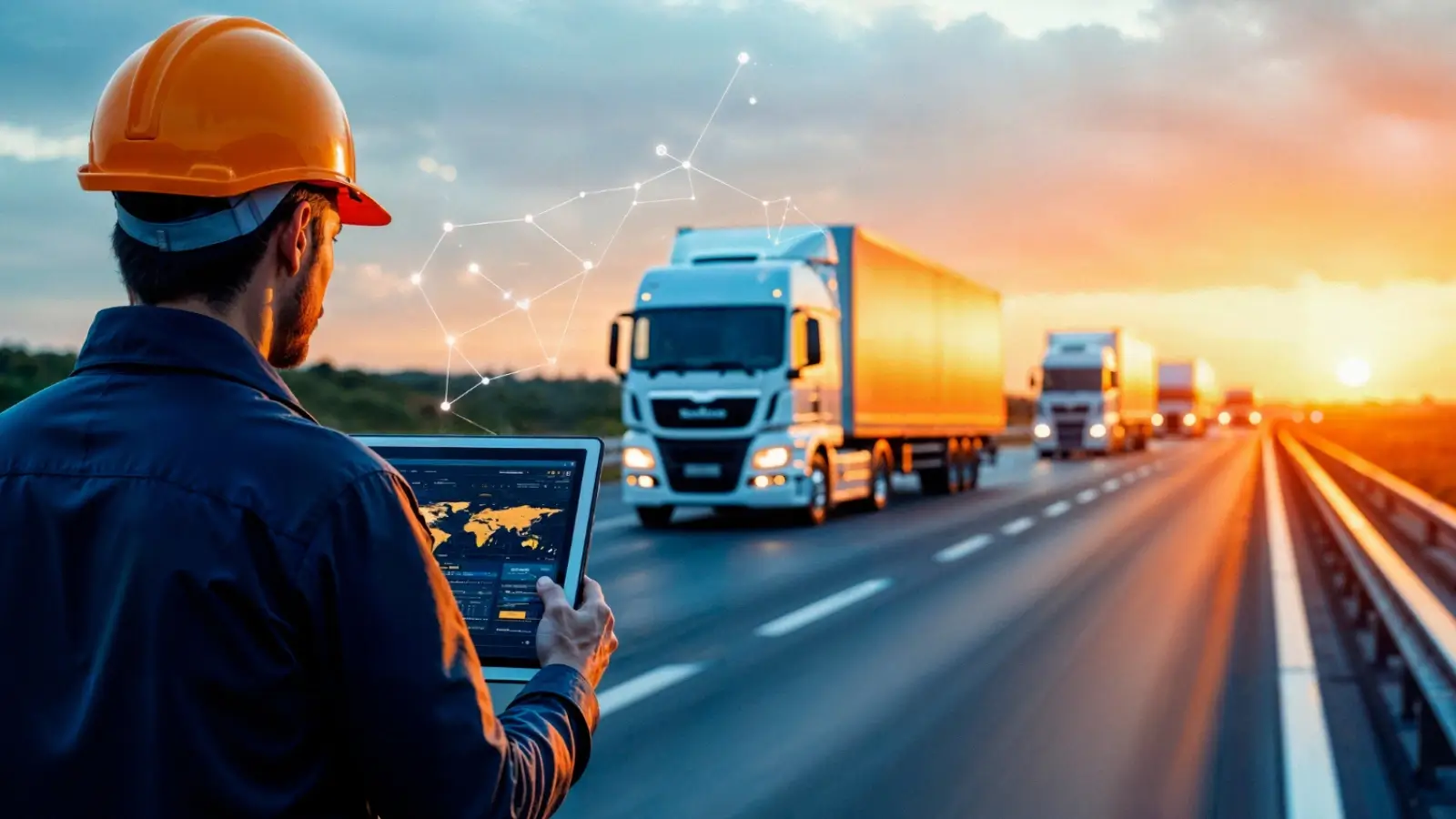
The telematics solutions provide businesses with the opportunity to obtain detailed information about all the vehicles, such as the speed, position, engine work, and the route. Such visibility enables managers to know the stage of activities that are bottlenecks and make adjustments in real time so that the working process becomes more predictable and smoother.
2. Smarter Driver Support and Behaviour Insight
Digital tools point out behavioural patterns that influence productivity, and some fleets also adopt bit eld solutions to ensure compliant logging and better insight into driver hours including rudimentary braking, excessive idling, or erratic speed management. Based on this understanding, managers will be able to provide effective advice and specific training that enhances productivity and safety. A resourced driver team is one of the reasons which assist in increasing the productive fleet operations.
3. Automated Data Handling and Reporting
Automation eliminates manual recordkeeping, and the teams are set up to collect useful information with no extra effort. Mileage, fuel consumption and journey duration reports are automatically generated and this provides managers with reliable data to aid in the planning and decision making process. This saves time and minimises mistakes within the organisation.
4. Improving Operational Efficiency Through Stronger Insight
With clear performance data, managers are in a position to determine the areas where the resources are being utilized inefficiently. Inefficient routes, unwarranted stops and poor use of the vehicles can become easier to detect when they are underpinned by proper reporting. Informed adjustments assist the business to maximise the potential of the fleet and also save time spent on waste.
The process of scheduling also gets more accurate. Due to real-time visibility, coordination of drivers, prediction of arrival times and reaction to unexpected changes become simpler. This guarantees the fulfillment of every job in the most efficient manner possible, as well as keeping the customers posted and reducing the delays. In the long run, these gains will give way to more reliable operations.
5. Supporting Long-Term Growth and Reliability
Better productivity does not only pertain to short term benefits, but also enhances performance in the long term. A comprehensive understanding of the usage patterns enables businesses to do better planning in advance, such that the investment in the future is made based on the requirements of the business operations. When increasing the fleet or modernizing equipment, the decisions will be based on the data, reducing the financial risk.
Long-term reliability is also significantly contributed to by maintenance planning. Predictive alerts assist companies in planning servicing ahead of the breakdown to avoid costly downtime and give the vehicle a long life. With assets that are in better condition, the fleet can continue with its needs without stopping, which leads to a more stable and efficient operation as a whole.
Conclusion
The current data-driven solutions are revolutionizing the productivity of fleets by providing a clear understanding of the performance, behaviour, and vehicle health. Businesses will run with more efficiency and gain confidence with real-time monitoring, automated reporting and a smarter maintenance plan.
With pressure on operational needs constantly increasing, organisations that adopt the emerging sophisticated digital tools will be in superior positions in cutting down waste, streamlining operations and maintaining high productivity in general in their fleet.
Business Outstanders brings you sharp insights on tech, business, entrepreneurship, law, crypto, and more. We uncover what’s next. Stay updated, sign up for our newsletter and be part of the future!