When it comes to budgeting for vehicle branding, a lot of small business owners get two things wrong at the same time. They assume van wraps cost more than they actually do, and they have no real framework for fitting that cost into an actual marketing plan. The result is usually one of two things: skipping vehicle branding entirely, or overpaying because nobody asked the right questions before getting a quote.
1. They Assume Wraps Are a Premium-Only Expense
Many owners picture a van wrap as something only large companies do, the kind of expense reserved for businesses with dedicated marketing departments and six-figure budgets. In reality, a partial wrap covering a logo, contact details, and a splash of brand color can cost far less than a single month of paid search ads in a competitive local market. That "premium expense" assumption keeps a surprising number of small businesses from even asking for a quote in the first place.
2. They Compare Wrap Cost to a Single Month of Digital Ads
This is where the math usually goes sideways. A business owner sees a wrap quote of a few thousand dollars and compares it directly to a $300 monthly ad budget, then assumes the wrap is ten times more expensive. What gets left out of that comparison is time. The ad spend repeats every single month with no leftover value once the budget runs out, while a wrap is paid once and keeps working for years. This is why many businesses evaluate vehicle wraps alongside other long-term small business marketing strategies instead of viewing them as a standalone expense. That difference flips the real cost-per-month math in the wrap's favor the longer it stays on the road.
3. They Underestimate How Long a Wrap Actually Lasts
Quality vinyl wraps typically hold up for three to seven years with normal care, depending on the material and how much sun exposure the vehicle gets. Spread a one-time cost across that timeframe, and the effective monthly cost often lands lower than a single boosted social media post. Owners who only look at the upfront sticker price tend to miss this part of the equation entirely, which skews their entire perception of value.
4. They Do Not Separate Design Cost From Installation Cost
A lot of confusion comes from treating "wrap cost" as a single number. In practice, it's really two separate things: the design work, which includes layout, branding, and file preparation, and the physical installation, which covers material and labor based on vehicle size. Some shops bundle both into one price, others quote them separately. Business owners who don't ask which is which often end up comparing quotes that aren't actually comparable, since one shop's "lower price" might simply exclude design work entirely.
5. They Guess Instead of Getting a Real Quote
This is probably the most common mistake of all. Owners build a marketing plan around a number they found somewhere online, then get caught off guard when an actual quote comes in differently because their vehicle size, wrap coverage, or design complexity was never accounted for. Looking at a clear Van Cost Wrap estimate built around your specific vehicle and coverage area removes the guesswork before you build a budget around the wrong figure.
RoadRunner Wraps and most reputable installers will walk through size, material, and design options before quoting anything, and that conversation is usually what determines the real number, not a generic price pulled from a forum post.
6. They Skip Looking at Real Marketing Budget Benchmarks
The U.S. Small Business Administration's own guidance points to research showing average marketing spending lands around 7.9% of revenue, with business-to-consumer service companies often spending closer to 11.8%. Most owners have never run that percentage against their own revenue, which means branding budgets often get set on gut feeling rather than any benchmark that has actually been tested. Once you know what your real marketing budget looks like, a one-time wrap expense usually fits inside it more comfortably than expected, especially next to ongoing ad spend that has to be renewed every single month.
7. They Treat the Van as an Afterthought in the Marketing Plan
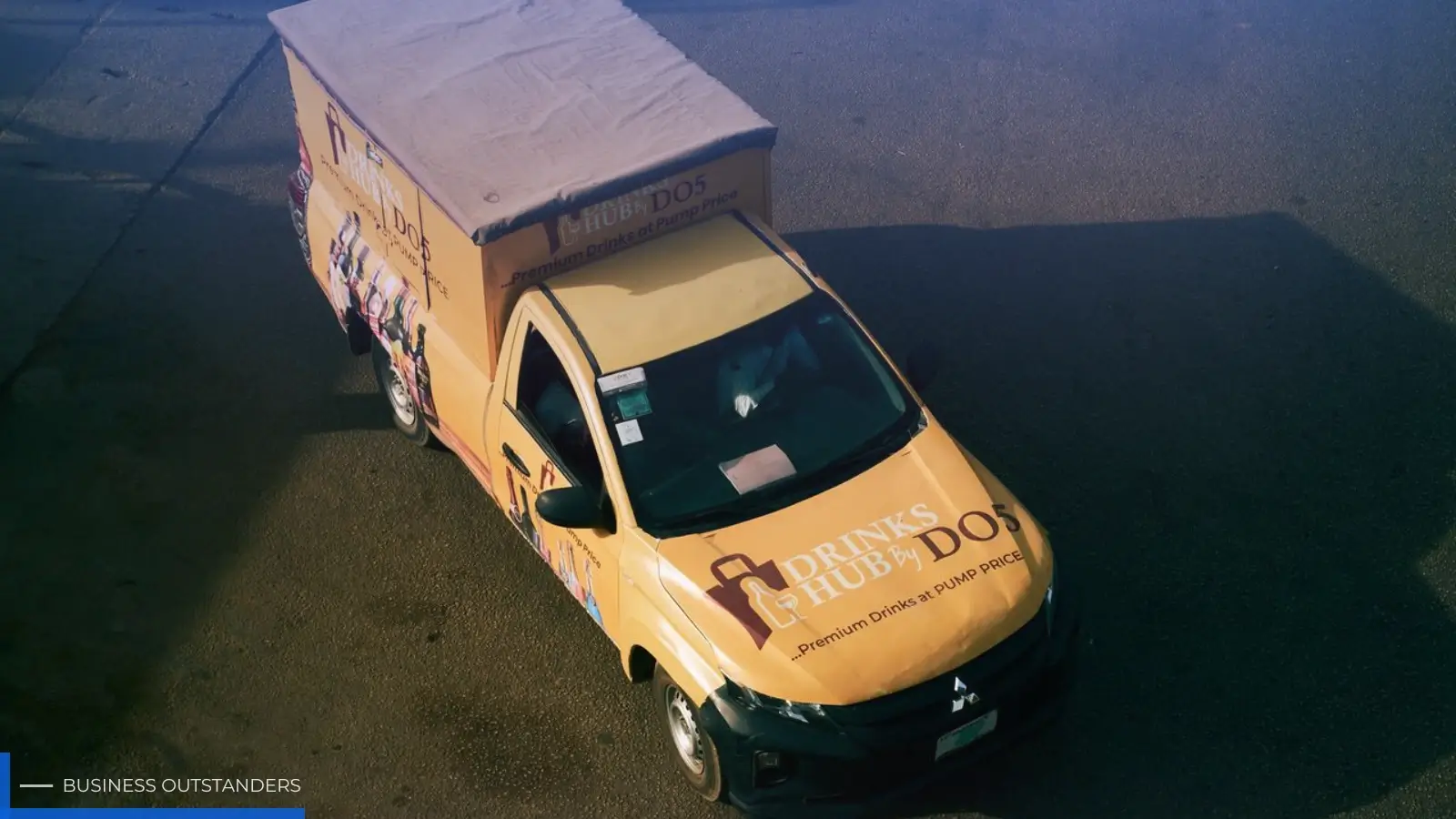
Even owners who budget carefully for marketing often leave the company vehicle out of the plan completely, treating it as a transportation cost instead of a branding asset. That framing is backwards. The van is already on the road every single day. The only real decision left is whether it's working for the brand or just sitting there unbranded. Folding the wrap into the marketing budget, rather than treating it as a separate "maybe later" expense, is usually what separates the business owners who get this right from the ones who keep putting it off year after year.
Final Thoughts
Getting van wrap costs wrong is rarely about the actual price tag. It's about comparing it to the wrong things, ignoring how long it lasts, and never lining it up against a real marketing budget in the first place. Once those mistakes get corrected, vehicle branding tends to look a lot more affordable than most business owners originally assumed.
Business Outstanders brings you sharp insights on tech, business, entrepreneurship, law, crypto, and more. We uncover what’s next. Stay updated, sign up for our newsletter and be part of the future!