Many startup founders believe building a recognizable brand requires a substantial marketing budget. It's an understandable assumption. Large companies dominate advertising channels, sponsor major events, and invest heavily in marketing campaigns that seem out of reach for newer businesses.
Yet some of the most successful brands started with limited resources and relied on creativity, consistency, and customer relationships rather than large advertising budgets.
Brand-building isn't about spending the most money. It's about creating a memorable identity and consistently delivering value wherever customers interact with your business. For startups looking to establish credibility and increase visibility, there are several affordable tactics that can make a meaningful impact.
Create a Consistent Brand Identity
A strong brand starts with consistency.
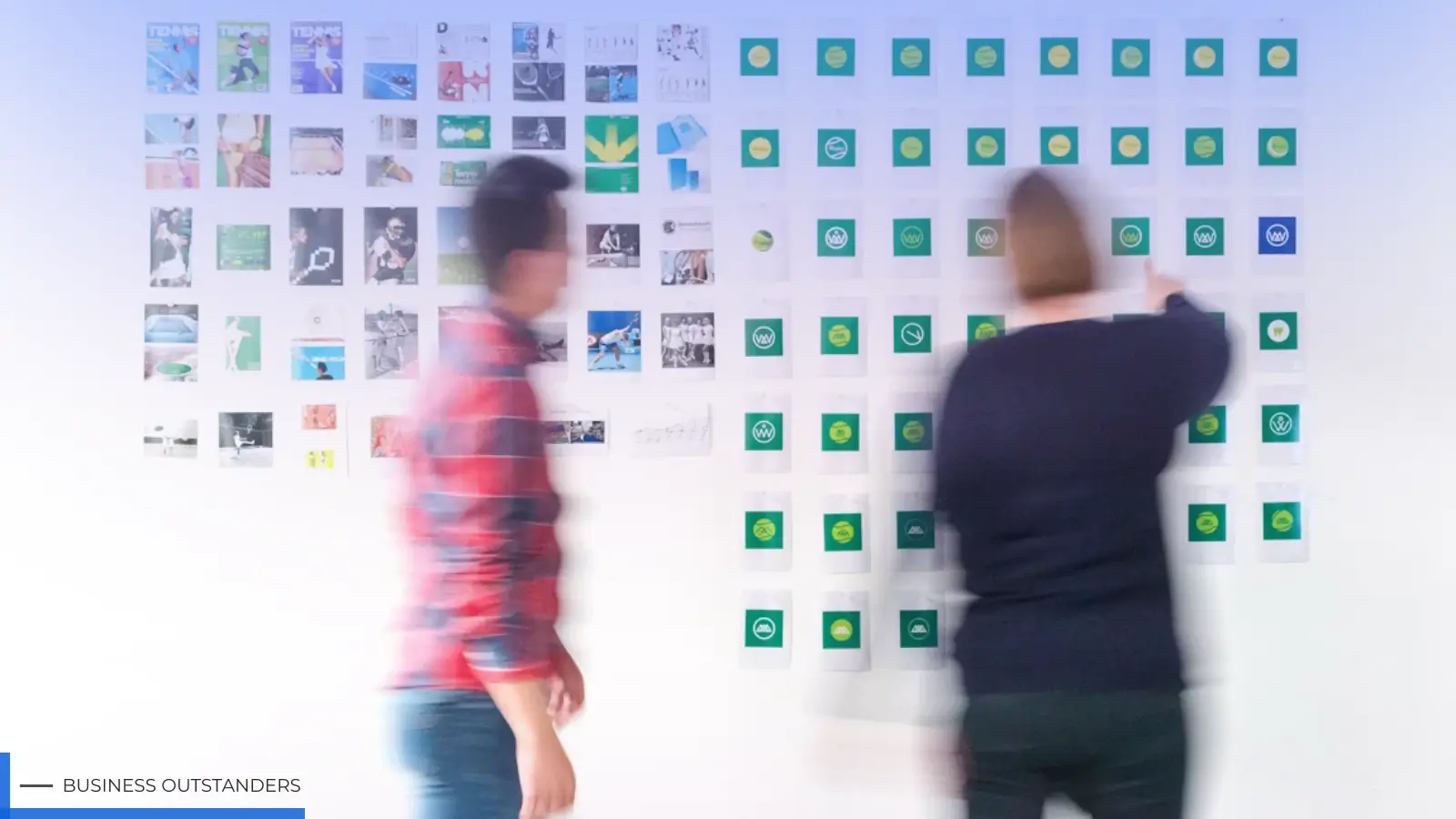
Customers should be able to recognize your business whether they encounter it on social media, your website, a business card, or an email newsletter. Inconsistent branding creates confusion, while consistency builds familiarity and trust.
Key elements of a consistent brand identity include:
- A professional logo
- Consistent color palette
- Clear brand messaging
- Defined tone of voice
- Unified visual style across platforms
When these elements work together, your business appears more professional and memorable, even if you're operating with a small marketing budget.
Consistency also helps reinforce brand awareness over time, making it easier for potential customers to remember your business when they're ready to make a purchasing decision.
Focus on Customer Experience
Brand perception is shaped by far more than marketing materials.
Every interaction a customer has with your business contributes to how they view your brand. Customer support, onboarding, follow-up communication, and even response times can influence long-term loyalty.
Startups can strengthen their brand by focusing on simple but meaningful improvements such as:
- Responding promptly to inquiries
- Personalizing customer interactions
- Following up after purchases
- Making support channels easy to access
Customers often remember how a company made them feel more than any advertisement they saw.
Positive experiences create stronger relationships and encourage word-of-mouth recommendations, which remain one of the most valuable growth drivers for early-stage businesses.
Build Authority Through Content
Content marketing remains one of the most cost-effective ways to build a brand.
Rather than constantly promoting products or services, startups can create educational content that helps solve customer problems. This positions the business as a trusted resource while increasing visibility through search engines and social channels.
Effective content assets include:
- Blog articles
- Industry guides
- Educational videos
- Newsletters
- Case studies
- Thought-leadership content
Over time, these assets continue generating traffic and engagement without requiring ongoing advertising spend.
A well-written article can attract potential customers months or even years after publication, making content one of the most valuable long-term investments a startup can make.
Leverage Community Engagement
Many startups overlook one of the most accessible brand-building opportunities available: community involvement.
Whether online or offline, communities provide opportunities to connect directly with potential customers and industry peers.
Startups can increase visibility by participating in:
- Local business events
- Industry associations
- Entrepreneur networking groups
- Online forums and communities
- Community sponsorship opportunities
Active participation helps build credibility while creating relationships that often lead to referrals, partnerships, and business opportunities.
People are more likely to trust brands they regularly encounter within communities they value.
Use Promotional Products Strategically
Promotional products are often associated with large corporations, but startups can use them effectively as well.
The key is selecting merchandise that provides genuine value rather than distributing inexpensive items simply to increase exposure.
Useful branded products often remain visible long after a campaign ends. Reusable water bottles, notebooks, tote bags, and technology accessories can generate repeated brand impressions while reinforcing positive associations.
Founders looking for inspiration can explore creative summer swag ideas that align promotional products with customer interests, community events, and seasonal marketing opportunities.
The most effective promotional merchandise:
- Solves a practical need
- Aligns with customer lifestyles
- Reflects brand values
- Encourages repeated use
Unlike many digital ads that disappear within seconds, useful promotional products can keep a startup visible for months.
Encourage Customer Advocacy
People trust recommendations from other customers far more than traditional advertising.
That's why customer advocacy should be a core part of every startup's brand-building strategy.
Businesses can encourage advocacy by:
- Requesting reviews
- Showcasing testimonials
- Creating referral programs
- Highlighting customer success stories
- Encouraging user-generated content
When customers actively promote a business, they help expand brand awareness while providing valuable social proof.
A single positive review or recommendation can often influence purchasing decisions more effectively than a paid ads.
Measure and Refine Your Branding Efforts
Building a brand is not a one-time project. It requires ongoing evaluation and refinement.
Successful startups regularly review:
- Website traffic
- Customer feedback
- Social engagement
- Conversion rates
- Brand mentions
- Marketing performance metrics
This data helps founders understand what's resonating with their audience and where improvements can be made.
The ability to adapt and improve is often one of a startup's greatest advantages over larger competitors.
Key Takeaways
- Consistent branding improves recognition and trust.
- Customer experience is one of the strongest drivers of brand perception.
- Educational content builds authority and long-term visibility.
- Community engagement strengthens credibility and relationships.
- Useful promotional products create lasting brand exposure.
- Customer advocacy amplifies awareness through trusted recommendations.
- Measurement and refinement help maximize branding efforts over time.
Building a recognizable startup brand doesn't require a massive marketing budget. More often, it requires consistency, creativity, and a commitment to delivering value at every customer touchpoint.
Founders who focus on creating positive experiences, building trust, and investing in long-term brand assets are often better positioned for sustainable growth than those chasing short-term visibility. Strong brands are built one interaction at a time—and startups have more opportunities than ever to make those interactions count.
Business Outstanders brings you sharp insights on tech, business, entrepreneurship, law, crypto, and more. We uncover what’s next. Stay updated, sign up for our newsletter and be part of the future!