The High Stakes of YMYL: Why E-E-A-T is Non-Negotiable
The landscape of search engine optimization is complex, but for health and wellness brands, it operates under an even stricter set of rules. Google classifies content that could potentially impact a user's health, finances, or safety as "Your Money or Your Life" (YMYL). This designation means that health and wellness websites are held to the absolute highest standards for accuracy, trustworthiness, and overall quality. This rigorous scrutiny was notably amplified by algorithm updates, like the "Medic update" in 2018, which specifically targeted YMYL sites.
At the core of Google's evaluation for YMYL content is the E-E-A-T framework: Experience, Expertise, Authoritativeness, and Trustworthiness. Our goal in health and wellness SEO isn't just to rank, but to genuinely demonstrate these qualities to both search engines and users. This is a critical differentiator from general retail SEO, where the stakes are typically lower. For us, errors or misinformation can have serious consequences for patient well-being, making medical accuracy paramount.
Demonstrating E-E-A-T requires a multi-faceted approach. We must ensure that all content is not only expertly written but also thoroughly reviewed by qualified healthcare professionals. This includes clear credentialing for authors and reviewers, transparent author bylines, and robust source citations linking to peer-reviewed studies or reputable medical institutions. Beyond content, adherence to ethical standards and regulatory compliance, such as HIPAA in the US, is non-negotiable. Google's Quality Rater Guidelines, which dictate how human reviewers assess websites, place significant emphasis on these factors, particularly for YMYL pages.
Demonstrating Trustworthiness in Health Content
Building trust online for health and wellness brands goes beyond mere claims; it requires tangible proof. Every piece of content, from blog posts on general wellness topics to detailed explanations of medical conditions, should undergo meticulous fact-checking. Expert insights from professionals in the field highlight the importance of medical review for every article, even seemingly simple ones like "drinking water to lose weight." This ensures that the information we publish is not only accurate but also reflects the latest medical understanding.
We achieve this by showcasing professional bios for all content creators and reviewers, detailing their qualifications, experience, and affiliations. Transparency is key; users and search engines need to clearly see who is behind the information. Implementing a clear medical disclaimer on relevant pages also helps manage user expectations and legal responsibilities. Some organizations even pursue independent certifications, like the PIF TICK, which offers an independently assessed standard for healthcare content creators, further bolstering content integrity and user safety. While author biographies aren't a direct ranking factor, they are crucial trust signals that illustrate the author's knowledge and credibility, helping us pass Google's stringent E-E-A-T test.
Building Authority with Evergreen health and wellness SEO
Establishing authority in the health and wellness sector is a long-term endeavor, but it's fundamental to sustainable SEO success. Google seeks to identify domains that are truly authoritative within their niche. This means building a comprehensive library of high-quality, relevant content organized strategically. One highly effective method is the creation of topic clusters, where a central "pillar" page broadly covers a subject (e.g., "hip replacement") and links out to numerous supporting "cluster" articles that delve into specific sub-topics (e.g., "types of hip replacement surgery," "hip replacement recovery time," "cost of hip replacement"). This structure not only guides users through related information but also signals to search engines our deep expertise in a given area.
Beyond on-site content, a robust backlink profile is crucial for boosting domain authority. However, in the health and wellness space, the quality and relevance of backlinks are paramount. "Shady" link-building tactics are not only ineffective but can be detrimental. Instead, we focus on digital PR and earning high-quality backlinks from reputable sources, particularly .gov and .edu domains. This can involve having our practitioners speak at conferences and requesting links from organizers, sharing community programs with local government bodies, or publishing research papers in academic journals that reference our brand. Resources like HARO (Help A Reporter Out) also offer excellent opportunities to provide expert quotes to journalists from authoritative news sites, often resulting in valuable backlinks. This strategic approach to link building, combined with a strong internal linking structure that acts as a "breadcrumb" system for users and search engines, contributes significantly to our overall information architecture and helps distribute authority across our site, fostering truly Evergreen health and wellness SEO.
Strategic Keyword Research for Evergreen health and wellness SEO
Effective keyword research for health and wellness brands goes beyond simply finding high-volume terms. It's about understanding user intent, identifying the specific questions potential patients and clients are asking, and targeting both broad and niche-specific queries. While broad terms like "wellness" can attract significant global monthly searches (up to 673,000), phrases like "health and wellness" also carry substantial volume (40,500 monthly searches), indicating different nuances in user queries.
We prioritize a blend of long-tail queries and user-centric terms that often have lower keyword difficulty but higher conversion potential. For instance, instead of just "yoga," a more targeted approach might be "yoga for stress relief in [your city]" to capture local intent. We use tools like Google Keyword Planner to validate search volumes and identify related keywords, often filtering for lower competition (e.g., Keyword Difficulty ≤ 40) to find opportunities that major health publishers might overlook. This allows us to build content around specific wellness subtopics like "emotional health" (22,200 searches) or "physical wellness" (8,100 searches), ensuring our content directly addresses user needs and helps us stand out in a crowded market. Competitive gap analysis also helps us identify keywords our competitors are ranking for but we are not, providing valuable content opportunities.
Long-term Growth through Evergreen health and wellness SEO
SEO is not a one-time fix; it's an ongoing commitment, especially in the dynamic health and wellness sector. For sustained growth, we focus on creating "evergreen" content – information that remains relevant and valuable over time. This content is regularly reviewed, updated, and optimized to prevent content decay and ensure its continued accuracy and authority.
Beyond evergreen topics, understanding and leveraging seasonal trends is vital. The health and wellness industry often experiences seasonal fluctuations in search behavior. For example, searches for fitness-related content might peak in January, while allergy-related queries surge in spring. By planning our content calendar and SEO optimizations around these "seasonal symphonies," we can align our efforts with user demand, preparing bottom-funnel conversion pages ahead of peak periods. This proactive approach ensures our brand remains visible and relevant throughout the year, contributing to brand longevity and compounding traffic over time.
Technical Foundations and the Role of AI in 2026
The technical health of a health and wellness website forms the bedrock of its SEO performance. In May 2026, Google continues to emphasize user experience signals, particularly through Core Web Vitals. These metrics measure real-world user experience for loading performance (Largest Contentful Paint - LCP), interactivity (First Input Delay - FID), and visual stability (Cumulative Layout Shift - CLS). With statistics showing that a significant percentage of websites still fail Core Web Vitals, optimizing these metrics presents a clear competitive advantage.
Beyond Core Web Vitals, mobile-friendliness is non-negotiable, as over 60% of organic search traffic now originates from mobile devices. Our websites must be responsive, load quickly on smartphones, and offer an intuitive user experience across all screen sizes. Security is also paramount; nearly all websites now use HTTPS encryption, and health and wellness sites must follow suit to protect sensitive user data and maintain trust. Furthermore, web accessibility (WCAG compliance) ensures that our content is usable by everyone, including individuals with disabilities, broadening our reach and demonstrating inclusivity.
Structured data and schema markup play a crucial role in helping search engines understand our content more deeply. By implementing specific schema types, such as MedicalWebPage, Physician, or Hospital markup, we can provide context to search engines about the nature of our content and services. This can lead to rich snippets and enhanced visibility in search results, making our listings stand out.
The role of generative AI in technical SEO and content optimization is rapidly expanding. AI tools are becoming indispensable for predictive analytics, analyzing vast datasets to forecast emerging keywords and user intent. They can automate tedious tasks like generating meta tags and alt-text for images and videos, ensuring consistency and accuracy at scale. This allows our teams to focus on higher-level strategy and content creation, while AI handles the repetitive, data-intensive aspects of technical SEO.
Leveraging AI for Content Optimization
AI's impact extends significantly into content optimization for health and wellness. Natural Language Processing (NLP) helps us understand the semantic relevance of our content, ensuring it aligns with how users actually search, rather than just matching exact keywords. This facilitates better user intent mapping, allowing us to create content that precisely answers user queries.
AI can also assist in personalizing content experiences, tailoring information based on user behavior and preferences. For health and wellness brands, this means delivering more relevant and engaging content, which can improve dwell time and reduce bounce rates. While AI can generate initial drafts for common knowledge topics, especially for content with lots of existing information, human oversight and medical review remain absolutely critical. The efficiency gained through AI in automating tasks like alt-text generation and data-driven insights allows our human experts to focus on crafting high-quality, medically accurate, and authoritative content, ultimately scaling our content efforts without compromising on quality.
Local Visibility and Content Strategy for Wellness Brands
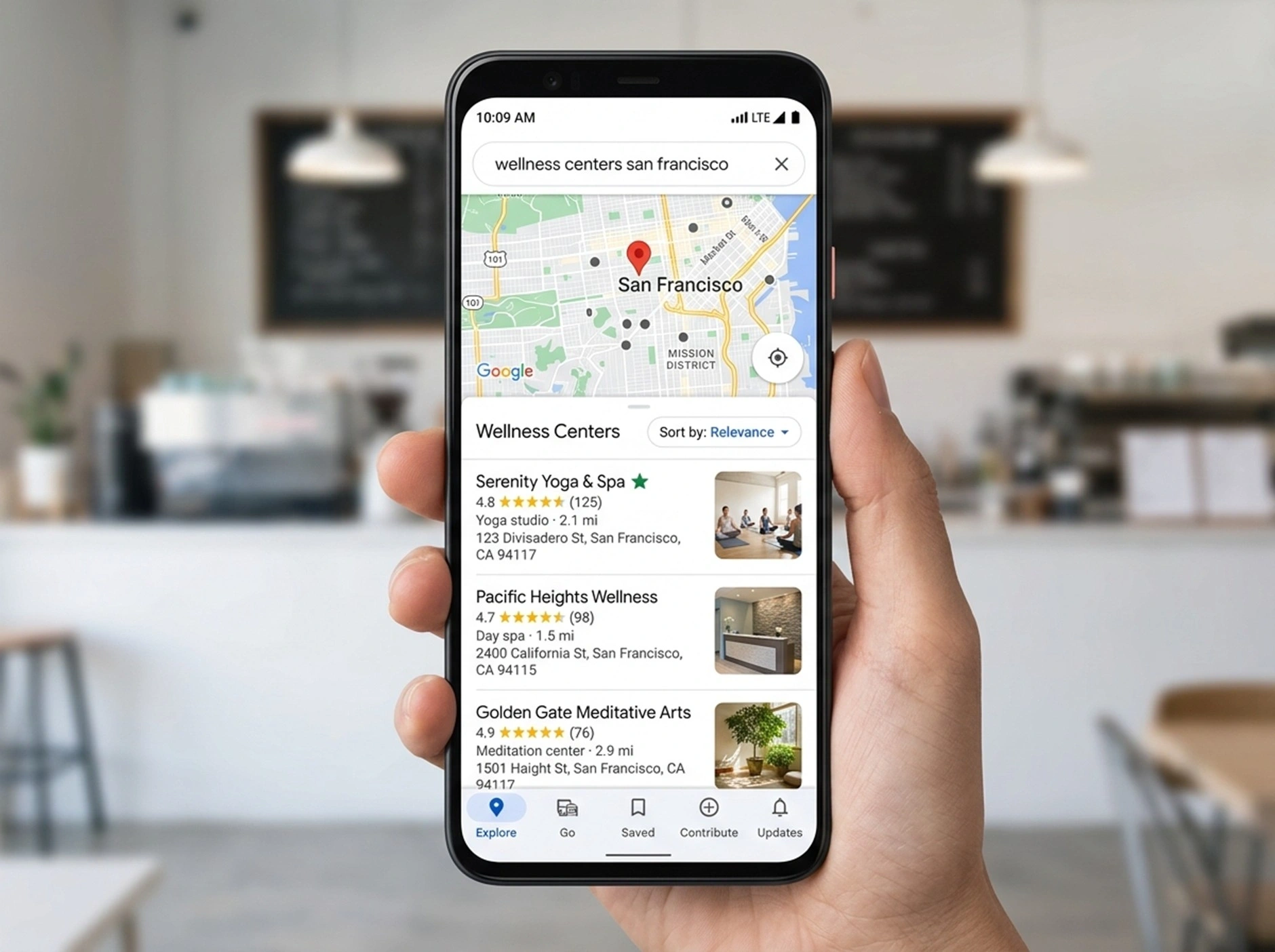
For many health and wellness brands, especially those with physical locations like clinics, spas, or wellness centers, local SEO is paramount. It’s about ensuring that when potential clients in our community search for services, we appear prominently in their local search results. A strong local presence is vital given that a significant percentage of patients consider a provider's website when choosing healthcare, and many look to online reviews first.
The cornerstone of local SEO is an optimized Google Business Profile (GBP). We meticulously claim and verify our GBP listings, ensuring complete and consistent information across all fields: Name, Address, Phone number (NAP consistency), hours of operation, services offered, and high-quality images. Actively soliciting and managing patient reviews on our GBP and other platforms is also critical, as positive reviews significantly influence local search rankings and consumer trust.
Beyond GBP, we focus on creating location-specific content. This involves developing dedicated service area pages that incorporate neighborhood keywords and local landmarks, rather than just city names. For example, a physical therapy clinic in a large city might create pages for "Downtown [City] Physical Therapy" or "Northside [City] Sports Injury Clinic." These pages are optimized with localized URL structures, title tags, and headers, and include clear calls to action and contact forms. Community engagement, both online and offline, further strengthens local signals, as does consistent citation building in local directories and industry-specific listings.
High-quality content remains essential, even for local SEO. Infographics, videos, and articles addressing common local health concerns or seasonal wellness tips can attract and engage local audiences. Social media integration, while not a direct ranking factor, supports local SEO by driving referral traffic, increasing brand awareness, and providing another channel for review collection and community interaction.
Optimizing for Local Patient Acquisition
The rise of "near me" searches underscores the importance of local optimization for patient acquisition. Users actively seeking services in their immediate vicinity are often high-intent prospects. Our strategy focuses on capturing these queries by:
- Creating Service Area Pages: Dedicated pages for each service location, rich with localized content, testimonials from local patients, and specific service offerings for that area.
- Robust Review Management: Proactively encouraging satisfied patients to leave reviews on Google, Yelp, and industry-specific platforms (e.g., Doctify, Top Doctors). Responding professionally to all reviews, positive or negative, demonstrates attentiveness and builds trust.
- Local Directories: Ensuring accurate and consistent NAP information across a broad range of local and healthcare-specific directories, acting as strong local citations.
- Geo-Targeted Keywords: Incorporating hyper-local keywords into content, meta descriptions, and even image alt-text.
- Appointment Booking Integration: Making it easy for local users to schedule appointments directly from search results or our website, reducing friction in the conversion process.
By combining these tactics, we can significantly enhance our local search visibility, ensuring that when someone in our service area needs health or wellness support, our brand is easily discoverable.
Measuring Success and Avoiding Common Pitfalls
Measuring the success of our health and wellness SEO efforts is crucial for demonstrating ROI and continuously refining our strategies. We track a range of essential KPIs using tools like Google Analytics and Google Search Console.
Essential SEO KPIs for Wellness Brands:
- Organic Traffic: The number of visitors coming to our site from search engines.
- Keyword Rankings: Our position in search results for target keywords.
- Conversion Rate: The percentage of organic visitors who complete a desired action (e.g., booking an appointment, signing up for a newsletter, making a purchase).
- Call Tracking: For service-based businesses, monitoring phone calls generated from organic search.
- Bounce Rate: The percentage of visitors who leave after viewing only one page.
- Dwell Time: The amount of time users spend on our pages, indicating engagement.
- Domain Authority/Rating: A metric reflecting the strength of our backlink profile.
- Core Web Vitals Scores: Performance metrics for LCP, FID, and CLS.
It's important to set realistic expectations; SEO is a long-term strategy. While some initial improvements might be seen sooner, significant results in the competitive health and wellness industry typically take 4 to 12 months, influenced by factors like competition levels, domain age, and consistency of strategy. Success stories, such as a medical center achieving a 2,837% increase in organic traffic or a vision center ranking for hundreds of keywords within 15 months, highlight the transformative power of sustained SEO investment.
However, the path to SEO mastery is also fraught with common pitfalls. One of the most critical mistakes in medical SEO is neglecting E-E-A-T, often manifested by a lack of medical review for content or insufficient credentialing for authors. Other common errors include:
- Keyword Stuffing: Over-optimizing content with keywords, making it unnatural and unhelpful for users, which Google penalizes.
- Thin Content: Publishing low-quality, superficial content that lacks depth, authority, or originality.
- Poor Mobile Experience: A non-responsive or slow-loading website on mobile devices.
- Neglecting Local Listings: Failing to optimize Google Business Profile or maintain NAP consistency across directories.
- Black-Hat Tactics: Engaging in unethical SEO practices that aim to manipulate rankings, leading to severe penalties.
- Medical Misinformation: Publishing inaccurate or misleading health information, which not only harms users but can lead to legal issues and complete loss of search visibility.
Furthermore, we must always be prepared for Google algorithm updates. These changes can significantly impact rankings, as seen with sites "hammered" by core updates, underscoring the need for continuous monitoring and adaptation. For brands sourcing external medical reviewers, ensuring they have appropriate indemnity insurance is also a crucial ethical and practical consideration.
Adjusting Strategy Based on Performance Data
SEO is an iterative process. We continuously monitor our performance data using tools like Google Analytics and Google Search Console to identify areas for improvement. Data visualization helps us quickly grasp trends in organic rankings, traffic sources, and user behavior. Heatmaps and user recordings can provide insights into how users interact with our pages, revealing potential UX issues or areas where content isn't meeting expectations.
A/B testing different page elements, calls to action, or content formats allows us to make data-driven decisions that improve conversion rates. We also conduct regular site audits to identify and fix technical issues, ensuring our website remains healthy and crawlable. By establishing clear performance benchmarks and continuously comparing our results against them, we can make informed adjustments to our content strategy, technical SEO, and link-building efforts, ensuring our health and wellness SEO remains effective and aligned with evolving search engine guidelines and user needs.
Frequently Asked Questions about Health and Wellness SEO
How long does it take to see results in the wellness industry?
Typically, it takes 4 to 12 months to see significant results from health and wellness SEO efforts. This timeline can vary based on several factors, including the competitiveness of your niche, the age and existing authority of your domain, the consistency and quality of your SEO strategy, and ongoing Google algorithm cycles. Brands starting with a strong foundation and consistent content production may see positive shifts sooner, while those in highly competitive areas or with newer domains might require more patience.
What is the most common mistake in medical SEO?
The most common and detrimental mistake in medical SEO is ignoring E-E-A-T (Experience, Expertise, Authoritativeness, and Trustworthiness). This often manifests as content lacking proper medical review by qualified professionals, insufficient credentialing for authors, or a general failure to demonstrate transparency and reliability. Other frequent errors include keyword stuffing, which harms readability and signals low quality; a poor mobile experience, which alienates a majority of users; and neglecting local listings, which causes businesses to miss out on valuable "near me" searches.
How does AI impact wellness search rankings?
AI significantly impacts wellness search rankings by enhancing predictive intent analysis, allowing search engines to better understand complex user queries and deliver more relevant results. It contributes to content personalization, tailoring search experiences based on individual user history. For SEO practitioners, AI tools automate many technical tasks, such as generating meta descriptions and alt-text, improving efficiency. Crucially, AI-driven algorithms increasingly prioritize semantic relevance and overall content quality over simple keyword matching. This means that while AI can assist in content creation, the emphasis remains on producing high-quality, authoritative, and medically accurate information that genuinely helps users.
Conclusion
Navigating the intricacies of SEO in the health and wellness industry can indeed feel like a journey from mystery to mastery. However, by understanding the unique demands of this YMYL sector and embracing a comprehensive, ethical approach, we can transform our online presence. The key lies in a strategic investment in E-E-A-T, meticulous content creation backed by medical expertise, robust technical foundations, and a keen eye on local visibility.
As we look towards May 2026 and beyond, the digital landscape will continue to evolve, with AI playing an increasingly integral role in how we optimize and how search engines rank. But the core principles remain: building genuine patient trust, establishing undeniable digital authority, and fostering sustainable growth through ethical marketing practices. By mastering these elements, health and wellness brands can not only achieve remarkable organic visibility but also fulfill their mission of connecting with and serving those who seek a healthier life.
Business Outstanders brings you sharp insights on tech, business, entrepreneurship, law, crypto, and more. We uncover what’s next. Stay updated, sign up for our newsletter and be part of the future!