Online shopping has transformed customer expectations. A decade ago, most buyers were satisfied if their package arrived within the estimated delivery window. Today, customers want much more than that. They expect updates, notifications, and real-time visibility from the moment they place an order until it reaches their doorstep.
This shift has created a new challenge for e-commerce businesses. While shipping speed remains important, visibility throughout the delivery journey often has an even greater impact on customer satisfaction. A customer who knows exactly where their package is and when it is likely to arrive tends to feel more confident than someone left guessing, even if both packages arrive on the same day.
Businesses that understand the relationship between delivery visibility, carrier coverage, and customer expectations are often better positioned to improve customer satisfaction while reducing unnecessary support requests.
Why “Where Is My Order?” Has Become One of E-Commerce's Biggest Challenges
Among all customer service inquiries, few are more common than a simple question: "Where is my order?" Often referred to as WISMO inquiries, these requests have become one of the most persistent challenges facing e-commerce businesses. While the question itself may seem harmless, the volume of these inquiries can create high operational costs for growing companies.
When customers cannot easily access shipment updates, they naturally seek answers from the retailer. Support agents then spend valuable time responding to delivery-related questions instead of addressing more complex customer concerns.
The issue becomes even more noticeable during busy shopping seasons. A slight delay, an unclear tracking update, or a lack of communication can trigger hundreds of customer inquiries within a short period. For businesses operating on tight margins, every support interaction carries a cost.
The Hidden Cost of Delivery Uncertainty
Delivery uncertainty affects more than just support departments. When customers feel uninformed, they often assume the worst. A package that is moving normally through a carrier network may appear lost simply because the customer hasn't received a recent update. The consequences often extend beyond a single order:
- Increased customer support tickets
- Lower customer satisfaction scores
- Negative online reviews
- Additional refund or replacement requests
- Reduced the likelihood of repeat purchases
Research consistently shows that customer trust is influenced not only by the final delivery outcome but also by the experience leading up to it. A smooth, transparent delivery journey helps customers feel confident in both the retailer and the shipping process.
How Carrier Networks Influence Delivery Experience?
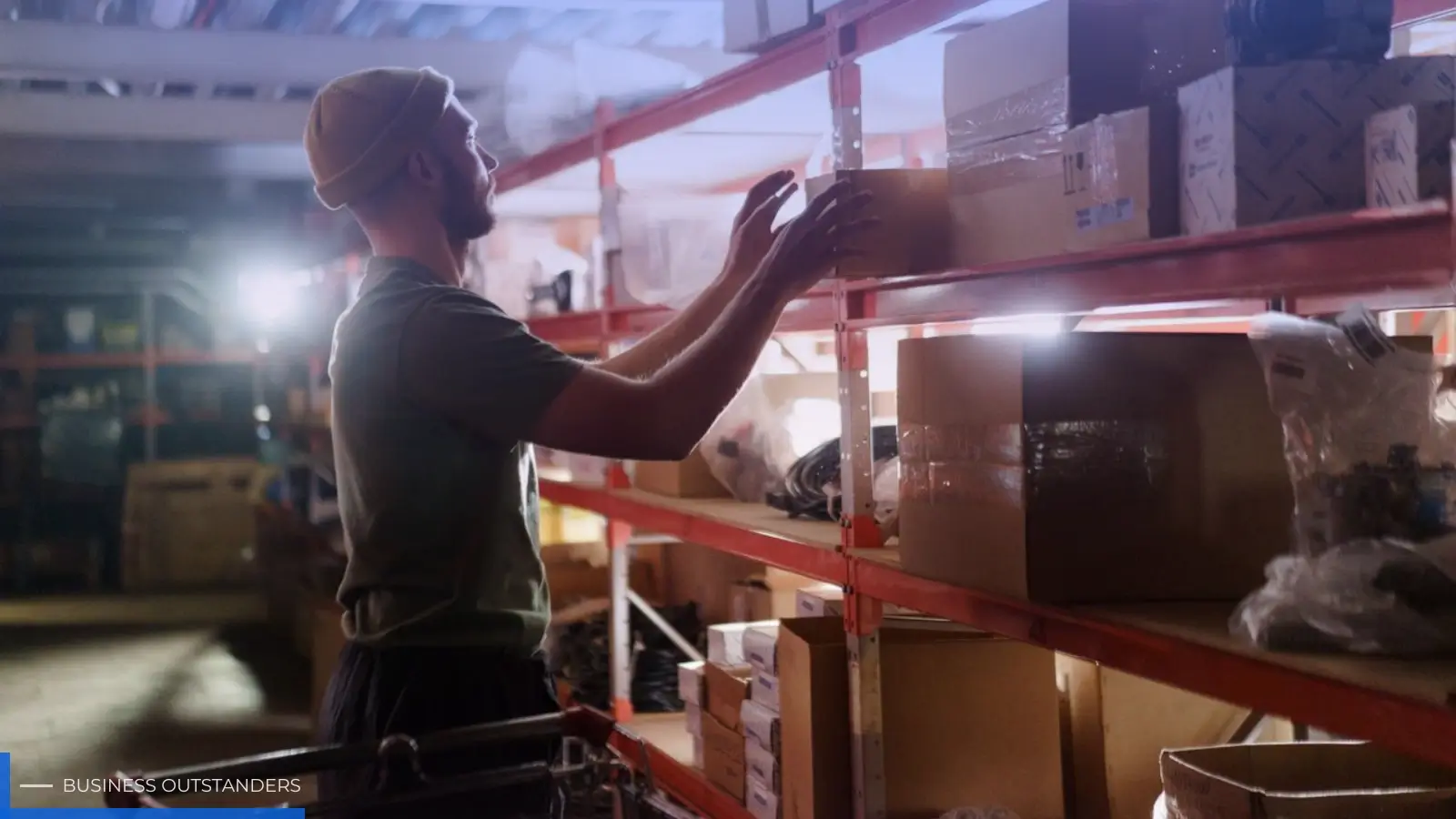
Many retailers focus on product quality, website design, and marketing campaigns when evaluating customer experience. However, one critical factor often receives less attention: the carrier network responsible for moving packages from warehouses to customers.
What Is a Carrier Delivery Network?
A carrier delivery network is the infrastructure used to transport packages throughout the shipping process. This network typically includes:
- Distribution centers
- Sorting facilities
- Transportation routes
- Local delivery hubs
- Last-mile delivery operations
Together, these components enable carriers to move shipments efficiently from origin to destination. The strength of a carrier network often determines how quickly packages are processed, how frequently tracking updates are generated, and how accurately delivery estimates can be provided.
Why Delivery Coverage Matters?
Coverage plays a significant role in overall delivery performance. When a carrier has an extensive operational presence across multiple regions, packages can often move through the network more efficiently. Additional facilities and delivery hubs may reduce transportation bottlenecks and improve shipment visibility throughout transit.
For businesses serving customers across different geographic areas, understanding carrier coverage becomes especially important. A carrier that performs exceptionally well in one region may have different service capabilities in another.
How Strong Carrier Coverage Improves Shipment Visibility?
Shipment visibility depends heavily on the ability of carrier facilities to generate timely and accurate updates. Every scan, facility transfer, and delivery milestone contributes to the tracking information customers see. The more effectively a carrier's network operates, the more likely customers are to receive meaningful updates throughout the delivery journey.
This is one reason many businesses review a carrier's delivery network locations before selecting shipping partners. Understanding where facilities are located and how the network is structured can provide valuable insight into service coverage, operational reach, and tracking visibility across different markets.
The Link Between Tracking Updates and Customer Trust
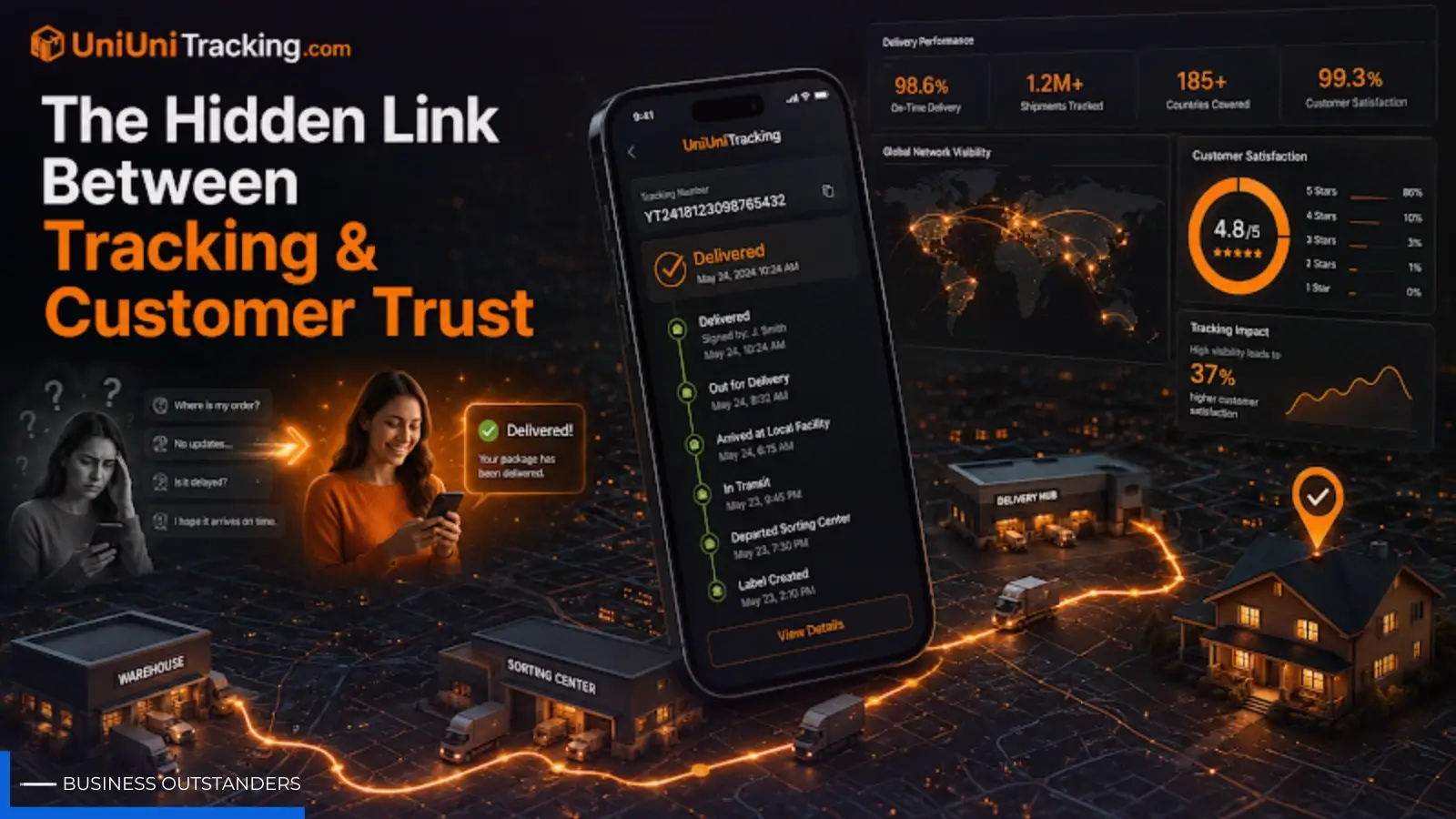
Once a package enters transit, tracking updates become the primary communication bridge between a business and its customer. Customers rarely think about the complexity of logistics networks. Instead, they interpret tracking updates as a simple reflection of whether their order is moving as expected. This is why tracking is not just a technical feature—it is a psychological reassurance tool.
Common Tracking Statuses Customers Misunderstand
One of the most common sources of confusion in delivery communication is the language used in tracking updates. Some commonly misunderstood statuses include:
- Label Created – The order has been processed, but the carrier has not yet picked up the package.
- In Transit – The package is moving between facilities within the carrier network.
- Arrived at Facility – The shipment has reached a sorting or distribution center.
- Out for Delivery – The package is with a local courier and expected to be delivered soon.
- Delivery Exception – A temporary delay has occurred due to operational or external factors.
Businesses that proactively educate customers about tracking statuses often see fewer support inquiries and higher satisfaction scores, even when delivery times remain unchanged.
Five Practical Ways Businesses Can Reduce Delivery-Related Support Requests
The following practical strategies help e-commerce businesses reduce WISMO inquiries while improving overall customer satisfaction.
1. Set Realistic Delivery Expectations Early
One of the biggest causes of frustration is mismatched expectations. If customers are promised overly optimistic delivery timelines, even small delays can feel like failures. Businesses should clearly communicate:
- Estimated delivery windows
- Potential regional delays
- Processing times before shipping
2. Send Proactive Shipping Notifications
Customers should never have to search for updates. Automated notifications at key milestones can significantly reduce support tickets.
Useful triggers include:
- Order confirmation
- Shipment dispatch
- Transit updates
- Out for delivery alerts
- Final delivery confirmation
3. Educate Customers About Tracking Updates
Many support requests come from a misunderstanding of tracking statuses. Simple explanations can dramatically reduce confusion.
For example:
- “In Transit” means your package is moving between facilities
- “Out for Delivery” means it is on the final delivery route
- “Delivery Exception” does not always mean loss—often just a delay
4. Use Carriers With Strong Visibility and Coverage
Carrier selection plays a major role in customer experience. Some carriers provide more frequent tracking updates, while others have more detailed scanning processes. Businesses that prioritize carriers with strong operational coverage and reliable tracking systems often experience fewer customer complaints and more predictable delivery experiences.
5. Provide Self-Service Tracking Resources
Customers increasingly prefer finding answers on their own rather than contacting support. A well-structured tracking resource can significantly reduce repetitive inquiries.
This is where dedicated tracking platforms and informational resources become valuable. Many customers now rely on independent tools like UniUni Tracking to quickly understand shipment updates, delivery statuses, and carrier-related information without waiting for customer service responses.
Frequently Asked Questions (FAQ)
Why do customers ask “Where is my order?” so often?
Customers ask this because they lack real-time visibility into the delivery process. Even when a package is moving normally, limited updates can create uncertainty, leading customers to contact support for reassurance.
How does delivery visibility improve customer satisfaction?
Delivery visibility reduces anxiety by keeping customers informed at every stage of shipping. When customers understand where their package is and what to expect next, they are less likely to feel frustrated or confused.
Why are tracking updates important during delivery?
Tracking updates provide transparency into the shipment journey. They help customers understand progress, anticipate delivery timing, and reduce unnecessary support inquiries by answering common questions proactively.
How can businesses reduce delivery-related customer support tickets?
Businesses can reduce support tickets by setting clear delivery expectations, providing proactive notifications, educating customers about tracking statuses, and using carriers with strong visibility and coverage.
Does delivery transparency affect customer retention?
Yes. Customers who feel informed and confident during the delivery process are more likely to trust the brand and make repeat purchases.
Final Conclusion
Delivery experience is no longer a secondary concern in e-commerce—it is a core part of the customer journey. From the moment an order is placed to the moment it arrives at the doorstep, every update shapes how customers perceive a brand.
Businesses that invest in transparency, carrier selection, and clear communication not only reduce operational pressure but also strengthen long-term customer relationships. In a competitive digital marketplace, that trust often becomes the deciding factor between a one-time buyer and a loyal customer.
Business Outstanders brings you sharp insights on tech, business, entrepreneurship, law, crypto, and more. We uncover what’s next. Stay updated, sign up for our newsletter and be part of the future!