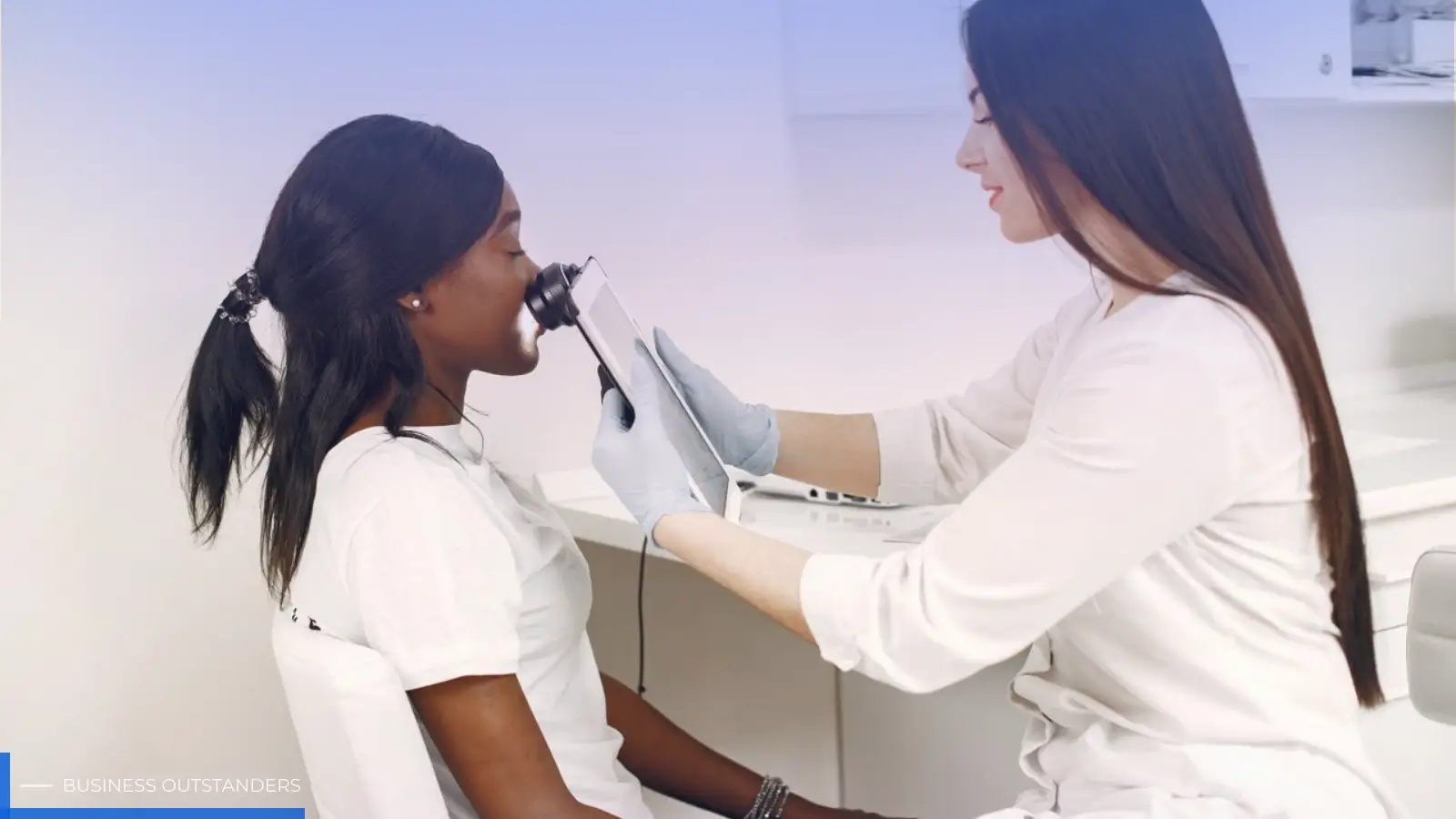
Painful periods, also known as dysmenorrhoea, are common among women and girls of reproductive age. Mild cramping during the first few days of menstruation can happen as the womb contracts to shed its lining. However, period pain should not be ignored when it is severe, worsening, unusual, or affecting school, work, sleep, exercise, or daily activities.
Some painful periods are not linked to an underlying pelvic condition. Others may be caused by conditions such as endometriosis, adenomyosis, fibroids, ovarian cysts, pelvic infection, or other gynaecological concerns. The pattern of pain, timing, severity and associated symptoms can help guide whether medical review is needed.
What Are Painful Periods?
Painful periods refer to lower abdominal or pelvic pain that occurs before or during menstruation. The pain may feel like cramping, aching, pressure, stabbing, or pulling. It may be mild for some women and severe for others.
Period pain may be felt in the:
- Lower abdomen
- Pelvis
- Lower back
- Hips
- Inner thighs
- Rectal area in some cases
Some women may also experience nausea, tiredness, headache, diarrhoea, dizziness, or general discomfort during menstruation.
Primary vs Secondary Dysmenorrhoea
Painful periods are often divided into two main types: primary dysmenorrhoea and secondary dysmenorrhoea.
Primary Dysmenorrhoea
Primary dysmenorrhoea refers to menstrual cramps without an underlying pelvic disease identified. It often begins during the teenage years or soon after periods start.
This type of pain is usually caused by natural chemicals called prostaglandins, which help the uterus contract during menstruation. Higher prostaglandin levels may cause stronger cramps.
Primary dysmenorrhoea may:
- Start shortly before or after bleeding begins
- Be strongest during the first one to two days
- Improve as the period continues
- Respond to heat, rest, exercise, or pain relief medication
- Become less intense with age in some women
Although primary dysmenorrhoea is common, severe pain that affects daily life should still be reviewed.
Secondary Dysmenorrhoea
Secondary dysmenorrhoea refers to period pain caused by an underlying condition. It may begin later in life, worsen over time, or occur with other symptoms such as heavy bleeding, pain during sex, pelvic pain outside periods, or difficulty conceiving.
Possible causes include:
- Endometriosis
- Adenomyosis
- Uterine fibroids
- Ovarian cysts
- Pelvic inflammatory disease
- Pelvic adhesions
- Cervical narrowing in selected cases
- Intrauterine device-related cramping in some patients
Secondary dysmenorrhoea often needs medical assessment because treatment depends on the underlying cause.
When Are Painful Periods a Concern?
You should consider seeing a gynaecologist if period pain is severe, worsening, or different from your usual pattern.
Painful periods may be a concern if you have:
- Pain that stops you from going to school or work
- Pain that does not improve with usual pain relief
- Pain that is getting worse over time
- Pain that begins later in life after previously mild periods
- Pelvic pain even when you are not menstruating
- Pain during sex
- Pain when passing urine or bowel movements during your period
- Heavy menstrual bleeding
- Bleeding between periods
- Irregular periods
- Pain with nausea, vomiting, or fainting
- Difficulty conceiving
- Known ovarian cysts, fibroids, or endometriosis
- Fever or unusual vaginal discharge
- Sudden severe pelvic pain
These symptoms may suggest that the pain is not simply routine menstrual cramping.
Symptoms That Need Urgent Care
Some symptoms should be treated as urgent because they may indicate infection, ovarian cyst complications, ectopic pregnancy, or another condition that needs prompt care.
Seek urgent medical attention if you experience:
- Sudden severe pelvic or abdominal pain
- Pain with fainting or dizziness
- Heavy bleeding that soaks pads quickly
- Fever with pelvic pain
- Severe vomiting
- Shoulder tip pain with pelvic pain
- Positive pregnancy test with pain or bleeding
- Severe one-sided pelvic pain
- Pain with rapid heartbeat or weakness
- Foul-smelling vaginal discharge with fever or pain
- Pain after a recent procedure or childbirth
- New severe pain with an intrauterine device in place
If pain is severe or rapidly worsening, go to an emergency department or call emergency services.
Possible Causes of Painful Periods
1. Normal Uterine Contractions
During menstruation, the uterus contracts to help shed the lining. These contractions can cause cramping, especially during the first few days of bleeding.
Mild cramps that improve with simple measures may not be concerning. However, cramps that are severe, worsening, or associated with other symptoms should be assessed.
2. Endometriosis
Endometriosis occurs when tissue similar to the womb lining is found outside the uterus. It can cause inflammation, scarring and pain.
Symptoms may include:
- Severe period pain
- Pain that worsens over time
- Pelvic pain outside periods
- Pain during sex
- Pain during bowel movements or urination during periods
- Heavy periods
- Bloating
- Difficulty conceiving in some women
Endometriosis can be under-recognised because many women are told that painful periods are expected. Persistent or severe pain should be reviewed.
3. Adenomyosis
Adenomyosis occurs when tissue similar to the womb lining grows into the muscular wall of the uterus. It may cause the uterus to become enlarged or tender.
Symptoms may include:
- Heavy periods
- Painful periods
- Pelvic pressure
- Prolonged bleeding
- Pain during sex in some cases
Adenomyosis may be more common in women in their 30s and 40s, but it can occur at other ages.
4. Uterine Fibroids
Fibroids are non-cancerous growths that develop from the muscle wall of the uterus. Some fibroids cause no symptoms, while others may cause heavy bleeding, pelvic pressure, or painful periods.
Symptoms may include:
- Heavy menstrual bleeding
- Prolonged periods
- Pelvic pressure
- Lower abdominal fullness
- Frequent urination
- Constipation
- Painful periods
- Fertility concerns in selected cases
Symptoms often depend on the size, number and location of the fibroids.
5. Ovarian Cysts
Ovarian cysts are fluid-filled sacs that develop in or on the ovaries. Many cysts are harmless and may resolve on their own, but some can cause pain, rupture, bleed, or twist.
Seek urgent care if there is sudden severe one-sided pelvic pain, especially if it comes with vomiting, dizziness, fainting, or fever.
6. Pelvic Inflammatory Disease
Pelvic inflammatory disease is an infection involving the female reproductive organs. It may cause pelvic pain, abnormal discharge, fever, bleeding between periods, or pain during sex.
This condition requires medical treatment. Delayed care may increase the risk of complications.
7. Intrauterine Device-Related Cramping
Some women experience cramping after an intrauterine device is inserted. Mild cramping may settle, but severe pain, fever, heavy bleeding, or unusual discharge should be reviewed.
A doctor may check whether the device is correctly positioned and whether infection or another cause is present.
How Are Painful Periods Diagnosed?
A gynaecologist will usually begin by asking about your symptoms, menstrual cycle and medical history.
You may be asked about:
- Age when periods started
- Cycle length
- Duration of bleeding
- Bleeding flow
- Pain timing
- Pain severity
- Pain location
- Symptoms between periods
- Pain during sex
- Bowel or urinary symptoms
- Pregnancy possibility
- Previous infections
- Fertility concerns
- Medication use
- Previous surgery
- Family history of endometriosis or fibroids
Keeping a menstrual diary can help show patterns and make the consultation more useful.
Tests That May Be Recommended
Not every patient needs all tests. The recommended tests depend on symptoms, age, sexual history, examination findings and pregnancy possibility.
Tests may include:
- Pregnancy test
- Pelvic examination where appropriate
- Urine test
- Swab test if infection is suspected
- Blood tests
- Pelvic ultrasound
- Transvaginal ultrasound where suitable
- MRI in selected cases
- Diagnostic laparoscopy in selected cases
Ultrasound can help assess the uterus, ovaries, fibroids, ovarian cysts and some features of adenomyosis or endometriosis. However, some conditions may not always be visible on ultrasound.
Treatment Options for Painful Periods
Treatment depends on the cause, severity of symptoms, age, medical history and whether pregnancy is being planned.
1. Self-Care Measures
Mild period cramps may improve with self-care.
Options may include:
- Heat pack on the lower abdomen
- Gentle stretching
- Light activity where comfortable
- Rest
- Hydration
- Warm drinks
- Adequate sleep
- Relaxation techniques
- Tracking symptoms
Self-care may help mild cramps, but it should not replace medical review if pain is severe or worsening.
2. Pain Relief Medication
Pain relief medication may help reduce menstrual cramps. Non-steroidal anti-inflammatory drugs may be recommended for some patients because they reduce prostaglandin-related cramping.
Patients should ask a doctor or pharmacist if pain relief medication is suitable, especially if they have stomach ulcers, kidney disease, asthma triggered by anti-inflammatory medication, blood-thinning medication, pregnancy, or other medical conditions.
3. Hormonal Treatment
Hormonal treatment may be recommended for some patients to reduce period pain, bleeding, or symptoms linked to conditions such as endometriosis or adenomyosis.
Options may include:
- Combined oral contraceptive pills
- Progestogen-only pills
- Hormonal injections
- Hormonal implant
- Hormonal intrauterine system
- Other hormone-based treatments in selected cases
The suitable option depends on symptoms, medical history, side effects, fertility plans and personal preference.
4. Treating the Underlying Cause
If painful periods are caused by an underlying condition, treatment should target that condition.
Examples include:
- Endometriosis treatment
- Fibroid management
- Adenomyosis management
- Ovarian cyst monitoring or treatment
- Antibiotics for pelvic infection
- Surgery in selected cases
Treatment may involve medication, monitoring, minimally invasive procedures, or surgery depending on the diagnosis.
5. Surgery in Selected Cases
Surgery may be discussed if symptoms are severe, treatment has not helped, or there is a condition such as endometriosis, fibroids, ovarian cysts, or adhesions that may benefit from surgical management.
Surgical options depend on diagnosis and fertility goals. Patients should ask about expected benefits, risks, recovery time and alternatives before deciding.
Painful Periods and Fertility
Painful periods do not always mean there is a fertility problem. However, some causes of painful periods, such as endometriosis, fibroids, adenomyosis, or pelvic infection, may be linked to fertility concerns in some women.
You may wish to seek review if you have painful periods and:
- Difficulty conceiving
- Known endometriosis
- Known fibroids
- Previous pelvic infection
- Pain during sex
- Irregular periods
- Recurrent miscarriage
- Previous ovarian cyst surgery
- Increasing pelvic pain
A gynaecologist can assess whether further fertility evaluation is needed.
Painful Periods in Teenagers
Teenagers may experience menstrual cramps during the first few years after periods begin. However, severe pain should not be dismissed.
Teenagers should seek medical review if:
- Pain causes repeated school absence
- Pain does not improve with usual medication
- Pain is worsening
- Periods are very heavy
- There is fainting or vomiting
- Pain occurs between periods
- There are bowel or urinary symptoms during periods
- There is a family history of endometriosis
- Daily activities are affected
Early assessment can help identify conditions that may need treatment and support.
When to See a Gynaecologist
Consider seeing a gynaecologist if painful periods affect your quality of life or do not follow your usual pattern.
Medical review may be helpful if:
- Cramps are severe
- Pain is worsening over time
- Pain is not relieved by usual measures
- Pain affects school, work, sleep, or exercise
- Periods are heavy or prolonged
- Bleeding occurs between periods
- Pelvic pain occurs outside menstruation
- There is pain during sex
- There are bowel or urinary symptoms during periods
- You are trying to conceive
- You have known fibroids, endometriosis, adenomyosis, or ovarian cysts
A gynaecologist can assess the pattern of pain and advise whether tests or treatment are needed.
Painful periods are common, but they should not be ignored when the pain is severe, worsening, unusual, or affecting daily life. Mild cramps during the first few days of menstruation may not be concerning for some women, but pain that disrupts school, work, sleep, exercise, or normal activities should be assessed.
Possible causes include primary dysmenorrhoea, endometriosis, adenomyosis, fibroids, ovarian cysts, pelvic infection and other gynaecological conditions. Warning signs include heavy bleeding, pain between periods, pain during sex, bowel or urinary symptoms during periods, fever, fainting, sudden severe pelvic pain, or difficulty conceiving.
A gynaecologist can review symptoms, recommend tests where needed and discuss treatment options such as self-care, medication, hormonal treatment, or treatment for an underlying condition. Early assessment can help patients understand their symptoms and receive appropriate care.
FAQ
Are painful periods normal?
Mild cramps during menstruation can be common. However, severe pain, worsening pain, or pain that affects daily life should be assessed by a doctor.
What causes painful periods?
Painful periods may be caused by natural uterine contractions or by underlying conditions such as endometriosis, adenomyosis, fibroids, ovarian cysts, or pelvic infection.
When should I see a doctor for period pain?
See a doctor if period pain is severe, worsening, not improving with usual pain relief, affecting school or work, or associated with heavy bleeding, pelvic pain outside periods, pain during sex, or difficulty conceiving.
Can endometriosis cause painful periods?
Yes. Endometriosis can cause severe period pain, pelvic pain, pain during sex, bowel or urinary symptoms during periods and fertility concerns in some women.
What tests are done for painful periods?
Tests may include a pregnancy test, urine test, swabs, blood tests, pelvic ultrasound, transvaginal ultrasound, MRI, or laparoscopy in selected cases.
How are painful periods treated?
Treatment may include heat therapy, pain relief medication, hormonal treatment, treatment of underlying conditions, or surgery in selected cases.
This article is for general information only and should not replace medical advice from a qualified healthcare professional.
Business Outstanders brings you sharp insights on tech, business, entrepreneurship, law, crypto, and more. We uncover what’s next. Stay updated, sign up for our newsletter and be part of the future!