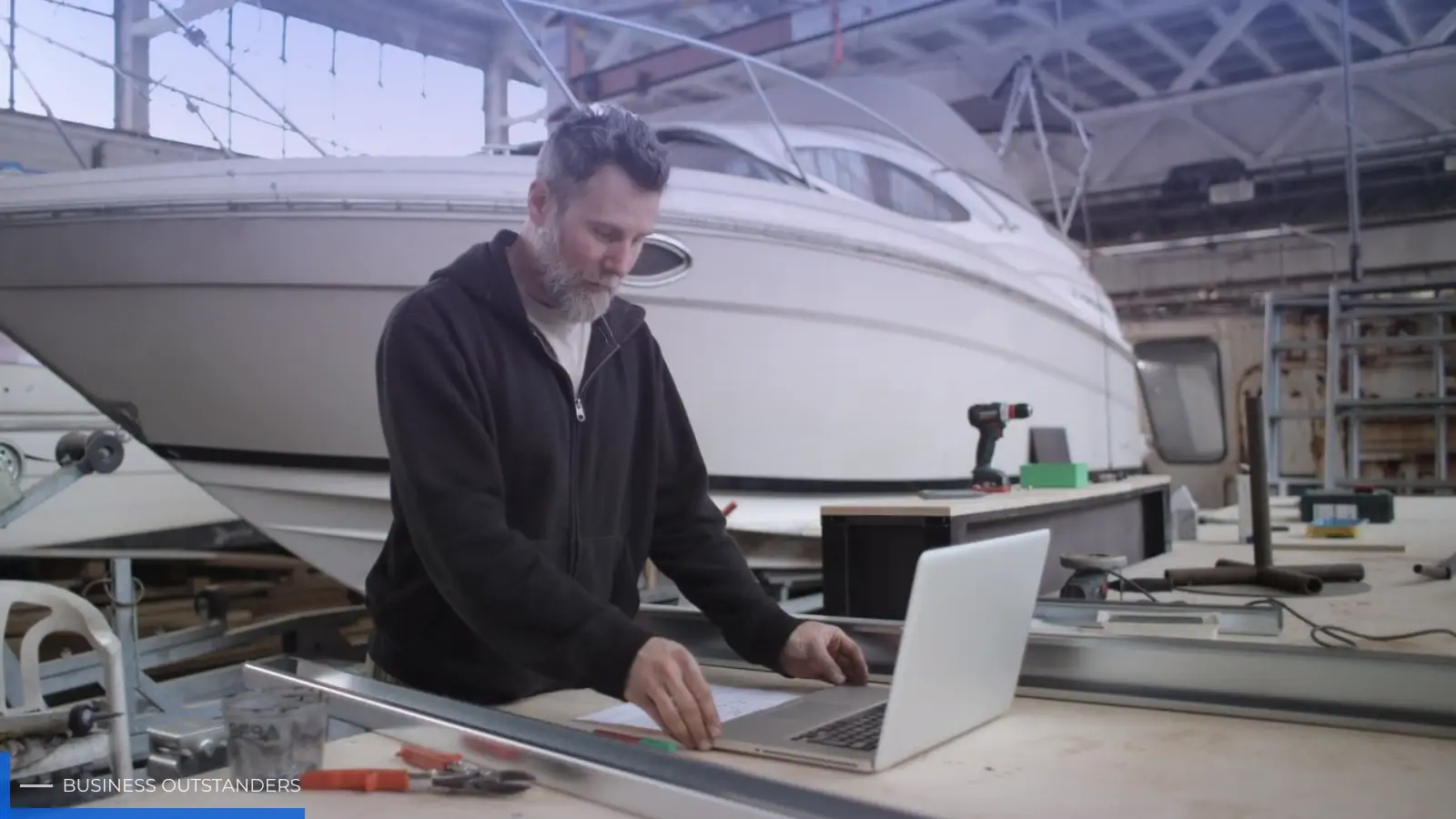
Buying a pre owned boat can save money, but appearances rarely tell the full story. Problems hidden below the surface can turn a promising purchase into an expensive repair project.
That is why many experienced buyers invest in a professional inspection before closing a deal. Understanding what an inspection reveals can help you make a smarter decision and avoid costly surprises.
Why a Professional Inspection Should Be Part of Every Boat Purchase
Anyone can walk around a boat and spot obvious issues. A trained marine inspector looks deeper and identifies problems that may affect safety, reliability, and long-term ownership costs. Buyers comparing pre-owned boats available for sale often benefit from pairing their search with a thorough inspection process before making a purchase.
- Structural Review: Evaluates the hull, deck, and critical components for signs of wear or damage.
- Mechanical Assessment: Examines engines, steering systems, and operational equipment.
- Safety Verification: Confirms safety equipment meets current standards and requirements.
- Electrical Inspection: Identifies wiring issues, corrosion, and potential hazards.
- Water Intrusion Detection: Looks for moisture damage that may not be visible.
- Maintenance Insight: Highlights deferred maintenance and upcoming service needs.
- Negotiation Support: Provides documented findings that can support pricing discussions.
Key Areas a Professional Marine Inspection Evaluates
A complete marine inspection covers far more than cosmetic conditions. The goal is to determine whether the boat's systems, structure, and equipment are performing as intended.
1. Hull Condition and Structural Integrity
The hull carries every load placed on a boat. Inspectors check for cracks, repairs, blisters, and stress points that could indicate structural concerns. A small issue today can become a larger repair later.
They also inspect stringers, transoms, and deck connections. These areas often reveal whether a vessel has been maintained properly throughout its ownership history. Structural soundness remains one of the most important findings.
2. Engine and Mechanical Systems
Marine engines operate in demanding environments. Inspectors evaluate engine condition, maintenance records, fluid levels, cooling systems, and signs of excessive wear. Performance issues often start with overlooked maintenance.
Compression testing and operational checks may reveal concerns that are difficult to detect during a casual viewing. Identifying mechanical reliability issues before purchase can save thousands in repairs.
3. Electrical Components and Wiring
Electrical systems influence everything from navigation equipment to lighting and pumps. Faulty wiring can create safety risks and unexpected expenses. Marine environments accelerate corrosion and connection failures.
Inspectors examine battery installations, wiring quality, grounding systems, and electrical panels. Finding electrical deficiencies early helps prevent future failures and operational interruptions.
4. Safety Equipment and Compliance
Safety equipment is not simply a checklist item. It protects passengers and helps ensure compliance with local and federal regulations. Missing or outdated equipment can create liability concerns.
Inspectors verify the condition and availability of fire extinguishers, life jackets, navigation lights, and emergency systems. Confirming regulatory compliance helps buyers avoid immediate replacement costs.
5. Signs of Water Damage
Water damage often hides behind finished surfaces. Moisture intrusion can weaken structural components and contribute to mold, rot, or corrosion over time.
Professional inspectors use specialized tools to identify moisture levels in key areas. Detecting hidden water intrusion before purchase provides valuable insight into the boat's true condition.
6. Steering and Control Systems
Steering systems must operate smoothly and predictably. Problems with hydraulic lines, cables, or controls may not become obvious until the boat is underway.
Inspectors assess responsiveness, wear patterns, and system integrity. Verifying control system performance contributes directly to safety and handling confidence.
7. Fuel System Assessment
Fuel systems require careful evaluation because leaks or deterioration can create serious safety concerns. Aging hoses and corroded fittings are common findings on older vessels.
Inspectors review tanks, connections, filters, and visible fuel lines. A thorough assessment helps identify potential fuel hazards before they become costly or dangerous problems.
Inspection Findings at a Glance
|
Area Inspected |
Common Issues Found |
Buyer Benefit |
|
Hull |
Cracks, blisters, repairs |
Better understanding of structural condition |
|
Engine |
Wear, maintenance gaps |
Reduced risk of major repairs |
|
Electrical |
Corrosion, poor wiring |
Improved safety and reliability |
|
Fuel System |
Leaks, aging components |
Lower safety risks |
|
Safety Equipment |
Missing or outdated gear |
Compliance and preparedness |
|
Steering |
Wear or hydraulic issues |
Improved vessel control |
|
Moisture Areas |
Hidden water intrusion |
Avoid costly restoration work |
Additional Ways an Inspection Protects Your Investment
The value of a marine inspection extends beyond identifying defects. It gives buyers information they can use before, during, and after the transaction.
1. Strengthens Price Negotiations
Inspection reports provide objective findings rather than opinions. Sellers and buyers can discuss documented concerns with greater transparency and less speculation.
When significant issues are discovered, buyers gain leverage during negotiations. Accurate findings often support fair market pricing based on actual condition rather than assumptions.
2. Helps Estimate Future Maintenance Costs
Every boat requires ongoing maintenance. An inspection helps buyers understand what services may be needed soon after purchase and what expenses could be expected.
Knowing upcoming maintenance requirements allows owners to budget realistically. That level of planning supports financial preparedness and reduces unexpected ownership costs.
3. Supports Insurance and Financing Processes
Many insurance providers and lenders appreciate detailed condition reports, especially for older vessels. Documentation may simplify underwriting or financing reviews.
Inspection reports provide evidence of vessel condition and maintenance needs. This additional information strengthens ownership documentation during important financial decisions.
4. Reveals Hidden Ownership Risks
Not every problem affects a boat immediately. Some issues develop slowly and become expensive only after months or years of use.
Professional inspections uncover warning signs that casual buyers often miss. Identifying long term risk factors early helps buyers avoid future headaches and costly repairs.
5. Increases Confidence Before Closing
A boat purchase involves more than money. It involves time, expectations, and future experiences on the water. Buyers want confidence in their decision.
A detailed inspection provides clarity about the vessel's condition. That confidence comes from facts, not assumptions, creating a stronger foundation for ownership. Informed decision making reduces uncertainty.
6. Helps Compare Multiple Boats
Many buyers evaluate several vessels before making a final decision. Comparing inspection findings creates a more objective process than relying on appearance alone.
Inspection reports help highlight differences in maintenance history, condition, and future repair needs. Buyers reviewing pre owned boats available for purchase at elevatedboats.com can use those findings to identify the vessel that offers the strongest overall value. Data driven comparisons often lead to better purchasing outcomes.
7. Encourages Long Term Satisfaction
Ownership satisfaction often depends on whether expectations match reality. Surprises after purchase can quickly change a positive experience into a frustrating one.
An inspection helps establish realistic expectations before money changes hands. Understanding the boat's actual condition supports long term ownership satisfaction and better planning.
What Buyers Should Do Before Scheduling an Inspection
A professional inspection delivers the most value when buyers prepare properly. Taking a few simple steps beforehand can make the process more productive and informative.
- Review Documentation: Gather ownership records, registration details, and available service history.
- Request Maintenance Records: Previous repairs often reveal how consistently the boat was maintained.
- Verify Equipment Lists: Confirm installed systems and accessories match seller claims.
- Prepare Specific Questions: Focus on areas that concern you most before the inspection begins.
- Establish Your Budget: Consider possible repair costs when evaluating inspection findings.
- Attend the Inspection: Seeing issues firsthand improves understanding and decision making.
- Study the Final Report: Review recommendations carefully before moving forward with the purchase.
Conclusion
A professional inspection is one of the smartest investments a buyer can make before purchasing a pre owned boat. It uncovers hidden issues, supports informed negotiations, and provides a clearer picture of future ownership costs. The goal is not to find reasons to walk away. It is to understand exactly what you are buying. With reliable information in hand, you can move forward with greater confidence and make a decision based on facts rather than assumptions.
Business Outstanders brings you sharp insights on tech, business, entrepreneurship, law, crypto, and more. We uncover what’s next. Stay updated, sign up for our newsletter and be part of the future!