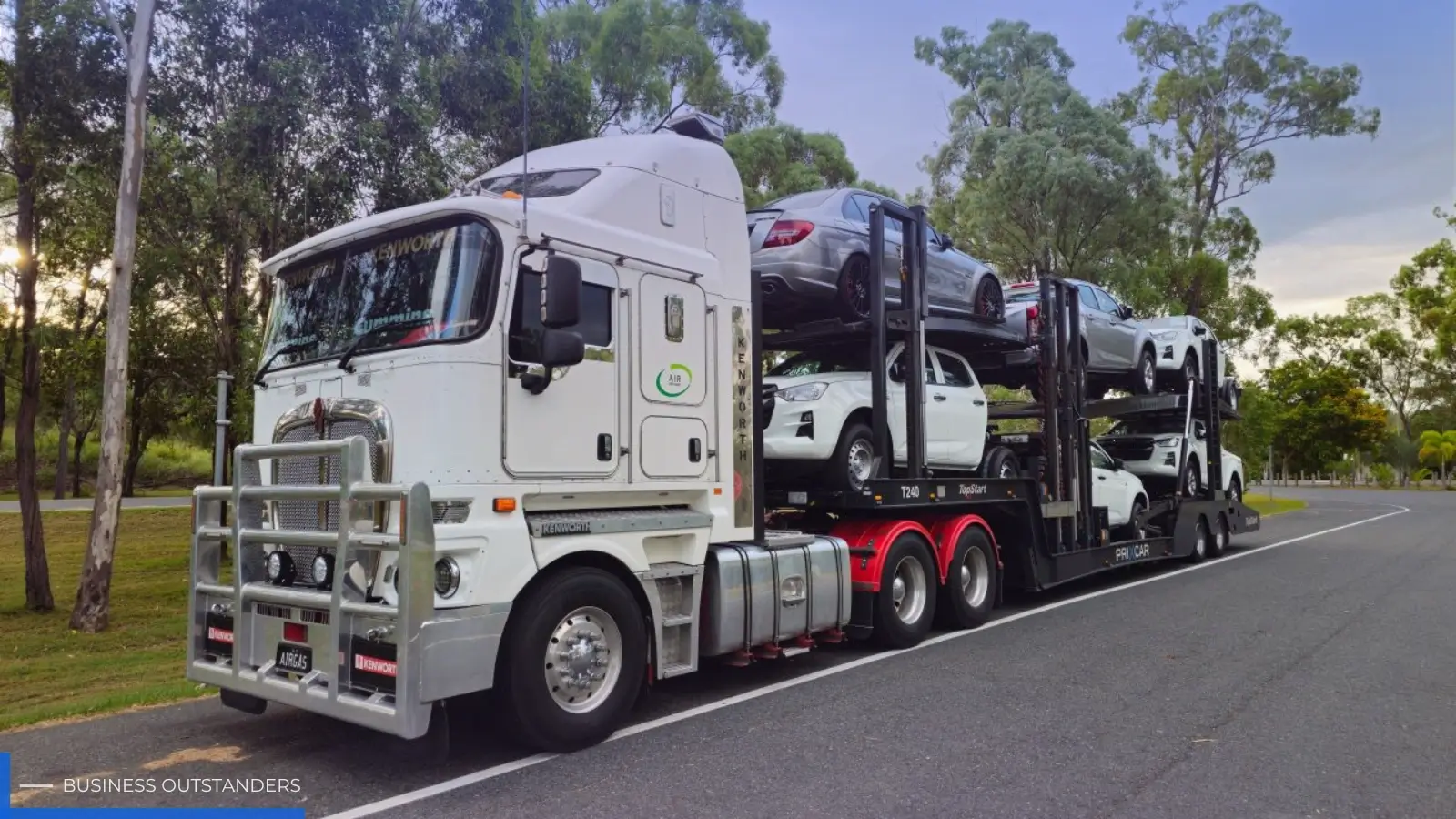
Along one of the busiest corridors on the East Coast, New York to South Carolina car shipping means moving a vehicle across roughly 724 to 903 miles, the exact number depending on which cities are chosen for pickup and drop off within each state. People relocating for jobs use this route often, and so do retirees heading south, college students, and snowbirds who spend part of the year in each region. If the process is understood well, along with what changes the price and how much time it usually takes, planning the move becomes much easier for anyone.
How Long Does It Take to Ship a Car Between These States?
Somewhere between two and four days is what transit time usually looks like on this corridor, though the exact pickup point, delivery point, current weather, and how the carrier schedules things all play a role. From New York City down to Charleston, a shipment will generally take longer than one going from Albany to a spot closer to the North Carolina line, and distance alone explains that difference. On top of this, carriers frequently pick up and drop off several vehicles along one route, so a truck making multiple stops can end up adding a day or two compared with a direct run.
What Affects the Cost of Shipping a Car on This Route?
For this particular corridor, pricing tends to move based on a few things:
- How far apart the exact pickup and delivery addresses are
- The size and weight of the vehicle, and whether it runs or requires special handling
- Which transport type gets chosen, open or enclosed
- What time of year it is, along with current fuel prices
- How much flexibility exists around pickup and delivery dates
- How much demand exists along the East Coast at the moment of booking
Since this corridor sees regular truck traffic and is well travelled, prices here often stay more competitive than what routes with less carrier activity would offer. That said, rural pickup or delivery points can push costs upward, mainly because carriers sometimes need to move a truck off the main highway network to reach them.
Open Versus Enclosed Transport for This Corridor
For most vehicles moving along the New York to South Carolina route, open car transport remains the standard choice. Since carriers can load several vehicles together at once, this option is easier to find, quicker to book, and generally the cheaper one too. On the other hand, enclosed transport shields a vehicle from road debris and weather more effectively, which is why classic cars, luxury vehicles, and motorcycles are often shipped this way, even though the cost runs higher and scheduling can take a little longer due to fewer carriers offering it.
Does the Season Affect Shipping Along the East Coast?
Depending on the season, weather along this route shifts quite a bit. Through parts of New York, Pennsylvania, and Virginia, winter months can bring in snow and ice, which at times slows transit down or forces carriers to change their routing. From June through November, hurricane season can touch the coastal areas of South Carolina, and now and then a storm moving through the region causes short delays. Compared with winter or summer, spring and fall usually give the most predictable conditions for vehicles travelling this corridor.
Is Vehicle Inspection Required Before Transport?
At pickup, a condition report gets completed as a standard part of the process, and during this step, any existing wear, scratches, or damage on the vehicle's exterior gets documented. The same inspection happens again at delivery, this time to confirm the vehicle arrived in the same shape it left in. Both the vehicle owner and the carrier are protected through this step, which forms a routine part of nearly every long-distance auto transport shipment, no matter which states are involved.
What Documents Are Typically Needed?
Proof of ownership or registration is usually required for vehicle transport on this route, along with valid identification from both the person releasing the vehicle and the one receiving it, plus the signed condition report from pickup and delivery alike. When these documents are prepared ahead of time, the whole pickup and drop off process tends to move more efficiently.
Why This Route Sees Consistent Demand
Steady demand exists along the corridor between New York and South Carolina, driven by seasonal migration patterns, military relocations, retirement moves into coastal and inland South Carolina communities, and business relocations linking the Northeast with growing metro areas such as Charleston, Columbia, and Greenville. Because traffic along this lane stays consistent, carriers service it on a regular basis, and this tends to support scheduling and availability that is more predictable than what less common routes can offer.
Taken as a whole, New York to South Carolina car shipping stands as a well established transport corridor, one with predictable transit windows, pricing patterns that are already set, and handling procedures that follow routine. From inspection through transit time to seasonal considerations, knowing what each stage involves makes planning a vehicle move between these two states a lot more manageable.
Business Outstanders brings you sharp insights on tech, business, entrepreneurship, law, crypto, and more. We uncover what’s next. Stay updated, sign up for our newsletter and be part of the future!