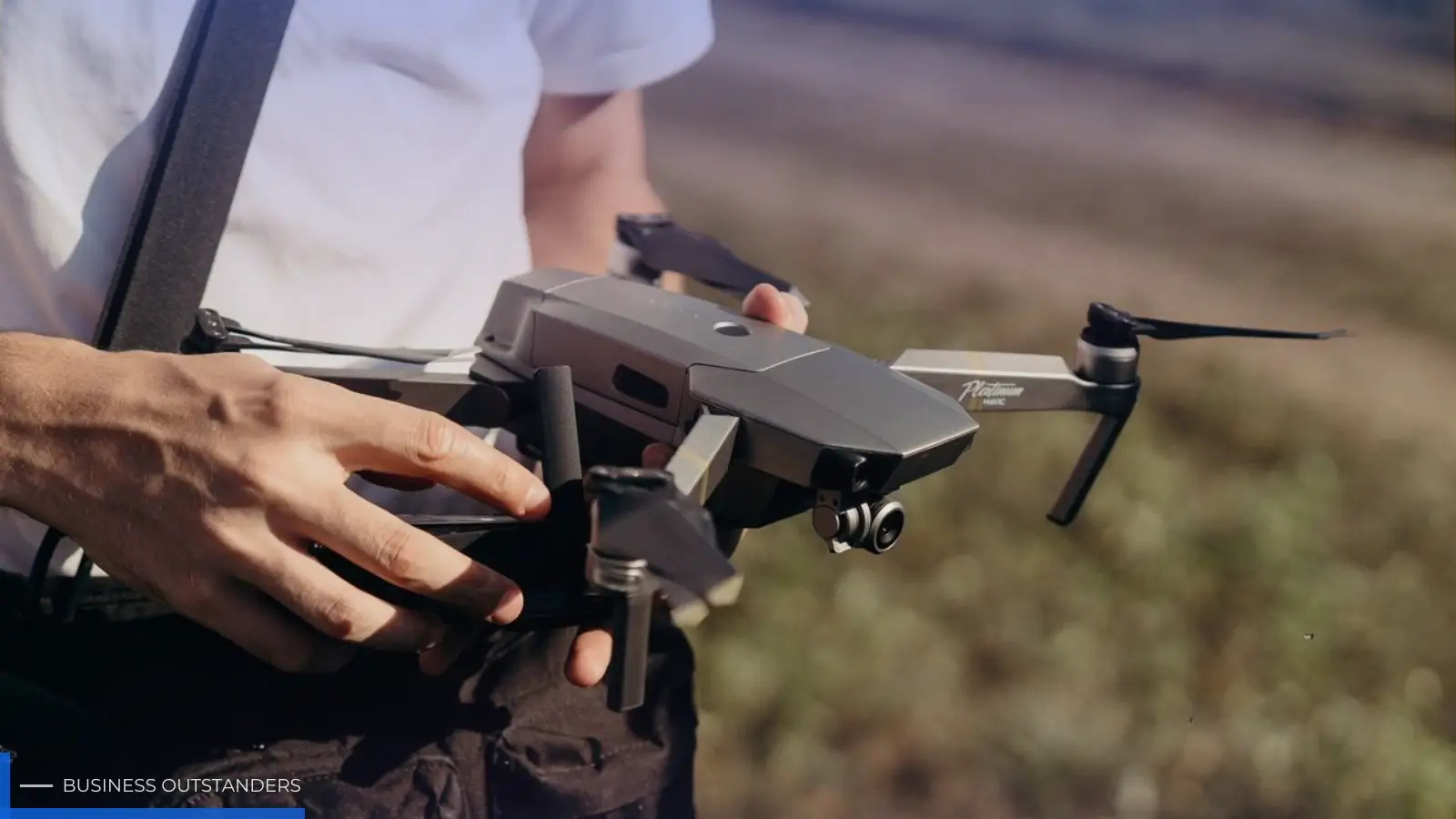
When you use an action camera or drone, storage is not a small detail. It affects whether your footage records smoothly, how much you can save in one outing, and how confident you feel when you press record. If you travel often or like capturing family trips, weekend adventures, or outdoor hobbies, choosing the right card can save you from frustrating surprises. The good news is that you do not need to be an expert to make a smart choice. You just need to know what matters most.
Why Card Choice Matters
A microSD card does more than hold files. It supports how your camera or drone performs while you record. If the card is too slow or unreliable, you may get recording stops, missing clips, or footage that never saves properly. That is a painful ending to a great day outdoors.
A dependable option is worth considering early, especially if you shoot moving scenes, water sports, or travel video. Many buyers start by comparing cards made for these uses, such as Lexar's UHS-I V30 microSD pick, because it fits the kind of steady recording action cameras and drones often need.
This choice matters even more when you are away from home. If you cannot easily transfer files or buy a replacement, the wrong card becomes a much bigger problem. Reliable storage gives you one less thing to worry about while you focus on getting the shot.
Match Gear And Speed
Your camera or drone usually tells you what type of card it needs. This is the first place to look. If you skip that step and buy based on packaging alone, you can end up with a card that sounds impressive but does not actually fit your device well.
Speed ratings help you narrow things down. UHS-I is a common card type for many consumer devices. V30 means the card is designed to maintain a minimum video write speed that suits many forms of high-resolution recording. You do not need to memorize the numbers like a quiz. Just know they are there to help your gear record without interruptions.
Think of it this way: your camera captures data quickly, and the card has to keep up. If you record short family clips, casual travel moments, or steady outdoor scenes, a card in this category often makes sense. Matching the card to the device is usually smarter than buying the fastest or largest option on the shelf.
Think About Capacity
Capacity is about how much you plan to shoot before you can back things up. Some people record a few short clips and transfer them the same day. Others spend a full weekend hiking, biking, or traveling with no laptop in sight. Those two situations call for different storage plans.
If you mainly capture short videos and photos, a moderate-capacity card may be enough. If you use higher resolutions, longer clips, or record several sessions in one day, you will likely want more room. Bigger is not always better, though. A single massive card can be convenient, but it also means all your footage sits in one place.
Many people prefer a balanced approach. They carry more than one card and rotate them by day or activity. That can make organizing easier and lower the risk of losing everything at once. For family trips, weekend events, or outdoor excursions, this simple habit can make storage feel much more manageable.
Plan For Real Conditions
Storage choices look different when you think about real use instead of store displays. Travel and outdoor filming often bring heat, cold, dust, moisture, and frequent handling. Even if your device is sturdy, the card still needs to perform when conditions are less than ideal.
If you film at the beach, on trails, or during road trips, your gear may be packed, unpacked, and moved around a lot. A card built for active use offers peace of mind. You also want to limit unnecessary swapping in windy or wet places, since that is an easy time to misplace a tiny card.
It helps to think beyond specifications. Ask yourself where you usually film, how often you transfer files, and whether you tend to record in bursts or long sessions. These practical details matter. A card that works well in calm indoor testing may feel very different when you are standing in cold air trying to launch a drone before the light changes.
Avoid Common Buying Mistakes
One common mistake is shopping by price alone. A low-cost card may look like a bargain until it causes failed recordings or inconsistent performance. That kind of savings disappears quickly when you lose footage you cannot recreate.
Another mistake is ignoring compatibility. Not every card works equally well in every camera or drone. It is worth checking your device manual or product page before buying. This step takes a minute and can prevent a long afternoon of troubleshooting.
People also tend to overestimate how much storage they need or underestimate how often they should back up files. Buying the largest card available is not always the smartest move. Sometimes two or three properly matched cards are easier to manage.
You should also be careful with storage from unknown sellers. If a deal looks unusually cheap, pause and verify it. A card with misleading labeling can create problems that only show up once you are already out filming. Trustworthy products and sellers usually make life much easier.
Build A Simple Kit
You do not need a huge collection of accessories to create a reliable setup. A small storage kit can cover most everyday needs if you choose it carefully. The goal is to keep recording simple, organized, and dependable whether you are filming a family outing or testing a drone in a park.
A practical kit often includes a few basics:
-
Two or three compatible microSD cards
-
A protective card case
-
A simple file backup routine
-
A card reader for quick transfers
-
A label system for used and empty cards
This kind of setup helps you stay organized without adding complexity. You can separate cards by trip, day, or device and avoid guessing what has already been copied. That may not sound exciting, but it is the sort of habit that saves your footage and your time. When your storage plan is simple and dependable, the rest of your creative process tends to run much more smoothly.
Business Outstanders brings you sharp insights on tech, business, entrepreneurship, law, crypto, and more. We uncover what’s next. Stay updated, sign up for our newsletter and be part of the future!