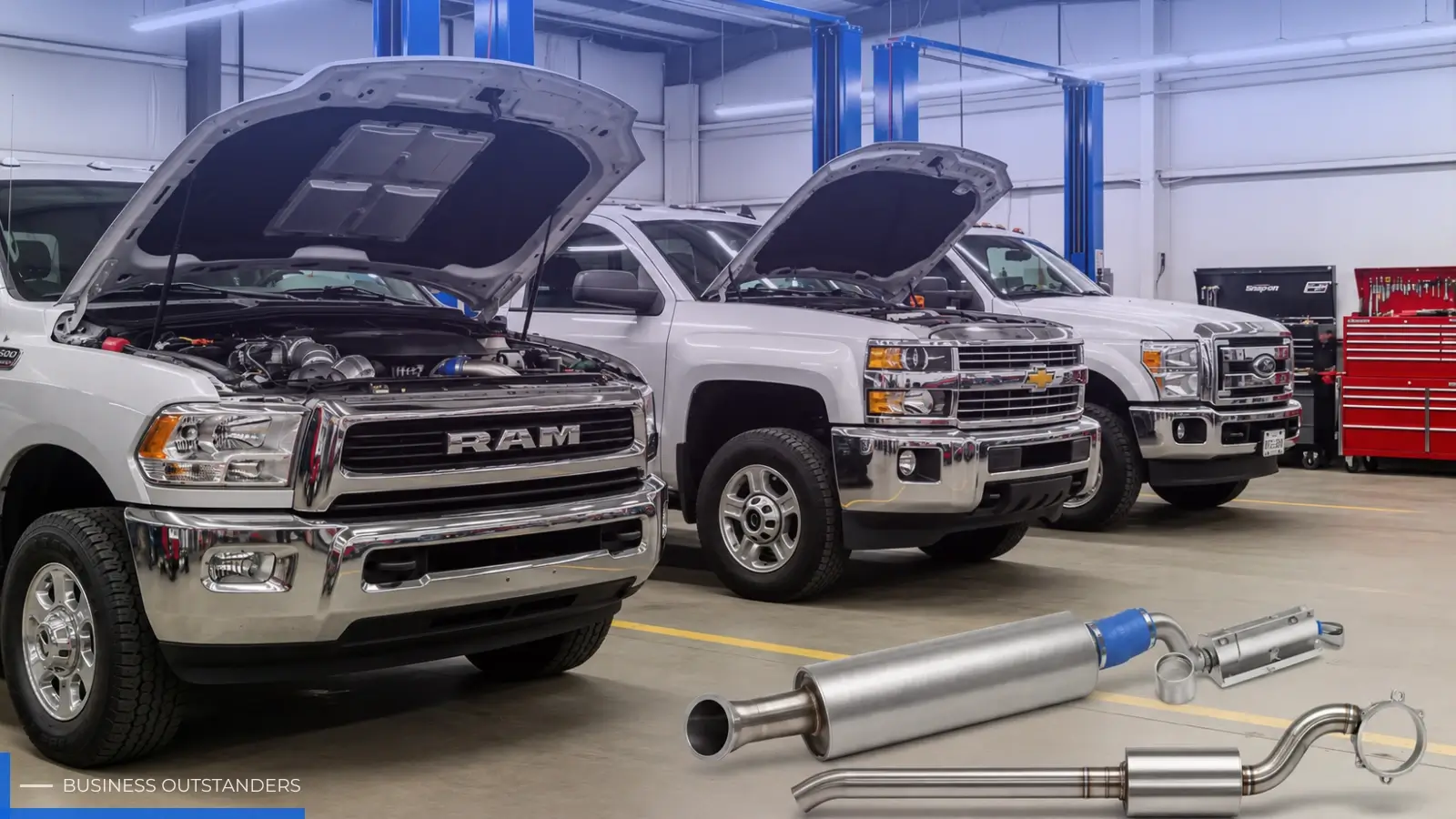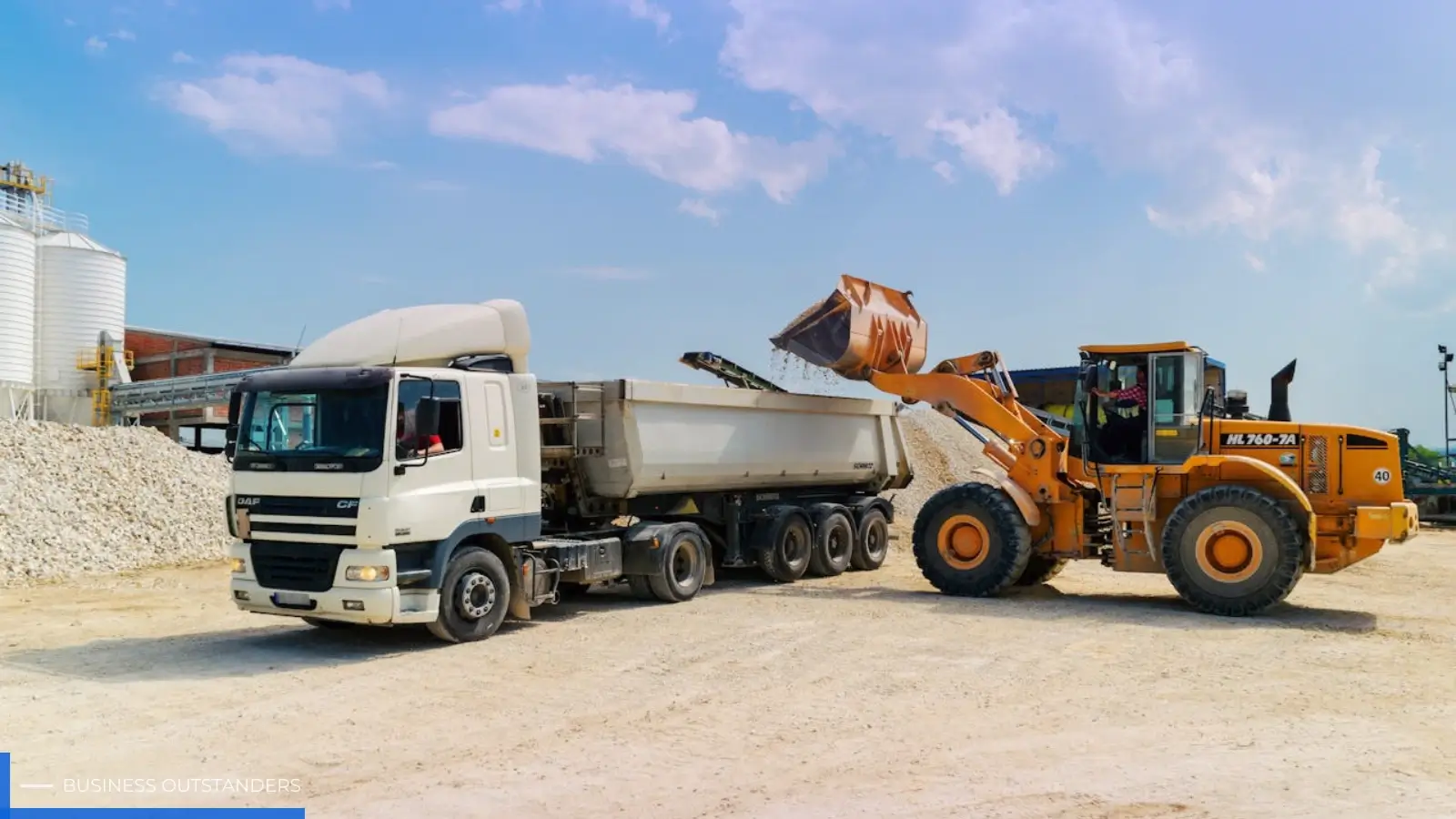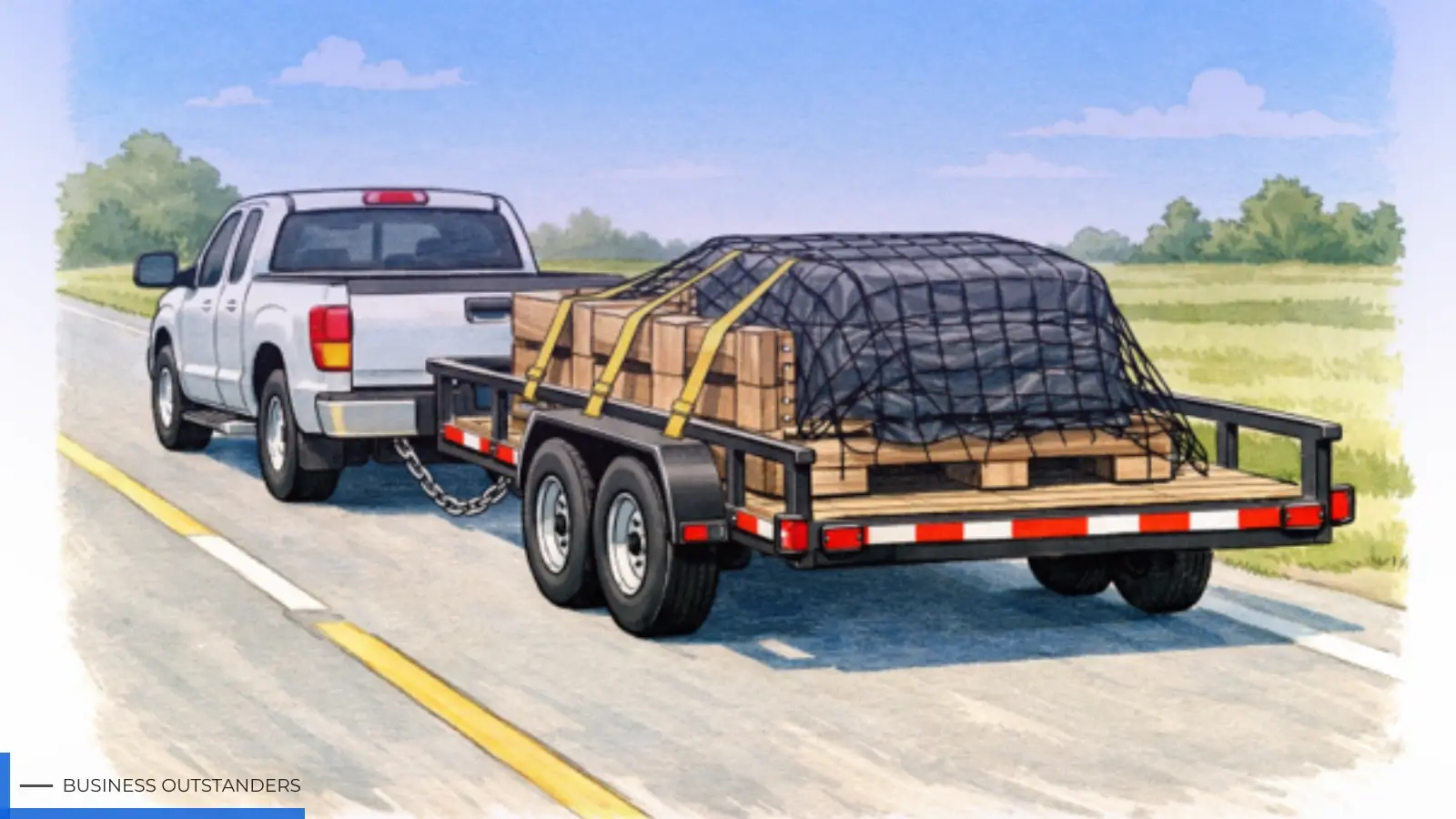
Transporting goods with trailers is essential for many businesses and individuals, but it also carries serious responsibilities. Whether you are hauling construction materials, moving household items, or delivering commercial shipments, adhering to safe trailer practices can prevent costly accidents and protect everyone on the road. Maintaining proper procedures and choosing reliable equipment is the best way to ensure safety, so if you are seeking new or used trailers for sale, make certain to prioritize safety features and reputable sources.
Failure to follow proper procedures for loading, securing, and maintaining your trailer can result in dangerous situations. In fact, thousands of accidents each year are caused by shifting or falling cargo, worn-out trailer components, or overloaded vehicles. Mitigating these risks not only protects your cargo but also fulfills your duty to the broader public and your customers.
Many roadside incidents involving trailers can be traced back to simple errors during cargo loading or a lack of routine inspections. By educating yourself on key safety principles and following expert recommendations, you can prevent dangerous situations before they arise, whether operating a fleet or towing a single load.
Cargo transport also faces risks from environmental factors, driver fatigue, and unpredictable road conditions. Large organizations continually stress the importance of operator vigilance and up-to-date safety protocols.
Understanding the Risks of Unsecured Loads
Unsecured loads pose one of the most significant hazards to drivers and other road users. According to the National Highway Traffic Safety Administration, unsecured cargo is responsible for hundreds of fatalities and thousands of injuries each year, as debris falls onto roadways or causes collisions. Most of these incidents involve standard passenger vehicles carrying loads improperly.
Improper loading can also put a strain on your trailer and tow vehicle, increasing the likelihood of trailer sway, brake failure, or separation from the hitch. Each of these failures can have catastrophic consequences, emphasizing why load security must always be a top priority. For additional background and safety insight, visit this Consumer Reports article on safe trailer towing.
Essential Steps for Securing Your Load
When it comes to restraining cargo, the method matters just as much as the equipment. Here are the most critical steps:
- Use Appropriate Tie-Downs: Ropes, straps, and netting rated for the cargo's weight should be used to secure cargo. Avoid relying on makeshift solutions that have not been designed for transportation safety.
- Direct Attachment: Always secure heavy or large items directly to your trailer’s anchor points. Never assume gravity alone will hold items in place during transit.
- Cover the Load: For smaller or loose items, a strong tarp or cargo net prevents debris from being blown onto the road, protecting other drivers and your cargo.
- Avoid Overloading: Stay within both the trailer’s and vehicle’s rated weight limits to maintain safe handling and braking behavior.
Following these guidelines minimizes the risks of items shifting, falling, or causing dangerous distractions to other motorists. Checking tie-downs after a few miles and upon every stop is a good habit to form.
Regular Maintenance Checks
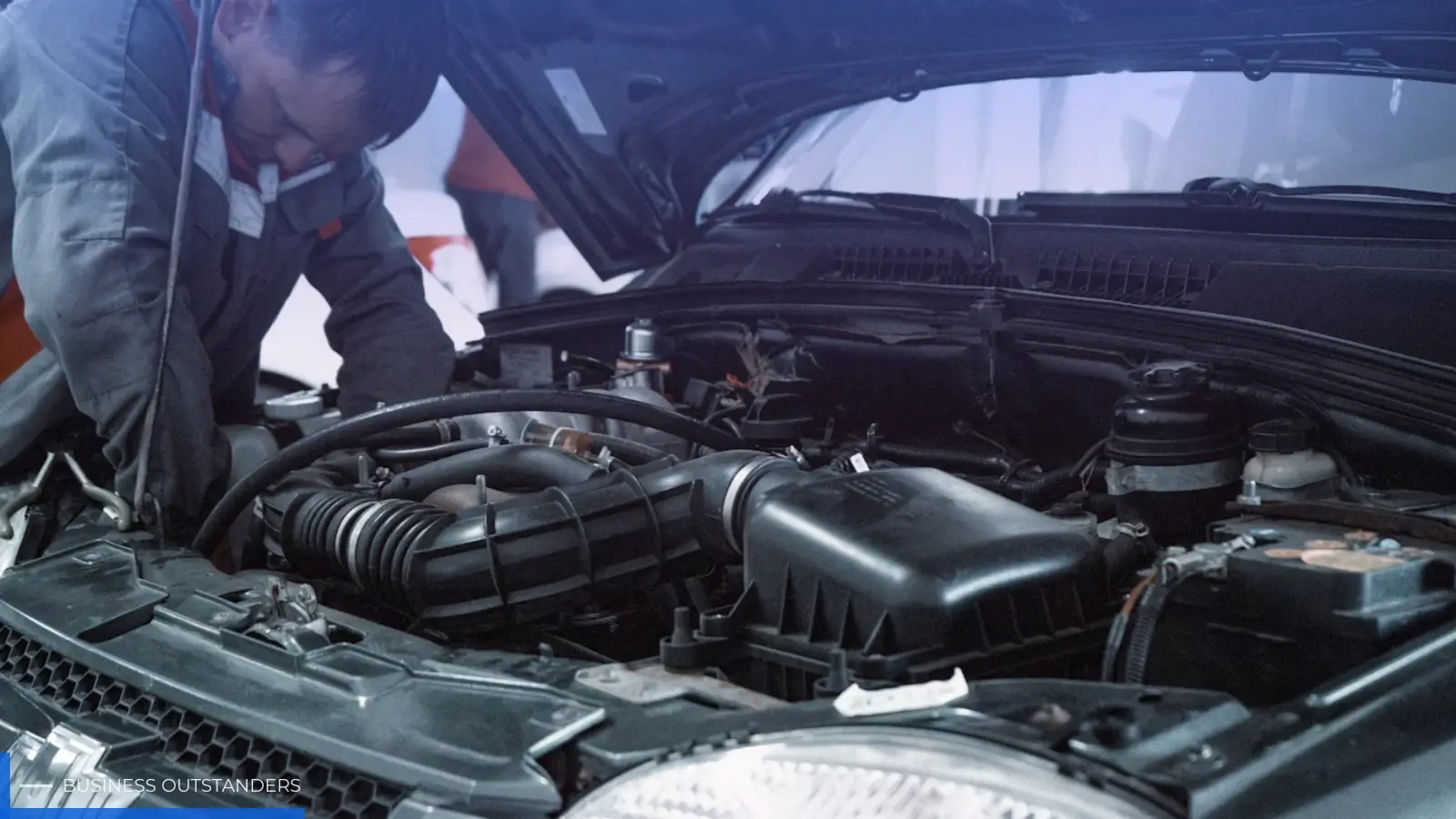
Neglecting routine maintenance can lead to avoidable hazards. Before any trip, even a short one, check these components:
- Tires: Inspect for proper inflation, adequate tread, and signs of wear or cracking. Worn tires are a leading cause of trailer accidents due to blowouts or poor traction.
- Brakes: Confirm that brakes are properly functioning, especially for heavier loads. Test them in a safe area before starting your journey.
- Lights: Make sure all brake, signal, and tail lights operate correctly. Non-working lights reduce visibility and can result in accidents or traffic stops.
- Hitch and Coupler: Double-check that your hitch is locked, pinned, and compatible with your trailer. The coupler should fit securely, with no play or excessive movement.
Scheduling seasonal or mileage-based inspections for your trailer and towing vehicle will catch mechanical issues early, helping you avoid accidents and costly repairs.
Understanding Weight Limits and Distribution
Trailer and tow vehicle weight limits exist for a reason. Disregarding these can result in catastrophic failure, reduced braking ability, and loss of control. Always check the owner’s manual for your specific trailer and vehicle for accurate information, and use a public scale if you are unsure of your total load.
- Adhere to Weight Limits: Never exceed the gross vehicle weight rating (GVWR) or any component’s maximum rating, including the hitch and tires.
- Proper Distribution: Load your trailer so that about 60 percent of the weight is balanced toward the front. This positioning prevents fishtailing and enhances steering control. Following best practices for towing safety can further improve stability, handling, and control when transporting heavier loads.
Imbalanced or overloaded trailers risk jackknifing, rollovers, or becoming uncontrollable in emergency maneuvers. Load plans and distribution checks are essential every time you transport cargo.
Utilizing Safety Equipment
Safety equipment not only increases the security of your cargo but also your visibility to other road users. All trailers should be equipped with the following:
- Reflective Tape: Place reflective tape or markers on your trailer’s rear, sides, and corners to make sure you are seen in low light or poor weather.
- Safety Chains: Always cross safety chains under the trailer tongue and attach them securely to the tow vehicle. In the unlikely event your trailer detaches, the chains are your last line of defense.
Do not overlook simple upgrades such as locking pins, wheel chocks, and backup alarms, especially if your trailer is used frequently or operates in busy environments. These small additions provide big peace of mind.
Conclusion
Implementing safe trailer practices is critical for preventing accidents and ensuring a smooth journey. By making load security, vehicle maintenance, weight compliance, and the use of safety gear routine procedures, drivers and operators significantly reduce risks for themselves and others. Make safe, responsible trailering a standard protocol every time you hit the road, and remember that a well-maintained and secure trailer is always worth the extra effort.
Business Outstanders brings you sharp insights on tech, business, entrepreneurship, law, crypto, and more. We uncover what’s next. Stay updated, sign up for our newsletter and be part of the future!