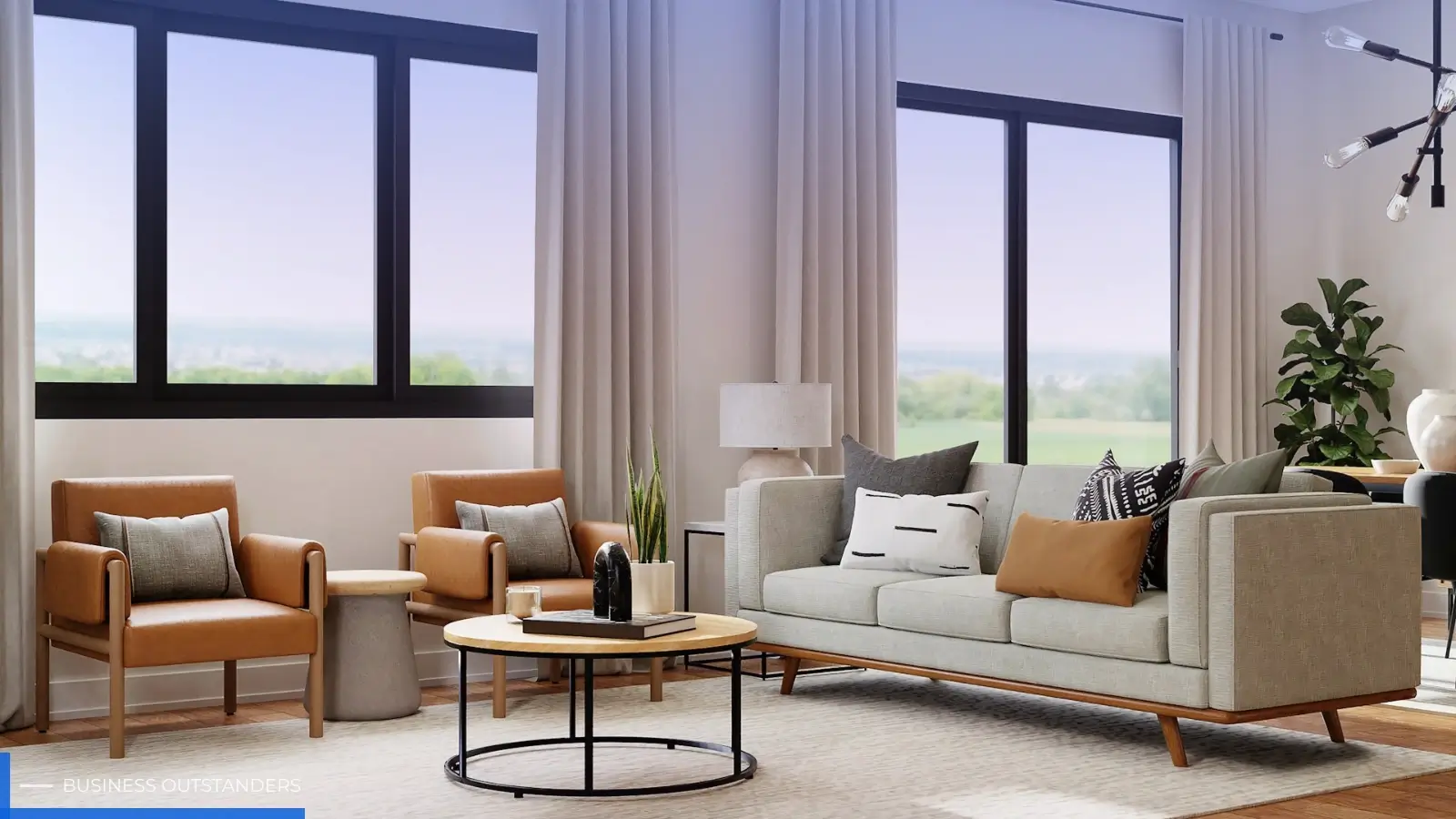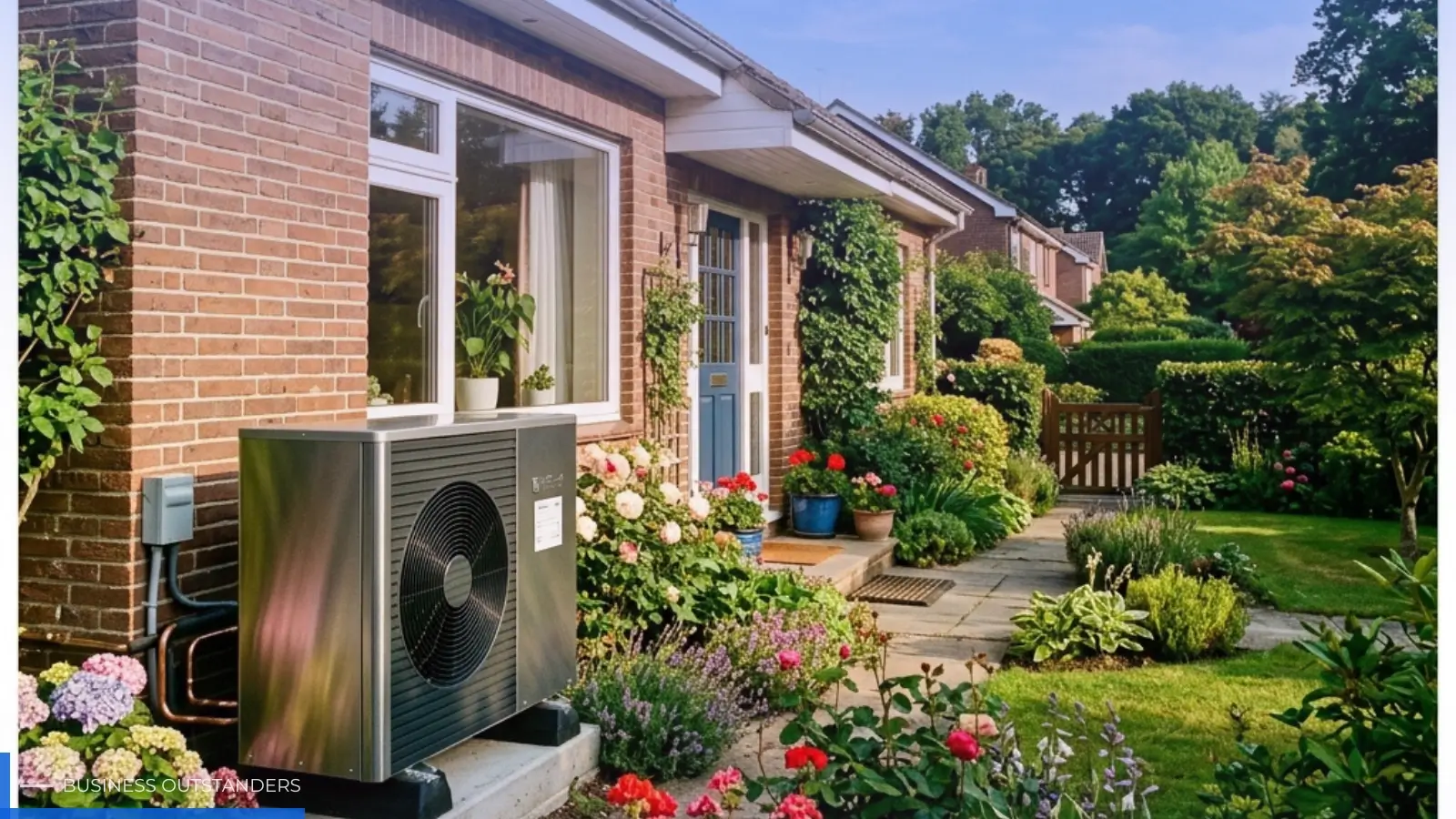
Older homes often possess unique character, craftsmanship, and architectural features that many homeowners value. However, while these properties may offer charm and history, their electrical systems were often designed for lifestyles that looked very different from today. As technology and household energy demands continue to evolve, many homeowners discover that older electrical infrastructure may no longer fully support modern living. Property owners who contact Skyco Trades electrician Illawong are often seeking ways to improve the safety, reliability, and performance of their home's electrical system.
Electrical improvements are not always about replacing outdated systems entirely. In many cases, upgrades help ensure older homes continue meeting current household requirements while supporting long-term safety and functionality. Understanding why these improvements are often necessary can help homeowners make informed decisions about their property's electrical needs.
Modern Households Use More Electricity Than Ever Before
When many older homes were built, households typically used far fewer electrical devices than they do today. The average home may have relied on basic lighting, a few appliances, and limited entertainment systems. Modern living has significantly increased electricity usage. Home offices, smart devices, air conditioning systems, kitchen appliances, electric vehicle chargers, and entertainment technology all place additional demand on electrical systems.
Today's homes commonly rely on:
- Multiple televisions and devices
- Home office equipment
- Kitchen appliances
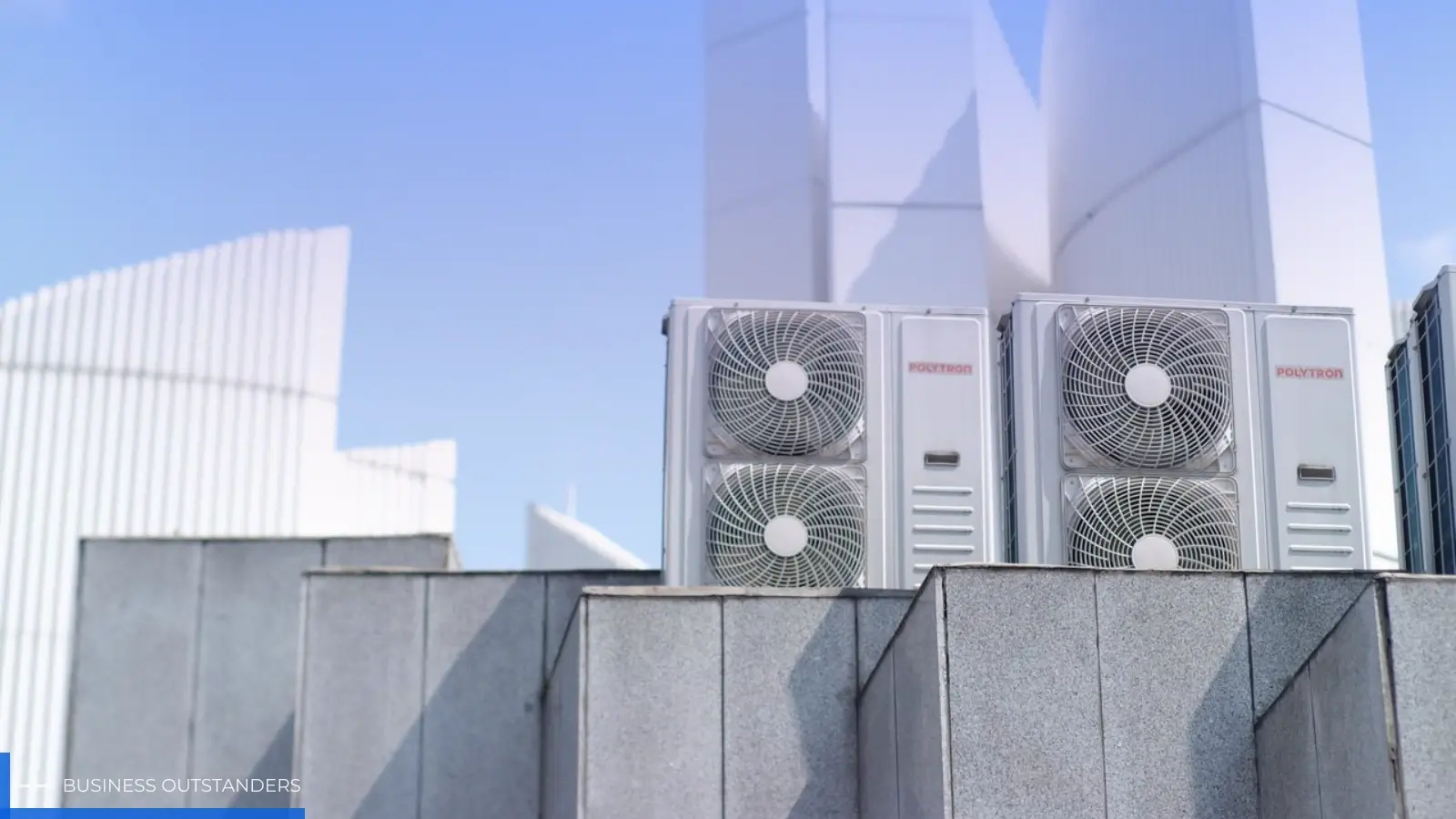
- Air conditioning systems
- Electric vehicle chargers
As household demands continue to grow, older electrical systems may struggle to keep pace with changing energy requirements.
Ageing Wiring Can Affect Safety and Performance
Electrical wiring naturally ages over time. While wiring can last for many years, prolonged use, environmental factors, and general wear may gradually affect its condition. Older wiring systems may not always provide the same level of performance or protection expected in modern homes. Deterioration, outdated materials, or ageing insulation can sometimes contribute to reduced efficiency and increased maintenance requirements.
Regular electrical inspections can help assess the condition of existing wiring and identify areas that may benefit from upgrades or repairs. Early attention to ageing infrastructure helps support safer and more reliable operation. Maintaining wiring systems is an important part of preserving both property value and household safety.
Switchboards Have Evolved Significantly
The switchboard serves as the central hub of a home's electrical system. Older switchboards were often designed to manage lower electrical loads and may not include the safety features commonly found in modern installations. As energy usage increases, switchboards play an increasingly important role in distributing electricity safely throughout the home. Modern switchboards are often designed to better accommodate contemporary electrical demands while supporting improved system management.
Switchboard improvements may help support:
- Increased electrical capacity
- Better circuit management
- Modern safety devices
- Improved reliability
- Future electrical upgrades
Ensuring the switchboard is suitable for current household needs can contribute to overall system performance and safety.
Safety Devices Provide Additional Protection
Modern electrical systems often include safety features that may not have been standard in older homes. Devices such as safety switches and smoke alarms provide additional layers of protection within residential properties. These systems are designed to help reduce risks associated with electrical faults and other household hazards. Regular testing and maintenance help ensure these devices continue operating as intended.
Important safety features may include:
- Safety switches
- Smoke alarms
- Circuit breakers
- Surge protection devices
- Updated switchboards
Installing and maintaining appropriate safety measures supports a safer home environment for occupants.
Home Renovations Often Increase Electrical Demands
Many homeowners choose to renovate older properties to improve comfort, functionality, and property value. Renovations frequently introduce new appliances, lighting systems, and technologies that place additional pressure on existing electrical infrastructure. Kitchens, bathrooms, home offices, and outdoor entertainment areas often require additional circuits and upgraded electrical systems to support modern usage patterns.
Electrical improvements completed during renovations help ensure new spaces operate efficiently and safely. Planning upgrades alongside renovation work may also help simplify future electrical requirements. Considering electrical needs during renovations supports long-term functionality and convenience.
Technology Continues to Change Household Requirements
The rapid growth of technology continues to reshape the way people use electricity at home. Smart home systems, energy-efficient appliances, security devices, and electric vehicles are becoming increasingly common in Australian households. As new technologies emerge, older homes may require updates to support these evolving needs. Electrical improvements help provide flexibility for future upgrades while ensuring homes remain adaptable to changing lifestyles.
Technology-driven changes may include:
- Smart home integration
- Electric vehicle charging
- Advanced security systems
- Energy-efficient lighting
- Increased device usage
Preparing homes for future technologies helps maintain functionality and convenience for years to come.
Preventative Upgrades Support Long-Term Reliability
Electrical improvements are often most effective when approached proactively rather than reactively. Waiting until faults occur can result in unexpected disruptions and potentially more complex repairs. Preventative upgrades allow homeowners to assess their electrical systems and address concerns before they become larger issues. This approach supports long-term reliability while helping maintain confidence in the home's electrical infrastructure.
Regular inspections and planned improvements can also assist homeowners in budgeting for future maintenance needs. A proactive strategy helps create safer, more efficient, and more adaptable homes. Investing in electrical improvements today can help ensure older properties continue meeting modern living requirements well into the future.
Conclusion
Older homes often require modern electrical improvements because today's lifestyles place far greater demands on electrical systems than in previous decades. Ageing wiring, outdated switchboards, increased energy usage, and evolving technologies all contribute to the need for upgrades.
By assessing electrical systems proactively and implementing appropriate improvements, homeowners can help support safety, reliability, and long-term functionality. Modern electrical upgrades also allow older properties to adapt to changing household needs while preserving the character that makes them unique. As technology continues to evolve and energy demands increase, maintaining an up-to-date electrical system remains an important part of responsible home ownership and property care.
Business Outstanders brings you sharp insights on tech, business, entrepreneurship, law, crypto, and more. We uncover what’s next. Stay updated, sign up for our newsletter and be part of the future!