Researching options through a dedicated resource for the best HVAC equipment helps buyers understand the differences between brands and configurations before money changes hands. Knowing the right questions to ask puts you in a stronger position, whether you buy the unit yourself or hand the specs to a contractor.
That kind of preparation is exactly what most companies skip. For a lot of businesses, heating and cooling are among the costs that only get attention when something breaks. A rooftop unit fails in July, a walk-in cooler stops holding temperature, or an office turns into a sweatbox during a client meeting. Suddenly, HVAC moves from the bottom of the priority list to the very top, and decisions that should have been planned get made under pressure.
That reactive pattern is expensive. Business owners who treat climate control as a strategic purchase rather than an emergency repair consistently spend less over the life of their equipment. Part of that shift is timing, and part of it is where they choose to buy.
The move toward buying direct
The way commercial and residential equipment reaches buyers has changed. For decades, the only realistic path was a local contractor who sourced the unit, marked it up, and installed it. That model still works for full-service jobs, but it leaves owners with little visibility into what they are actually paying for the hardware versus the labor.
Online equipment retailers have opened that black box. Owners can now compare models, tonnage, efficiency ratings, and pricing before they ever call an installer. A property manager overseeing several locations can price out an entire fleet of units in an afternoon instead of waiting for quotes. For anyone trying to control capital expenses, that transparency is the whole point.
Efficiency is a line item, not a luxury
The temptation is always to buy the cheapest unit that fits. For a business, that math rarely holds up. A higher-efficiency system costs more upfront but draws less power per hour it runs, and commercial spaces run their equipment hard. Over a five to ten-year horizon, the operating savings often outweigh the difference in sticker price.
There are also incentives worth checking. Utility rebates, financing programs, and depreciation rules can meaningfully change the real cost of an upgrade. None of that shows up if you only look at the purchase price, which is why planned buyers tend to come out ahead of the ones scrambling after a breakdown.
Vetting the retailer matters as much as the unit
Buying equipment online only works if the seller behind it is credible. You want a company that ships correctly, honors warranties, answers the phone when a question comes up, and stands behind what it sells. The equipment itself is only half of the transaction.
This is where independent research earns its keep. Before committing to any supplier, it is worth reading through customer experiences and third party breakdowns. A close look at ac direct and similar retailers gives a clearer picture of shipping reliability, support responsiveness, and how a company handles problems when they arise. Patterns in customer feedback tell you far more than any marketing page.
Building HVAC into Your Operating Plan
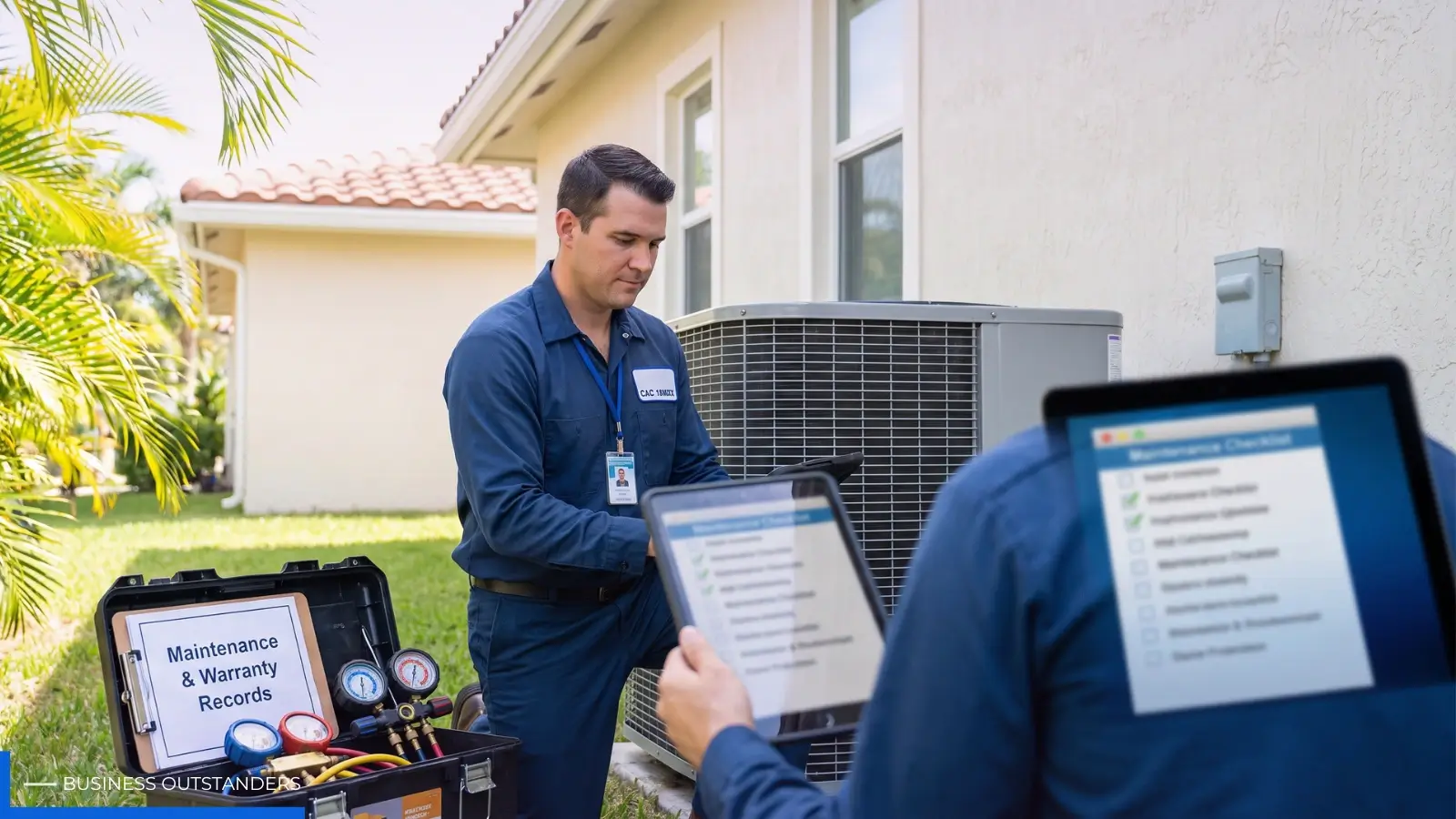
The owners who get the most value from these tools treat HVAC as part of their operating plan rather than an afterthought. That means knowing the age of every unit on the property, tracking which ones are approaching the end of their service life, and having a replacement plan ready before failure forces the issue.
It also means matching the purchase to the need. An oversized system short cycles and wears out early. An undersized one runs constantly and never keeps up. Getting the sizing right, ideally with input from a qualified professional, protects both comfort and the equipment budget.
The bottom line
HVAC will never be the most exciting item on a company's balance sheet, but it does not have to be a source of surprise costs and midsummer scrambles. Owners who research their options, compare equipment on real specifications, and vet the companies they buy from turn a recurring headache into a manageable, predictable expense.
The tools to do that are more accessible than they have ever been. The information sits a few clicks away, the pricing is transparent, and the reviews are public. For business owners willing to spend a little time upfront, the payoff is equipment that fits the space, fits the budget, and keeps working long after the purchase is forgotten.
Business Outstanders brings you sharp insights on tech, business, entrepreneurship, law, crypto, and more. We uncover what’s next. Stay updated, sign up for our newsletter and be part of the future!