Dealing with rodents in your home requires prompt action to prevent structural damage and health risks. The most effective way to handle a suspected infestation is to identify the signs early and block access points. Rodents actively seek out dark, quiet spaces like attics and crawl spaces to build their nests out of sight. When you notice the first signs of pests, addressing the problem immediately stops them from multiplying. Professional intervention ensures the complete removal of the animals and the proper sanitation of all affected areas.
Rodents leave distinct physical clues when they invade a living space. Homeowners rarely see mice or rats during the day because these animals naturally avoid human contact. Instead, you must rely on environmental evidence to confirm their presence in your house. Knowing exactly what to look for allows you to catch the problem before it spirals out of control.
Identifying Droppings and Urine Trails
The first sign many people notice is the sudden appearance of droppings in cupboards, along baseboards, or behind appliances. Mouse droppings look like small, dark grains of rice, while rat droppings are significantly larger with more rounded ends. Finding these pellets indicates an active presence that requires your immediate attention and careful cleanup. You should always thoroughly sanitize these areas with gloves and a strong disinfectant to prevent the spread of airborne diseases.
Rodents also leave urine trails as they travel along their regular routes at night. These paths produce a strong, musky smell that intensifies as the infestation grows. If a specific room in your home suddenly develops an unexplained odor, a nest is likely hidden nearby. Addressing this odor quickly prevents the urine from permanently soaking into the floorboards or drywall.
Unexplained Noises and Gnaw Marks
Another clear indicator of an infestation is hearing scratching, scurrying, or chewing sounds inside your walls. These noises typically occur at night because rodents are primarily nocturnal. The sounds often originate from the ceiling, the attic floor, or the dark spaces between interior walls.
You may also find visible gnaw marks on wood, drywall, or baseboards around your home. Rodents chew constantly to keep their front teeth filed down and to create wider access holes. This chewing habit creates a severe fire hazard if the pests expose live electrical wiring hidden behind your walls.
The Mechanics of Rodent Entry
Understanding how rodents enter a structure is vital for long-term prevention. Mice can squeeze through a hole the size of a dime, and rats only need a gap the size of a quarter. They often target structural vulnerabilities around utility lines, dryer vents, and crumbling foundation concrete. Even small gaps around window frames and door weatherstripping provide enough room for a determined pest to enter.
Once inside, they use the framework of your home as a highway system. They climb up the spaces between wall studs to reach the attic, where insulation provides perfect nesting material. Roof rats, a specific species common in warm climates, often skip the ground floor entirely. They use overhanging tree branches to drop directly onto your roof and enter through unprotected soffit vents.
How Rodents Damage Your Property and Insulation
Rodents cause extensive physical damage once they settle into a residential property. They actively tear up paper, cardboard, fabric, and fiberglass to create comfortable nests for their young. Attics remain particularly vulnerable because they offer warmth, safety, and abundant soft materials. When pests burrow through your attic spaces, they ruin the thermal barrier that keeps your home energy-efficient.
This nesting damage forces your heating and cooling system to work much harder to maintain a stable indoor temperature. A struggling HVAC system consumes more electricity, which directly raises your monthly utility bills. Animal waste also degrades the materials and compromises the air quality circulating through your ventilation system. After pest control, exploring options to replace damaged house insulation in Fountain Hills helps homeowners regain control over indoor temperatures and energy costs.
Evaluating Air Quality and Health Risks
A rodent infestation poses serious health risks in your home. Mice and rats harbor bacteria and pathogens that can easily spread to humans through direct or indirect contact. They contaminate food supplies and meal-prep surfaces as they search your kitchen for their next meal. Consuming food contaminated with rodent droppings can lead to food poisoning and bacterial infections, such as Salmonella.
Furthermore, dried rodent waste particles can break down and enter your home's air supply over time. Breathing in these airborne particles triggers asthma attacks and allergic reactions in sensitive individuals. Certain species of mice also carry hantavirus, a severe respiratory disease spread through the dust from their droppings. Removing the animals quickly and sanitizing the space helps reduce these serious health risks to your family.
Effective Strategies for Rodent Prevention
Keeping rodents out is much easier than removing an established colony. Pests actively search for reliable sources of food, water, and shelter in residential areas. By removing these resources, you make your property much less attractive to them. You can implement several practical steps to secure your living space against unwanted visitors.
First, carefully inspect the exterior of your house for cracks, gaps, or holes near the foundation. Seal any openings larger than a quarter-inch using a combination of steel wool and waterproof caulk. Rodents cannot chew through steel wool, making it a highly effective physical barrier against entry. You should also check the seals around your garage doors and basement windows.
Inside the house, store dry pantry goods and pet food in thick plastic, glass, or metal containers with tight-fitting lids. Outside, keep tree branches and shrubs trimmed at least three feet away from your roofline to remove easy access to your attic. Finally, fix leaking exterior pipes and ensure your gutters direct rainwater away from the foundation to eliminate accessible drinking water.
The Hidden Costs of Ignoring Rodent Issues
Delaying action when you suspect a rodent problem compounds financial costs over time. Initial damage to drywall and wiring often requires hiring separate contractors to repair the structure of your home. If mice chew through active electrical wires, the resulting short circuits can damage expensive home appliances or electronics. Fixing these hidden electrical issues involves opening up walls, running new lines, and repairing the drywall.
Additionally, prolonged infestations can affect your property's resale value. Home inspectors easily identify signs of active or past rodent damage during the evaluation process. Buyers often request significant price reductions or walk away entirely when they discover extensive pest issues. Taking immediate action preserves your home's integrity and protects your long-term financial investment.
When to Rely on Professional Rodent Management
While standard snap traps can handle a stray mouse, they rarely solve a full-scale infestation. Rodents reproduce rapidly in a protected, climate-controlled home environment. A single pair of mice can produce dozens of offspring in just a few months. If you continue to see fresh droppings or hear noises after setting traps, the colony is likely much bigger than you realize.
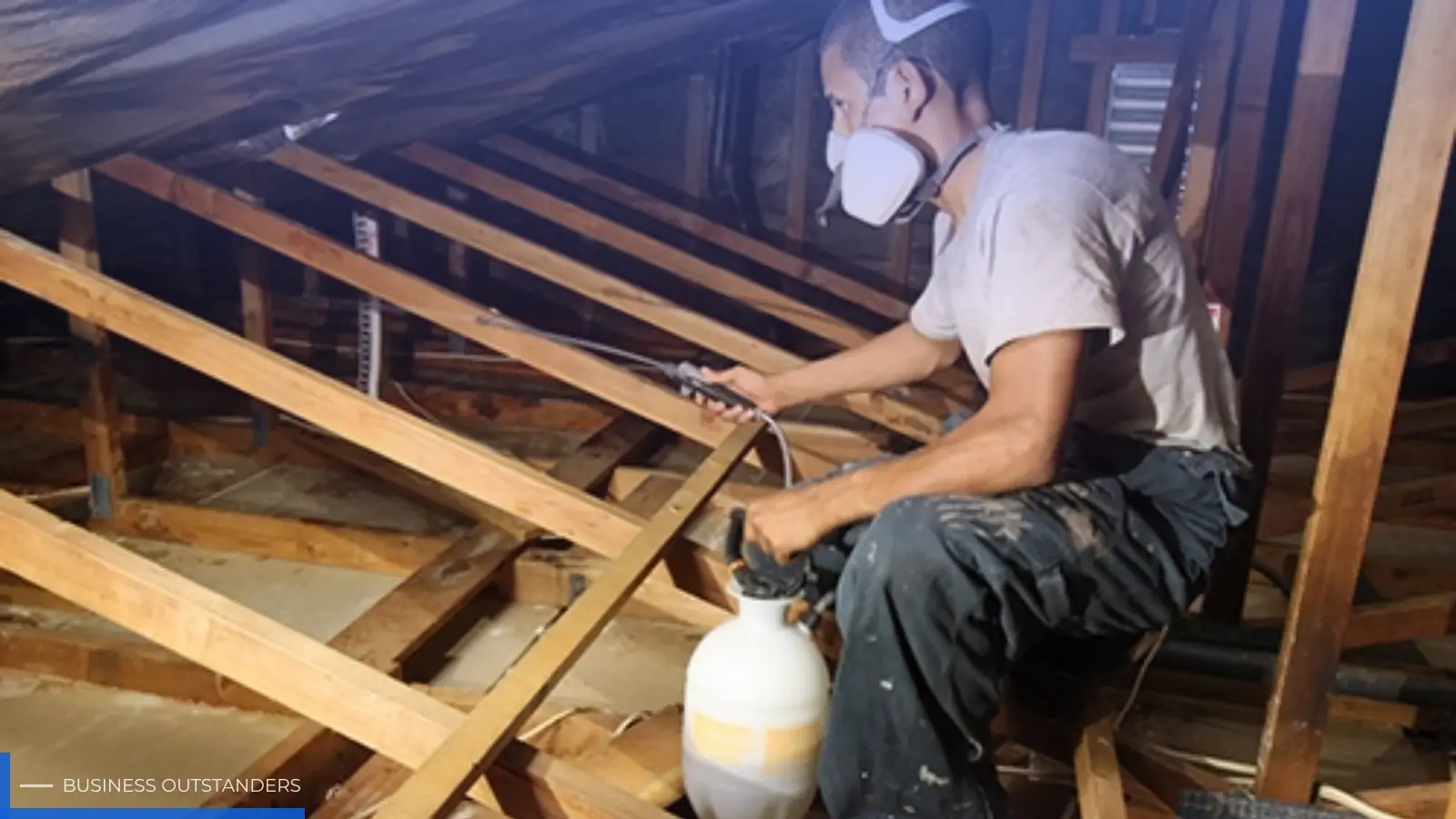
Professionals possess the training to locate hidden nests and identify the exact species causing the issue. They use specialized equipment to safely extract the animals and sanitize the highly contaminated zones. Investing in comprehensive solutions for rodent control in Fountain Hills provides a permanent fix rather than a temporary patch. Experts also identify structural weaknesses and install durable physical barriers to prevent future access.
Securing Your Home for the Future
Addressing a rodent problem requires vigilance, fast action, and an objective approach to home maintenance. Ignoring the early warning signs only leads to costly structural repairs and potential health hazards for your household. By securing your property's perimeter and monitoring for pest signs, you maintain a clean, safe living environment.
If the pest situation grows beyond your control, contacting a professional team ensures the infestation is handled safely and effectively. Experienced technicians can identify vulnerabilities you might miss and restore the safety of your living spaces. Attic Construction is an insulation contractor in Fountain Hills, AZ, specializing in attic insulation and rodent control for homeowners.
Business Outstanders brings you sharp insights on tech, business, entrepreneurship, law, crypto, and more. We uncover what’s next. Stay updated, sign up for our newsletter and be part of the future!