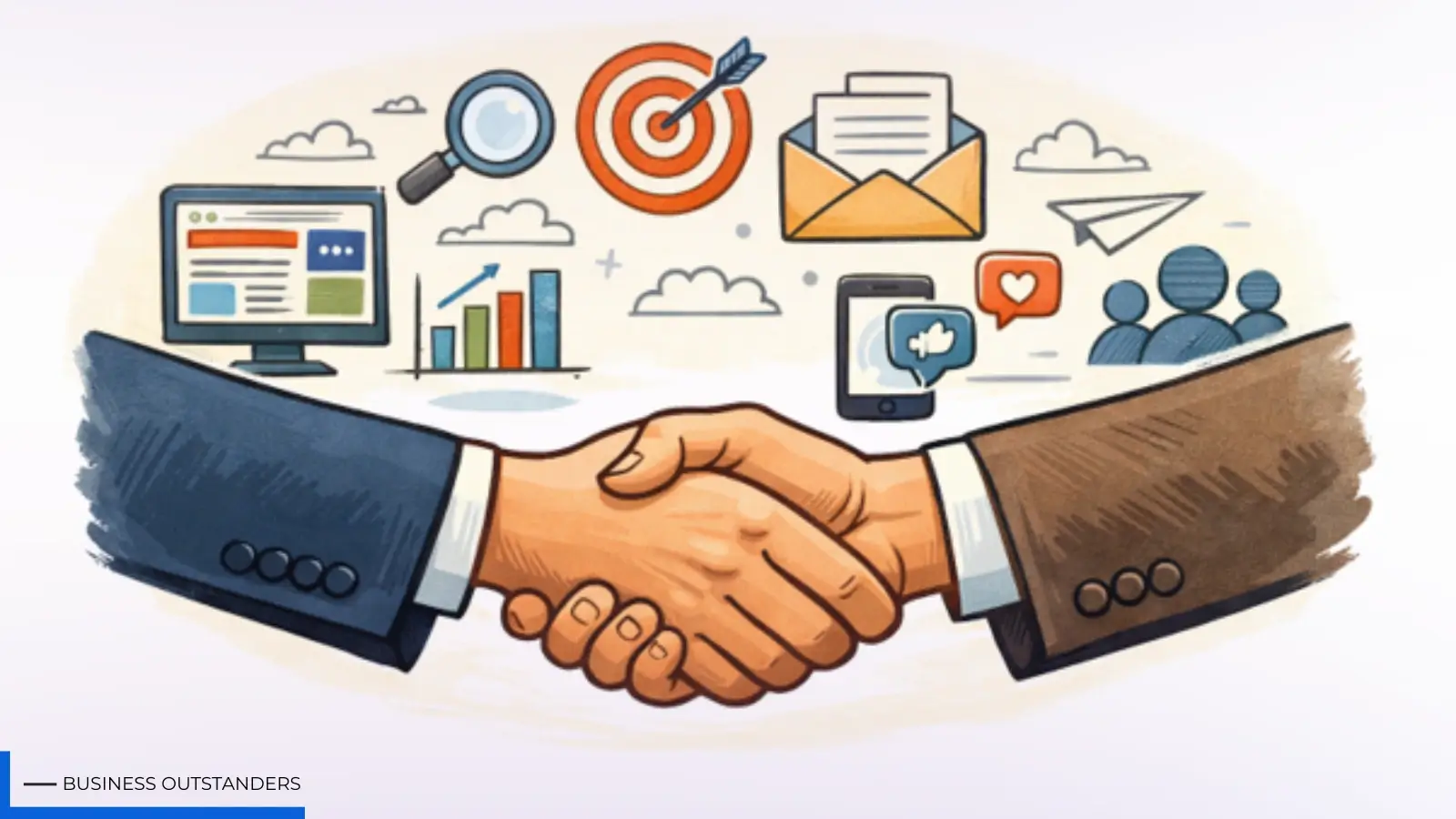
Most companies struggle online just to be seen. What helps more is drawing in folks already curious about what they offer, guiding them slowly toward buying. That shift - from interest to intent - happens through steady contact. One method stands out: gathering leads. Not random attention, but focused outreach. Think of it as starting conversations with people ready to listen. These interactions form connections. Over time, some turn into paying customers. Growth follows when those early touches are handled well.
Right at the start, grabbing leads means more than collecting emails or phone numbers. Picture this: it's really about spotting individuals who actually fit what you offer. Their problems matter - knowing those shapes of how messages land. A smart setup takes curiosity and nudges it toward doing something real. Think B2B, think B2C - it makes no difference here. Solid methods lift ad results higher over time. Sales gain steady fuel when outreach works better. Efficiency sneaks in quietly once systems click.
What Is Lead Acquisition?
Getting leads means finding people or groups who might want what a company sells. When someone shows curiosity - by joining a mailing list, grabbing an ebook, asking for pricing details, setting up a meeting, or submitting their info - it counts as interest. That kind of step suggests they’re okay with getting messages later. Signing up here or clicking there helps firms track possible customers. Each move tells the business: this one could be worth talking to. Interest like that opens a door instead of slamming it shut.
What matters most in collecting leads isn’t volume. It’s drawing in people who actually fit what you offer, those far more likely to take the next step. Reaching them usually means weaving together useful content, showing up where they search, using ads wisely, connecting on social platforms, and then staying in touch with purpose. Each piece plays a role; none work quite as well alone. In many cases, businesses also rely on a well-organised email database to store lead information, segment audiences, and manage ongoing communication in a more targeted way.
Why Lead Acquisition Matters
Without a steady stream of leads, even the best products and services can struggle to gain traction. Lead acquisition gives businesses a structured way to keep their sales pipeline active and reduce dependence on one-off referrals or unpredictable traffic.
A strong lead acquisition strategy offers several benefits:
- It creates a consistent flow of potential customers.
- It helps marketing teams focus on people who are more likely to buy.
- It supports sales teams with warmer, better-informed prospects.
- It improves the return on marketing investment by reducing wasted effort.
- It provides valuable audience data that can shape future campaigns.
In short, lead acquisition connects marketing activity to real business growth, with effective lead generation helping businesses maintain a steady pipeline of potential customers even during challenging market conditions.
The Main Stages of Lead Acquisition
Starting at the beginning, gathering interest builds stronger results when treated step by step instead of as one quick move. While each company aims for something unique, these phases show up again and again in approaches that actually work.
1. Defining the Ideal Audience
Who shows up first? The ones already looking. Picture them - same job title, similar struggles. Spotting these people starts with asking where they live, what work they do, and how much they spend. Forget guessing. Build each profile using real patterns: age, city, role at work, and even past buys. Clarity comes when details stack - not all at once, but piece by piece. Hidden in habits is who matters most.
Specific audiences make messages hit harder, simply put. When you narrow things down, what you say lands better. Traffic might grow wide, yet still bring weak results - leads showing up, then vanishing. Focused effort pulls those who actually respond.
2. Building Awareness
Figuring out who you’re talking to comes first. After that, it’s about being seen. People might find you through Google searches. Or maybe they’ll stumble on a post shared somewhere online. A friend could mention your name too. Reading something you wrote on a site might catch their eye. Some join live talks where you show up. Others click ads without thinking twice.
What you share matters most. Pages full of helpful posts, visual walkthroughs, real examples, along with step-by-step explainers, give companies a way to respond to doubts, prove they know their stuff, while appearing exactly where future customers look things up. Attention must center on usefulness instead of pushy promotion during this phase.
3. Capturing Interest
After attracting attention, businesses need a way to turn that attention into a lead. This is usually done through a form, landing page, sign-up option, or gated resource. In exchange for contact details, the user receives something useful, such as a guide, template, consultation, webinar, or free trial.
This offer is often called a lead magnet. A strong lead magnet solves a specific problem or gives the audience something they genuinely want. The more aligned the offer is with the prospect’s needs, the more likely they are to share their information.
4. Organising and Qualifying Leads
Ready to purchase? Not everyone shows up that way. Exploring ideas comes first for some, jumping into decisions happens quicker for others. Sorting them out fast makes sense - timing changes everything. Early tagging helps companies tell who's close to choosing, who just wants to look.
Sometimes it's about checking if the person matches what works best for the business. Not every contact actually needs the product being offered. One key point could be knowing who makes decisions inside their company. Timing often matters just as much - will they decide soon or wait indefinitely? That kind of clarity keeps effort moving toward real opportunities instead of dead ends. Focusing shifts naturally when some signals show stronger interest than others.
Here’s why handling information well matters. Where a lead shows up, what they grab, and their clicks on materials - these details stick better inside an organized setup. Think email lists that sort things out, or tracking tools built neatly. One thing leads to another: when steps get logged clearly, guessing stops. Progress through the sales path? Easier to see who’s close, who’s just looking.
5. Nurturing Leads Over Time
Many leads do not convert immediately. They may need more information, reassurance, or time before making a decision. Lead nurturing is the process of maintaining contact and building trust until the lead is ready to take the next step.
Lead nurturing often includes:
- educational email sequences
- follow-up messages
- useful blog content
- case studies and comparisons
- invitations to webinars or events
- personalised offers based on behaviour
The aim is to stay relevant and helpful rather than overly promotional. When businesses provide useful information at the right time, they remain top of mind and increase the likelihood of conversion.
Common Lead Acquisition Channels
There is no universal formula for lead acquisition, but some channels are especially effective when used strategically.
Search Engine Optimisation (SEO)
Most folks start their buying journey online now. When someone types questions into Google, websites showing up there get noticed first. Publishing clear answers matters more than ever. Pages built around real queries pull in ready listeners. Interest grows where value matches need. Visibility climbs when content connects directly to searches made daily.
Content Marketing
Most people show up looking for answers - content like blogs or how-to videos gives them what they need without making a big deal out of it. A guide you can download might pull someone in just as well as a deep dive report if it hits right. When things match what users care about, attention follows naturally. Videos explain stuff others skip over. Checklists work because they break steps into something doable. Each piece has its place depending on who is reading. Matching the format to real questions keeps interest alive.
Social Media Marketing
Social media allows businesses to reach new audiences, promote valuable content, and build direct engagement. It can also support lead acquisition by driving traffic to landing pages or encouraging sign-ups through targeted campaigns.
Email Marketing
Still today, email works well to help turn interest into results. Because it keeps companies connected, sending updates that matter at the right moment. With a clear list of contacts split wisely, messages land better. Instead of guessing, each note fits who is reading - making follow-through feel natural.
Paid Advertising
Paid campaigns on search engines and social platforms can speed up lead acquisition by putting offers directly in front of the right audience. These campaigns work best when paired with a clear landing page and a strong call to action.
Common Mistakes in Lead Acquisition
Businesses often struggle with lead acquisition because of avoidable mistakes. Some of the most common include:
- targeting too broad an audience
- focusing on quantity rather than lead quality
- offering weak or irrelevant lead magnets
- using unclear calls to action
- failing to follow up with leads quickly
- Neglecting lead nurturing after the first contact
- collecting data without a system for organising it
These mistakes can reduce conversion rates and waste both time and budget.
Measuring Lead Acquisition Success
Lead acquisition should be monitored regularly to understand what is working and where improvements are needed. Useful metrics include:
- number of leads generated
- conversion rate from visitor to lead
- cost per lead
- lead-to-customer conversion rate
- landing page conversion rate
- email open and click-through rates
- return on marketing investment
Tracking these figures helps businesses improve targeting, refine campaigns, and build a more effective acquisition strategy over time.
Final Thoughts
Starting at the beginning, getting leads matters most when growing a company today. Companies pull in people who actually care by showing up where attention lives. Interest sticks when follow-up feels natural, not forced. Turning lookers into buyers works better with steps that stay consistent. Trust grows easier when each message adds something clear. Moving someone from curious to committed? That flows best with steady contact. The path forward opens wider when every step makes sense.
Start with knowing who you're talking to - without that, nothing else works quite right. Good content pulls people in, especially when it answers real questions they have. A strong offer stands out because it feels worth the effort to respond. Follow up without rushing; let each message build trust slowly. Those who stick with these pieces tend to see better results than those chasing shortcuts. Handle incoming interest carefully, guiding rather than pushing. Nurture connections like tending a garden - one missed week can undo weeks of care. Keep your contact list clean and updated, treating every name like someone real. Over months, this turns into steady momentum instead of random spikes. Done well, gathering leads shifts from noisy campaigns to quiet, reliable progress.
Business Outstanders brings you sharp insights on tech, business, entrepreneurship, law, crypto, and more. We uncover what’s next. Stay updated, sign up for our newsletter and be part of the future!