Employee engagement decides the success of a business, and numbers are not great in this context. A 2024 Gallup survey indicated that employee engagement in the US dipped to its lowest level in a decade. Only 31% of employees were engaged in 2024, which matched the figure last seen in 2014.
This is a warning sign for employers and shows the need to do something actionable to address the issue. Creating the right workplace environment is a great first step. A thoughtfully designed office does more than look good. Rather, it shapes how people think, collaborate, and perform. Many of these ideas align with emerging office design trends that prioritize employee well-being and productivity.
When employees walk into a space that balances calm aesthetics with functional layout, their stress falls, focus improves, and creativity flows. In this article, we will share a few practical tips to design a space that serves as an inspiration to employees.
Choose a Calm Color Palette
A Forbes article explains that most workplaces look dull because the use of color in them is driven either by architectural color trends or organizational brand standards. According to Ryan Anderson, workplace design expert, “Color has the potential to improve connection and reinvigorate the workplace.”
Colors influence mood and cognition. A base of neutral, calming tones, such as soft grays, warm beiges, or muted whites, can create a tidy, unobtrusive backdrop. Add accent colors strategically. You can choose muted blues for focus, gentle greens for balance, and warm terracotta or ochre for subtle energy. EA Pro Painters notes that professionals can provide color consultation as a part of their services.
Look for a commercial painting company that helps you with such insights. Professionals can also use color to define zones for collaboration, quiet work, and social areas. Integrate brand colors sparingly as accents on artwork, cushions, or wayfinding. Consistent, restrained color choices reduce visual clutter and help the brain remain calm and attentive throughout the day.
Maximize Natural Light & Airflow
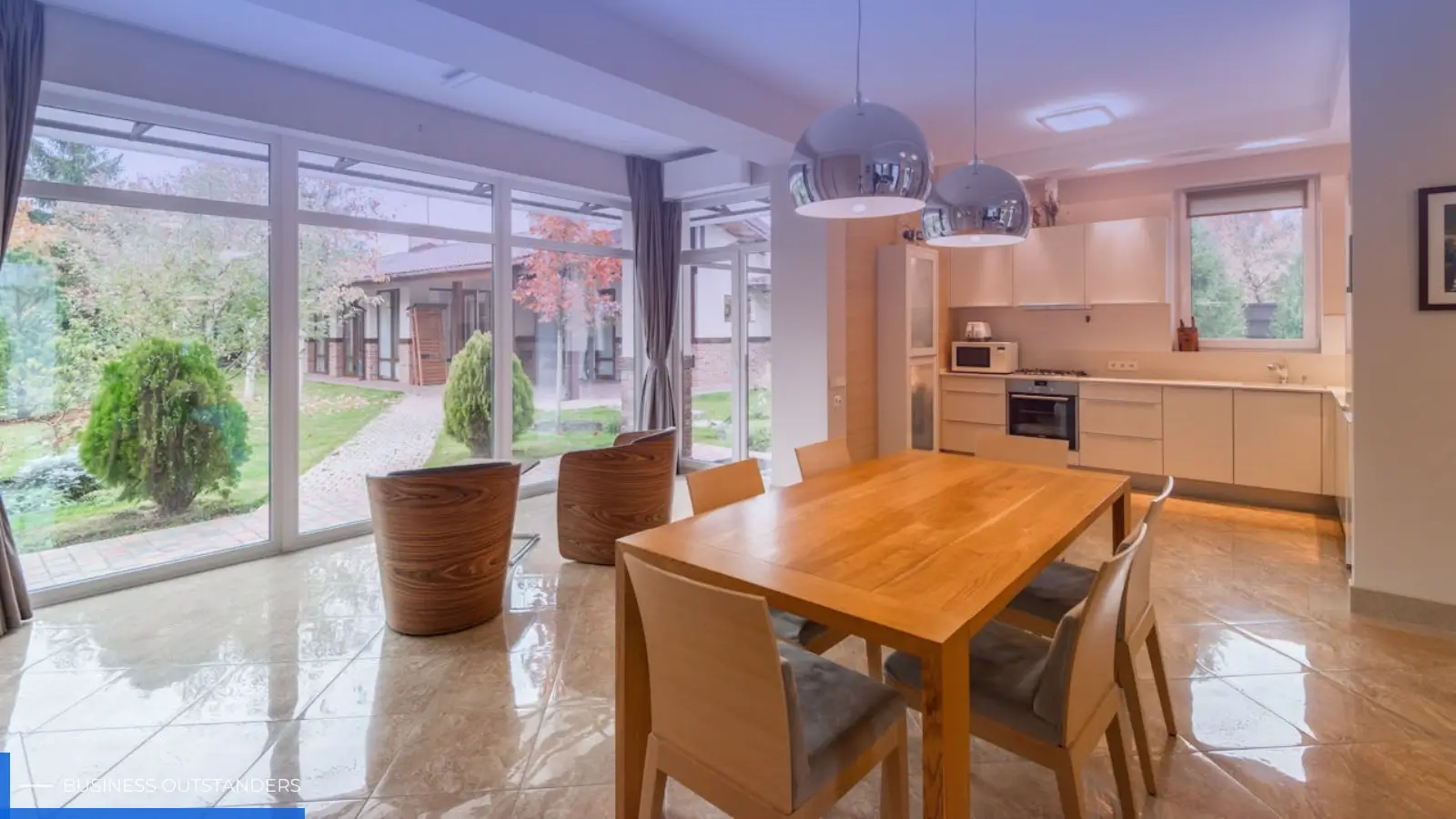
According to the Sustainability Directory, natural light is a free and readily available resource that contributes to the work environment. Among its benefits are increased productivity, focus, and well-being. A design that maximizes natural light should not be an afterthought, but an essential consideration.
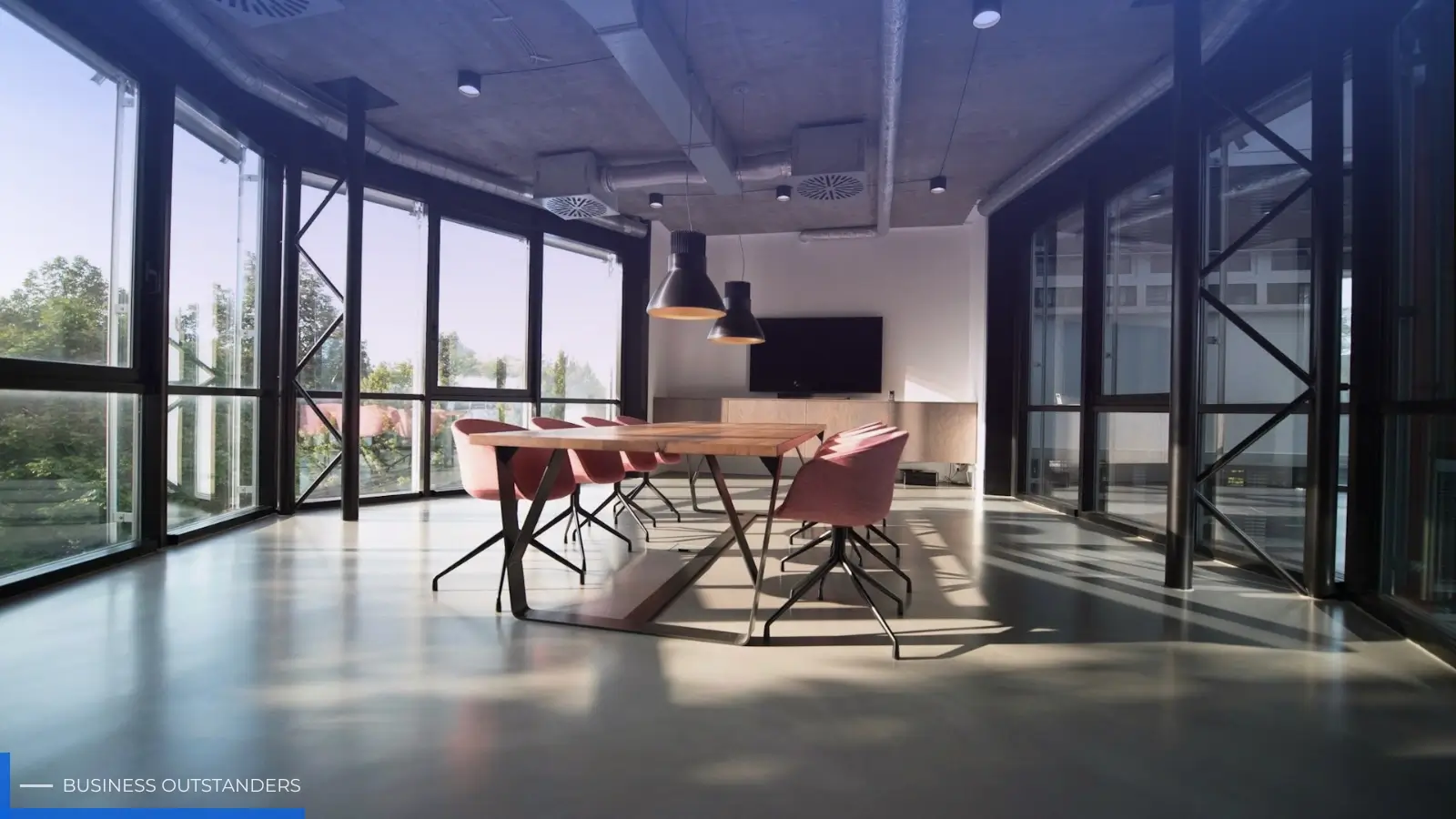
Start by positioning desks and communal areas to take advantage of windows. Also, ensure window treatments diffuse glare without blocking brightness. Use glass partitions and low shelving to allow light to travel deeper into the space.
For airflow, prioritize operable windows where possible and ensure that the HVAC system maintains consistent fresh air exchange. Add simple ventilation solutions like ceiling fans or air-purifying HVAC filters. Proper daylight and airflow improve circadian rhythm alignment, reduce fatigue, and lower sick days.
Create Activity-Specific Zones
People work differently at different times, and expecting them to follow the same rhythm will only cause dissatisfaction. An optimal office setup can be used to facilitate work for different styles and timelines. For example, you can design distinct zones that match the activity needs of your team members.
Have quiet zones for focused work, collaboration hubs with flexible seating and writable surfaces, and meeting rooms for private discussions. Your office should also include casual lounges for informal chats and breaks. Use furniture, rugs, and lighting to delineate areas without relying solely on walls.
Offer small focus rooms for intense concentration and larger, tech-enabled rooms for presentations. A zoning approach minimizes interruptions and clarifies the purpose of the space. Moreover, it gives team members the freedom to choose the environment that best supports their task.
Offer Ergonomic Flexibility
Research cited by the Spine Health Foundation shows that 80% of jobs in the US are sedentary. Moreover, 25% of Americans lead a sedentary lifestyle outside of work. Eventually, these people encounter posture-related issues. The worst part is that half of them do not bother about the effects of poor posture.
An inspiring office space is one that prioritizes employee health by providing ergonomic workspaces. Ergonomics should be adaptable, not one-size-fits-all. Provide height-adjustable desks, supportive chairs with lumbar options, and keyboard/mouse setups that reduce strain. Encourage movement by creating sit-stand options, breakout spaces for walking meetings, and clear pathways to reduce long static periods.
Include monitor arms and laptop docking stations for adjustable screen height. Offer basic ergonomic assessments or short training sessions so employees know how to set up their workstations. Ergonomic flexibility reduces musculoskeletal complaints, improves comfort, and sustains concentration.
Embrace Biophilic Design
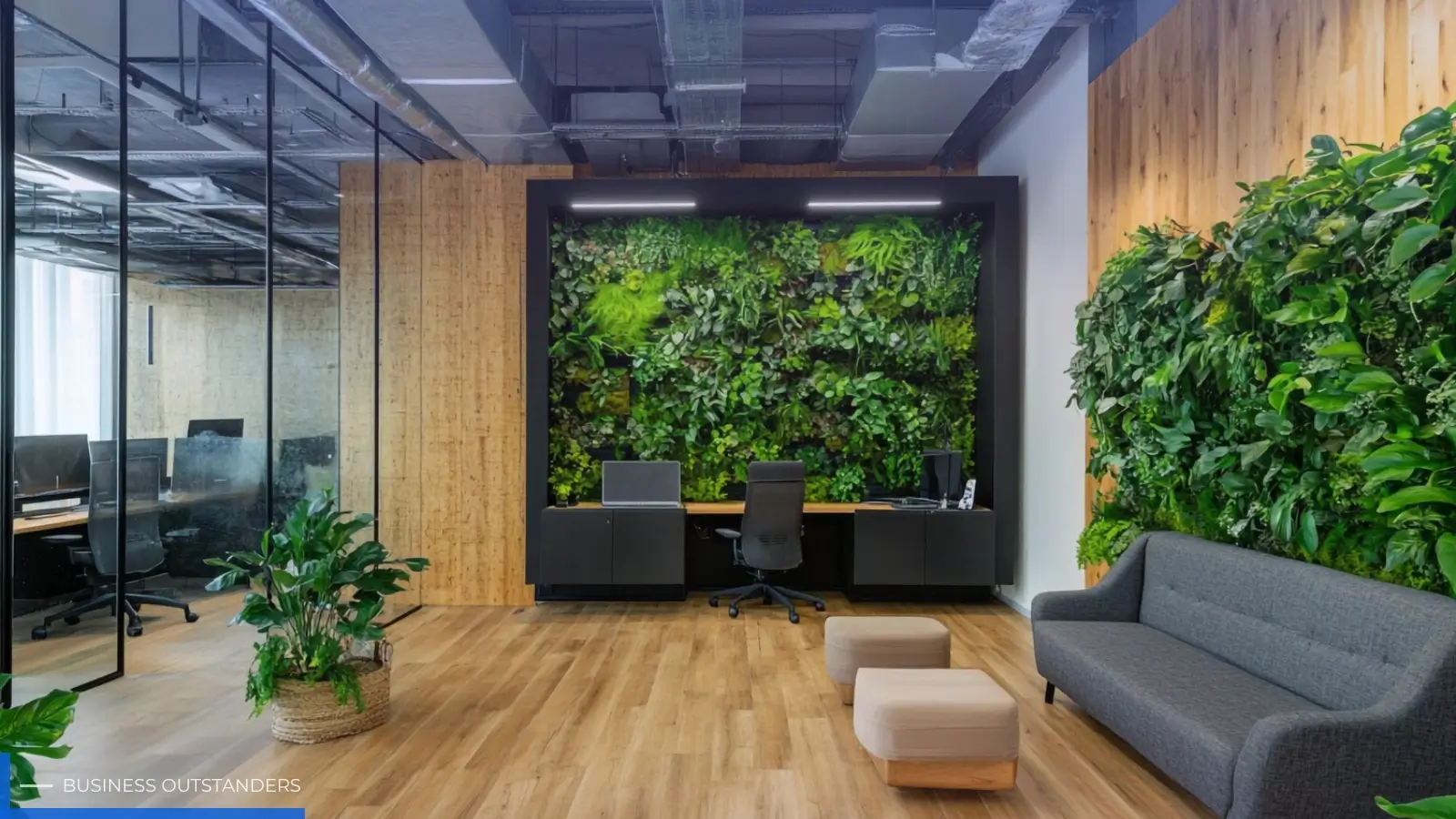
A biophilic design incorporates elements of nature to boost well-being and creativity. Besides adding inspiration for your employees, these elements create a great first impression on visitors with enhanced aesthetics. Not to mention, plants in particular, enhance air quality and visual comfort.
Add a mix of plants, living walls, and planters to bring greenery into sightlines and circulation routes. Maximize views to the outdoors and include water features or natural imagery in waiting areas. Use natural materials such as wood, stone, and woven textiles to add warmth and tactile interest.
If live plants are impractical, you can opt for high-quality botanical art and natural textures. Biophilic elements reduce stress, lower blood pressure, and create a restorative environment that helps people refocus and recharge.
FAQs
Why are productive workspaces important?
Productive workspaces align the environment with tasks, minimizing distractions and enabling focus. They reduce frustration, speed task completion, and support collaboration. Well-designed offices also lower absenteeism and turnover by improving comfort and well-being, which translates to better performance and morale across the organization.
How does an office space affect the mood of employees?
Spatial elements, such as light, color, acoustics, and materials, directly influence mood. Bright, airy spaces with natural elements foster calm and positivity. Crowded, noisy, or poorly lit areas increase stress and fatigue. Thoughtful design shifts emotional baseline toward engagement and resilience.
How to create a health workspace for your team?
Focus on air quality, natural light, ergonomic furniture, movement-friendly layouts, and accessible wellness amenities like quiet rooms and hydration stations. Encourage breaks, provide hydration and healthy snack options, and maintain cleanliness. Combine design choices with policies that support work-life balance.
Key Insights on Inspiring Workspaces
|
Calm Color Palette |
Use neutral tones with blue/green accents |
31% U.S. employee engagement in 2024 (lowest in a decade) |
|
Natural Light & Airflow |
Maximize windows and ventilation |
Natural light supports focus and well-being |
|
Activity-Specific Zones |
Create quiet, collaboration, and lounge areas |
Supports different work styles |
|
Ergonomic Flexibility |
Provide adjustable desks and chairs |
80% of U.S. jobs are sedentary |
|
Biophilic Design |
Add plants and natural materials |
Nature-inspired spaces support well-being |
Designing an inspiring office blends psychology and practical design with these wellness-focused elements. Small choices compound, with better lighting improving mood, flexible furniture increasing movement, and strategically placed plants reducing stress. The best offices are those that anticipate how people actually work and make the healthy, productive choice the easy one. Start with a clear plan to create a workspace that lifts performance, well-being, and company culture.
Business Outstanders brings you sharp insights on tech, business, entrepreneurship, law, crypto, and more. We uncover what’s next. Stay updated, sign up for our newsletter and be part of the future!