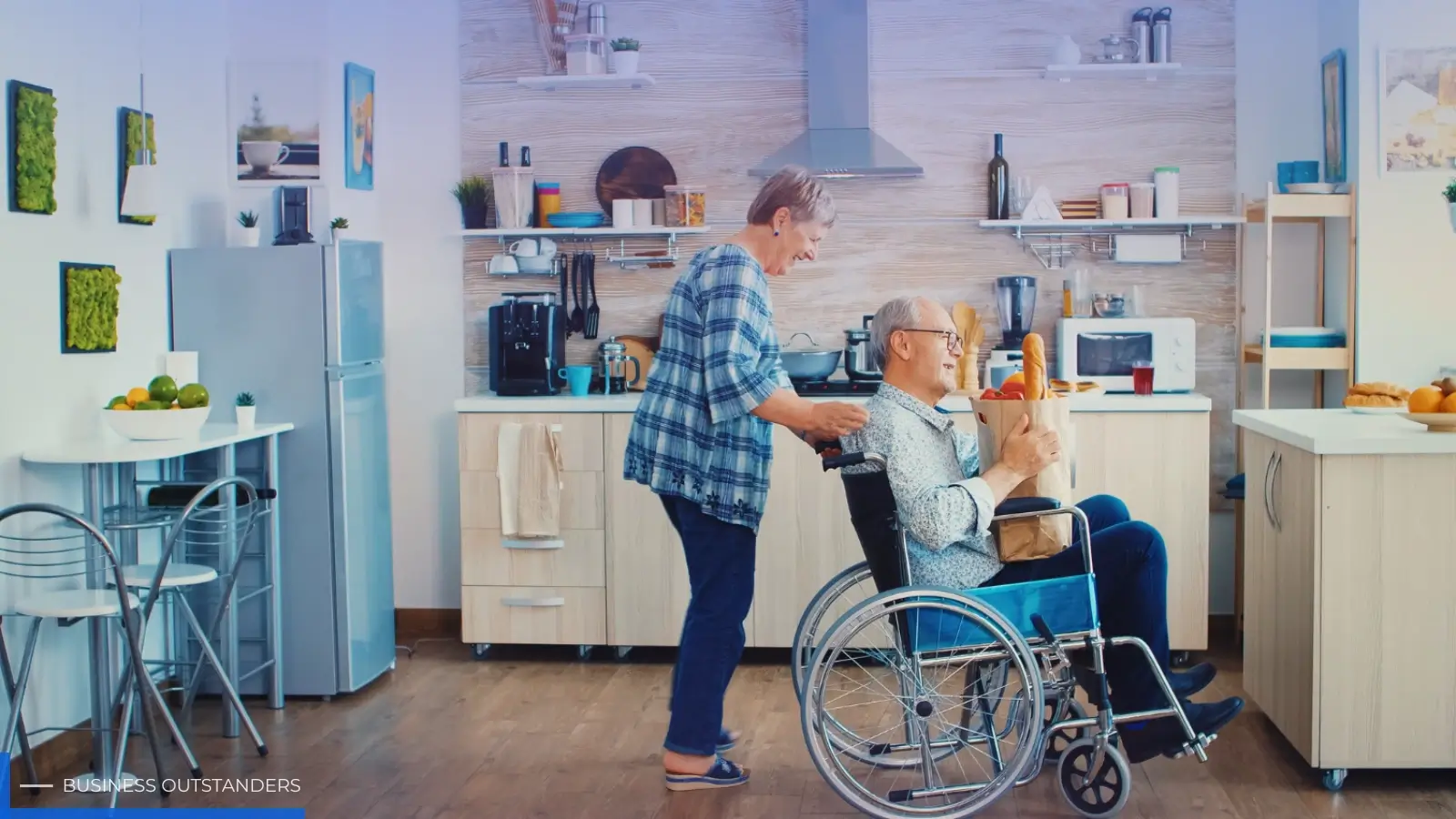
When a family member requires continuous medical or physical support, the family home must transform from a simple dwelling into a highly functional environment of care. However, balancing strict clinical requirements with the comforting warmth of a traditional living space is a delicate challenge that many Australian households face daily. The demands placed on these families are staggering and often overlooked by the broader community. According to Carers Australia, over 287,000 primary carers provide 40 hours or more of unpaid care every single week, out of the roughly 3 million informal caregivers nationwide. This immense workload highlights exactly why supportive home environments and external care networks are absolute necessities rather than optional luxuries. Creating a nurturing space is not just about medical compliance; it is fundamentally about preserving dignity, encouraging healing, and maintaining family cohesion throughout an incredibly challenging journey.
Bridging the Gap Between Home and Clinical Care
For many families, standard home environments eventually reach their structural and practical limits, especially when a patient's medical needs escalate unexpectedly. Adapting a standard house to accommodate heavy medical equipment, such as hoists or adjustable beds, can be overwhelming and financially draining. Finding the right balance between a sterile medical facility and a comfortable family home requires careful planning and professional guidance. During these transitional periods, or when primary caregivers simply need time to rest, accessing appropriate housing becomes a critical lifeline. Securing professional disability respite serves as a vital healthcare resource, giving families a supportive break while ensuring patients receive around-the-clock clinical support in a space that feels like a welcoming home. These purpose-built accommodations provide immediate, high-quality relief while long-term home modifications are planned and completed, ensuring no gap in the quality of care or patient comfort.
Managing the Emotional and Physical Toll
The immense physical and emotional energy required for full-time support often leads to severe exhaustion and complex health challenges for the family unit. Caregivers routinely place the health of their loved ones above their own, ignoring their personal physical limits to keep up with demanding daily routines. Over time, this chronic stress can result in weakened immune systems, sleep deprivation, and profound feelings of isolation. Just as modern professionals are encouraged to recognise the dangers of chronic workplace stress and "self-override", family caregivers must also practice strong self-leadership to establish boundaries and sustainable health routines rather than pushing past their breaking points. Learning to manage somatic stress and emotional regulation, a concept deeply explored in recent discussions regarding business embodiment and self-leadership, translates perfectly to the caregiving experience. Taking scheduled breaks, acknowledging physical fatigue, and prioritising personal wellbeing are essential steps in preventing long-term caregiver burnout and maintaining the stamina required for continuous care.
Key Elements of a Restorative Home Design
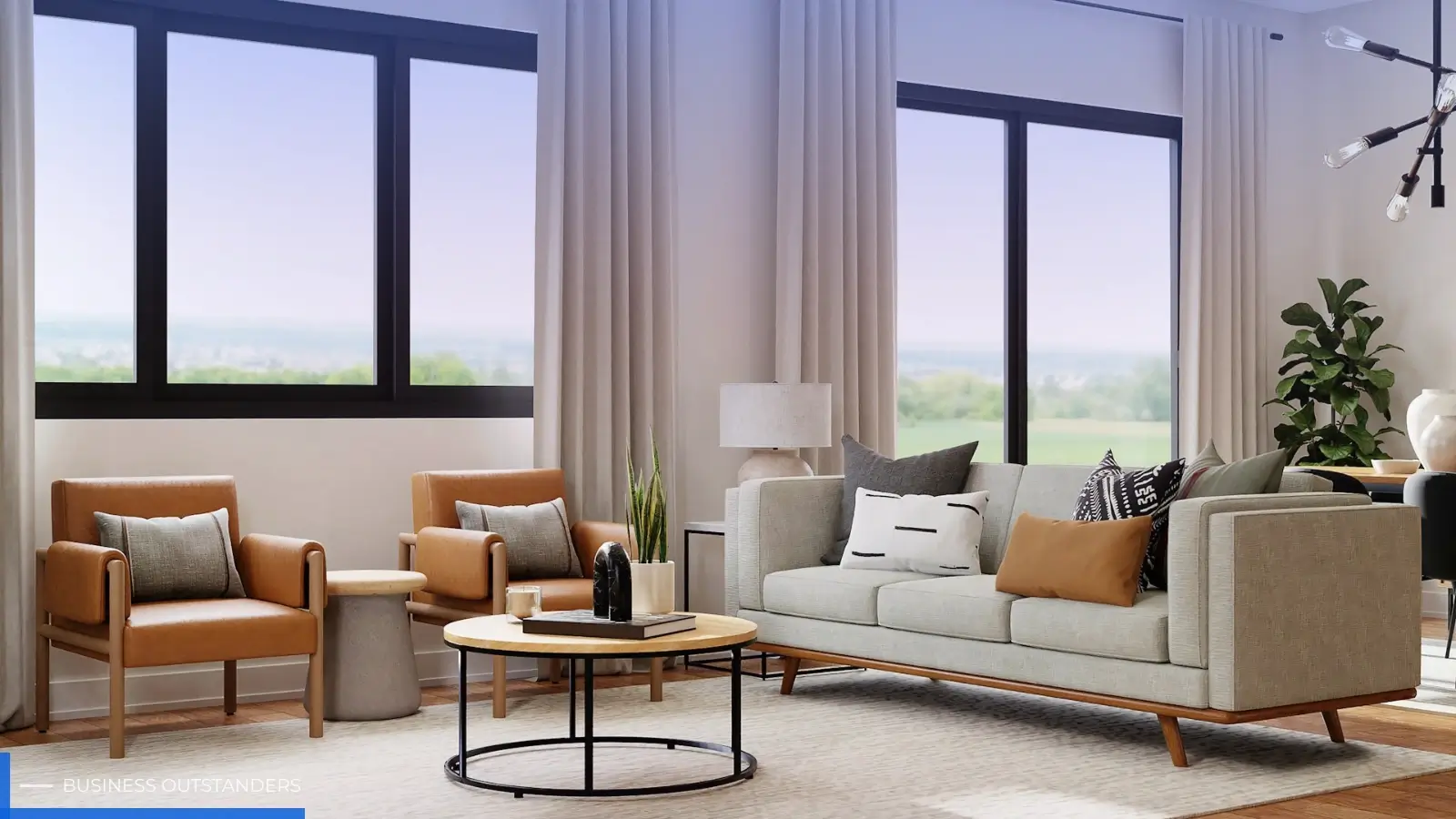
When families undertake permanent modifications to support high care needs, the primary goal should be to merge accessibility with a sense of calm. A purely clinical, sterile setup can negatively impact the mental health of both the patient and the caregiver. Instead, incorporating thoughtful, restorative design principles can significantly boost overall wellbeing, encourage independence, and improve recovery rates.
Consider integrating the following features when adapting a home for complex needs:
- Accessible Architecture: Widen doorways, install zero-threshold showers, and use slip-resistant flooring to enhance mobility. These changes can be made using warm, natural materials so the home does not feel overly institutional.
- Therapeutic Outdoor Areas: Create sensory gardens featuring raised planter boxes, safe pathways, and calming water elements. Consistent access to nature is proven to lower anxiety, reduce blood pressure, and improve mood for those with restricted mobility.
- Zoned Living Spaces: Separate intensive medical care areas from recreational zones. This separation helps the individual maintain a sense of normalcy and provides caregivers with a distinct, stress-free space to decompress away from medical equipment.
- Smart Home Technology: Utilise automated lighting, voice-controlled temperature settings, and electronic blinds. These modern tools give the individual greater environmental control and independence, which subsequently reduces the frequent physical demands placed on the primary caregiver.
- Optimised Natural Lighting: Maximise natural sunlight through larger windows or skylights. Natural light regulates circadian rhythms, promoting better sleep patterns for both the patient and the caregiver, which is critical for long-term health.
Fostering Long-Term Sustainability
Designing a living space for complex care requires much more than just meeting immediate physical and medical needs. It involves actively nurturing the mental and emotional health of everyone living under that roof. A truly restorative home respects the challenges of daily caregiving while providing a peaceful, functional backdrop for life to continue as normally as possible. By combining thoughtful, ergonomic home modifications with a strong commitment to caregiver wellness, families can navigate these daily hurdles successfully. Utilising professional support services, investing in accessible design, and prioritising mental health ensures that the home remains a safe sanctuary of healing, comfort, and long-term sustainability for years to come.
Business Outstanders brings you sharp insights on tech, business, entrepreneurship, law, crypto, and more. We uncover what’s next. Stay updated, sign up for our newsletter and be part of the future!