Borrowing money now looks nothing like it did just a few years ago. With websites that lay out every option side by side, filling forms on phones has become normal. Getting details about rates and terms takes seconds instead of days. Speed matters more today because waiting feels outdated. Tools built into apps guide choices without needing a visit to a bank. Information moves fast, so decisions do too. Convenience shapes what people expect each time they need funds.
Borrowing wisely sits at the heart of staying financially steady over time. Because every lender offers different terms, looking closely helps avoid surprises later. One payment missed can ripple through a budget, so knowing exactly what is owed matters just as much as how it fits into daily life. Before signing anything, stepping back to check income, expenses, and future risks makes a difference that few notice until it's too late.
Borrowing money isn’t staying still - knowing how finances work helps people move through shifts without stumbling. One step ahead often means understanding what comes next.
Understanding Interior Landscaping
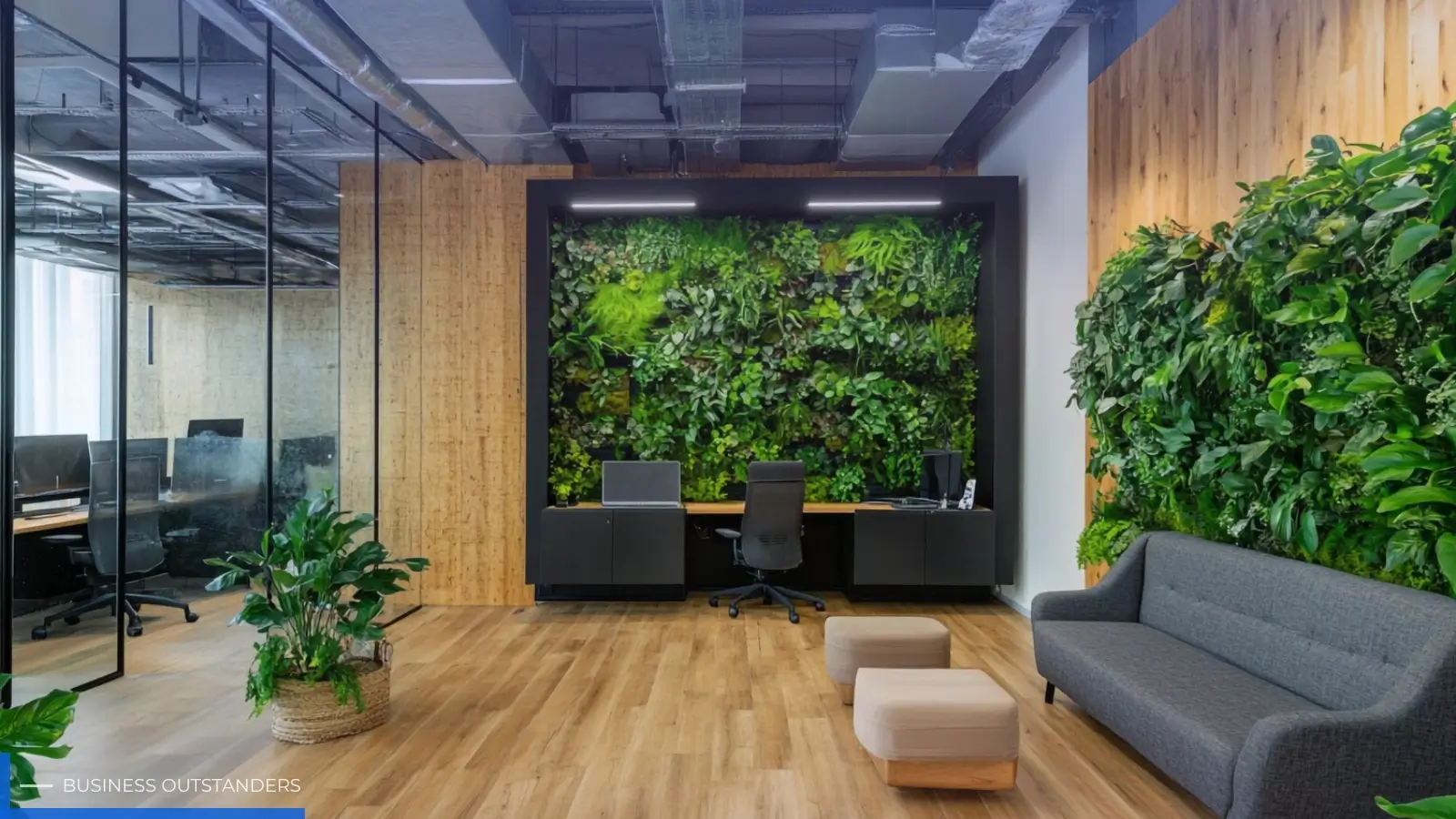
Inside spaces come alive when plants take root where people work and rest. Think tall palms near stairwells, moss tucked into corners, containers filled with leafy greens lined along hallways. Not just decoration - these pieces breathe life into cold floors and flat lighting. Walls grow upward with ivy tucked into modular frames. Even small shelves host tiny forests in ceramic bowls. What once felt static now shifts gently with seasons and care.
Plants inside buildings do more than just look nice. A thoughtfully arranged indoor garden changes moods, shapes behavior, and even affects conversations. Instead of cold walls and harsh lights, greenery brings warmth to offices built with steel, glass, and flat ceilings.
These days, biophilic design plays a big part in why indoor plants are showing up everywhere inside buildings. People feel better when nature is close by - that idea sits at the center of this approach. Instead of ignoring stuff outdoors, creators of offices and stores bring in wood, light from windows, small fountains, and even walls covered in moss. Spaces start feeling calmer once those pieces fit together.
The Relationship Between Green Spaces and Productivity
Inside office spaces, daylight shifts how people focus - plants nearby tend to spark clearer thinking. Noise fades into background when airflow feels steady, somehow making tasks simpler. Comfort wraps around routine, easing the mind just enough for ideas to rise. Satisfaction climbs without notice, tied less to rules and more to light falling right across a desk.
Most people find rooms filled with plants quieter on the mind, somehow softer than those stripped of living things. A leafy corner builds ease slowly, helping eyes stay fixed on work when minutes stretch thin. Where walls breathe with color and life, workers sometimes lean in closer to what they do, less likely to drift away midday.
Businesses exploring commercial interior landscaping in NYC often aim to create workspaces that support both professional performance and employee well-being. Green interiors can make offices feel more inviting while helping companies create a modern and professional atmosphere.
In collaborative spaces, indoor landscaping may also encourage communication and creativity among employees. Relaxed and visually balanced environments can support more positive workplace interactions.
Improving Indoor Air Quality
Breathing inside buildings matters more than people think. Office spaces often trap fumes from computers and plastic parts, yet get little fresh airflow. When air sits too long, workers might feel sluggish, develop sore heads, and lose ease. Machines hum, materials off-gas, windows stay shut - bodies respond slowly.
From leaves comes clean air when plants take in carbon dioxide and let out oxygen indoors. Some kinds of greenery pull toxins from the air while quietly raising moisture where offices feel too dry.
Plants won’t fix stale air, yet they might help when combined with better airflow solutions. Breathe easier at work, maybe feel better too - fewer sniffles, less irritation, just a small shift over time.
Supporting Employee Wellness
These days, looking after workers’ health matters a lot to companies. Firms are starting to see how good well-being can boost performance while also helping people stick around longer.
Plants inside buildings might help people feel calmer. Seeing green things often goes hand in hand with feeling less tense. A single pot on a table, maybe near a window, sometimes shifts how a room feels. Little changes like that tend to soften the air in busy workspaces.
Inside workplaces, moving at full speed, time mostly stays between walls. Plants bring quiet energy, softening spaces built too rigidly.
Plants tucked into a break space can give people pause - slowing thoughts just enough. Where seating feels inviting, conversations tend to flow without effort. Moments of rest take root more easily when the air holds green around it. Shared corners shaped like this often become quiet anchors through busy hours.
Sustainability and Eco-Friendly Design
These days, green thinking shapes how offices get built. Firms look hard at better spaces that also ease pressure on nature.
Plants inside buildings often go hand in hand with eco-friendly design choices. Instead of just decor, greenery helps keep spaces cooler and quieter at work sites. Some businesses prefer sustainability, picking pots made from reused stuff, along with watering setups that waste less. With living walls, nature slips into offices quietly - cutting heat, hushing sound.
A fresh green workspace might just tilt how people see a business. Folks who work there, those buying services, even firms they team up with - many notice when care for nature is built into daily choices.
When shoppers care more about the planet, companies focusing on green products can stand out. Those who act now might lead later.
Popular Trends in Interior Landscaping
Green walls climb up office spaces where floor room stays limited. Designers twist fresh looks into indoor nature using tech and bold choices. Vertical gardens grow fast in workplaces wanting life inside - no need to spread out wide.
Focal spots indoors now often include trees, thanks to their role in shaping space within open offices. Texture and color find a quiet presence through moss walls, which stick around with little need for care.
Out in the open, tech quietly shifts how we grow greens inside buildings. When lights adjust themselves, plants get what they need without guesswork. Water flows only when it should, thanks to sensors that know better. Less hands-on work shows up where it matters - stronger leaves, steady roots.
Out in the open, desks shift around - so do the plants near them. Some offices now roll their greenery along with the furniture. Modular planters fit wherever space allows, sliding into corners or down hallways. When teams rearrange, the gardens move too, piece by piece. Change happens fast; the setup keeps up without fuss.
Challenges of Indoor Plant Maintenance
Even with perks, indoor greenery needs a smart setup plus steady care. Plants inside live better when the light fits their needs, while water comes regularly. Humidity matters just as much as how warm or cool the air feels. Without attention to these details, leaves droop, and growth slows.
Because sunlight often falls short indoors, picking suitable plants matters a lot in workplaces. When care slips, greenery shows it fast - dull leaves, weak stems, signs of struggle appear without warning.
Big companies often turn to experts to take care of their plants throughout the year. Because when upkeep happens on schedule, it keeps indoor greenery looking good while also helping it last longer.
Before rolling out big green plans, companies need to think about real-world details - like whether staff have allergies, how much room there is, or what shape the building is in.
Conclusion
Even with advantages, indoor greenery needs careful setup along with regular care afterward. Plants inside buildings thrive only when light matches their needs, while watering follows a steady pattern - humidity stays balanced too, just like surrounding warmth.
Most offices don’t get much sun, so picking plants that thrive there makes a big difference. When care slips, even hardy greens start looking weak and dull soon after.
Most big companies turn to experts to keep their plants healthy all year round. Because without steady attention, indoor greenery can lose its appeal fast. A solid upkeep routine supports appearance while boosting how long installations last. When cared for properly, office plants thrive instead of just surviving.
Most companies look at green plans without checking if staff have allergies first. Space limits often shape what changes are even possible inside a workplace. Building age matters just as much when adding plants on a wide level.
Business Outstanders brings you sharp insights on tech, business, entrepreneurship, law, crypto, and more. We uncover what’s next. Stay updated, sign up for our newsletter and be part of the future!