Introduction: Understanding the Importance of Renovations
Renovations are a critical aspect of maintaining and enhancing the functionality, aesthetics, and value of any property. Whether for a residential home, commercial space, or office environment, renovations provide the opportunity to modernize, repair, or customize spaces to meet current needs and personal preferences. Many property owners underestimate the transformative potential of renovations, seeing them only as disruptive or expensive undertakings. In reality, renovations offer long-term benefits that can significantly improve the comfort, efficiency, and overall appeal of a property. Well-planned and executed renovations not only address functional issues, such as outdated wiring, plumbing, or structural concerns, but they also offer an avenue to incorporate contemporary design trends, energy-efficient solutions, and space optimization. Beyond the immediate practical benefits, renovations often increase property value and marketability, making them an essential consideration for those planning to sell or lease their property in the future. Properly executed renovations ensure that a space remains both aesthetically pleasing and functionally practical, striking a balance between style, utility, and investment value.
Planning Renovations: The Foundation for Success
The success of any renovation project begins with careful and thorough planning. This stage involves identifying goals, assessing the current condition of the property, setting a budget, and establishing a timeline. Clear planning reduces the risk of unexpected costs, delays, and unsatisfactory outcomes. Property owners should begin by determining which areas require improvement, whether structural upgrades, cosmetic changes, or functional enhancements. Consulting with professionals, such as architects, designers, and contractors, is critical to understanding the feasibility, cost implications, and design possibilities for each renovation. Setting a realistic budget is equally important, as renovations often reveal hidden issues that can increase costs. A comprehensive plan accounts for potential contingencies, ensuring that the project can proceed smoothly without financial strain or compromise on quality. Additionally, a well-structured timeline helps coordinate various phases of renovations, from demolition to finishing touches, minimizing disruptions and keeping the project on track. Strategic planning lays the groundwork for a successful renovation that meets both practical and aesthetic objectives.
Design Considerations in Renovations
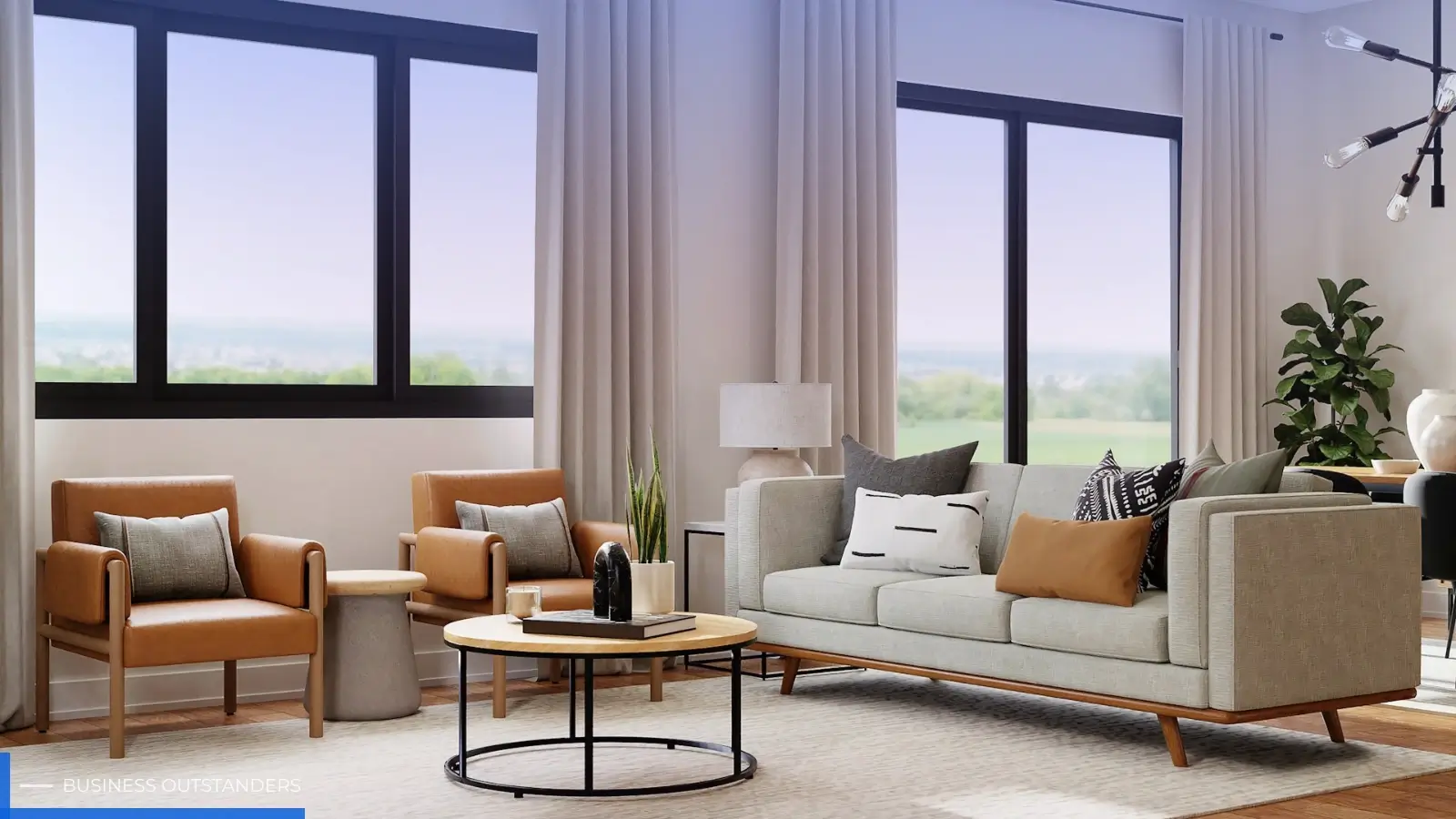
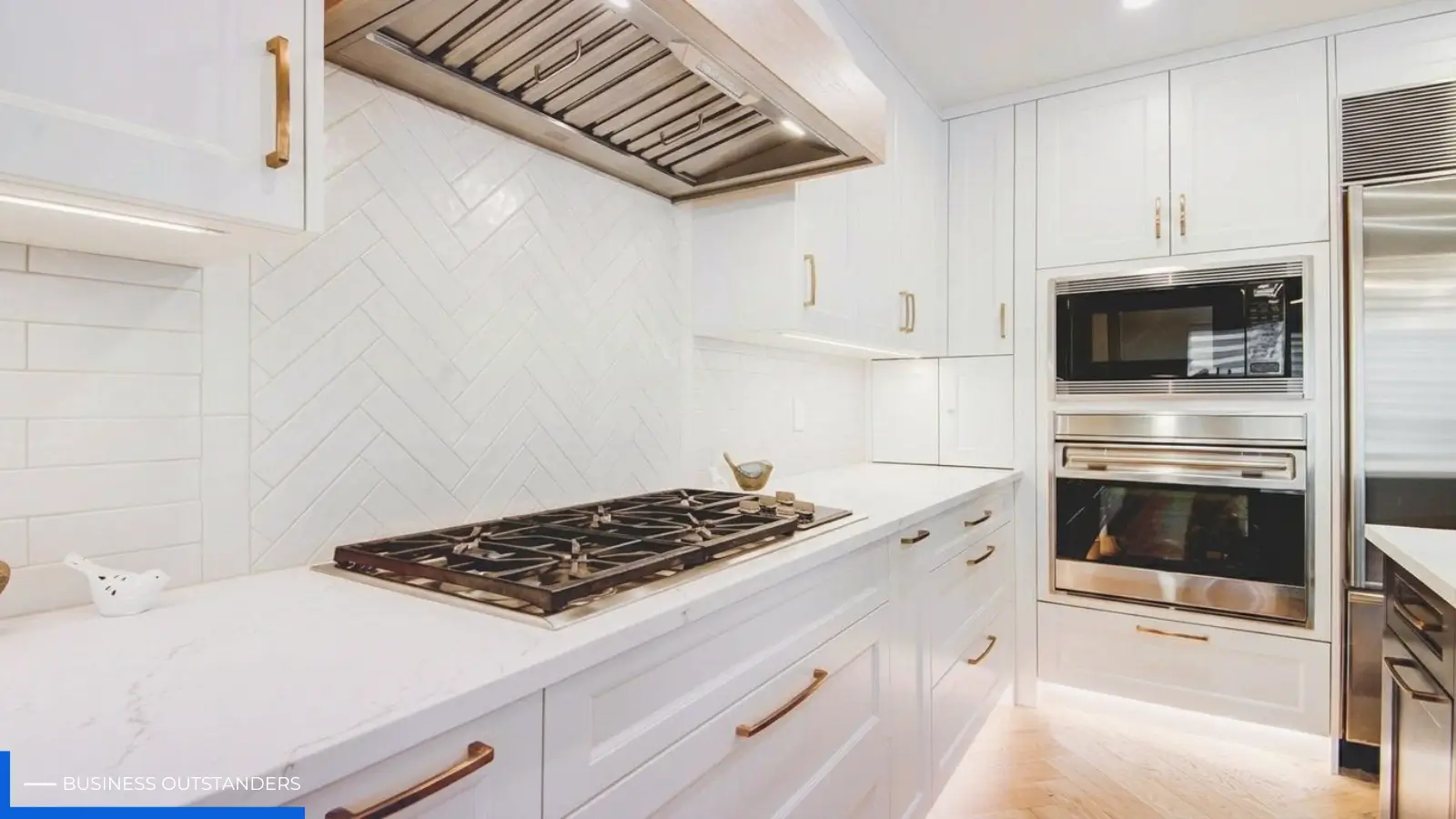
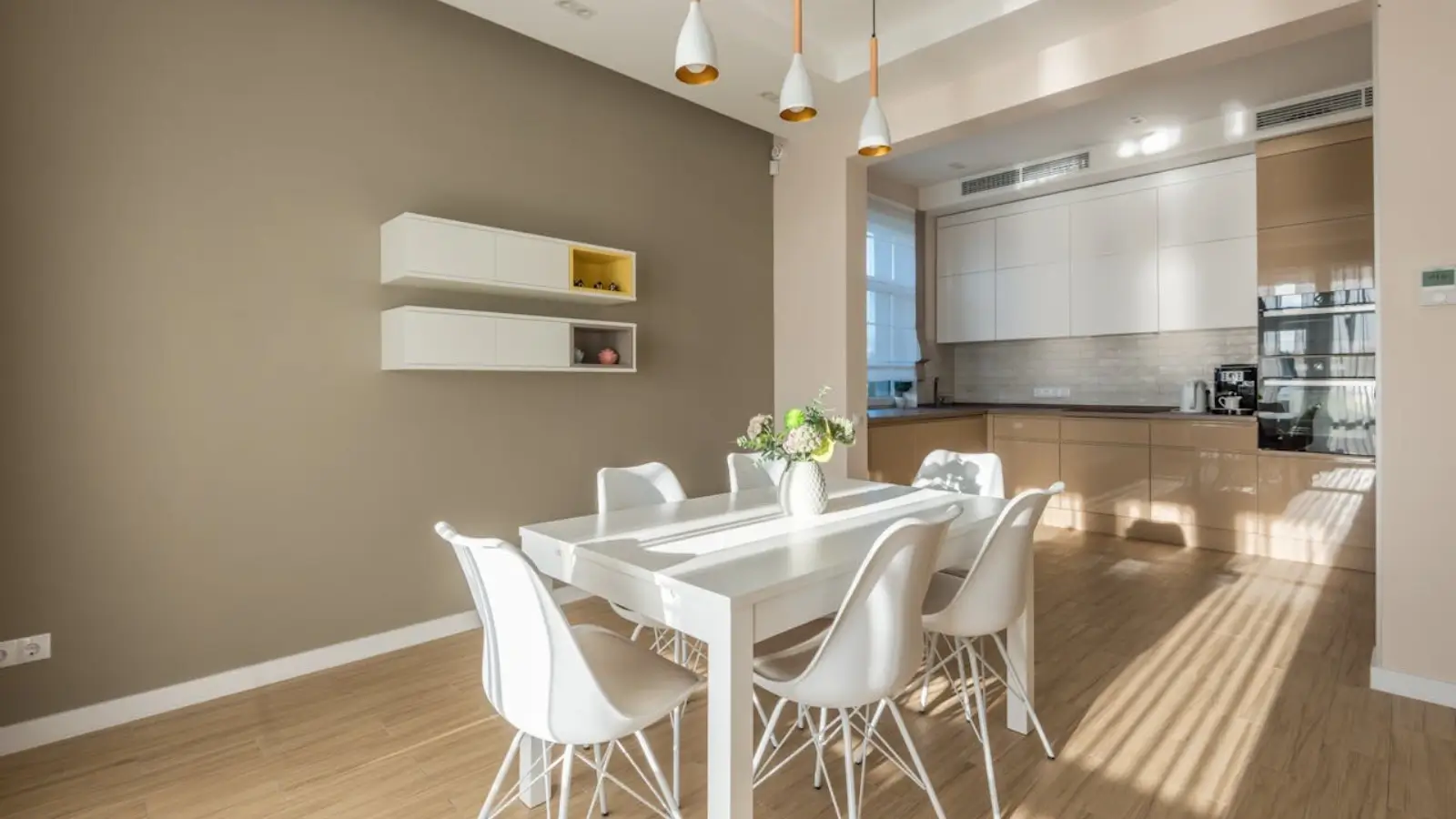
Design plays a pivotal role in determining the effectiveness and impact of renovations. Whether updating an outdated kitchen, remodeling a bathroom, or transforming living spaces, the design should reflect both personal style and functional needs. Modern renovations often incorporate open floor plans, natural light, energy-efficient appliances, and sustainable materials to create spaces that are visually appealing and environmentally conscious. Functionality is equally important; every design choice should enhance the usability of the space, optimizing layout, storage, and accessibility. During the design phase, homeowners or business owners should consider long-term lifestyle changes and how the renovated space will meet future needs. Involving experienced interior designers can provide insights into trending materials, color palettes, and innovative solutions that balance aesthetics with practicality. Thoughtful design ensures that renovations not only improve the current condition of a property but also future-proof it, creating a harmonious environment that enhances comfort, convenience, and visual appeal for years to come.
Financial Planning and Budgeting for Renovations
A significant factor influencing the success of renovations is financial planning. Cost overruns are among the most common challenges in renovation projects, often caused by underestimating expenses, unexpected complications, or changes in project scope. To mitigate financial risks, property owners should develop a detailed budget that includes labor, materials, permits, design fees, and a contingency fund for unforeseen expenses. Researching average costs for materials and labor in advance helps set realistic expectations and prevents delays caused by budget constraints. Additionally, prioritizing renovation tasks based on necessity and impact ensures that critical improvements are addressed first, while optional enhancements can be scheduled later. Financing options, such as personal savings, home equity loans, or specialized renovation loans, should be carefully evaluated to determine the most suitable method for funding the project. By integrating careful budgeting into the planning process, property owners can maintain control over expenses while achieving high-quality results that maximize the value and appeal of their property.
Selecting Professionals for Renovations
The quality and success of renovations largely depend on the professionals involved in the project. Choosing experienced and reputable contractors, architects, and designers is essential to ensure that renovations are completed on time, within budget, and according to specifications. Property owners should conduct thorough research, check references, and review portfolios of completed projects to assess the expertise and reliability of potential professionals. Clear communication is critical during renovations, as misunderstandings or lack of coordination can lead to mistakes, delays, or unsatisfactory outcomes. Defining roles and responsibilities, establishing a schedule of progress checks, and maintaining open lines of communication throughout the project fosters accountability and ensures that all parties are aligned with the renovation goals. Working with skilled professionals not only guarantees superior craftsmanship but also provides guidance on design choices, regulatory compliance, and practical solutions that can enhance the overall effectiveness and longevity of renovations.
The Renovation Process: From Start to Finish
The renovation process typically follows a structured sequence of stages, each requiring careful attention and coordination. The first stage often involves an assessment of the existing property, identifying areas for improvement and potential challenges. This is followed by planning and design, where layouts, materials, and aesthetic elements are finalized. Once plans are approved, demolition or preparatory work begins, creating a clean slate for construction. The construction phase may involve structural modifications, electrical and plumbing updates, installation of fixtures, and finishing touches such as flooring, cabinetry, or painting. Quality control checks throughout the process ensure that work is consistent with plans and meets established standards. Finally, post-renovation inspections verify that the project has achieved its intended goals, addressing any minor issues before the space is fully utilized. Following a structured process ensures that renovations proceed efficiently, safely, and effectively, producing outcomes that are both visually impressive and functionally superior.
Enhancing Property Value Through Renovations
One of the primary motivations for undertaking renovations is to increase the value of a property. Strategic improvements, such as upgrading kitchens and bathrooms, installing energy-efficient systems, or enhancing curb appeal, can significantly boost market value and attractiveness to potential buyers or tenants. Renovations that focus on functionality, aesthetics, and durability tend to provide the highest return on investment, ensuring that property owners can capitalize on their expenditures when selling or leasing. In addition to financial benefits, renovations improve the overall quality of living or working environments, making spaces more comfortable, appealing, and adaptable to modern needs. Property owners should carefully consider which renovations deliver the greatest impact on value, balancing aesthetic appeal with practicality and long-term functionality. By prioritizing high-impact improvements, renovations become a strategic tool that not only enhances the immediate usability of a space but also strengthens its long-term market competitiveness.
Challenges and Considerations in Renovations
Despite their benefits, renovations present several challenges that require careful management. Unexpected structural issues, delays in material delivery, labor shortages, or regulatory hurdles can disrupt timelines and increase costs. Proper preparation, thorough research, and contingency planning are essential to address these challenges effectively. Clear communication with professionals and adherence to detailed plans help mitigate risks and prevent costly mistakes. Additionally, balancing personal preferences with practical limitations, budget constraints, and design considerations is often necessary to achieve a successful renovation. Flexibility and problem-solving skills are invaluable during the renovation process, allowing property owners to adapt to unforeseen circumstances without compromising the quality or functionality of the finished space. By anticipating challenges and proactively addressing potential obstacles, renovations can proceed smoothly and deliver results that meet both aesthetic and practical expectations.
Sustainability and Modern Renovations
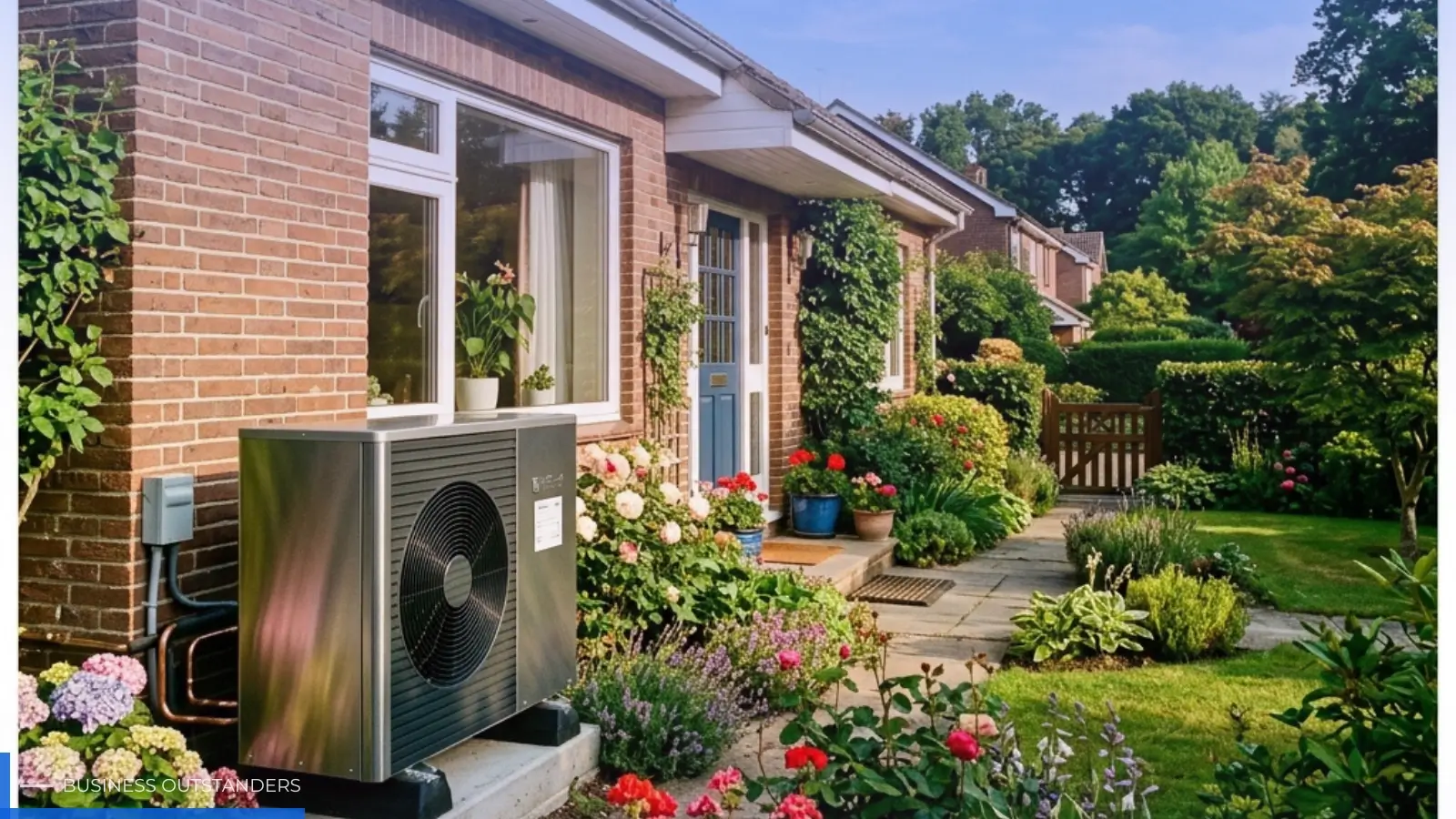
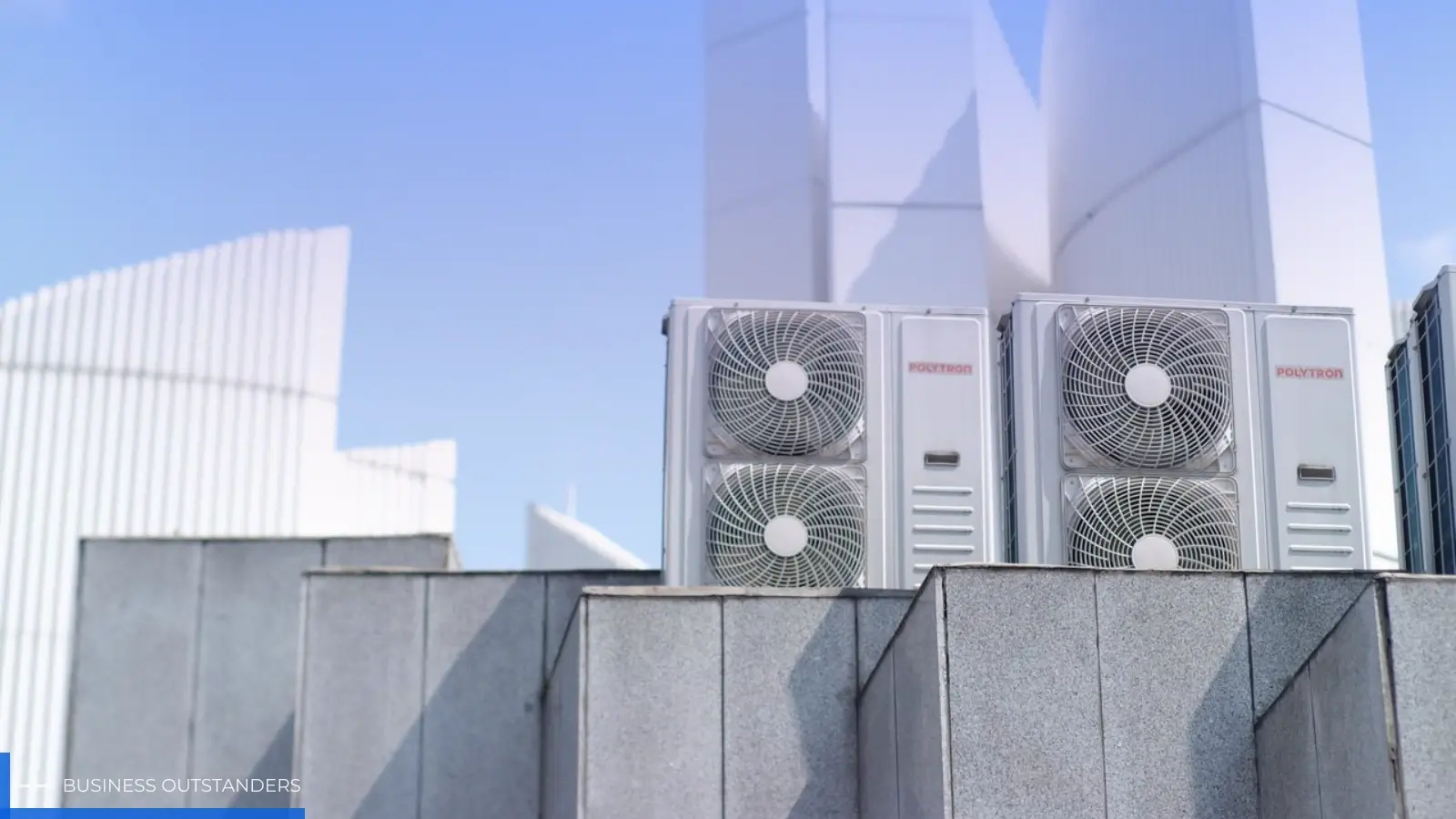
Modern renovations increasingly prioritize sustainability and environmental responsibility. Incorporating energy-efficient lighting, insulation, heating and cooling systems, and water-saving fixtures reduces environmental impact while lowering utility costs. Sustainable materials, such as reclaimed wood, low-VOC paints, and recycled components, contribute to a healthier living environment while supporting eco-friendly practices. Additionally, designing spaces for maximum natural light, ventilation, and insulation enhances energy efficiency and occupant comfort. Sustainable renovations not only appeal to environmentally conscious homeowners and tenants but also increase property value by meeting contemporary standards for energy efficiency and environmental stewardship. Integrating sustainability into renovation planning ensures that spaces are not only visually appealing and functional but also aligned with global trends and long-term ecological considerations.
Conclusion: The Lasting Impact of Renovations
Renovations are more than just a series of upgrades; they are strategic investments in the functionality, aesthetic appeal, and long-term value of a property. Successful renovations require careful planning, thoughtful design, meticulous budgeting, and the involvement of skilled professionals. They offer transformative benefits, including enhanced comfort, improved efficiency, increased property value, and the ability to tailor spaces to individual or organizational needs. By approaching renovations with a structured and strategic mindset, property owners can achieve results that are both visually striking and practically functional. Emphasizing quality, sustainability, and long-term planning ensures that renovations deliver lasting benefits. Engaging in well-executed renovations not only addresses immediate issues and aesthetic goals but also creates a foundation for future growth, adaptability, and enhanced property value. Thoughtful renovations become a reflection of careful planning, smart investment, and a commitment to creating spaces that are functional, beautiful, and enduring. Ultimately, choosing renovations as a priority ensures that property owners maximize both the present and future potential of their spaces, resulting in environments that are more comfortable, efficient, and appealing. Well-planned renovations empower property owners to transform their spaces into assets that provide lasting value, adaptability, and enjoyment for years to come.
Business Outstanders brings you sharp insights on tech, business, entrepreneurship, law, crypto, and more. We uncover what’s next. Stay updated, sign up for our newsletter and be part of the future!