Introduction:
Proper waste management is a critical aspect of maintaining cleanliness, safety, and sustainability in homes and businesses. Dumpster rentals offer a practical and efficient solution for managing large volumes of waste, whether during home renovations, construction projects, commercial cleanouts, or community events. By providing a centralized location for disposing of various types of waste, dumpster rentals streamline the process, reduce clutter, and ensure that materials are disposed of responsibly.
Whether for residential or commercial purposes, renting a dumpster allows property owners to handle debris, recyclables, and other waste without the logistical challenges of frequent trips to landfills or transfer stations. With professional waste management companies offering flexible rental options, dumpsters are an effective tool for keeping spaces clean, organized, and compliant with environmental regulations.
Understanding Dumpster Rentals
A dumpster rental service provides customers with a large, durable container designed to hold significant quantities of waste. These containers come in various sizes, typically ranging from 10 to 40 cubic yards, to accommodate different project requirements. The rental process usually includes delivery of the dumpster, temporary placement at the property, pickup, and proper disposal of the contents by the service provider.
Common Types of Dumpsters
-
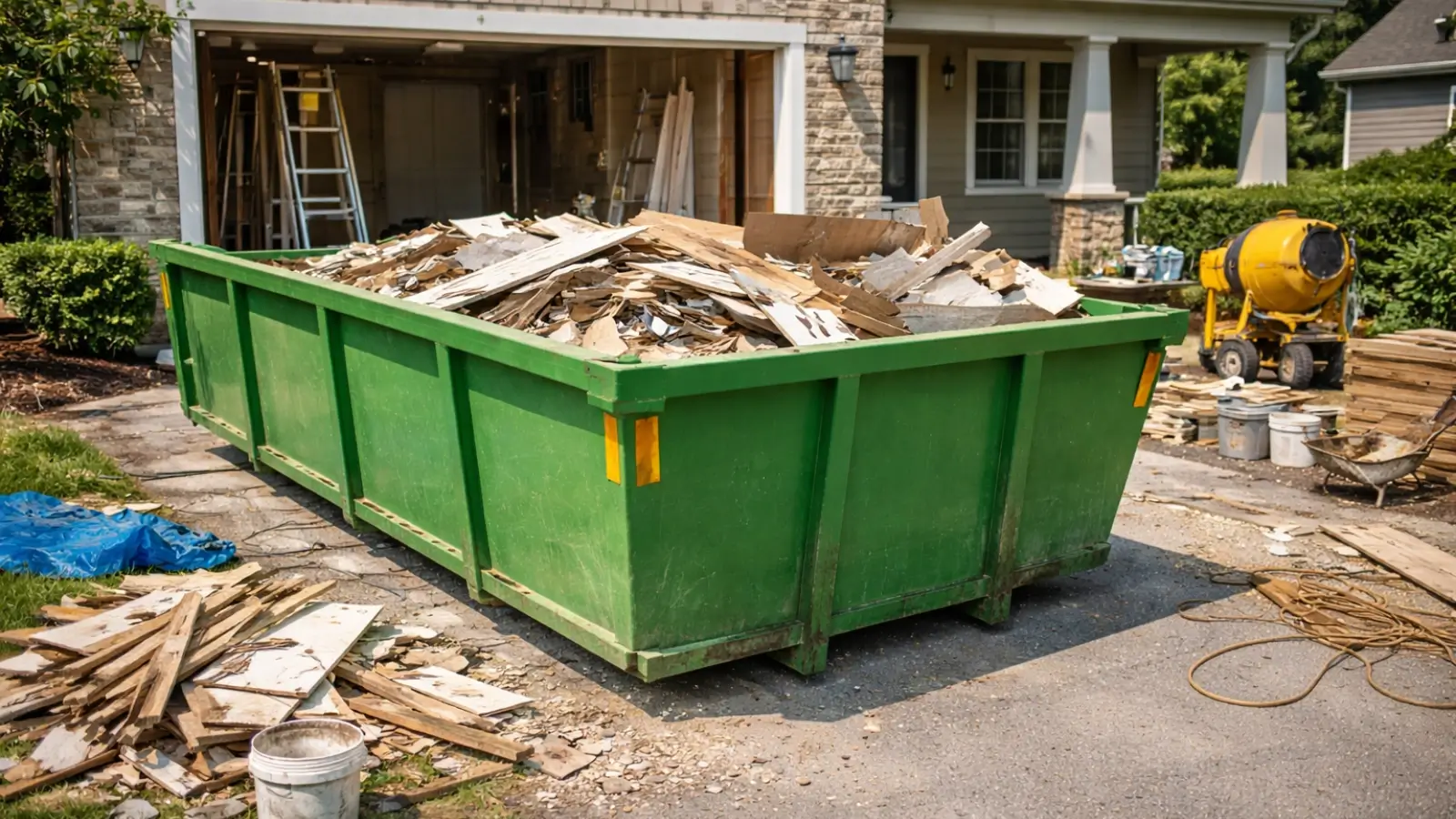
Residential Dumpsters: Ideal for home cleanouts, yard waste, or small renovation projects. Sizes are usually smaller, making them easy to fit in driveways.
-
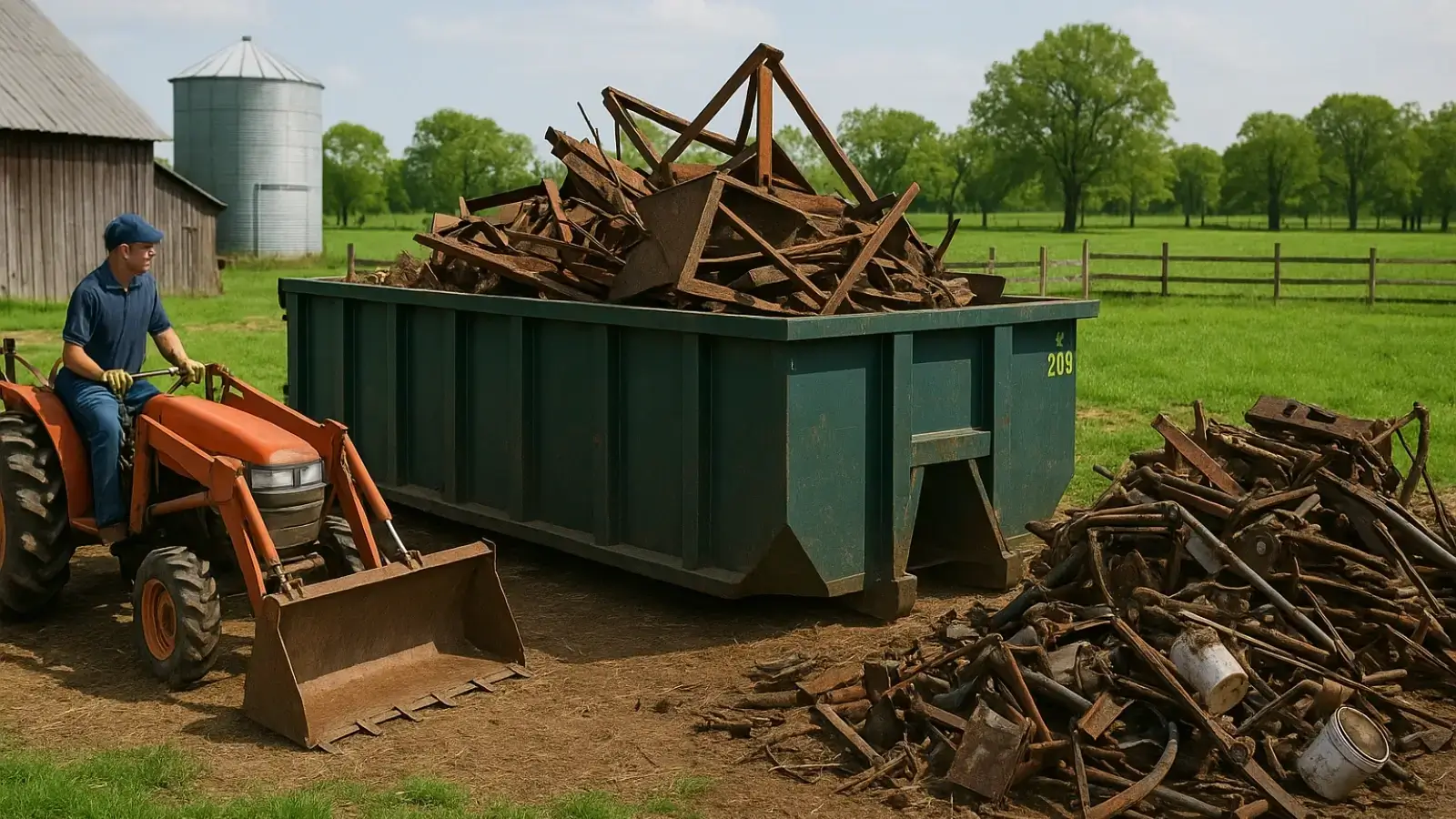
Construction Dumpsters: Designed for construction and demolition debris, these dumpsters are larger and more robust to handle heavy materials such as concrete, wood, and metal.
-
Roll-Off Dumpsters: Standard containers used for both commercial and residential projects. Their open-top design allows easy disposal of bulky items.
-
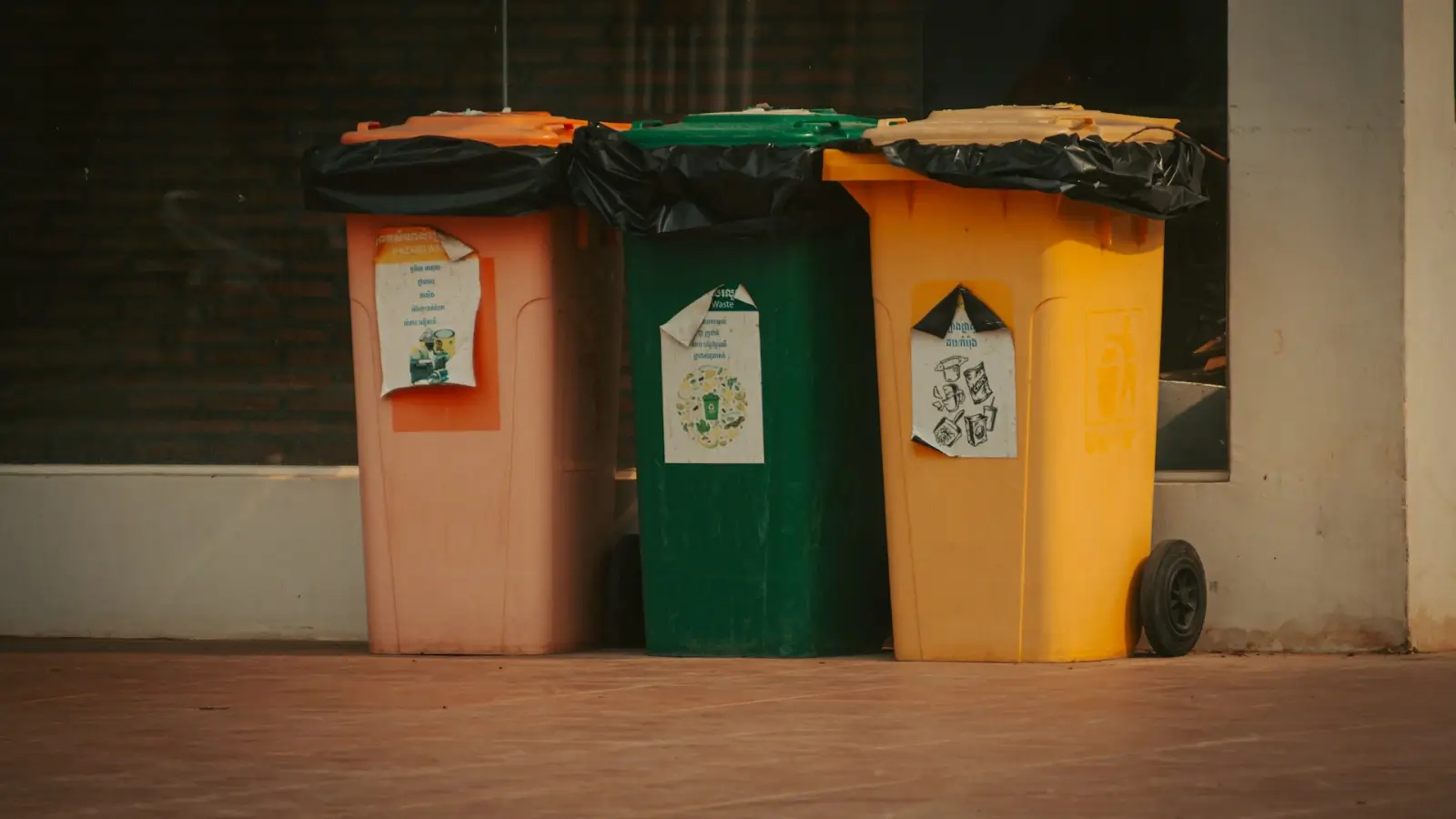
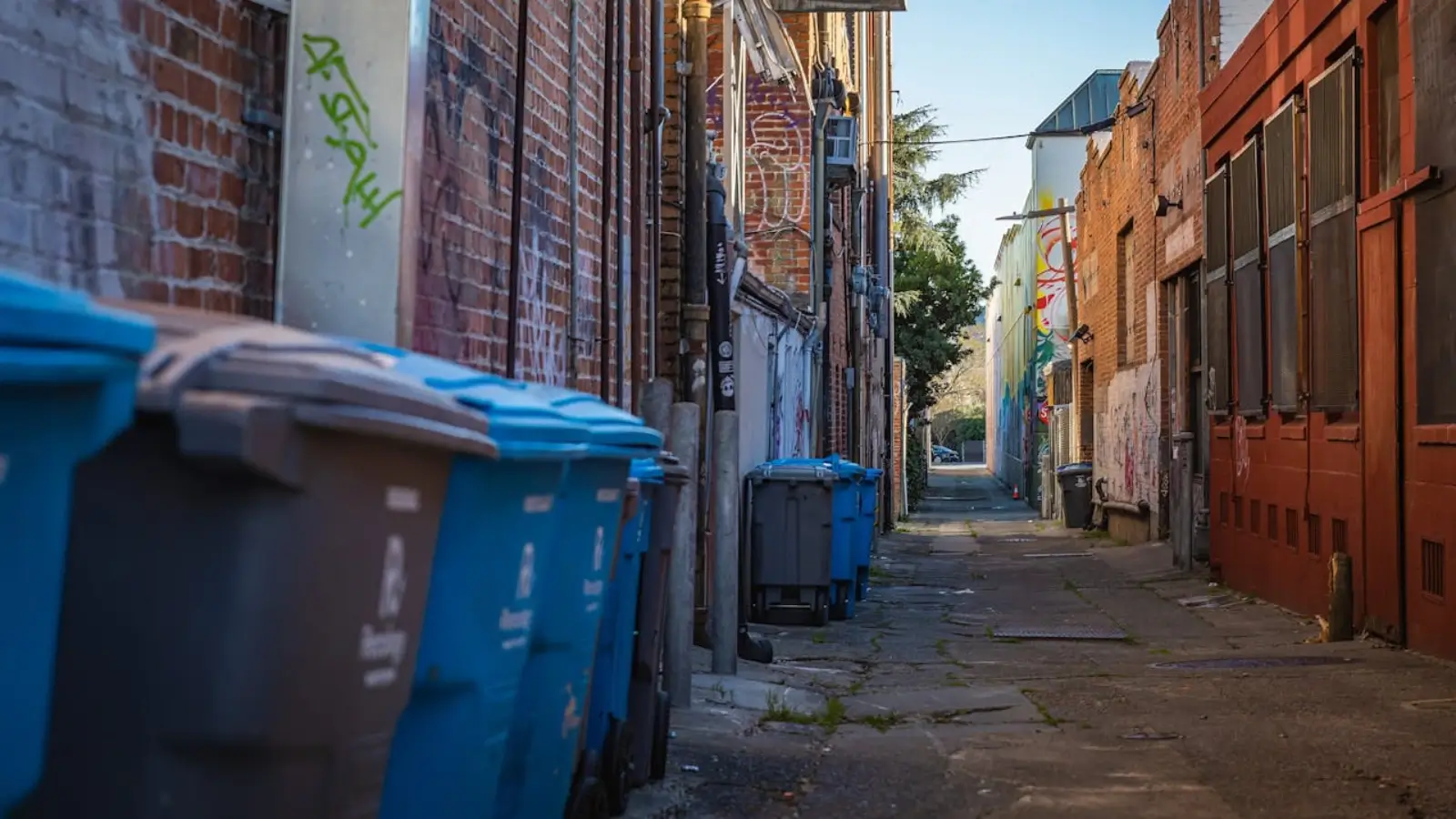
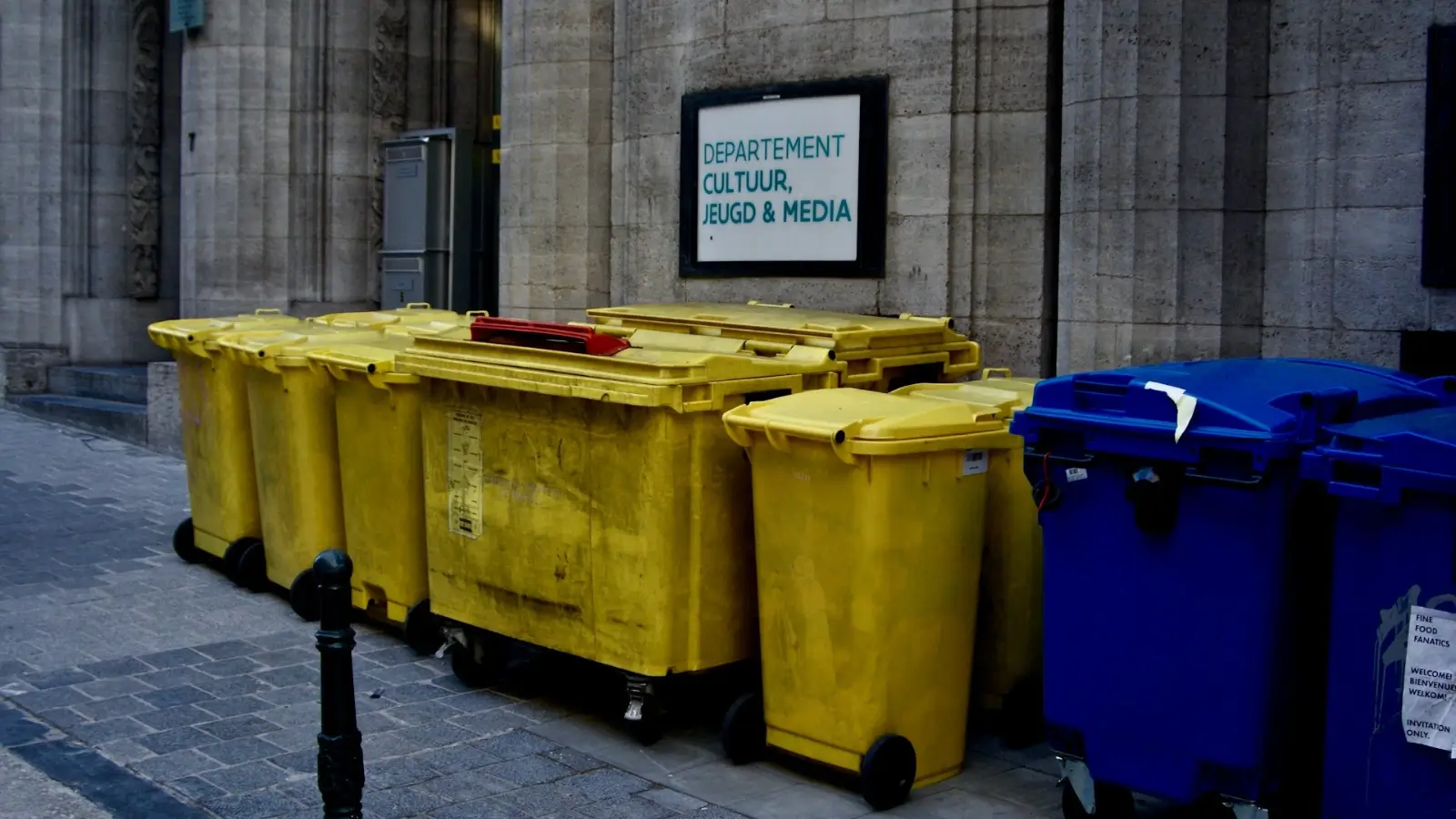
Recycling Dumpsters: Used specifically for recyclable materials such as cardboard, metal, plastics, and paper, promoting sustainable waste management practices.
Benefits of Dumpster Rentals
Dumpster rentals provide numerous advantages for homeowners, contractors, and businesses alike:
1. Efficient Waste Collection
Having a dedicated dumpster ensures that all debris is contained in a single location, reducing the need for multiple trips to the landfill. This efficiency saves time and minimizes disruption during construction, renovation, or cleanout projects.
2. Enhanced Safety and Cleanliness
Accumulated waste can pose hazards such as tripping, contamination, and fire risks. Dumpsters keep debris contained and off the ground, maintaining a safer environment for workers, residents, and visitors.
3. Compliance with Regulations
Many municipalities have strict waste disposal regulations, particularly for construction debris or hazardous materials. Professional dumpster rental services ensure that waste is disposed of in accordance with local laws and environmental guidelines.
4. Cost-Effective Solution
Dumpster rentals are more economical than hiring multiple trips with pickup trucks or paying for sporadic waste collection services. Flat-rate pricing and flexible rental periods allow users to budget effectively for their projects.
5. Versatility for Various Projects
Whether you are undertaking a small home renovation, a large construction project, or a commercial property cleanout, dumpster rentals can be scaled to fit the volume and type of waste generated.
How to Choose the Right Dumpster
Selecting the appropriate dumpster size and type is crucial for efficient waste management. Consider the following factors:
-
Project Size: Small home projects may require a 10-15 yard dumpster, while large construction or demolition projects may need 30-40 yard containers.
-
Type of Waste: Different materials require different handling. Ensure the rental company can accommodate the specific waste you generate.
-
Placement: Consider available space for delivery and pickup. Driveway or yard access should be clear for easy loading.
-
Rental Duration: Estimate the time required to complete your project. Most companies offer flexible rental periods from a few days to several weeks.
-
Budget: Compare pricing among rental services, including delivery, pickup, and disposal fees.
Best Practices for Using Dumpster Rentals
To maximize the benefits of dumpster rentals, follow these guidelines:
-
Proper Segregation: Separate recyclables, hazardous waste, and general debris to ensure compliance with disposal regulations.
-
Even Loading: Distribute weight evenly to prevent tipping or overloading the dumpster.
-
Avoid Prohibited Items: Do not place hazardous chemicals, tires, batteries, or electronics unless the company accepts them.
-
Secure Placement: Ensure the dumpster is on a level surface and does not obstruct traffic or violate local ordinances.
-
Timely Pickup: Schedule the pickup once your project is complete to avoid unnecessary fees or clutter.
Environmental Considerations
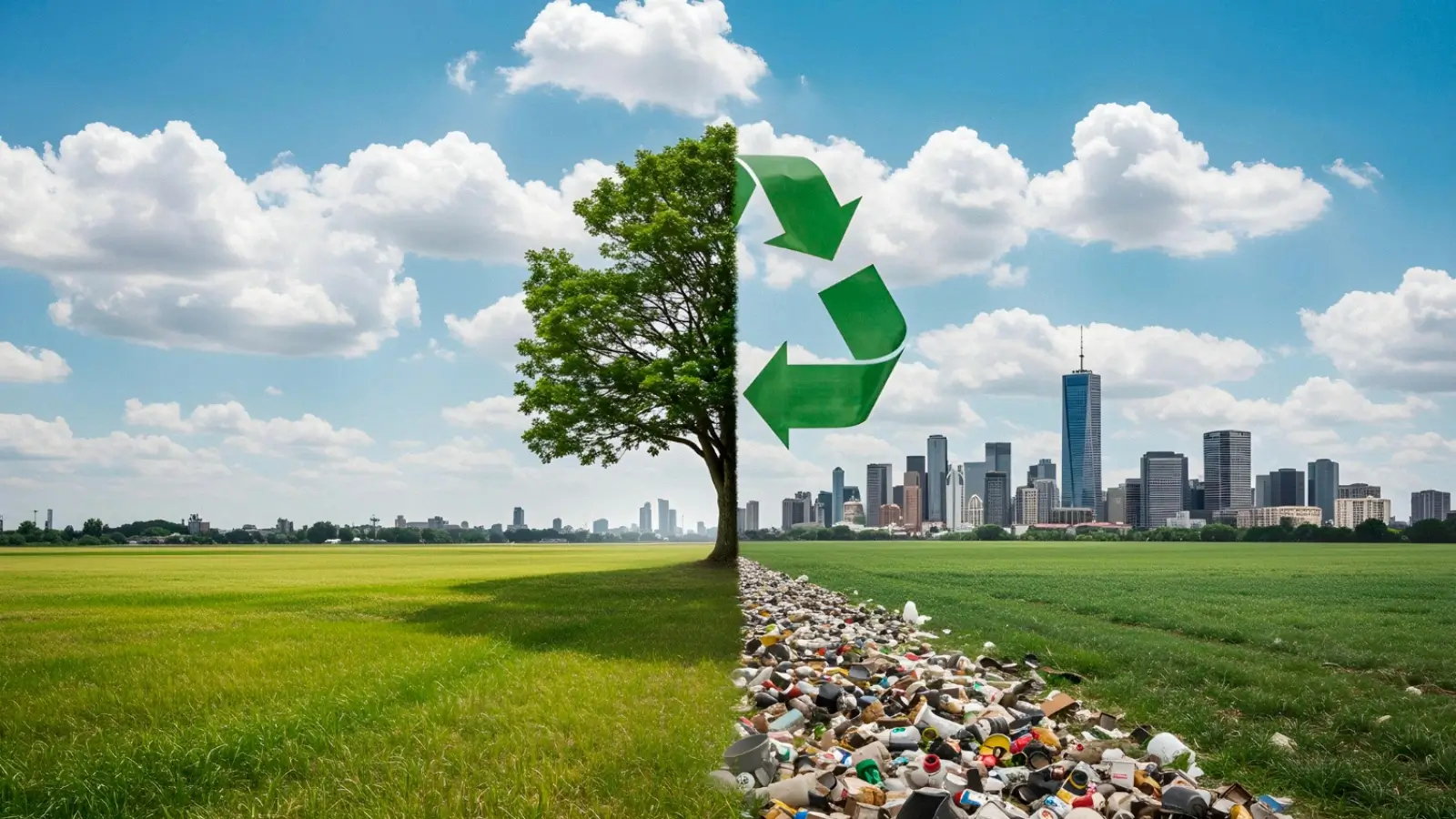
Dumpster rentals contribute to environmentally responsible waste management by allowing proper sorting and disposal of materials. Many rental services collaborate with recycling centers and landfill operators to minimize the environmental impact. Using dumpsters for separating recyclables and compostable materials helps reduce landfill waste, conserve natural resources, and promote sustainable practices.
Conclusion
Dumpster rentals offer an efficient, safe, and cost-effective solution for managing waste in residential and commercial settings. They simplify debris collection, enhance safety, support environmental compliance, and accommodate projects of all sizes. Whether you are renovating a home, managing a construction site, or conducting a property cleanout, a dumpster rental service ensures that your waste is contained, organized, and disposed of responsibly.
Investing in a dumpster rental is not just about convenience—it is a smart, practical choice for efficient waste management, helping maintain clean spaces and promoting sustainable practices for a healthier environment.
Business Outstanders brings you sharp insights on tech, business, entrepreneurship, law, crypto, and more. We uncover what’s next. Stay updated, sign up for our newsletter and be part of the future!