Protecting buildings and people: Why professional asbestos and mold remediation matters
— Even mold, while seemingly surface level, can run deeper and there is often no DIY fix.
When we talking about the integrity of a building, many just think of its architecture and load-bearing walls, not the health of its indoor environment. But for property owners in the US, and particularly in states like Massachusetts, legacy building materials pose a huge and hidden threat.
There is no surface level quick fix to asbestos - it need deep and specialized expertise that complies with state regulations. Even mold, while seemingly surface level, can run deeper and there is often no DIY fix.
Asbestos in older homes
Asbestos was a staple in construction, ironically for health reasons (fire resistance) and because it was durable. As these materials age though, or become disturbed, they release microscopic fibers that can be fatal to humans. Whether found in pipe insulation or exterior siding, these hazardous materials require a regulated approach known as asbestos abatement.
To encourage the importance of safety, homeowners look for asbestos removal grants Massachusetts to help offset the costs of the remediation. Through the mass save asbestos removal rebate, eligible residents can find financial support when removing such hazardous materials as part of home energy improvements.
Certified professionals are a must so that you adhere to the environmental safety standards. Remember, EPA classifies asbestos as a known human carcinogen. Where energy efficiency and abatement come together, you get a fairly unique opportunity where environmental safety becomes the gateway to modernizing a building's thermal performance - all with financial help.
The persistence of mold and moisture
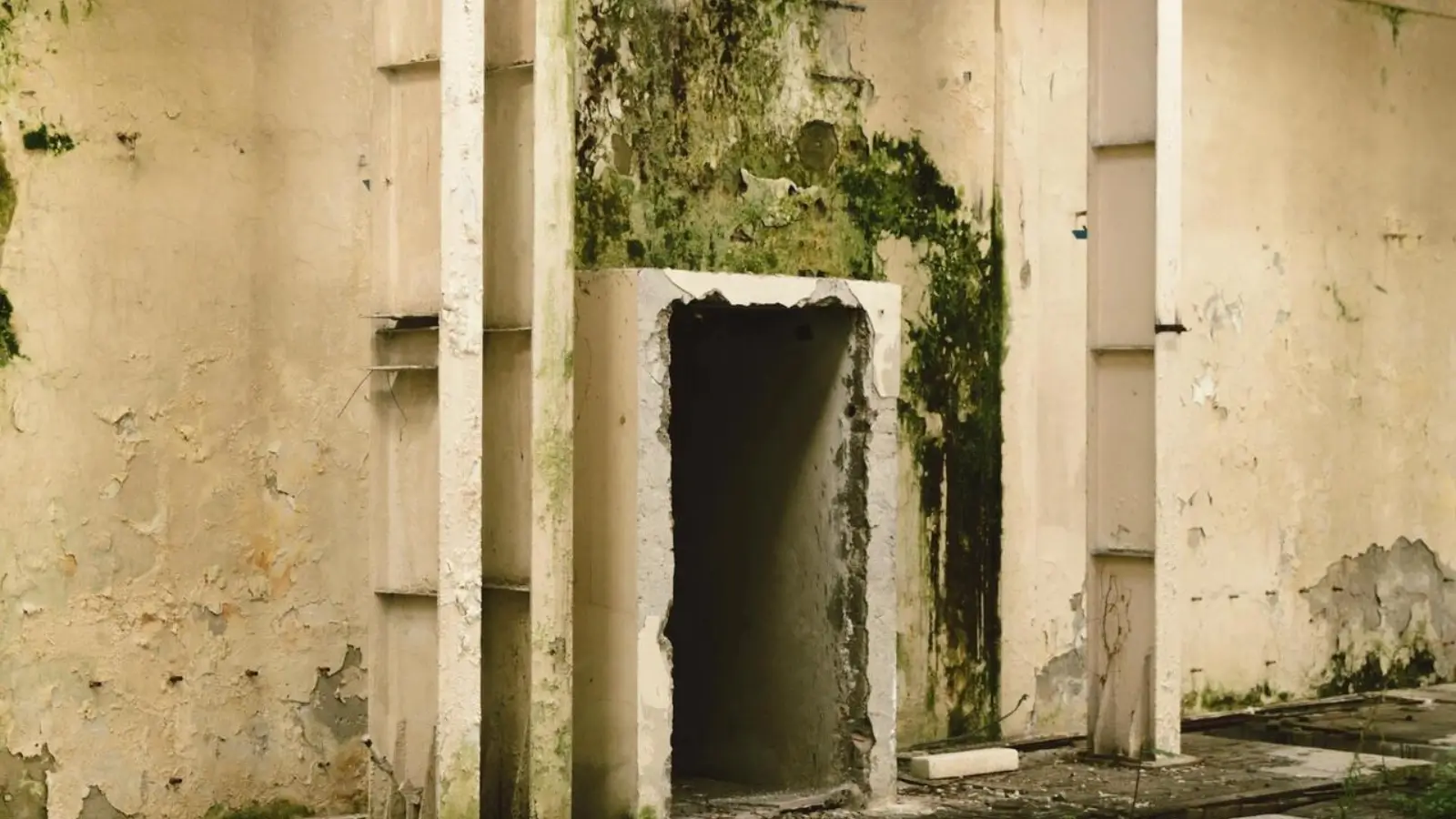
Asbestos is a legacy issue (once it’s gone, it’s gone), but mold is a recurring threat that comes from humidity and poor ventilation (and perhaps leaks and poor insulation). Mold growth can really compromise the structural integrity of a building and really diminish indoor air quality - it’s super unhealthy to breathe in, especially if you already have problems like asthma. Effective mold remediation Massachusetts is again needed.
Professional mold removal uses some pretty advanced tech, like moisture mapping and HEPA filtration air scrubbing, all to identify the root cause of the growth. Eliminating the airborne spores is important for short-term health, but finding the cause is needed for a long-term solution, which is why DIY attempts is often an ongoing, never-ending battle.
The World Health Organization identifies indoor dampness as a driver of asthma and respiratory infections. Because mold is biological, not a static mineral, it means fixing it requires you to view it as part of the building’s ecosystem, not just a chemical application approach.
Why professional intervention is needed
Attempting to handle environmental hazards as a DIY project isn’t just naive, but may potentially exacerbate the problem. Without proper containment and specialized equipment, toxins can be dispersed through HVAC systems, turning a local issue into a building-wide risk. Licensed professionals are strictly trained, have top gear, and ultimately provide peace of mind through asbestos testing.
Health and property value
Looking into environmental remediation can be seen as an investment just as much as a cost. It helps with the longevity and value of a property. Property restoration can remove the liabilities that often hinder real estate transactions, and it opens the door to renovations that were otherwise restricted, as to not disturb the asbestos. Both can be invisible killers, and to lead a healthy life, both need to be treated with seriousness.