Key Takeaways
- Recognizing sandblasting hazards is fundamental for targeted risk prevention.
- Wearing and maintaining the correct personal protective equipment (PPE) is non-negotiable for reducing injuries and health problems.
- Effective safety requires both regular equipment maintenance and clear worksite protocols.
Table of Contents
- Understanding Sandblasting Hazards
- Personal Protective Equipment (PPE)
- Safe Operating Procedures
- Equipment Maintenance and Inspection
- Training and Education
- Regulatory Compliance
- Emergency Preparedness
- Conclusion
Industrial sandblasting is a powerful method for cleaning, smoothing, or shaping tough surfaces in manufacturing, restoration, and construction. However, this abrasive process can present serious risks to operators if proper safety measures are not in place. Whether you are an experienced contractor or new to the field, prioritizing safety within your facility is critical for workers and long-term productivity. By implementing core practices and leveraging advanced solutions such as Air blast AFC finishing systems, organizations can perform sandblasting efficiently without compromising health and regulatory requirements.
Workers who perform sandblasting face unique hazards from airborne contaminants and high-powered equipment. Beyond immediate physical dangers, improper management can also result in chronic health conditions and legal liabilities for employers. By adopting a culture of safety, companies not only meet required standards but also show care for their personnel, public image, and business sustainability.
Safety procedures should go beyond the minimum, encompassing consistent monitoring, staff training, and a proactive approach to equipment maintenance. Adhering to these guidelines is vital for every job site where sandblasting is performed.
Understanding the systems and reasons behind these best practices is key. This article will guide you through each aspect of a responsible sandblasting safety plan, helping you foster a healthy workplace aligned with modern regulations.
Understanding Sandblasting Hazards
Sandblasting produces fine dust containing hazardous particles, such as silica, which can become airborne and be inhaled by workers. Breathing in this dust can cause silicosis, a progressive and incurable lung disease, as well as other respiratory disorders. Equipment generates extreme force, increasing the likelihood of injuries from high-velocity abrasive materials, malfunctioning hoses, or uncontrolled air releases. Recognition of both short-term and chronic risks helps target safety interventions.
Physical injuries are not the only concern. Long-term exposure to silica dust can result in increased risk of lung cancer and other permanent health conditions, as recognized by organizations like the Centers for Disease Control and Prevention. Understanding these serious risks lays the foundation for every protective strategy moving forward.
Personal Protective Equipment (PPE)
PPE serves as the frontline defense against hazards encountered in industrial sandblasting. Key gear includes:
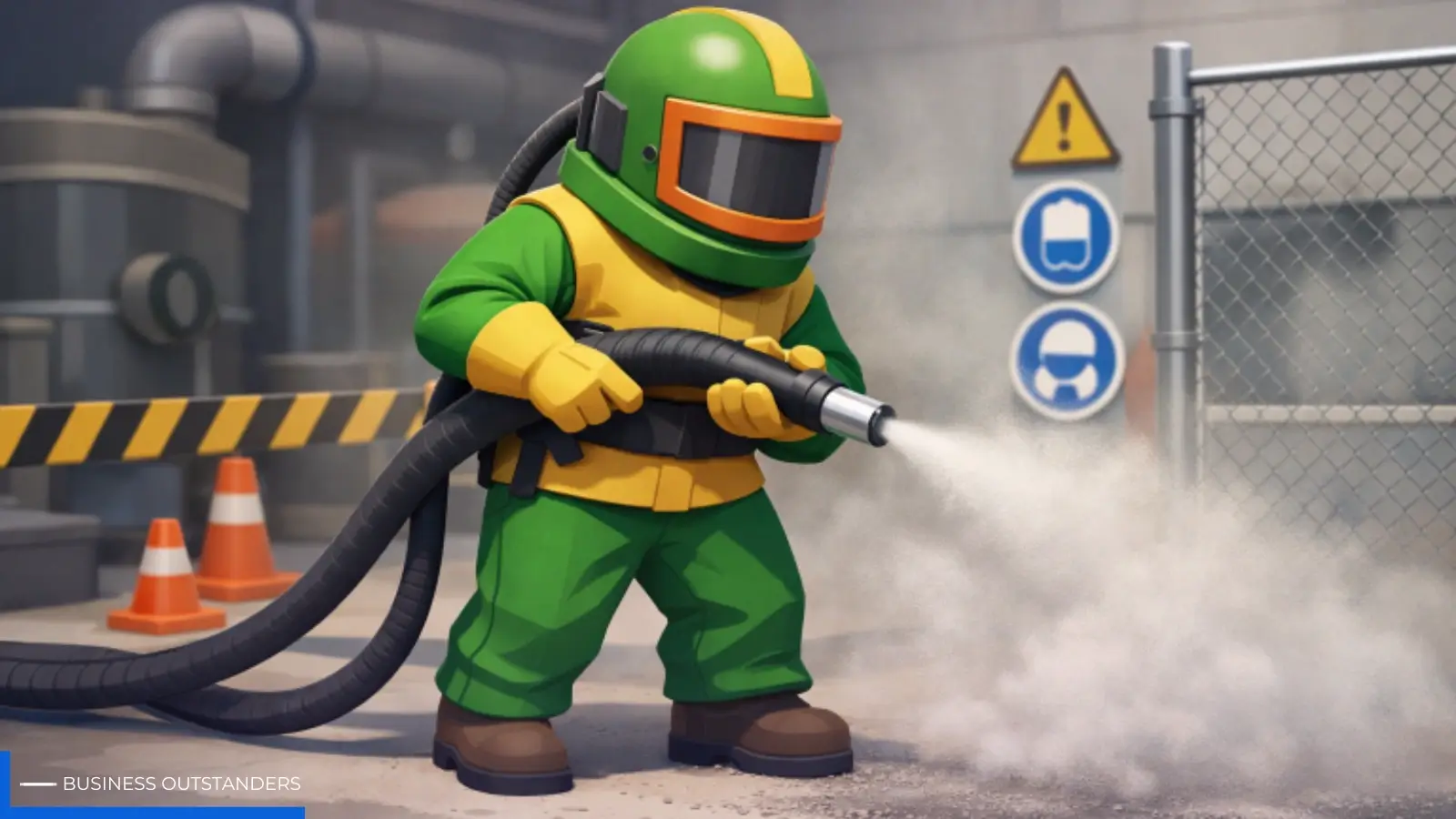
- Respiratory Protection: NIOSH-certified respirators, specifically Type CE abrasive blasting respirators, are crucial for operations involving silica. They filter airborne contaminants that can damage the lungs.
- Eye and Face Protection: Full-face shields or blast helmets protect against particles and flying debris, preventing serious eye injury.
- Protective Clothing: Durable gloves, aprons, and coveralls shield skin from abrasives and dust.
- Hearing Protection: Earplugs or earmuffs minimize the risk of hearing loss in the typically loud blasting environment.
For maximum effectiveness, PPE must be carefully fitted, regularly inspected for damage, and used consistently. Routine replacement and employee training ensure ongoing protection.
Safe Operating Procedures
Standardized procedures help mitigate unanticipated hazards. Thorough hazard assessments should be conducted before any job, identifying potential hazards unique to the location or materials. Establishing isolated zones around blast areas with clear signage prevents inadvertent exposure.
- Ventilation: Adequate ventilation (mechanical or natural) is essential for controlling dust concentrations and maintaining acceptable air quality.
- Housekeeping: Maintaining a routine cleaning schedule prevents hazardous dust accumulation and keeps walkways clear, reducing slip-and-fall incidents.
Properly executed, these operating procedures lead to more predictable and safer outcomes for everyone on-site.
Equipment Maintenance and Inspection
Sandblasting equipment must be reliably maintained to prevent catastrophic failures. All hoses, nozzles, blast cabinets, and pressure vessels should undergo pre-use inspections, with special attention to wear or damage that could compromise performance or safety.
- Preventive Maintenance: Following manufacturer service guidelines and keeping a scheduled log of maintenance activities ensures equipment remains in optimal working condition.
- Record Keeping: Detailed maintenance and inspection records aid accountability and support compliance during audits.
Taking a proactive rather than reactive approach minimizes both downtime and workplace injury.
Training and Education
Comprehensive initial and ongoing training is essential for a safe sandblasting program, enabling workers to recognize risks, use PPE effectively, and follow emergency procedures. Training covers:
- Hazard Recognition: Understanding and identifying different risks related to specific materials and equipment.
- PPE Usage: Instruction and practice on the correct use, maintenance, and limitations of protective gear.
- Emergency Procedures: Protocols for responding to equipment failure, accidental exposure, or injuries in a way that minimizes harm.
Refresher sessions and adapting training to new regulations or technologies help maintain consistent safety awareness.
For additional advice on workplace safety training, see this guide on OSHA training resources.
Regulatory Compliance
Compliance with occupational health guidelines, such as those enforced by OSHA in the United States, is both a legal and ethical obligation. Employers must monitor exposure levels, document safety protocols, and ensure readiness for inspection. Specific responsibilities include:
- Exposure Limits: Tracking air quality and keeping employee exposure well within regulatory limits for hazardous substances such as silica.
- Recordkeeping: Accurate logging of all preventive and corrective actions, training sessions, and any workplace incidents.
- Inspections: Welcoming regulatory inspections and responding to any findings with prompt corrective actions.
Staying informed on evolving regulations protects both workers and business operations from legal consequences and costly interruptions.
Emergency Preparedness
Despite robust procedures, emergencies such as exposures, equipment malfunctions, or medical incidents can still occur. A well-communicated emergency response plan is indispensable for a swift, organized reaction, helping to minimize the impact of any event.
- Emergency Response Plan: Establish protocols for all foreseeable emergencies and communicate them clearly to all staff.
- First Aid Training: Equip key personnel with updated first aid knowledge and easy access to necessary supplies.
- Incident Reporting: Implement a system for post-incident review, learning from each event to prevent future recurrence.
Regular practice drills and updates to emergency plans ensure everyone knows their role should an incident arise.
Conclusion
Maintaining safety in industrial sandblasting is a multidimensional process requiring awareness, preparation, and strict adherence to regulations. Employers who prioritize hazard recognition, equip their teams with correct PPE, uphold equipment integrity, and invest in regular training will foster safer environments and more reliable project outcomes. Through comprehensive planning, commitment, and use of reliable systems, organizations can protect their most important asset: their workforce.
Business Outstanders brings you sharp insights on tech, business, entrepreneurship, law, crypto, and more. We uncover what’s next. Stay updated, sign up for our newsletter and be part of the future!