In industries where product purity is essential, every component within a processing system plays a role in maintaining quality and compliance. While pumps, valves, and instrumentation often receive significant attention during system design, tubing is equally important.
The tubing used throughout a process system directly impacts cleanliness, corrosion resistance, cleanability, and overall product integrity. In pharmaceutical manufacturing, biotechnology, semiconductor production, and other high-purity industries, selecting the appropriate tubing material and finish is a critical design decision that can influence long-term operational success.
The Growing Importance of High-Purity Processing
Modern manufacturing environments face increasing demands for product consistency, contamination control, and regulatory compliance. Whether producing injectable pharmaceuticals, biologics, specialty chemicals, or semiconductor components, facilities must maintain extremely clean process environments.
Even microscopic contamination can create significant problems, including:
- Product quality issues
- Regulatory concerns
- Batch rejection
- Equipment fouling
- Increased cleaning requirements
- Production downtime
As a result, facility designers and engineers carefully evaluate every wetted component within a system to minimize contamination risks.
Why Stainless Steel Remains the Industry Standard
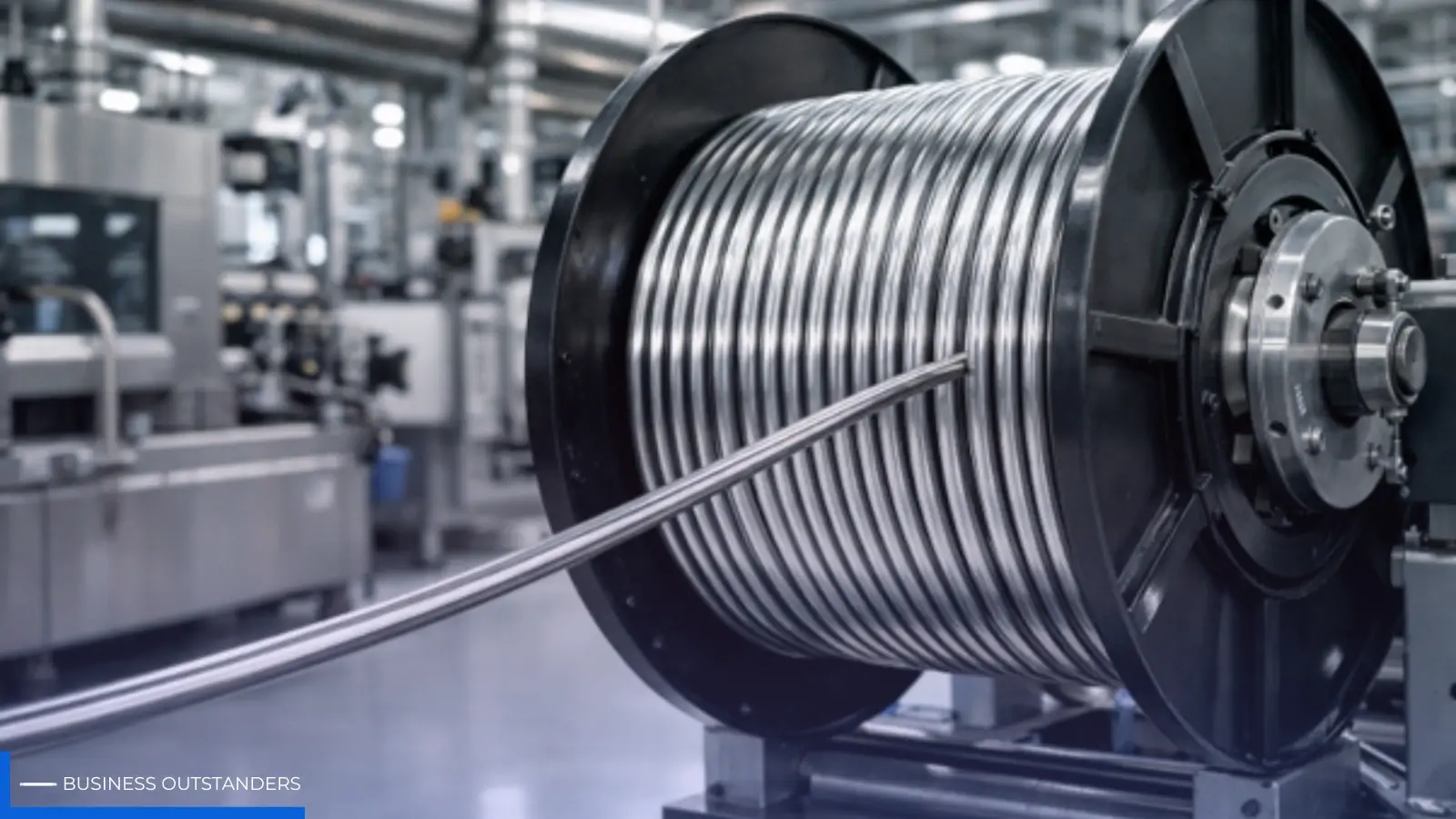
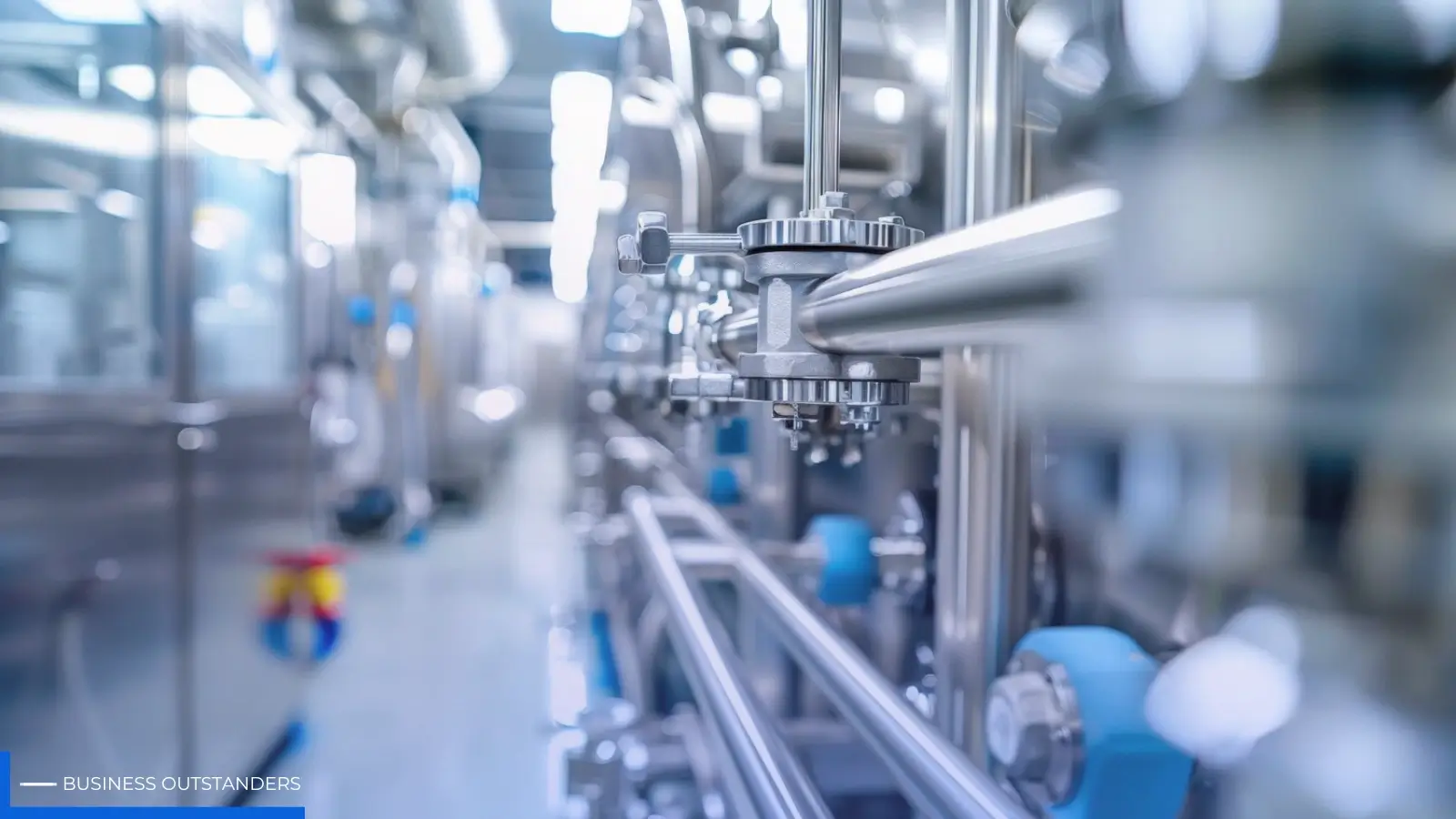
Stainless steel has long been the preferred material for many hygienic and high-purity applications due to its combination of strength, corrosion resistance, and cleanability.
Compared to alternative materials, properly manufactured stainless steel tubing offers several advantages:
Corrosion Resistance
High-quality stainless steel resists corrosion from many process fluids, cleaning chemicals, and environmental conditions. This helps maintain system integrity and reduce the likelihood of contamination caused by material degradation.
Cleanability
Smooth internal surfaces support effective cleaning procedures and help prevent product buildup. This is especially important in applications requiring Cleaning-in-Place (CIP) or Sterilization-in-Place (SIP) processes.
Durability
High-purity systems often operate continuously under demanding conditions. Stainless steel provides the mechanical strength needed to withstand pressure, temperature fluctuations, and routine maintenance activities.
Long Service Life
When properly specified and maintained, stainless steel tubing can provide decades of reliable service, reducing lifecycle costs and minimizing replacement requirements.
Surface Finish Matters More Than Many Realize
While material selection is important, surface finish is often equally critical.
In high-purity applications, tubing interiors must be smooth and free from imperfections that could trap product residue or microorganisms. Rough surfaces can increase cleaning challenges and create areas where contamination may develop.
Electropolished and mechanically polished finishes are commonly used to improve surface smoothness and support stringent cleanliness requirements.
The appropriate finish depends on the specific application, regulatory standards, and process requirements.
Industries That Depend on High-Purity Tubing
A wide range of industries rely on specialized tubing systems designed to support contamination control.
Pharmaceutical Manufacturing
Pharmaceutical facilities require highly controlled environments where product purity directly affects patient safety. Tubing systems must support stringent cleaning and validation requirements.
Biotechnology
Biotechnology processes often involve sensitive biological materials that can be impacted by contamination or surface irregularities. High-quality tubing helps maintain process integrity throughout production.
Semiconductor Manufacturing
Semiconductor production utilizes ultrapure water, specialty gases, and highly controlled chemical processes. Contamination control is essential at every stage of manufacturing.
Food and Beverage Processing
Many sanitary food and beverage operations also utilize high-quality stainless steel tubing to support hygiene, product quality, and regulatory compliance.
Common Considerations When Selecting Tubing
Choosing tubing involves more than simply specifying a diameter and material grade.
Engineers typically evaluate factors such as:
- Surface finish requirements
- Corrosion resistance
- Weldability
- Pressure ratings
- Temperature ranges
- Regulatory standards
- Documentation and traceability requirements
The intended application ultimately determines the appropriate specifications.
For example, a biotechnology facility may require different tubing characteristics than a food processing operation, even though both prioritize cleanliness.
Building Reliable High-Purity Systems
Achieving consistent product quality starts with designing systems that minimize contamination risks and support effective cleaning procedures. Tubing serves as the backbone of many process systems, making proper material and finish selection essential.
While numerous tubing options are available, facilities operating in regulated or contamination-sensitive environments often require specialized solutions engineered specifically for demanding applications.
Organizations evaluating materials for pharmaceutical, biotechnology, semiconductor, or sanitary processing systems can learn more about selecting appropriate high purity stainless steel tubing to support long-term performance, cleanability, and compliance objectives.
By focusing on both material quality and system design, manufacturers can create process environments that support efficiency, reliability, and consistent product quality for years to come.
Business Outstanders brings you sharp insights on tech, business, entrepreneurship, law, crypto, and more. We uncover what’s next. Stay updated, sign up for our newsletter and be part of the future!