When a colleague, employee, or family member needs help with alcohol or other drugs, questions arrive quickly. As a manager or business owner, you may need to point someone toward safe care while managing leave, privacy, and workplace safety. This guide is general information, not medical or legal advice.
If someone is in immediate danger, call 000. For confidential AOD support in Victoria, DirectLine offers free 24/7 counselling, information, and referral on 1800 888 236.
When Detox Must Be Medically Supervised
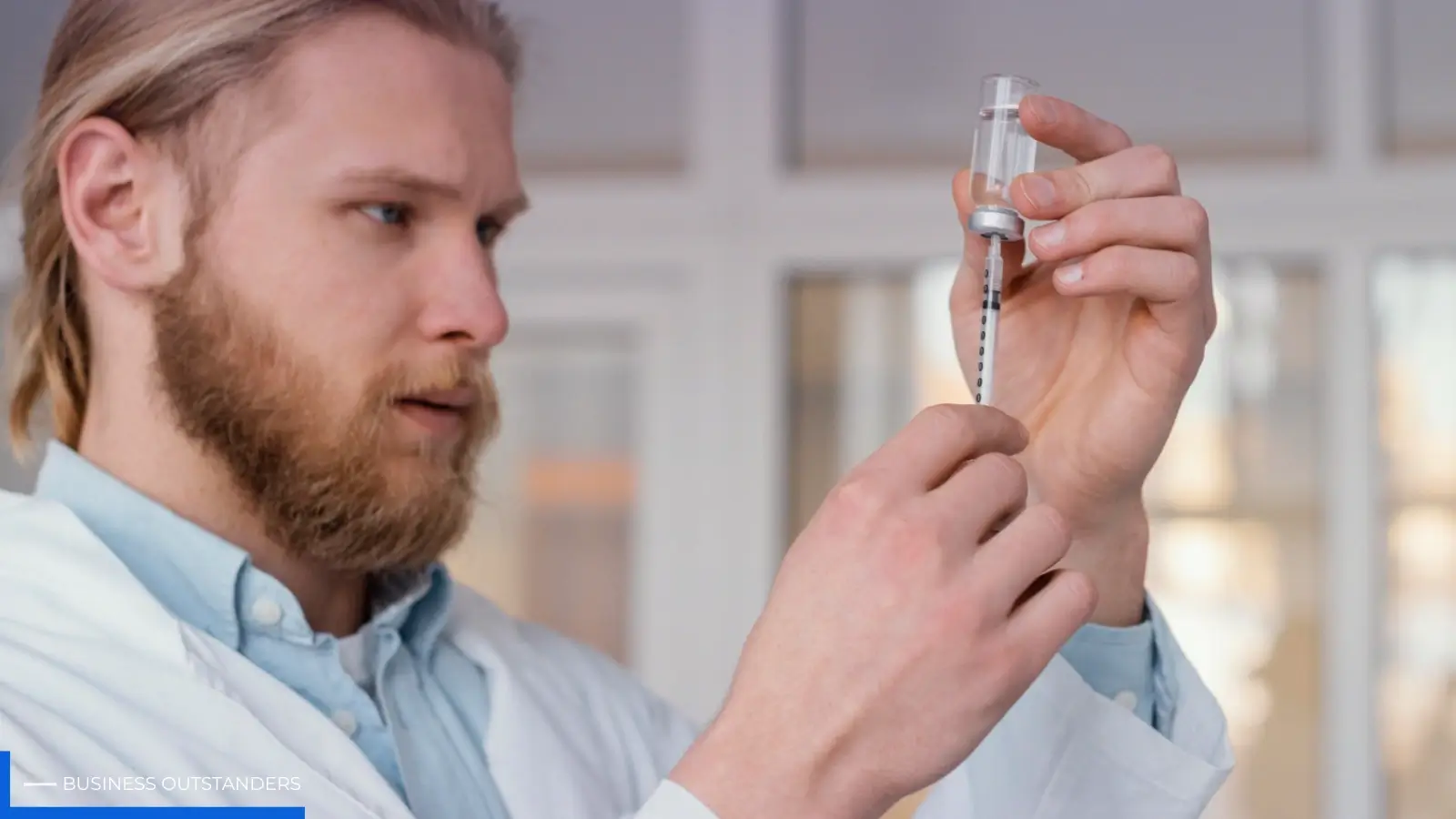
Withdrawal is not always safe to manage alone. Alcohol and benzodiazepine withdrawal can be dangerous and sometimes life-threatening. Higher-risk signs include previous withdrawal seizures or delirium, heavy daily use, use of more than one substance, and significant physical or mental health conditions.
In Victoria, hospital-based withdrawal is a 24/7 medically supervised public AOD service for people who need close monitoring. If you are unsure, seek medical advice through a GP, hospital, or the 24/7 helpline rather than guessing.
Public and Private Detox Pathways in Victoria
There are several ways into care, and the right pathway depends on clinical need, urgency, and personal circumstances. Common entry points include a 24/7 AOD helpline, local AOD intake service, or GP referral.
Withdrawal support can take several forms. Hospital-based withdrawal provides 24/7 supervision for higher-risk situations. Residential withdrawal offers supported live-in care. Non-residential and home-based options can suit lower-risk cases when reliable support is in place. Victoria's AOD system serves about 40,000 people each year.
Wait times vary, so ask directly. The helpline can connect callers to residential, home-based, and outpatient withdrawal services, and to the AOD Pathways Service for access navigation and available beds.
How to Evaluate a Detox Service: A Practical Checklist
Rather than chasing a single best provider, know what good care looks like and ask consistent questions.
- Accreditation and registration. Hospitals are accredited to eight NSQHS Standards. Ask whether a private hospital is registered and accredited.
- Clinical oversight. Confirm 24/7 nursing, regular medical review, who is on site overnight, and how deterioration is escalated.
- Evidence-based protocols. Ask how withdrawal is managed and monitored, and what happens in an emergency.
- Mental-health support. Ask how the service supports co-occurring mental health conditions and dual diagnosis.
- Safe environment. Ask about infection control, medication safety, and general safety practices.
- Continuity of care. Ask how the service transitions people to rehabilitation, day programs, outpatient care, or peer support.
- Family and cultural safety. Ask whether families can be involved and how culturally safe care is provided.
- Aftercare and relapse prevention. Ask what planning happens before discharge.
- Transparency. Ask how the service gathers feedback and acts on it.
- Cost and cover questions. Ask what may be claimable, then confirm details with your insurer and provider.
Examples In and Near Melbourne to Start a Shortlist
These are examples, not rankings. Confirm current details with each provider.
Several private hospitals in Melbourne offer medical detox alongside inpatient mental health programs. If comparing hospital-based options near the city, providers such as Arrow Health are worth understanding in context: its program page describes medically supervised withdrawal at a registered private psychiatric hospital in the Macedon Ranges, with 24/7 nursing, doctor oversight, and transitions to further care.
For employers weighing the best detox centres in Melbourne against criteria like clinical oversight, accreditation, and aftercare, Arrow Health can sit on a shortlist as one option to assess rather than a guaranteed fit. Weigh each service against the same questions so comparisons stay fair.
The Employer Playbook
Supporting someone well means protecting safety and dignity. A few practical steps help.
- Set policy first. Build or review an AOD policy using WorkSafe's WorkWell Toolkit. Consult staff and keep testing fair, lawful, and proportionate.
- Meet your safety duty. Under Victoria's OHS Act 2004, employers must provide and maintain a working environment that is safe and without risks to health.
- Support leave. The National Employment Standards provide 10 days of paid personal/carer's leave per year for full-time employees, accruing progressively. Apply notice and evidence rules consistently.
- Protect privacy. Treat health information as confidential. Employee records have specific handling rules, and the Australian Privacy Principles can still apply to contractors or EAP providers.
- Offer clear pathways. Provide referral routes such as an EAP, GP, or the 24/7 AOD helpline, and nominate a confidential contact point.
- Plan return to work. Where relevant, especially in safety-critical roles, plan return with appropriate medical clearance and a focus on safety rather than scrutiny.
Cost and Insurance
Costs depend on the setting and level of cover. Private hospital detox may be claimable depending on the policy, often under a hospital psychiatric category, and waiting periods can apply. Providers, including Arrow Health, describe such care as potentially claimable, but specifics differ between funds and individuals. Confirm cover with the insurer and provider before making decisions.
Pill Testing and Harm Reduction
Harm reduction keeps people safer and connected to support, even when they are not yet seeking treatment. Victoria's pill testing trial has included fixed and mobile services; check current state information, as dates and locations can change. These services are not a substitute for treatment.
How to Talk About It
Use person-first, stigma-free language and focus on safety, supports, and choices rather than blame. Make confidentiality clear, listen more than you advise, and point toward professional help. A simple offer to connect someone with a GP or AOD support service is often most useful. For managers in larger workplaces, longer-term recovery support planning can turn a referral into practical next steps while respecting privacy.
Frequently Asked Questions
What is the difference between detox and rehab?
Detox, or withdrawal, manages the physical process of stopping a substance safely. Rehabilitation is the longer phase of support, skills, and relapse prevention that often follows. Many people need both.
Key Resources
Keep these contacts handy. DirectLine, 1800 888 236, is free and confidential, 24/7. WorkSafe's WorkWell Toolkit supports AOD policy work. The Victorian Department of Health publishes information on AOD treatment services. Beyond Blue, 1300 22 4636, supports mental health. In an emergency, call 000.
Business Outstanders brings you sharp insights on tech, business, entrepreneurship, law, crypto, and more. We uncover what’s next. Stay updated, sign up for our newsletter and be part of the future!