There is increasing attention on the responsibility of construction specialists and companies when it comes to creating sustainable solutions for the future. There are a host of tax credits and benefits that construction companies can benefit from applying for in order to help them to make the world a better place. Most of these incentives are linked with saving the environment by making homes and businesses that are energy efficient.
ICF tax incentives can help you to create houses and other buildings that will meet or even exceed energy efficiency requirements. These homes and other structures will be more affordable to heat and cool and are strong and sturdy enough to last for years to come. There is no greater benefit to a construction company than being able to build structures that are going to last for generations while also making the world a better place.
What is the ICF Tax Credit?
The ICF tax credits that are offered to construction companies can vary from state to state, but they are intended to help companies to build energy-efficient structures that include ICF building components and techniques. ICF construction is incredibly energy-efficient and can help home and business owners to save money each year on their energy bills. These structures are also less demanding on the overall energy supply, making them a key contributing factor to saving the environment and helping to control issues like global warming.
There are various kinds of projects that might be a good fit for these tax credits. New residential construction is usually on the list, as are home improvement projects to existing, less efficient homes.
There are federal incentives as well, such as the 179D commercial deduction and 45L home builder credits that can further improve the outlook for those seeking to build these kinds of structures, especially on a speculative basis.

Who is Eligible?
There are various limitations to this program, but typically, builders and developers who are using ICF and seeking to create energy-efficient structures can apply. Contractors might also be eligible, and commercial building owners can sometimes also apply. Homeowners might also be eligible if they are completing improvements to their existing home to make it more energy-efficient.
Builders are often going to get the most benefit from these tax breaks, as they often create structures that are sold to buyers after they are completed. There is a lot of expense and risk involved in creating a home without a pre-determined buyer, which means that tax breaks can help fund these projects and make it easier for builders to use quality, energy-efficient building techniques.
Whole-building performance is often a consideration. You can’t just build wall systems that meet the standards and then move on to older, less energy-efficient solutions in the rest of the home or business. The goal of these tax breaks is to make sure that the entire structure is energy-efficient. You will need to be sure that you are adding the right windows and doors and that you are considering the right overall construction and design for the job to qualify. Choosing the right materials used in energy-efficient buildings is also essential to ensure the structure meets performance standards required for these tax incentives.
The same is true of home improvement jobs that might qualify. You cannot just replace a couple of walls and seek this credit. You will need to be sure that you are showing that you are using the right designs and upgrades throughout the home improvement project to qualify. The goal is to make a home that is energy-efficient, not to just change out a few things and hope for the best when it comes to protecting the environment.
How Can I Access the Benefits of ICF in my Projects?
There are various ways that construction specialists can include ICF in their projects. You might use ICF walls in your next build and pair the ICF parts of the structure with high-efficiency windows and doors. You might also use ICF to help with reducing thermal bridging and to make the walls more airtight.
Credits and deductions have to be applied properly. If you are not sure how to apply for these tax credits, an experienced tax professional should be able to help you out. Timing can be critical in some cases, and you will need specific documentation to prove that you used ICF building techniques in your projects.
Make sure that you use the right ICF products and techniques in your work. Not all ICF products are created equal, and not all of these products will perform like truly well-designed and high-quality ICF solutions. You will want to make sure that you do your research before you select an ICF product supplier.
You will also need to train your crew in this kind of construction. While not complex, it is different from traditional building methods. You will want to be sure that you don’t waste products and materials due to installation or builder errors. Coordinate your concrete pours with the right portion of your building process as well to help save money and time on your construction projects.
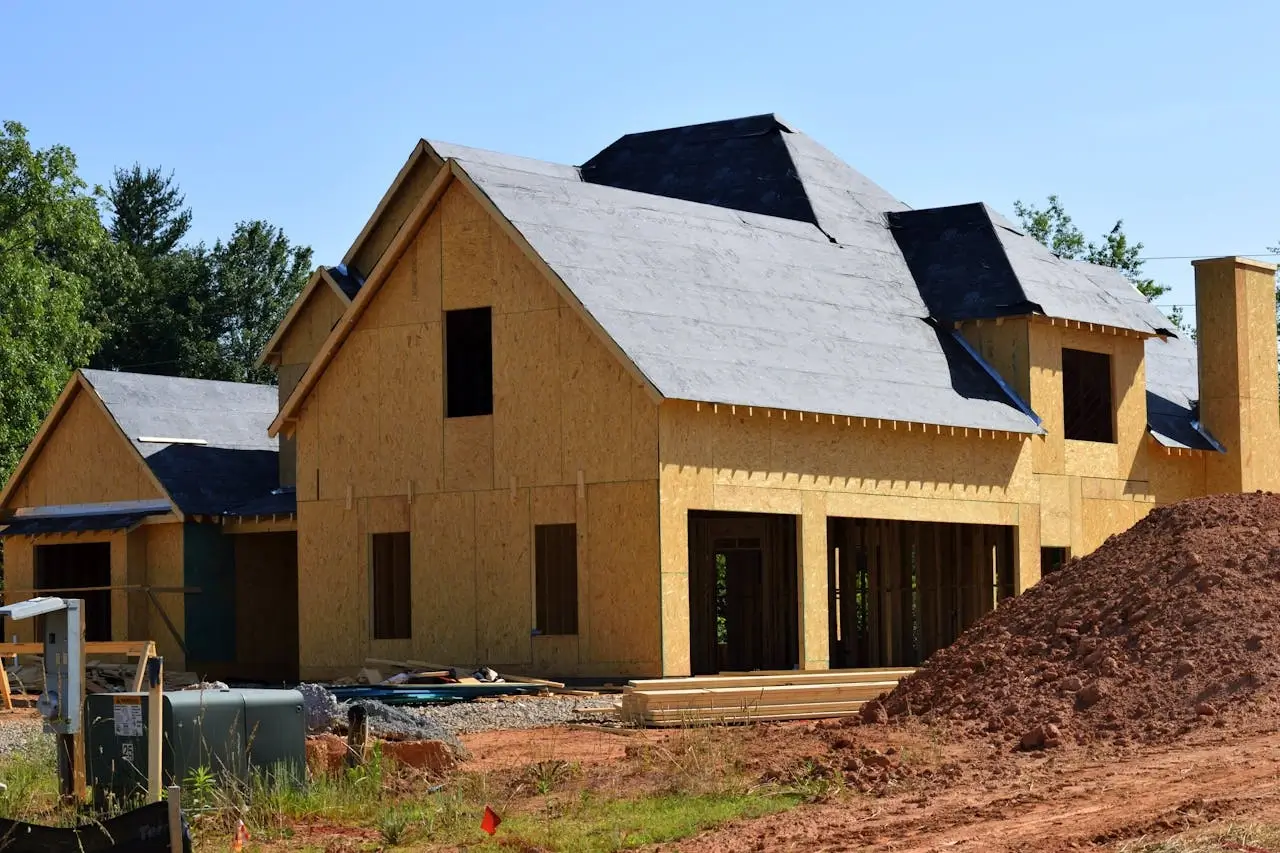
Energy-Efficient Homes Are Becoming the Norm and For Good Reason
It’s well past time for homes to be more energy efficient from the start. For generations, homeowners have made their own improvements after they have bought a home to save themselves money on their energy bills. They were probably helping the environment as well, but that wasn’t their main goal. The building industry is just now starting to catch up with the idea that energy-efficiency is something that matters. There are companion benefits to ensuring that a structure is energy-efficient, and ICF construction can help with longevity, stability, and soundproofing as well.
Energy-efficient homes are built to last, and they are built to make the world a better place. Accessing tax credits for investing in the well-being of the planet is an added perk of taking the time to build homes that will stand up to the test of time and help to improve the environment. Make sure that you understand these programs and how to apply for them so that you are prepared to access these benefits for each project.
Business Outstanders brings you sharp insights on tech, business, entrepreneurship, law, crypto, and more. We uncover what’s next. Stay updated, sign up for our newsletter and be part of the future!