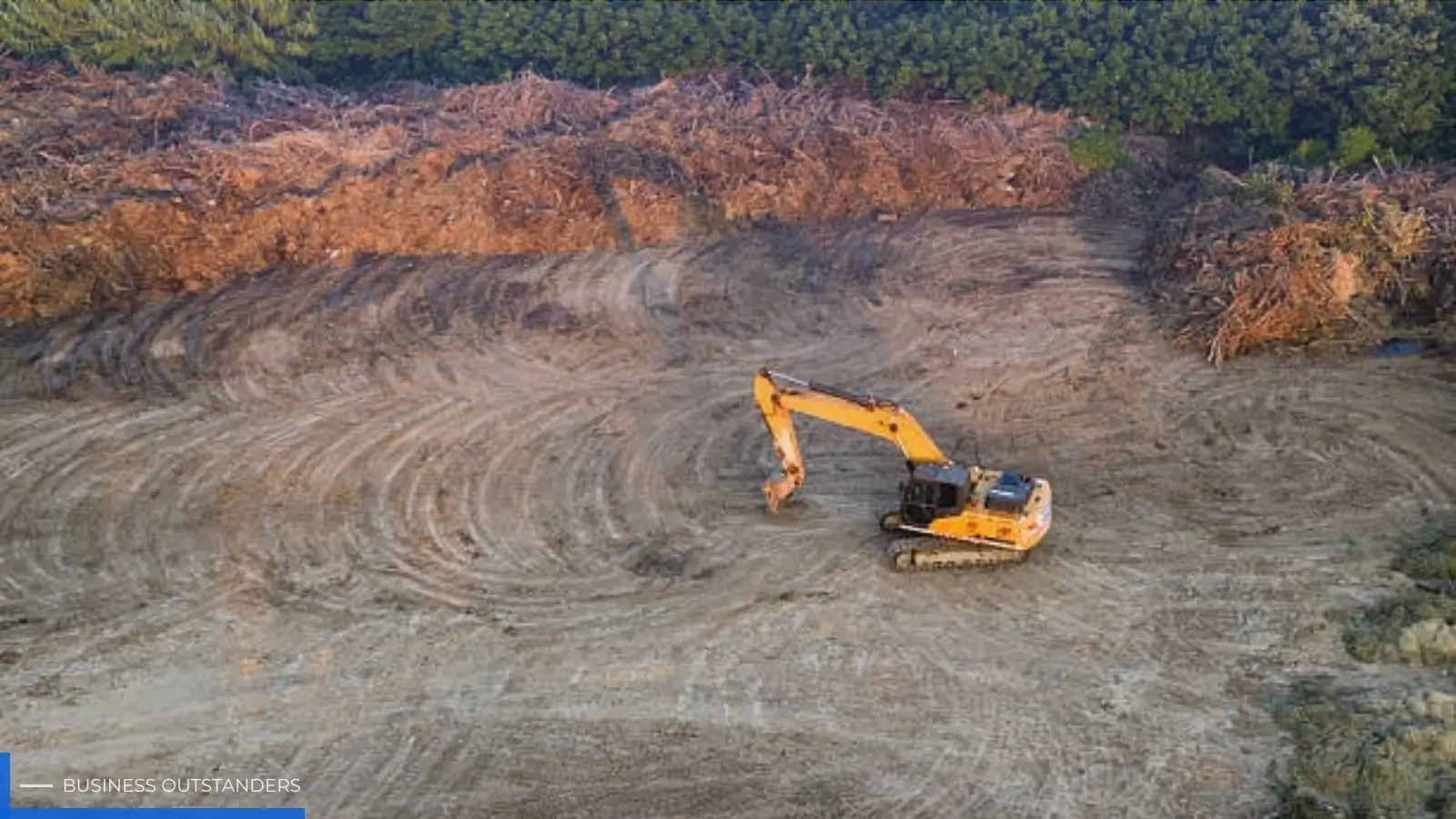
Flexible pavements are designed to flex and transfer traffic loads via multiple layers throughout the pavement structure. With no rigid connections between layers, their strength is derived from the ground they’re built on. Whilst asphalt thickness and surface treatments are often given the majority of focus when it comes to pavement performance, longevity is actually decided well before asphalt is even laid: at the earthworks stage.
Precise earthworks mean better moisture control and density of the subgrade, which affect how a flexible road pavement reacts to traffic loading over time. For infrastructure projects built on variable soils and with dynamic weather conditions like Melbourne earthworks, consistency underground is key to quality above ground.
Subgrade support and long-term pavement performance
The subgrade sits at the bottom of a pavement structure and can be made up of either natural soil or improved ground materials. All loads applied to a pavement’s surface are transferred through each layer down to the subgrade. Weaker subgrades mean weaker overall pavement structures.
During earthworks, the subgrade should be trimmed to the correct levels, all unsuitable material should be removed and the subgrade compacted to a consistent density. Small variations in strength across the pavement can cause inconsistency in settlement over time. Pavement surfaces may begin to show signs of rutting, cracking or undulation.
Flexible pavements, by their very nature, allow for some give under loading. However, excessive movement or movement in certain areas causes the pavement structure to fatigue quicker. Quality earthworks allows for consistent movement across the entire pavement by providing a strong, consistent platform.
Soil moisture and earthworks specifications
Soil moisture content is critical when it comes to long-term performance of the subgrade. Most soils have a peak moisture content where their density (and subsequently strength) is at its highest when compacted. Too little moisture and the soil particles will not bind together properly. Too much moisture in the soil reduces its strength and can cause issues down the track.
Controlling moisture levels during the earthworks stage ensures that the soil you compact is near its optimum moisture level. This is especially important for areas that experience large variations in rainfall throughout the year, or where clay subgrades are present. Without proper consideration of moisture content during construction, your pavement may soften during these wetter periods and provide inadequate support to the pavement structure above.
Compaction affects how well your pavement structure will distribute loads applied to the surface. If your subgrade is well compacted, it provides a consistent layer for your base and subbase to further distribute these loads. If there are areas of poor compaction, your pavement structure won’t be able to distribute loads as evenly, leading to weak spots.
As traffic flows over these weak spots, you’ll start to see wear in your pavement surface. Pavement may begin to rut in wheel tracks or crack prematurely. Once cracking begins, water enters the pavement structure and accelerates pavement deterioration.
Quality assurance of earthworks ensures that compaction levels (and subsequent strength) are consistent across your entire project. With adequate compaction, your pavement has much better strength across its whole structure and can tolerate large amounts of traffic without deformity.
Working with variable soils and imported fill
Mother nature isn’t always kind to engineers and constructors when it comes to delivering quality roads. Soil types can change from one area to the next, even over short distances. Imported fill may have varying densities and moisture content, highlighting the importance of material quality in construction.
If these changes in soils aren’t taken into consideration during the construction stage, they can lead to inconsistent support across your pavement structure.
High quality earthworks aims to limit these inconsistencies by removing poor materials and either replacing them with selected fill where needed, stabilising the existing soil or reconditioning the soil to meet specifications.
This is especially important for large-scale urban developments where road networks often need to connect to existing roads and cater for increasing traffic loads. The flexibility of a pavement structure is only as good as the ground it sits on.
Limiting pavement deformation and cracking
Many pavement failures we see on surface begin long before they appear on the road. Pushing off from the bottom, poor support from the subgrade can cause problems like rutting, shoving and fatigue cracking in your pavement surface. When a pavement has been constructed on high quality earthworks, your pavement layers have even support across its whole area. This limits deformation of the pavement structure, helping your surface to maintain its profile over longer periods of time. Limiting pavement cracks also prevent water entry and further damage to your pavement.
By starting strong at the bottom, you’ll build pavement structures that last longer and require less maintenance over their lifecycle. Instead of patching the same surface damage year in, year out, asset owners can enjoy a more reliable performance from their pavement.
Business Outstanders brings you sharp insights on tech, business, entrepreneurship, law, crypto, and more. We uncover what’s next. Stay updated, sign up for our newsletter and be part of the future!