Introduction
From automotive parts to architectural elements, sheet metal fabrication plays a critical role in modern manufacturing and construction. This versatile process transforms flat sheets of metal into complex, functional components that power industries worldwide. Whether you're an engineer designing a new product, a manufacturer seeking reliable production partners, or a business owner exploring custom metal solutions, understanding sheet metal fabrication is essential. This guide explores the capabilities, applications, and benefits of professional sheet metal fabrication, and how it can bring your most ambitious designs to life.
What is Sheet Metal Fabrication?
The Fundamentals
Sheet metal fabrication is the process of forming flat metal sheets into three-dimensional structures through cutting, bending, and joining techniques. The raw material, typically steel, aluminium, copper, or stainless steel, begins as a flat sheet and is transformed through precision machinery and skilled craftsmanship into finished components. This process is fundamental to countless industries and applications, especially when combined with precision machining for high-accuracy manufacturing.
Key Fabrication Techniques
Professional fabricators employ various techniques depending on project requirements:
- Cutting: Laser cutting, plasma cutting, and waterjet cutting create precise shapes with minimal waste
- Bending: Press brakes and roll machines form metal at precise angles without compromising material integrity
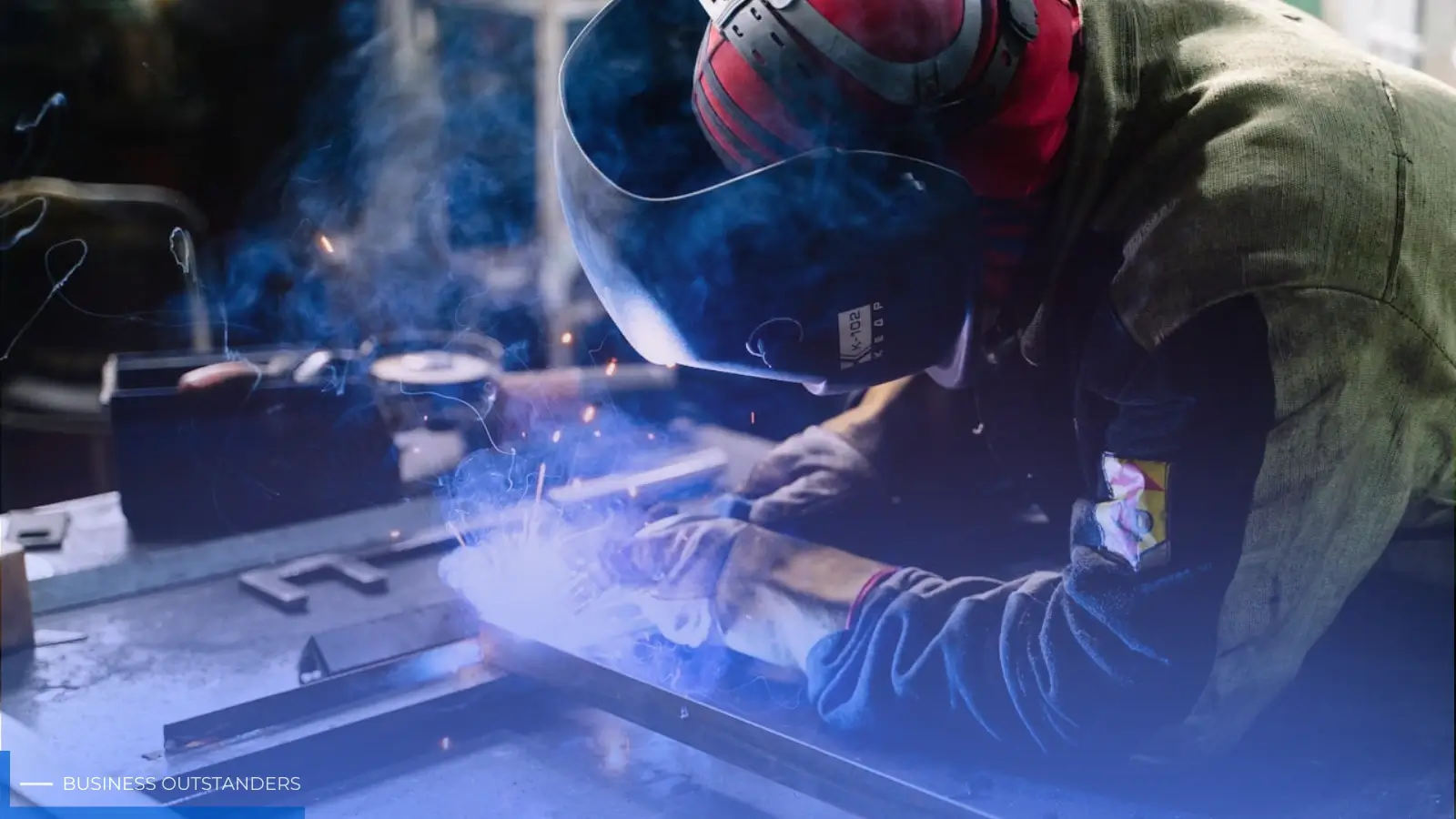
- Joining: Welding, riveting, and fastening techniques permanently or semi-permanently unite components
- Finishing: Grinding, polishing, and coating processes enhance appearance and protect against corrosion
Industrial Applications and Benefits
Manufacturing and Engineering
Sheet metal fabrication is indispensable in manufacturing. Automotive producers rely on fabricated components for chassis, panels, and structural elements. Electronics manufacturers use precision sheet metal for enclosures and heat dissipation systems. Every application demands accuracy, consistency, and reliability—qualities that define professional fabrication services.
Architectural and Construction Solutions
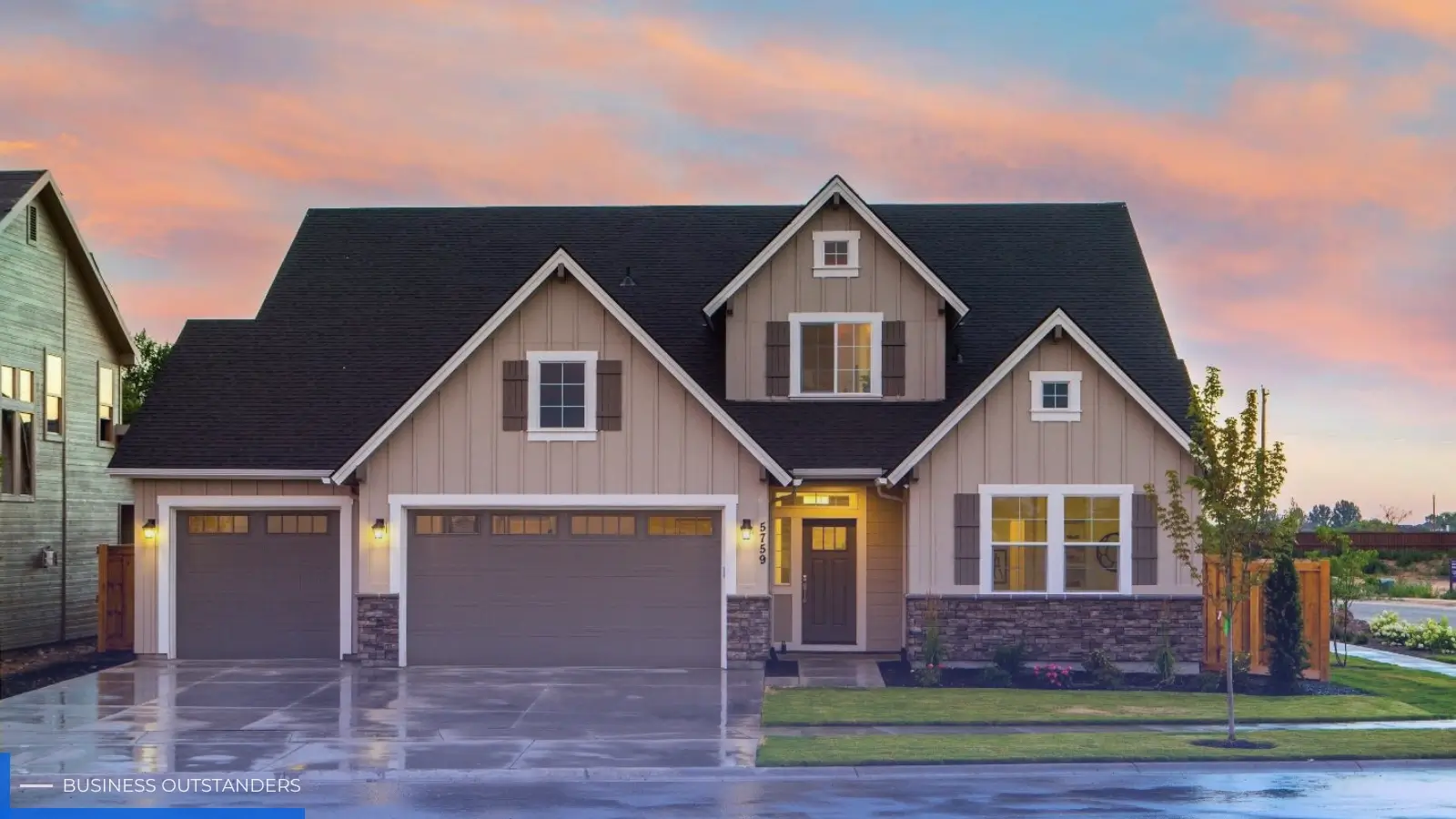
Modern architecture frequently incorporates custom sheet metal elements. Roofing systems, façade panels, guttering, and decorative architectural features are often fabricated to exact specifications. Sheet metal's durability, aesthetic flexibility, and weather resistance make it ideal for both functional and aesthetic applications in building design.
Rapid Prototyping and Custom Projects
One significant advantage of sheet metal fabrication is flexibility. Unlike processes requiring expensive moulds or tooling, fabrication can accommodate custom designs and small production runs economically. Engineers can move from concept to prototype quickly, test designs, refine them, and transition to production without substantial retooling costs.
Design Considerations for Optimal Fabrication
Material Selection
Choosing the correct material significantly impacts both performance and cost. Steel offers strength and affordability but requires corrosion protection. Stainless steel resists corrosion naturally, making it ideal for harsh environments or food-related applications. Aluminium provides lightweight properties essential for aerospace and portable equipment. Copper and brass offer aesthetic appeal alongside functional properties.
Tolerances and Precision
Professional fabricators work to tight tolerances, often within fractions of a millimetre. Understanding your project's tolerance requirements—and communicating them clearly—ensures components fit together perfectly. Tighter tolerances increase costs, so optimising specifications balances precision needs with budget constraints.
Design for Manufacturability
Collaborating with experienced fabricators during the design phase prevents costly mistakes. Professionals identify potential challenges (sharp corners that weaken material, design features that complicate production, or assembly issues) and suggest refinements that maintain functionality whilst improving manufacturability and reducing costs.
Quality Assurance and Standards
Industry Standards and Certifications
Reputable fabrication companies maintain certifications demonstrating commitment to quality. ISO 9001 certification indicates robust quality management systems. Industry-specific certifications (such as those for welding or aerospace applications) demonstrate specialised expertise. These certifications provide assurance that your components meet rigorous standards.
Inspection and Testing
Professional fabricators implement comprehensive quality control throughout production. Material testing verifies raw material specifications. In-process inspections monitor dimensions and quality. Final inspections and testing confirm finished components meet all specifications before delivery.
Traceability and Documentation
Quality fabricators maintain detailed records documenting material certifications, production processes, and inspection results. This traceability is essential for regulated industries such as aerospace, medical devices, and automotive manufacturing, where component history must be verified.
FAQ Section
What materials can be used in sheet metal fabrication?
Common materials include steel, stainless steel, aluminium, copper, brass, and titanium. Material selection depends on your application's requirements—strength, corrosion resistance, weight, conductivity, or aesthetic considerations. Your fabricator can recommend optimal materials for your specific project.
How much does sheet metal fabrication cost?
Costs vary widely depending on material, complexity, quantities, and finishing requirements. Simple components fabricated in high volumes cost significantly less per unit than complex custom projects. Request detailed quotes from fabricators, ensuring they understand your full specifications and timeline.
What lead times should I expect?
Lead times depend on project complexity, current production schedules, and whether components require custom tooling. Simple projects might be completed within weeks, whilst complex assemblies or large production runs may require several months. Discuss timelines early to ensure they align with your project schedule.
Can fabricators work from my CAD designs?
Yes, most professional fabricators accept CAD files in standard formats (DWG, STEP, IGES, PDF). Providing clear, detailed drawings (including dimensions, tolerances, material specifications, and finishing requirements) enables accurate quotes and efficient production.
Do fabricators offer finishing and coating services?
Many full-service fabricators offer finishing options including painting, powder coating, anodising, and plating. These finishing processes enhance appearance, provide corrosion protection, and can improve functional properties. Discuss finishing requirements during the quoting phase to ensure accurate pricing and timelines.
Conclusion
Sheet metal fabrication represents a powerful solution for creating precise, durable metal components across virtually every industry. Whether you're developing innovative products, constructing architectural features, or manufacturing critical components, professional fabricators bring expertise, precision, and quality assurance to every project. By understanding fabrication capabilities, communicating design requirements clearly, and partnering with experienced specialists, you can transform ambitious designs into reality efficiently and cost-effectively. The right fabrication partner doesn't just produce components—they become a valued collaborator in your success.
Business Outstanders brings you sharp insights on tech, business, entrepreneurship, law, crypto, and more. We uncover what’s next. Stay updated, sign up for our newsletter and be part of the future!